Jacksonville Hurricane Season Home Prep: The 2026 Contractor's Checklist
June 1 marks the official start of hurricane season, and for Jacksonville homeowners, that date is never just a calendar reminder. Northeast Florida sits at the intersection of the Atlantic coast and the St. Johns River flood plain — geography that makes "below-normal" basin forecasts largely irrelevant to your property's actual risk. This guide walks through what to do right now , before the mid-August to mid-October window when the season peaks and time runs out.
Sunshine State Professional Services has been building, remodeling, and restoring homes in Duval, St. Johns, Nassau, and Flagler counties since 2015. What we see after every significant storm is the same: the homes that held up best had owners who prepared before the season, not during a watch. Here's the checklist we follow ourselves.
Why Jacksonville Always Needs to Prepare — Even in a "Below-Normal" Year
NOAA's official 2026 Atlantic hurricane season outlook, released May 21, 2026, calls for 8 to 14 named storms, 3 to 6 hurricanes, and 1 to 3 major hurricanes (Category 3 or stronger) — about 75% of the long-term Atlantic average. NOAA assigns a 55% chance of a below-normal season, with 70% confidence in those ranges. ( Source: NOAA.gov)
But Colorado State University's 2026 state-by-state forecast tells a different story for Florida specifically: the state carries a 74% probability of a tropical storm impact and a 43% probability of a hurricane impact in 2026 — the highest in the nation. ( Source: NEXGEN Roofing, citing CSU 2026 state-by-state forecast) Those numbers don't change much year to year because Florida's geography doesn't change.
The practical implication: a below-average Atlantic basin does not mean Jacksonville is in the clear. The work to protect your home is the same regardless of what NOAA forecasts in May.
Structural Prep: What to Check Before the Peak Window
The most active stretch of hurricane season is typically mid-August through mid-October, according to Palm Build Restoration's 2026 Florida prep guide. That gives Jacksonville homeowners roughly eight weeks from now to handle the structural items — enough time if you start immediately, not enough if you wait until the first watch.
Roof and Exterior
Roof inspection: Check for missing or loose shingles, deteriorated flashing, and compromised seals around vents and chimneys. A qualified licensed contractor can identify vulnerabilities a homeowner's visual check misses — and a current wind mitigation report can lower your windstorm insurance premium for years. Our licensed general contracting team conducts pre-season assessments across Northeast Florida.
Gutters and downspouts: Clear all debris and verify drainage is directing water away from the foundation. Blocked gutters during a tropical event create pressure against fascia boards and cause water intrusion at the roofline — the exact kind of infiltration that becomes a mold problem within days in Florida's humidity.
Hurricane shutters and window protection: Test all installed shutters. If you're using pre-cut plywood as a backup, verify fit and label panels now. Storm-rated impact windows are permanent and eliminate the pre-storm scramble entirely. Homes built before January 1, 2008, are most likely to lack modern opening protection — and most likely to benefit from the My Safe Florida Home grant program (covered below).
Garage door: The garage door is often the largest and most vulnerable opening on a home. Brace kits or wind-rated upgrades can be retrofitted to most existing doors. This step is frequently skipped until it becomes the point of failure.
Foundation, Drainage, and Mechanicals
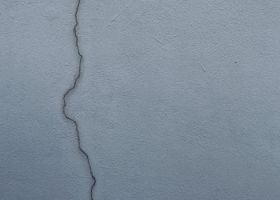
Inspect your foundation for new cracks — especially horizontal ones that suggest pressure from saturated soil. Seal hairline cracks with appropriate waterproof sealant; anything larger warrants professional assessment before the season peaks. Elevate HVAC units, pool pumps, and generators above the local base flood elevation where possible: equipment sitting at grade in a Zone AE property can be destroyed by six inches of standing water.
Trim dead or weakened limbs from trees near the roofline. In a tropical storm, overhanging limbs become projectiles. Jacksonville arborists book up fast in July — schedule now.
If your home has deferred structural maintenance, our home additions and structural work team can assess what needs to be addressed before peak season. Addressing it now is consistently less expensive than addressing it after a storm.
Building Your 7-Day Emergency Kit
Florida emergency management recommends that every household maintain at least seven days of supplies — not the old 72-hour standard — including water, food, medications, batteries, and essentials for pets and family members with special needs. ( Source: Palm Build, citing Florida Emergency Management guidelines)
A meaningful update for 2026: Florida now exempts hurricane preparedness items from sales tax year-round, effective August 1, 2025. The permanent tax-free list includes:
- Batteries (all sizes)
- Portable generators up to 10,000 running watts
- Smoke detectors and carbon monoxide alarms
- Tarps up to 1,000 square feet
- Flashlights and battery-powered weather radios
The City of Jacksonville's 2026–2027 JaxReady Preparedness Guide includes zone maps, evacuation routes, and a household checklist tailored specifically for Northeast Florida. Download it now, before you need it in a 48-hour watch window.
The My Safe Florida Home Program: Up to $10,000 to Harden Your Home
One of the most underutilized resources available to Jacksonville homeowners is the My Safe Florida Home Program (MSFH), administered by the Florida Department of Financial Services. The program pairs a free wind mitigation inspection with a matching grant of up to $10,000 for eligible hurricane-hardening upgrades.
The Florida Legislature allocated $280 million for the 2025–2026 fiscal year. ( Source: mysafeflhome.com, the official program portal) Covered improvements include impact windows, impact-rated exterior doors, hurricane shutters, roof-to-wall tie-downs, and secondary water barriers — the upgrades that most directly reduce wind and water damage in a Northeast Florida storm.
Who Qualifies?
To receive grant funding, your home must be a single-family, site-built primary residence with an active homestead exemption, valued at $500,000 or less, located in a wind-borne debris region (Northeast Florida qualifies), and covered by active windstorm insurance.
Income determines the structure of the grant. Low-income applicants at or below 80% of area median income can receive up to $10,000 with no homeowner match required. Moderate-income applicants (80–120% of median) receive $2 in state funding for every $1 they spend, up to a $10,000 grant cap — meaning a $15,000 project costs $5,000 out of pocket. ( Source: Revolution Florida MSFH Guide)
Homes permitted before January 1, 2008 that lack modern wind-mitigation features are the program's primary target. The 2025–2026 cycle also prioritizes applicants age 60 and older. Apply and track cycle status at mysafeflhome.com.
Understanding Your Flood Zone Before the Season Peaks
Jacksonville's complex flood geography — the St. Johns River, the Intracoastal Waterway, and extensive coastal marshland — means that roughly 32% of Northeast Florida homes sit in FEMA flood zones AE, VE, or shaded X . ( Source: Momentum Realty, Jacksonville Flood Insurance Tracker, Q2 2026, based on FEMA Flood Map Service Center data)
Zone AE (high-risk, adjacent to the St. Johns River, Intracoastal, or tidal creeks) and Zone VE (coastal, subject to wave action) carry mandatory flood insurance requirements for federally-backed mortgages. Zone X properties are typically considered lower-risk — but nationally, more than 40% of NFIP flood claims come from properties outside designated high-risk zones. ( Source: Momentum Realty, citing NFIP program data) Zone X homeowners who skip flood insurance are not necessarily safe.
Check your property's official designation for free at FEMA's Flood Map Service Center. If you're in Zone AE or VE and your home is not elevated, a pre-season consultation about flood mitigation options is worth pursuing. We've covered the practical steps in our Jacksonville flood-proofing guide.
After the Storm: The First 24 Hours Matter Most
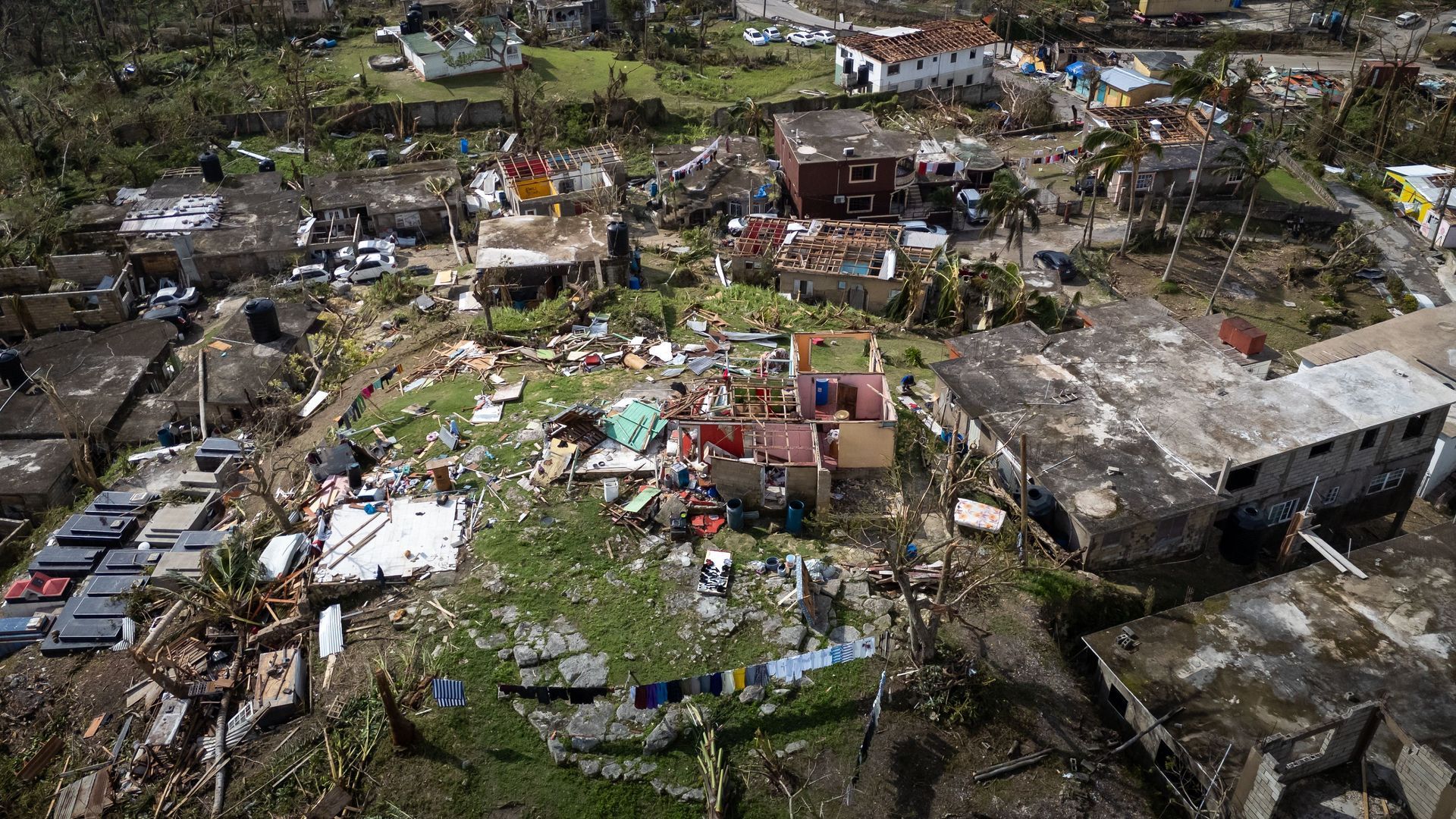
Even well-prepared homes can take damage in a direct hit. What you do in the first day after a storm passes through Jacksonville often determines whether a manageable repair becomes a months-long restoration project.
Document Before You Touch Anything
Walk the exterior carefully — watching for downed lines, unstable trees, and compromised structural sections — and photograph or video every visible point of damage. Do not enter rooms with sagging ceilings, standing water, or visible structural failure until a licensed contractor clears them. Your insurance claim depends on documentation taken before cleanup begins.
Water Intrusion Is the Clock
In Northeast Florida's subtropical climate, wet building materials create conditions for mold growth quickly — which is why speed of extraction matters as much as the extraction itself. The immediate steps for protecting your home after water intrusion are covered in our guide to preventing mold growth after water damage. The short version: begin drying immediately, and if you can't do it yourself, call a licensed restoration contractor the same day.
For a full breakdown of the restoration process — from the initial call through final inspection — our emergency water damage restoration guide covers timelines and cost expectations for the Jacksonville market.
Know Who to Call — and Who to Avoid
Post-storm, unlicensed "storm chasers" are a documented problem in Florida. Verify any contractor's license at the Florida Department of Business and Professional Regulation before signing anything. Sunshine State Pro holds CGC: 1526737 — licensed, insured, and bonded — and serves Jacksonville, Ponte Vedra, Fernandina Beach, Nocatee, St. Augustine, and the surrounding counties. Request a post-storm assessment through our site.
If you've been thinking about structural improvements — like adding a hurricane-resistant accessory dwelling unit to your property — those projects are built to current Florida Building Code wind-load standards and integrate seamlessly with the structural prep work above.
Frequently Asked Questions
When is the best time to start hurricane prep in Jacksonville?
Now. Hurricane season runs June 1 through November 30, with peak activity typically from mid-August through mid-October. Contractor schedules fill fast by late July, and hardware stores sell out of shutters and generators before a watch is even posted. Starting in June gives you the maximum runway to handle structural items, complete any permit-required work, and apply for programs like My Safe Florida Home before the program funding cycle closes.
Does standard homeowner's insurance cover hurricane damage in Florida?
Standard homeowner's policies in Florida typically cover wind damage but apply a separate, higher hurricane deductible — often 2–5% of the insured dwelling value rather than a flat dollar amount. Storm surge flooding is almost never covered by a standard HO policy; that requires separate flood insurance through the NFIP or a private carrier. Review your declarations page now and confirm your coverage limits reflect your current home value. Do not wait until a storm is in the forecast.
How do I find my Jacksonville flood zone?
Enter your address at FEMA's Flood Map Service Center — it's free and authoritative. The City of Jacksonville's JaxReady.com provides zone-based preparedness guidance specifically for Northeast Florida residents.
How long does storm damage restoration typically take?
Minor wind damage and small water intrusion events are often resolved in one to three weeks. Significant structural damage, widespread water intrusion requiring drying and demolition, or mold remediation can extend timelines to two to four months — particularly when insurance claims and permit pulls are part of the process. The faster you engage a licensed contractor after the storm, the shorter that timeline tends to be.