Hurricane-Resistant ADU Construction: What Jacksonville Homeowners Need
Building an Accessory Dwelling Unit (ADU) in Jacksonville means preparing for one of Florida's most significant environmental challenges: hurricanes. As coastal residents know all too well, hurricane season brings the very real possibility of powerful winds, torrential rain, storm surge, and flying debris that can devastate unprepared structures. When you're investing substantial resources into an ADU, whether for rental income, family living, or property value enhancement, ensuring it can withstand these extreme weather events isn't just prudent—it's essential for protecting your investment and keeping occupants safe.
Hurricane-resistant construction goes far beyond basic building code compliance. While Jacksonville's building codes establish minimum standards designed to provide baseline protection, truly resilient ADUs incorporate additional structural reinforcements, superior materials, and thoughtful design choices that significantly exceed these minimums. Understanding what makes an ADU hurricane-resistant, from foundation to roof and everything in between, empowers homeowners to make informed decisions that could mean the difference between minor repairs and catastrophic damage after a major storm. This comprehensive guide explores the critical elements of hurricane-resistant ADU construction specifically for Jacksonville properties, helping you build a structure that stands strong when the next big storm inevitably arrives.
1. Understanding Jacksonville's Hurricane Risk Profile
Jacksonville occupies a unique position along Florida's northeast coast that creates specific hurricane vulnerabilities homeowners must understand when planning ADU construction. The city sits at the mouth of the St. Johns River, which flows northward and creates complex flooding dynamics during hurricanes when storm surge pushes seawater upstream while heavy rainfall simultaneously flows downstream. This dual-direction water threat makes flooding particularly dangerous in many Jacksonville neighborhoods, especially those near the river, its tributaries, and low-lying coastal areas.
Historical hurricane data reveals that Jacksonville faces threats from multiple hurricane tracks. Storms approaching from the Atlantic can bring devastating storm surge to beaches and coastal neighborhoods, while hurricanes making landfall to the south and tracking northward can bring extreme winds and inland flooding. The most memorable recent impact came from Hurricane Irma in 2017, which caused significant flooding along the St. Johns River despite the storm's center passing well to the south. Earlier, Hurricane Matthew in 2016 brought storm surge that flooded coastal areas and caused widespread damage. These events demonstrate that Jacksonville faces hurricane threats even when storms don't make direct landfall nearby.
Wind speed expectations vary significantly across Jacksonville based on location and exposure. Coastal areas typically face higher wind loads than inland neighborhoods, while properties with significant tree coverage may experience increased risk from falling branches and toppled trees even if wind speeds are somewhat reduced by the tree canopy. Jacksonville building codes currently require new construction to withstand sustained winds of 130-150 mph depending on the specific location and height of the structure, with additional requirements for wind-borne debris protection in areas designated as wind-borne debris regions, which includes most of coastal Jacksonville.
Flood risk assessment requires understanding your property's specific elevation and flood zone designation. FEMA flood maps classify properties into zones indicating their relative flood risk, with coastal areas and properties near water bodies facing the highest risk. However, these maps were created based on historical data and may not fully account for changing climate patterns, sea level rise, and recent development that has altered drainage patterns. Many Jacksonville properties that traditionally didn't flood have experienced flooding in recent years, making it prudent to design ADUs with flood resilience even if current maps suggest minimal risk. Understanding these multiple threat factors—wind, storm surge, riverine flooding, and rainfall-driven flooding—provides the foundation for making informed hurricane-resistant construction decisions.
2. Foundation Design for Flood Resilience
The foundation represents your ADU's first line of defense against flooding, and the design choices you make at this fundamental level significantly impact the structure's ability to survive hurricanes. In flood-prone areas of Jacksonville, elevated foundations raise the living space above anticipated flood levels, preventing water from entering the habitable portions of the ADU even when surrounding areas flood. The most common elevated foundation types include pier and beam foundations, stem wall foundations with crawl spaces, and pile foundations that drive deep into the ground for both elevation and wind resistance.
Pier and beam foundations elevate the ADU on concrete or masonry piers that support the floor system above expected flood levels. This design allows water to flow underneath the structure during flooding rather than entering the living space. The height of elevation depends on your property's flood zone designation and base flood elevation (BFE), with many Jacksonville properties requiring elevation of at least two feet above the BFE to qualify for reasonable flood insurance rates. Pier spacing, size, and reinforcement must be carefully engineered to support not just the weight of the structure but also to resist uplift and lateral forces from hurricane winds.
Pile foundations drive steel, concrete, or treated timber piles deep into the ground until they reach stable soil or bedrock, then extend upward to support the ADU floor system. This foundation type provides superior resistance to both flooding and wind uplift compared to shallow foundations, making it particularly valuable in coastal Jacksonville areas where both threats are significant. Helical piles, which screw into the ground like large screws, have become increasingly popular for ADU construction because they install quickly, work well in challenging soil conditions common near rivers and coast, and provide exceptional holding power against uplift forces.
Breakaway walls represent a critical design element for elevated ADUs in high-risk flood zones. These walls enclose the space below the elevated floor, providing storage or parking while designed to collapse and wash away during flooding rather than resisting water flow. If the enclosed area below an elevated ADU is too strong and doesn't break away, rising water creates immense pressure that can lift or topple the entire structure. Breakaway walls must be constructed with specific materials and connection methods that meet code requirements for intentional failure at appropriate water levels, protecting the elevated structure above.
Slab-on-grade foundations, where the ADU sits directly on a concrete slab at ground level, are appropriate only for properties with minimal flood risk. However, even these foundations benefit from elevating several inches above surrounding grade and incorporating proper drainage systems that direct water away from the structure. Proper site grading ensures water flows away from the foundation in all directions, while perimeter drains collect and channel water to appropriate discharge points. For Jacksonville properties with any flood risk, the additional cost of elevation almost always proves worthwhile compared to the potential for flood damage to an at-grade structure.
3. Structural Framing and Wind Resistance
The structural framing system determines how well your ADU resists the extreme lateral and uplift forces hurricanes generate. While gravity loads—the downward forces from the building's weight and contents—are relatively straightforward to design for, hurricane winds create complex loading patterns that try to push the building sideways, lift the roof off, and rack the walls. Hurricane-resistant framing requires careful attention to load paths, which is how forces transfer through the structure from roof to foundation, and to connections, which is how individual framing members attach to each other and to the foundation.
Continuous load path represents the most critical concept in hurricane-resistant framing. Every structural element must connect to the elements above and below it in ways that effectively transfer wind loads from the roof where they're applied down through the walls and into the foundation. Weak links anywhere in this chain can lead to catastrophic failure. Metal connector hardware—hurricane ties, straps, clips, and hold-downs—creates these critical connections between roof trusses and walls, walls and floors, and floors and foundations. Using the correct hardware properly installed and inspected represents one of the most cost-effective ways to dramatically improve hurricane resistance.
Engineered lumber products often outperform traditional dimensional lumber in hurricane conditions. Laminated veneer lumber (LVL), glued laminated timber (glulam), and engineered I-joists provide more consistent strength properties than solid wood, which can have knots, grain irregularities, and moisture content variations that create weak points. These engineered products also resist twisting and warping better than dimensional lumber, maintaining the structural integrity of connections even as the building moves during high winds. While engineered lumber costs more upfront, its superior performance often justifies the investment for critical applications like ridge beams, headers over large openings, and floor girders.
Wall bracing resists the lateral (sideways) forces that try to rack the building during hurricanes. Traditional wood-framed walls rely on structural sheathing—plywood or oriented strand board (OSB) properly nailed to studs—to provide this bracing. However, hurricane-resistant construction benefits from upgrading to thicker sheathing (½-inch minimum, preferably ⅝-inch or ¾-inch), using shorter nail spacing than minimum code requirements, and possibly incorporating additional bracing elements like steel strap bracing or structural panels with enhanced connection details. Corner bracing deserves special attention since these areas experience particularly high stresses during wind events.
Roof framing requires exceptional attention since roofs experience the highest wind loads and roof failures often trigger cascading damage throughout the structure. Hip roofs, which slope in all four directions to a ridge, perform significantly better in hurricanes than gable roofs, which have vertical end walls that catch wind like sails. If a gable roof is preferred for aesthetic reasons, the gable ends require substantial bracing and proper connection to the roof framing system. Roof trusses or rafters must connect to wall top plates with hurricane ties rated for the expected wind loads, with connections that typically incorporate multiple nails or screws driven at specific angles and depths. The roof sheathing must attach to trusses or rafters with a specific nail pattern, typically 6 inches on center along panel edges and 12 inches on center in the field, using nails of appropriate length and diameter.
4. Roofing Materials and Wind Uplift Resistance
The roof covering represents your ADU's most vulnerable element during hurricanes, and selecting appropriate materials with proper installation details is crucial for storm survival. Asphalt shingles remain the most common roofing material in Jacksonville, but not all shingles perform equally in hurricane conditions. Standard three-tab shingles have largely been replaced by architectural (dimensional) shingles that offer better wind resistance, with many products rated for winds up to 110-130 mph when properly installed. However, achieving these ratings requires following manufacturer installation specifications exactly, including proper nail placement, quantity, and type.
Metal roofing has gained popularity for hurricane-prone areas because properly installed metal roofs can withstand extreme winds better than most other materials. Standing seam metal roofs, where panels interlock and fasten to the roof deck with concealed clips, provide excellent wind resistance because wind cannot get underneath the roofing material to lift it. Exposed fastener metal roofs, where screws penetrate through the panels into the roof deck, are less expensive but potentially more vulnerable since wind-driven rain can infiltrate around fasteners and the fasteners themselves can loosen over time. Metal roofing also provides superior impact resistance compared to asphalt shingles, though hail can dent metal panels without compromising their weather-tightness.
Concrete and clay tile roofs offer exceptional durability and wind resistance when installed with the proper attachment systems. Individual tiles must mechanically fasten to the roof deck rather than simply laying in place held by mortar, which was common in older installations but doesn't meet current hurricane standards. Modern tile installation systems use wires, clips, or foam adhesive in addition to mechanical fasteners to ensure tiles remain attached during extreme winds. Tile roofs are heavy, requiring stronger structural framing than lighter roofing materials, but this weight actually helps resist uplift during hurricanes. The expense of tile roofing limits its use on small ADUs, but it's worth considering for homeowners prioritizing long-term durability and low maintenance.

Underlayment serves as a critical secondary water barrier beneath the roofing material, and hurricane-resistant construction demands upgraded underlayment materials. Traditional asphalt-saturated felt (tar paper) has been superseded by synthetic underlayments that resist tearing, remain waterproof even when roof covering is damaged or lost, and seal around fasteners to prevent water infiltration. Self-adhering modified bitumen membranes provide the ultimate protection, literally gluing themselves to the roof deck and creating a fully bonded waterproof layer that remains in place even if all roofing material blows off. Many Jacksonville jurisdictions now require these premium underlayments in coastal areas or for all new construction regardless of location.
Roof edge details deserve careful attention since wind uplift forces concentrate at roof edges and corners. Metal drip edge installed over underlayment at rakes (sloped edges) and under underlayment at eaves (horizontal bottom edges) provides critical protection that prevents wind from getting under roofing materials. Starter strips along eaves and rakes create a proper seal for the first course of shingles. Ridge vents and other roof penetrations must use products specifically rated for high-wind conditions and installed according to manufacturer requirements that exceed typical practice. Every roof penetration—vents, pipes, skylights, chimneys—represents a potential water infiltration point during hurricanes, making proper flashing and sealing essential. When you're ready to ensure your ADU incorporates these critical roofing details and hurricane-resistant construction techniques, Sunshine State Services brings extensive experience building structures designed to withstand Jacksonville's harsh storm environment.
5. Impact-Resistant Windows and Doors
Windows and doors represent the most common points of hurricane failure in residential structures. When these openings fail, wind enters the building and dramatically increases internal pressure, which can lift roofs off and blow out walls. This is why building codes in Jacksonville's wind-borne debris regions require impact-resistant protection for all windows and doors. Homeowners have two primary options: impact-resistant products or separate storm shutters, each with distinct advantages and considerations for ADU applications.
Impact-resistant windows and doors incorporate laminated glass similar to automobile windshields, with a tough plastic interlayer sandwiched between two layers of glass. When struck by debris during a hurricane, the outer glass layer may crack, but the plastic interlayer holds the glass together and maintains the window's integrity, keeping wind and rain outside. These products are tested by firing two-by-four wooden projectiles at them at speeds up to 50 feet per second (about 34 mph), simulating wind-borne debris impacts. Impact-resistant products also typically include reinforced frames and heavy-duty hardware designed to resist extreme wind pressures.
The advantages of impact-resistant windows and doors are significant for ADU applications. They require no action before a storm—no shutters to install, no panels to retrieve from storage, no last-minute preparations. This is particularly valuable for rental ADUs where tenants may not properly prepare traditional shutters, and for any situation where homeowners might be away when a hurricane threatens. Impact-resistant products also provide year-round benefits including enhanced security against break-ins, improved sound insulation, better energy efficiency with low-E coatings and gas fills, and UV protection that prevents fading of interior furnishings. Modern impact-resistant windows and doors are indistinguishable from standard products in appearance, avoiding the fortress-like aesthetic of visible shutters or the darkness of permanently installed storm panels.
Storm shutters provide an alternative approach that typically costs less than impact-resistant products initially but requires storage space and pre-storm installation effort. Several shutter types suit ADU applications. Accordion shutters permanently mount beside openings and unfold horizontally to cover windows when needed, offering excellent protection with relatively easy operation though their visible presence affects aesthetics. Roll-down shutters (also called rolling shutters) mount in a box above windows and lower vertically, operated manually or with electric motors. These provide excellent protection and can be nearly invisible when raised, though they're expensive—sometimes approaching the cost of impact-resistant windows. Colonial shutters and Bahama shutters offer traditional aesthetic appeal while providing storm protection, though they require more installation time than accordion or roll-down options. Removable panels made of aluminum, steel, or polycarbonate plastic offer the most economical hurricane protection but require storage space, significant installation labor before each storm, and marking systems to identify which panel fits which opening.
Entry doors require special consideration since they face extreme pressures during hurricanes and must resist both wind loads and impact. Residential entry doors in hurricane zones should be steel or fiberglass rather than wood, with reinforced frames, multi-point locking systems that engage at multiple points along the door frame, and impact-resistant glazing if they include glass panels or sidelights. The door jamb must attach to the wall framing with longer screws than typical residential practice (often 3-inch screws into solid framing), and the threshold must provide a weathertight seal. Sliding glass doors present particular challenges because of their large glazed areas and operation systems that can fail under pressure, making impact-resistant sliding doors with multi-point locks essential for hurricane protection.
Garage doors, if your ADU design includes a garage or covered parking area, are particularly vulnerable to hurricane damage. Residential garage doors must meet wind load ratings appropriate for Jacksonville's wind speeds, typically requiring reinforcement struts, upgraded tracks and hardware, and possibly a bracing system installed before storms. Some newer garage door designs incorporate impact-resistant glazing and enhanced wind bracing in their standard construction. Garage door failure frequently causes catastrophic building damage because the large opening allows tremendous wind volume to enter the structure, dramatically increasing internal pressure. This makes properly rated, maintained, and possibly reinforced garage doors a critical element of overall hurricane resistance.
6. Exterior Wall Systems and Cladding
Exterior walls must resist both wind pressure trying to push them inward and wind suction trying to pull them outward, while also keeping water out during wind-driven rain that can penetrate even small gaps in building assemblies. The wall system includes the structural framing, sheathing, weather-resistant barrier, and exterior cladding, each playing essential roles in hurricane performance. Attention to all layers and their integration creates walls that remain weathertight and structurally sound even during extreme storms.
Wall sheathing—typically plywood or oriented strand board (OSB)—provides structural bracing that resists lateral wind loads while also serving as the attachment substrate for exterior cladding. Hurricane-resistant construction benefits from thicker sheathing (⅝-inch minimum) properly attached with nails spaced more closely than standard practice. Panel edges must land on framing members and nail into solid wood. Sheathing joints should stagger between stories rather than aligning vertically, which would create a weak plane. Some hurricane-prone regions have adopted engineered wall sheathing systems specifically designed for extreme wind resistance, incorporating proprietary attachment methods and materials optimized for lateral load transfer.
The weather-resistant barrier (WRB), installed over sheathing before exterior cladding, prevents water that passes through cladding from entering the wall cavity while allowing water vapor to escape from inside the wall. Traditional building paper (felt paper) has been largely replaced by housewrap products or fluid-applied membranes that provide superior water resistance and air sealing. Hurricane-resistant details require careful attention to WRB installation at windows and doors, where flashing must properly integrate with the WRB to direct water outward rather than allowing it to run behind cladding and into wall cavities. Tape systems specifically designed for housewrap products seal seams and repairs more effectively than generic tape, maintaining the continuous water-resistant layer essential for keeping walls dry during wind-driven rain.
Exterior cladding selection impacts both aesthetic appeal and hurricane performance. Fiber cement siding has become increasingly popular in Jacksonville for its combination of durability, wind resistance, and appearance. Products like James Hardie and Allura fiber cement siding resist impact damage, won't rot or attract termites, remain dimensionally stable in Florida's humidity, and when properly installed with corrosion-resistant fasteners and appropriate clearances, perform well in hurricanes. Vinyl siding, while economical and low-maintenance, can crack under impact and may pull loose in extreme winds despite proper installation. Higher-quality vinyl products with thicker materials and improved locking mechanisms perform better than economy-grade products, making material selection important even within a single cladding type.
Stucco represents a traditional Florida exterior finish that provides good durability when properly applied over appropriate substrates. Modern stucco systems incorporate drainage planes between stucco and sheathing, preventing water that penetrates the stucco from saturating the wall sheathing. Three-coat stucco systems applied over metal lath provide more impact resistance and crack resistance than single-coat synthetic stucco systems, though both can perform well when properly installed and maintained. Stucco damage from hurricanes typically involves surface cracking from building movement during wind events or impact damage from flying debris. Properly installed drainage planes ensure these surface damages don't lead to water infiltration that could rot framing or grow mold in wall cavities.
Brick veneer provides excellent durability and impact resistance but requires careful engineering for hurricane zones. Brick veneer in high-wind regions needs more frequent and stronger ties connecting the brick to the structural wall behind it than standard construction practice. The air gap behind brick veneer must include weep holes and proper flashing to drain water that penetrates the brick face, preventing water accumulation that could damage the wall system. While expensive, brick veneer offers very low maintenance and excellent longevity, potentially justifying its cost for homeowners planning to keep their properties long-term. The weight of brick veneer requires engineered foundation support adequate for the additional load.
7. Mechanical Systems and Utilities Protection
Mechanical systems—HVAC equipment, water heaters, and electrical panels—require protection from flooding and wind damage to ensure the ADU remains functional after hurricanes and to prevent expensive equipment replacement. Equipment placement decisions made during initial design significantly impact vulnerability to storm damage and the cost of achieving adequate protection. Elevating mechanical equipment above expected flood levels and securing it against wind forces should be standard practice in Jacksonville ADU construction.
HVAC equipment traditionally installed on ground-level slabs or low platforms is vulnerable to flooding that can destroy compressors, fans, and controls even when water depth is relatively shallow. Elevating outdoor HVAC units on platforms at least two feet above expected flood levels (higher in designated flood zones) protects this expensive equipment while maintaining service accessibility. The platform must be engineered to support equipment weight and resist both uplift from wind and overturning forces. Concrete platforms poured on elevated piers, steel platforms welded to driven piles, or composite platforms specifically designed for equipment mounting all provide appropriate solutions. The equipment must bolt to the platform with corrosion-resistant fasteners sized to resist calculated wind loads rather than minimal code requirements.
Alternative HVAC configurations eliminate the outdoor condensing unit entirely. Mini-split systems mount the outdoor component high on the wall under eaves where flooding doesn't reach and wind exposure is reduced compared to ground-level locations. Package terminal air conditioners (PTACs), similar to hotel room units, install through exterior walls above flood levels and provide heating and cooling without separate outdoor equipment. While these systems may have higher initial costs than traditional split systems, the protection they provide from flooding and the reduced installation complexity in elevated ADUs often justify the expense. Indoor air handler units should mount in closets or utility rooms within the living space, never in crawlspaces or below-floor areas that could flood.
Water heaters must also elevate above flood levels, which poses challenges since traditional tank water heaters are heavy when full and their platforms must support this weight. Mounting tank water heaters on elevated platforms in utility closets protected from flood water ensures continued operation after storms. The platforms must adequately brace against earthquakes and high winds even though Jacksonville faces minimal seismic risk, since building codes apply seismic bracing requirements throughout much of Florida. Tankless water heaters offer advantages in ADU applications due to their compact size, wall-mounting capability that keeps them above flood risk, and unlimited hot water capacity from small footprint. Electric or gas tankless units must be appropriately sized for peak demand, as undersized units cannot maintain adequate water temperature when multiple fixtures operate simultaneously.
Electrical panels should mount inside the ADU in locations protected from water entry, typically in closets or utility areas. Panel locations must comply with code requirements for clearances and accessibility while remaining above expected flood levels. The main breaker and sub-panel for an ADU fed from the main house electrical service must be clearly labeled and accessible for emergency disconnection. Ground fault circuit interrupter (GFCI) and arc fault circuit interrupter (AFCI) protection required by modern codes provides important safety benefits but must be properly installed to avoid nuisance tripping that could leave the ADU without power unnecessarily. Generator connection provisions, while not always included in initial construction, deserve consideration during design since adding them later is more difficult and expensive. A properly installed generator inlet and transfer switch allows connecting a portable generator to power critical circuits during extended outages common after hurricanes.
Plumbing systems must incorporate appropriate backflow prevention to ensure flood water or sewage cannot back up into the ADU through drains. Backwater valves in sewer lines close automatically when external water levels rise, preventing sewage backup that creates health hazards and extensive damage. These valves are especially important for ADUs with finished floor levels near or below sewer line levels. Water supply lines should use materials resistant to corrosion and chemical damage, with proper shutoff valves accessible for emergency water system isolation. Hose bibbs (outdoor faucets) mounted on exterior walls should include vacuum breakers or backflow preventers to protect potable water supply, and should be recessed or protected to minimize wind damage risk.
8. Proper Drainage and Site Grading
Even the most hurricane-resistant ADU structure can experience flooding problems if the site doesn't manage water properly. Proper grading directs surface water away from the building, while adequate drainage systems collect and convey water to appropriate discharge points. Site work is often overlooked during construction planning, but it's essential for preventing water infiltration during hurricanes and for everyday performance during Jacksonville's heavy summer thunderstorms that can drop several inches of rain in short periods.
Positive drainage away from the ADU foundation should extend at least 10 feet in all directions, with the ground sloping at minimum 5% (about 6 inches of drop over 10 feet) near the building. This slope directs water away from the foundation and prevents ponding near walls where water could infiltrate through any minor gaps in the building envelope. Creating this positive drainage often requires adding fill around the structure and compacting it properly to prevent settlement that could reverse the slope over time. The transition from sloped area near the ADU to existing site grades must blend naturally to avoid creating erosion problems or awkward landscape features. Landscaping plans should maintain these drainage slopes rather than creating planting beds or mulch areas that trap water near the foundation.
French drains, also called perimeter drains, consist of perforated pipe buried in gravel-filled trenches that intercept groundwater and subsurface flow, directing it away from the foundation. These drains typically install around the foundation perimeter, sloped to outlet at locations away from the building. The pipe must be properly sized for the expected water volume, wrapped in filter fabric to prevent soil from clogging perforations, and surrounded by clean gravel that allows water to flow freely. The outlet location must discharge water in a manner that doesn't create problems elsewhere on the property or on neighboring properties, potentially requiring connection to storm drains if available or construction of drainage swales or retention areas if not.
Gutters and downspouts play critical roles in managing roof water, preventing the concentrated discharge that occurs at roof edges from eroding soil and damaging foundation areas. Gutter systems in hurricane-prone areas must be properly secured with heavy-duty hangers spaced more closely than typical residential practice, and should incorporate downspouts sized adequately for the roof area they serve. Standard residential downspouts are often undersized for Jacksonville's heavy rains, leading to gutter overflow that defeats their purpose. Downspouts must extend at least 6-8 feet from the foundation or connect to underground drainage pipes that carry water well away from the building. Splash blocks alone typically don't provide sufficient distance to prevent foundation area saturation. Consider removing gutters before hurricanes or installing gutter covers that reduce clogging and improve wind resistance.
Hardscape surfaces—patios, walkways, driveways—must slope away from the ADU and direct water to appropriate collection points rather than allowing it to pond against building walls. Permeable paving materials allow water to infiltrate into the ground rather than creating runoff that overloads drainage systems, though these materials work best in areas without significant slope and in soils with adequate percolation rates. Retaining walls may be necessary where elevation changes are abrupt or where terracing is required to create level areas on sloped lots. These walls must be properly engineered to resist soil pressures behind them, especially when the soil becomes saturated during heavy rain. Failing retaining walls can shift and crack, creating drainage problems and potentially destabilizing structures built near them. Working with experienced professionals like Sunshine State Services ensures proper site grading and drainage systems that protect your ADU investment from water damage both during hurricanes and year-round.
9. Building Code Compliance and Permitting
Building codes establish minimum construction standards designed to provide basic life safety and structural integrity, including specific requirements for hurricane-prone regions that significantly exceed standards for inland areas without significant wind exposure. Jacksonville operates under the Florida Building Code (FBC), which is among the nation's most stringent codes for hurricane resistance following lessons learned from Hurricane Andrew in 1992 and subsequent storms. Understanding applicable codes and following proper permitting processes ensures your ADU meets minimum legal requirements while providing the opportunity to exceed these minimums for enhanced protection.
The Florida Building Code incorporates requirements from the International Residential Code (IRC) and International Building Code (IBC) with Florida-specific amendments that address hurricanes, flooding, and other hazards relevant to the state. Key provisions affecting ADU construction include wind speed requirements based on location (Jacksonville areas typically require design for 130-150 mph sustained winds), wind-borne debris protection requirements in designated regions that include most of coastal Jacksonville, flood-resistant construction requirements for structures in Special Flood Hazard Areas, and termite protection measures. The code also addresses energy efficiency, accessibility, fire safety, and numerous other aspects of construction. Code compliance is not optional—it's legally required and enforced through the permitting and inspection process.
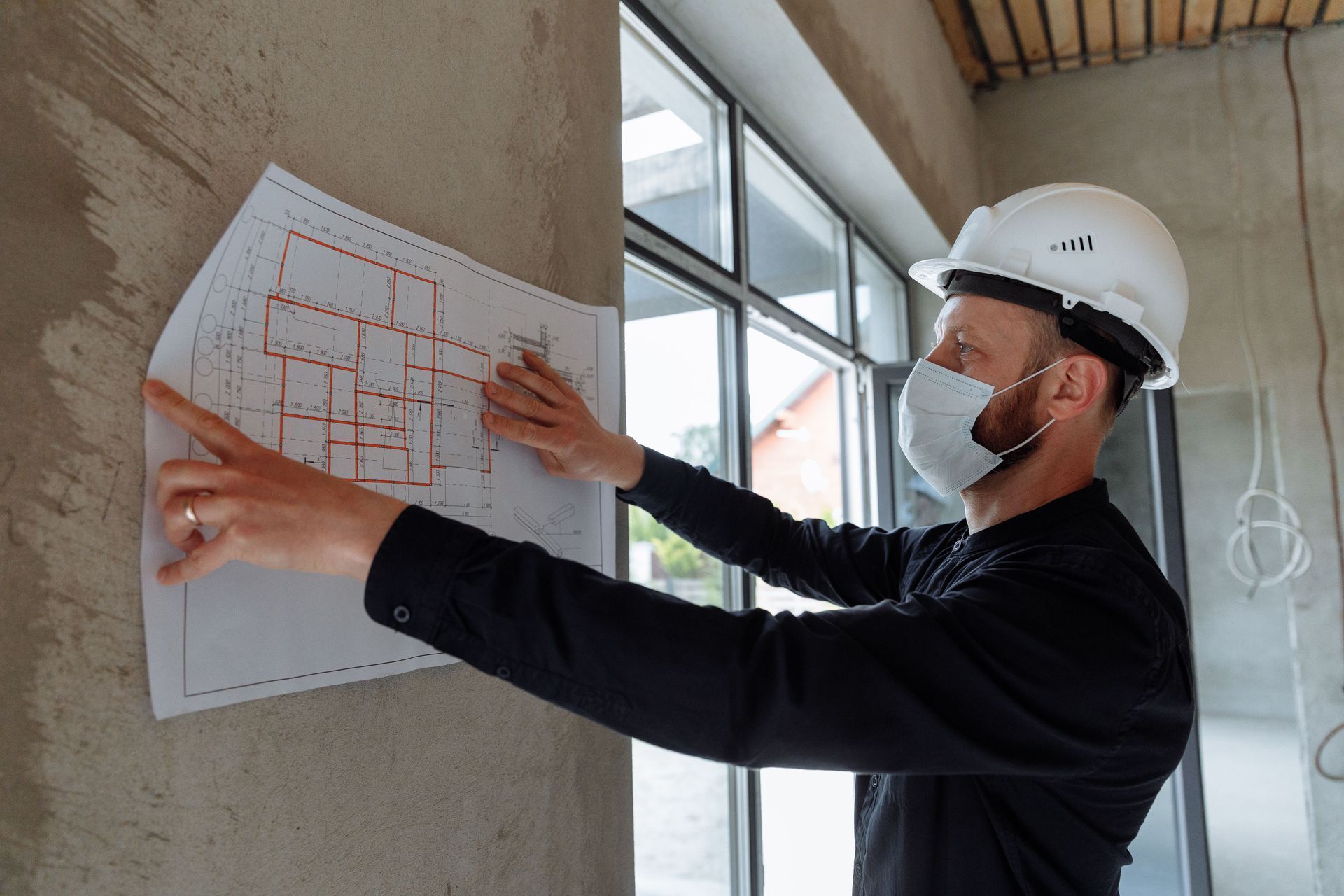
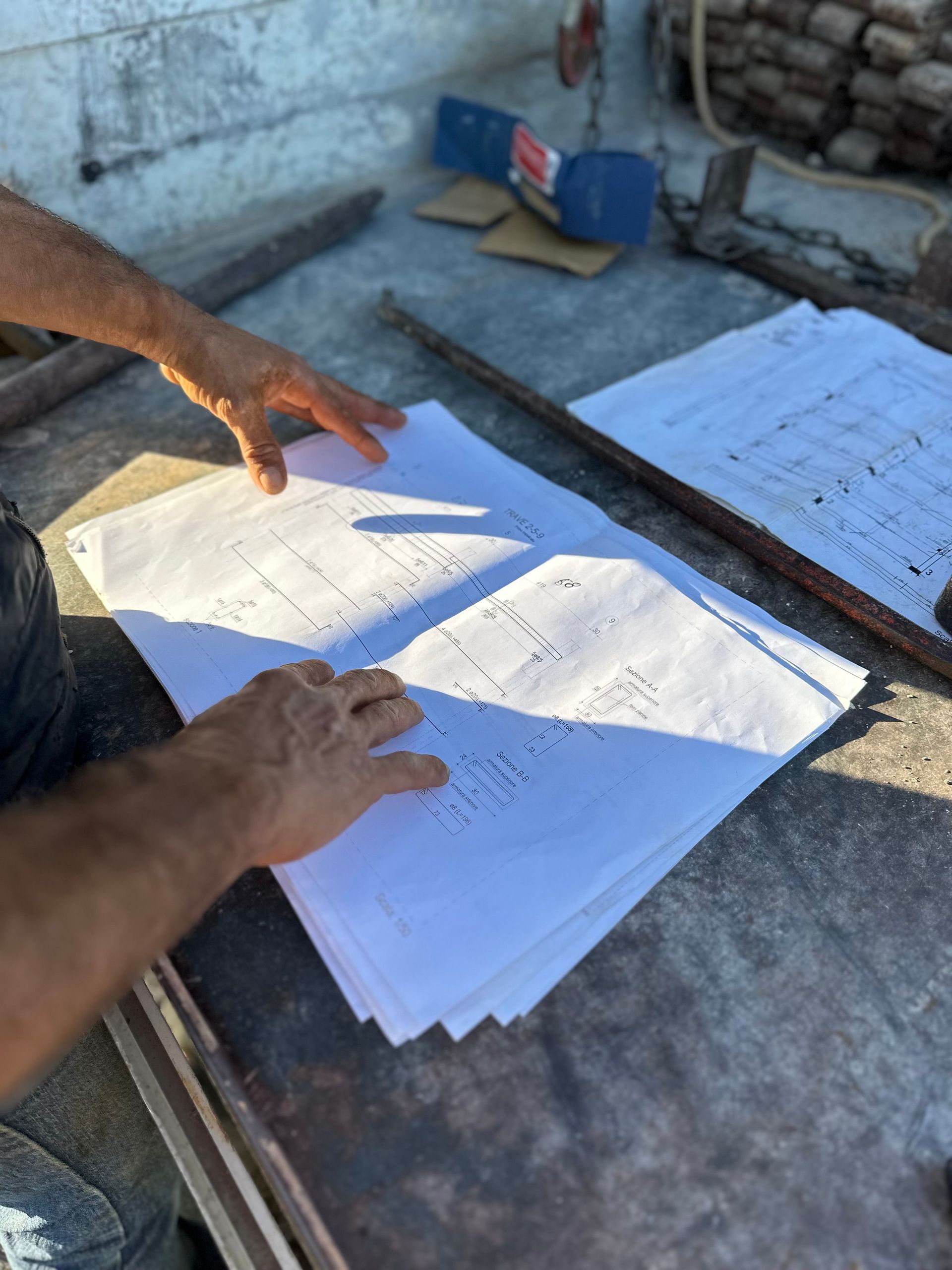
Obtaining building permits begins with submitting construction documents to Jacksonville's building department or the appropriate municipal authority if the property is within a city's jurisdiction. Required documents typically include a completed permit application, site plan showing the ADU location relative to property boundaries and existing structures with required setbacks dimensioned, foundation plan with details of foundation type and specifications, floor plan showing room layouts and dimensions, elevations showing exterior views of all sides, roof framing plan or truss layout, building sections showing construction details from foundation through roof, structural details for critical connections and reinforcements, and mechanical, electrical, and plumbing plans showing equipment locations and major system components.
For hurricane-resistant features, plan reviewers will scrutinize structural details to verify adequate load paths, appropriate connector hardware, proper sheathing and bracing, and other elements essential for wind resistance. Window and door schedules must show that all glazed openings include impact protection or provisions for storm shutters rated for the design wind speed. Foundation details must demonstrate adequate depth, reinforcement, and anchorage for the structure. Many municipalities now require structural engineering or architectural stamps on construction documents for ADUs beyond certain sizes or complexity, ensuring professional design oversight of structural systems. While this adds cost, the professional liability these design professionals assume provides confidence that structural designs meet or exceed code minimums.
Inspections occur at various stages of construction to verify code compliance before work is covered up. Typical inspection sequence includes footing inspection before concrete pour to verify excavation depth, rebar placement, and preparation meet plans; foundation inspection after forms are set but before concrete pour to verify reinforcement, anchor bolt placement, and form work; rough framing inspection after framing is complete but before insulation and drywall to verify framing dimensions, connector hardware, sheathing, and structural components; rough mechanical, electrical, and plumbing inspections after systems are installed but before covering to verify proper installation, sizing, and code compliance; insulation inspection verifying proper type, thickness, and installation of insulation; and final inspection verifying completed construction complies with approved plans and all previous inspection corrections are completed. The building department issues a certificate of occupancy after final inspection approval, legally allowing the ADU to be occupied.
Code compliance doesn't guarantee perfect performance during hurricanes—it establishes minimum acceptable standards. Homeowners seeking enhanced protection can and should exceed code minimums in critical areas. Using connector hardware rated for higher loads than minimum requirements, selecting roofing materials and windows rated for winds exceeding design speeds, elevating the structure higher than minimum flood requirements, and implementing redundant water-resistant barriers are all examples of prudent upgrades that exceed code minimums. These enhancements typically add modest cost during initial construction—far less than repairing or rebuilding after storm damage to a minimally-compliant structure.
10. Preparing Your ADU for Hurricane Season
Even the most hurricane-resistant ADU requires preparation before tropical systems threaten Jacksonville. While impact-resistant windows and doors eliminate some traditional preparation tasks, other important steps remain to ensure your ADU is as protected as possible when storms approach. Developing a hurricane preparedness checklist and completing tasks before storm watches or warnings are issued reduces stress and ensures nothing is overlooked during the hectic period before landfall when everyone is preparing simultaneously and supplies become scarce.
Exterior inspection should occur annually before hurricane season begins in June, identifying maintenance needs and potential hazards. Walk around the ADU looking for loose or damaged siding, cladding, or trim that could become wind-borne debris. Inspect the roof for missing, loose, or damaged shingles or tiles that should be repaired. Check that gutters and downspouts are securely attached and clear of debris. Examine windows and doors for gaps in caulking or weatherstripping that should be sealed. Tree branches overhanging the ADU or near enough to fall on it during high winds should be trimmed back (this is year-round maintenance, not last-minute hurricane preparation). Remove any items from around the ADU that could become projectiles—trash cans, lawn furniture, potted plants, decorations, tools, children's toys. These items must either move inside or be secured so wind cannot move them.
If your ADU uses storm shutters rather than impact-resistant openings, pre-storm is the time to install them. For accordion shutters, this is relatively quick—just unfold them and latch. For removable panels, this requires retrieving panels from storage, matching them to their marked windows, and securing them with wing nuts or other fasteners. This is time-consuming physical labor that should not wait until the day before expected impacts, especially since you may need to install shutters on your primary residence as well. If you use roll-down shutters, verify motors function properly if they're motorized, or test the manual operation mechanism if not. For any shutter system, test it well before hurricane season to identify maintenance needs or missing parts when you have time to address them rather than discovering problems when it's too late.
Generator preparation includes testing operation, performing oil changes if needed, and ensuring adequate fuel supply is available. Portable generators must be set up in appropriate locations outside and away from buildings to prevent carbon monoxide accumulation. Never operate generators inside any structure, in garages, or near windows or vents where exhaust could enter occupied spaces. Proper generator setup includes connecting to an approved transfer switch or using properly rated extension cords to power specific appliances, never backfeeding power through outlets which can energize utility lines and electrocute utility workers. Transfer switches allow safely powering specific circuits from the generator, automatically disconnecting from utility power to prevent backfeeding.
Document your ADU's condition with photographs or video taken from multiple angles before hurricanes threaten. This documentation helps with insurance claims if damage occurs, providing proof of pre-storm condition. Photograph all sides of the exterior, rooms on the interior, and any valuable contents. Store this documentation somewhere safe—ideally off-site such as in cloud storage or with family members away from the area. Waiting until after damage occurs to document conditions for insurance purposes is too late—insurers need to see pre-damage condition to assess what resulted from the storm versus what pre-existed.
If evacuating is necessary, secure the ADU by closing all windows and doors, turning off utilities at shutoffs (except leave electricity on if you want refrigerator/freezer to continue running or other systems to function), and moving any remaining valuable items away from windows and exterior walls where wind-driven rain or debris is most likely to enter if the building envelope is breached. If your ADU is occupied by renters or family members, ensure they know the evacuation plan and what preparation steps they're responsible for completing.
After the storm passes, initial assessment should occur from a distance before approaching the ADU closely. Look for obvious structural damage, downed power lines, gas leaks, or hazardous conditions that make it unsafe to enter. If significant damage is apparent or utilities may be compromised, wait for professional assessment before entering. Document any damage with photographs before making temporary repairs or moving debris. Contact your insurance company promptly to report damage and begin the claims process. Make temporary repairs to prevent further damage—covering roof openings with tarps, boarding broken windows, extracting standing water—but don't make permanent repairs until the insurer inspects and approves them.
Building a Resilient Future for Your Property
Constructing a hurricane-resistant ADU in Jacksonville requires more than just meeting minimum building codes—it demands thoughtful planning, quality materials, skilled craftsmanship, and attention to countless details that collectively determine how well the structure performs when the next major storm arrives. The investment in enhanced hurricane resistance protects not just the physical structure but also the financial investment it represents, the safety of its occupants, and the peace of mind that comes from knowing your property can withstand extreme weather events that are inevitable in Florida's coastal environment.
The elements explored in this guide—elevated foundations, reinforced structural framing, impact-resistant openings, proper roof systems, protected mechanical equipment, and adequate drainage—work together as an integrated system. Weakness in any single element can compromise overall performance, which is why comprehensive approaches to hurricane resistance deliver better protection than isolated improvements. When planning your ADU project, consider hurricane resistance not as an optional upgrade but as a fundamental design requirement that influences every aspect of construction from initial site work through final finishes.
The costs of hurricane-resistant construction are significant but need to be evaluated against the costs of storm damage, disrupted rental income, temporary housing if damage renders the ADU uninhabitable, increased insurance premiums over the life of the structure, and the intangible impacts of stress and disruption that major damage creates. Many hurricane-resistant features add relatively modest incremental costs during initial construction—perhaps 10-20% over standard construction—but provide enormous value by potentially preventing total loss during catastrophic storms. Insurance premium savings for hurricane-resistant features can offset some of these costs over time, though the primary value is in avoided damage and maintained functionality.
Climate change and sea level rise suggest that Jacksonville's hurricane risks may increase in coming decades, making investments in resilience even more valuable. Building your ADU to exceed current minimum standards provides a margin of safety that may prove essential as storms potentially intensify and flood risks expand into areas currently considered lower risk. Future-proofing your investment through enhanced hurricane resistance protects your property value and maintains the functionality of your ADU even as environmental conditions evolve.
Professional guidance throughout the design and construction process is invaluable for achieving true hurricane resistance. While well-intentioned DIY efforts or budget contractors may produce structures that superficially appear adequate, the details that distinguish truly resilient construction from minimally compliant buildings require experience and expertise. From site selection and foundation design through final roof installation and equipment placement, decisions made by knowledgeable professionals who understand Jacksonville's specific threats and how to address them can mean the difference between minor repairs and catastrophic damage after the next big hurricane.
When you're ready to build an ADU that will stand strong through Jacksonville's hurricanes, Sunshine State Services brings the experience, expertise, and commitment to quality that hurricane-resistant construction demands. From initial planning and permitting through final construction and inspection, we ensure every detail meets or exceeds the standards necessary to protect your investment and keep occupants safe when storms strike. Your ADU represents a significant investment in your property and your future—building it to truly resist hurricanes provides the protection and peace of mind that investment deserves.