ADU vs. Home Addition: Which is Right for Your Jacksonville Property?
As Jacksonville homeowners seek creative solutions to maximize their living space, two popular options consistently rise to the top: Accessory Dwelling Units (ADUs) and traditional home additions. Whether you're accommodating a growing family, creating rental income opportunities, or simply need more room to breathe, understanding the distinctions between these two expansion strategies is crucial for making the right investment in your property.
At Sunshine State Professional Services, we've helped countless Jacksonville homeowners navigate this important decision. With years of experience in both ADU construction and home additions throughout Northeast Florida, we understand the unique considerations that local property owners face. Let's explore the key differences, benefits, and drawbacks of each option to help you determine which solution best fits your needs, budget, and lifestyle.
1. Understanding ADUs: Independent Living Spaces
An Accessory Dwelling Unit, commonly known as an ADU, is a self-contained residential structure located on the same lot as your primary home. These versatile units go by many names including granny flats, in-law suites, backyard cottages, or carriage houses. What distinguishes ADUs from simple additions is their complete independence—they feature their own entrance, kitchen, bathroom, and living areas, functioning as entirely separate dwellings.
In Jacksonville's diverse neighborhoods, from Riverside's historic districts to the suburban expanses of Mandarin and Ponte Vedra, ADUs have gained tremendous popularity. Florida's favorable climate makes year-round outdoor living enjoyable, and many homeowners appreciate the flexibility that a detached or attached ADU provides. These structures typically range from 400 to 1,200 square feet, offering enough space for comfortable living without overwhelming your property.
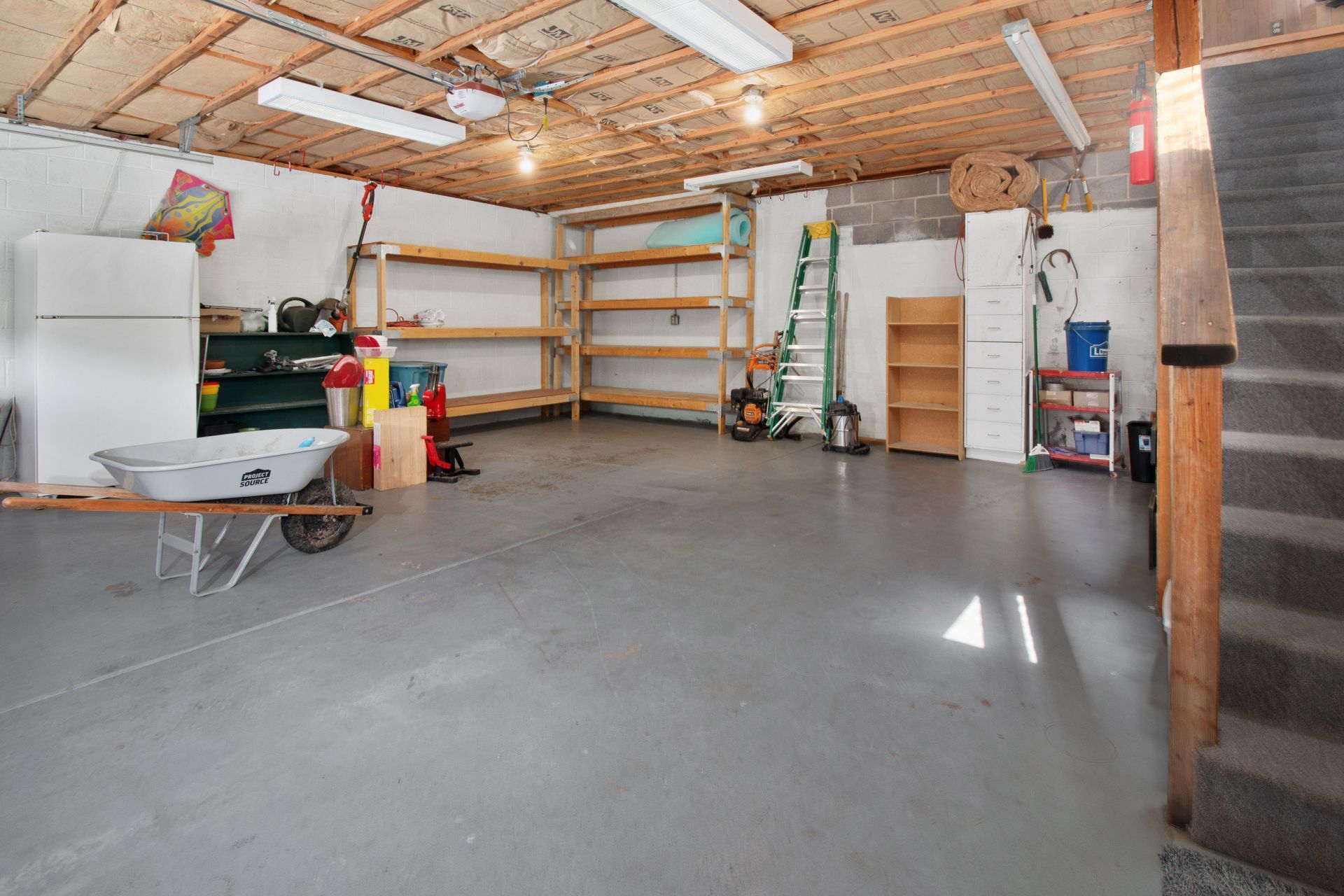
ADUs come in three primary configurations: detached units that stand alone in your backyard, attached units that connect to your main house but maintain separate entrances, and garage conversion ADUs that transform existing structures into livable spaces. Each type offers unique advantages depending on your lot size, existing structures, and intended use. The key characteristic that sets ADUs apart is their ability to function as completely independent living quarters, making them ideal for rental income, multigenerational living, or guest accommodations.
2. Traditional Home Additions: Expanding Your Main Living Space
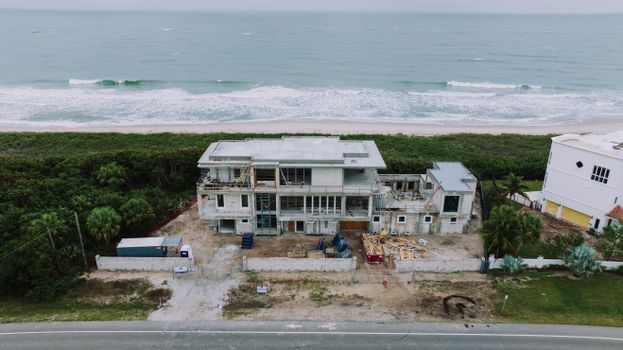
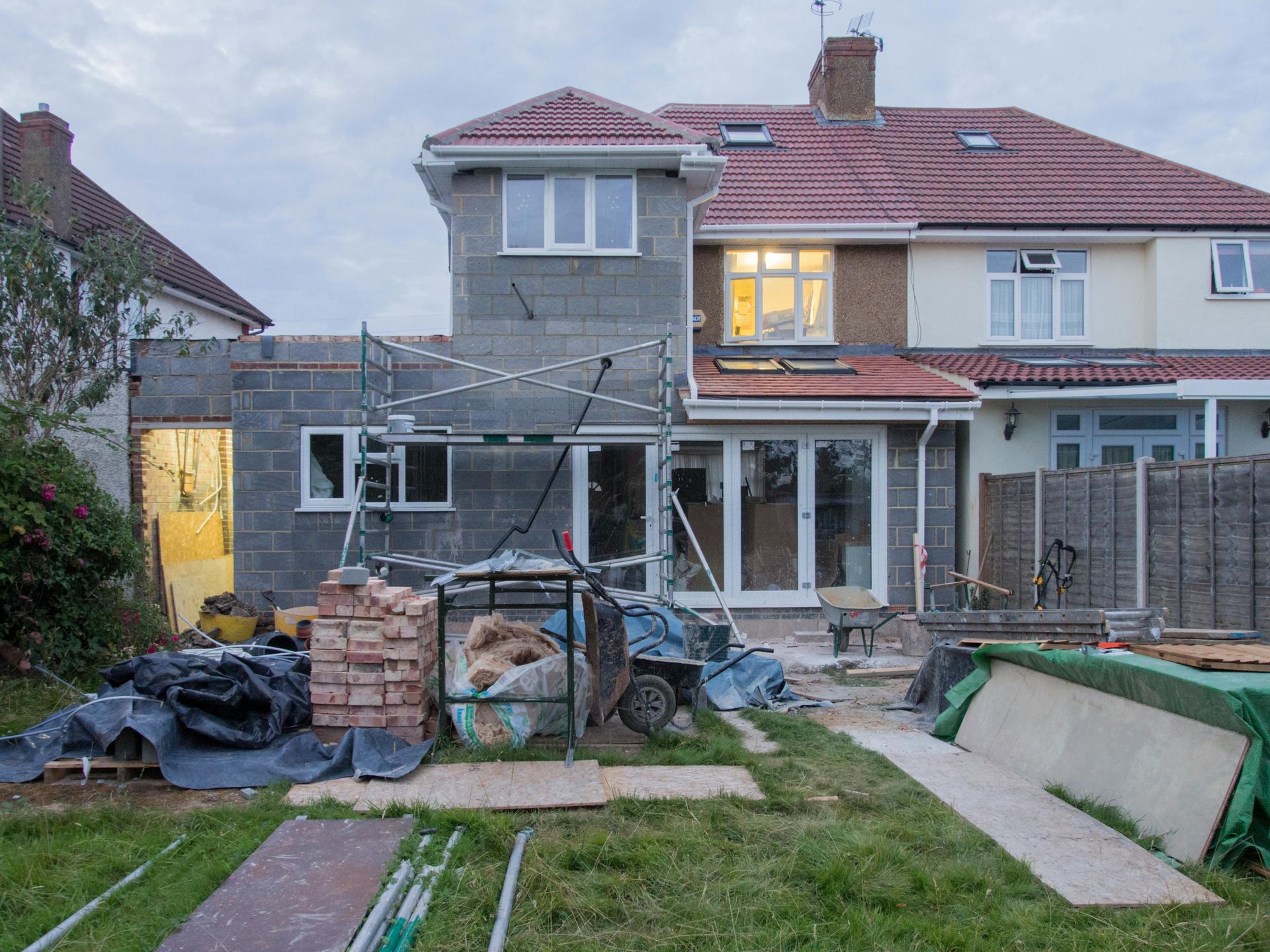
A home addition involves expanding your existing house's footprint or building upward to create additional rooms that integrate directly with your current floor plan. Unlike ADUs, additions become part of your main residence, seamlessly blending with your home's existing architecture and interior flow. Common addition types include room additions, second-story expansions, sunrooms, family room extensions, and master suite additions.
Jacksonville homeowners often choose additions when they want to enhance their primary living space without creating a separate dwelling. Perhaps you need a larger kitchen to accommodate family gatherings, a dedicated home office with easy access to the rest of your house, or an expanded master suite with a luxurious bathroom. Additions allow you to customize your existing home's layout while maintaining the cohesive feel of a single residence.
The beauty of home additions lies in their integration with your current living space. You can design an addition that matches your home's existing style, from the roofing materials and siding to the interior finishes and architectural details. This seamless integration often makes additions feel like they've always been part of the original structure. For Jacksonville's historic homes in neighborhoods like Avondale or Springfield, carefully designed additions can enhance property value while respecting the home's original character and charm.
Home additions also benefit from shared utilities and HVAC systems, potentially reducing the complexity and cost of providing essential services to the new space. Since the addition connects directly to your existing home, you can typically extend your current heating, cooling, and electrical systems rather than installing entirely new infrastructure. This integration makes additions particularly attractive for homeowners who want to expand their everyday living space without the complexity of managing a separate dwelling.
3. Comparing Costs: Investment Considerations for Jacksonville Homeowners
When evaluating the financial aspects of ADUs versus home additions in the Jacksonville area, several factors influence the total investment. Generally speaking, detached ADUs tend to cost more per square foot than traditional additions due to the need for complete independence—separate utilities, foundations, roofing systems, and full kitchen and bathroom installations. However, the income-generating potential of ADUs can offset these higher initial costs over time.
For a detached ADU in Jacksonville, homeowners should expect to invest between $150,000 and $300,000 depending on size, finishes, and complexity. This typically includes site preparation, foundation work, complete utility connections, full kitchen and bathroom installations, and exterior finishing. Attached ADUs or garage conversions may cost less, ranging from $100,000 to $200,000, as they can leverage some existing infrastructure and potentially share certain utility connections with the main house.
Traditional home additions in Jacksonville generally range from $100 to $300 per square foot, translating to approximately $80,000 to $250,000 for most projects. The wide range reflects variables such as whether you're building out or up, the level of finishes you select, and the complexity of integrating with existing structures. Second-story additions typically cost more than ground-level expansions due to structural reinforcement requirements and the need to work around your existing living space during construction.
Beyond initial construction costs, consider ongoing expenses and potential returns. ADUs can generate rental income in Jacksonville's strong rental market, potentially earning $1,000 to $2,500 monthly depending on size, location, and amenities. This income stream can help offset construction costs and provide long-term financial benefits. Home additions, while not generating income, often provide excellent return on investment when selling, particularly for high-demand spaces like master suites or additional bathrooms. According to Remodeling Magazine's Cost vs. Value Report, bathroom and bedroom additions consistently rank among the top projects for ROI in the Southeast region.
4. Zoning Laws and Permit Requirements in Jacksonville
Understanding local regulations is crucial when deciding between an ADU and a home addition in Jacksonville. Duval County and the City of Jacksonville have specific zoning ordinances that govern both types of construction, and navigating these requirements is essential for a successful project. While both ADUs and additions require building permits, the specific regulations and restrictions differ significantly between the two options.
For ADUs in Jacksonville, zoning regulations address several key factors including minimum lot size requirements, setback distances from property lines, maximum ADU size relative to the primary dwelling, parking requirements, and owner-occupancy rules. Many Jacksonville neighborhoods have minimum lot size requirements before ADUs are permitted, and the city typically limits ADU size to a percentage of the primary residence's square footage. Setback requirements determine how far the ADU must be positioned from property boundaries, which can significantly impact where you can place a detached unit on your lot.
Traditional home additions face different but equally important regulations. Building codes require additions to comply with current construction standards, even if your original home was built under older codes. This can impact foundation requirements, energy efficiency standards, and structural specifications. Setback requirements still apply—your addition cannot encroach into required yard spaces or violate easements. In historic districts like Riverside or Avondale, additional architectural review may be necessary to ensure your addition maintains neighborhood character and complies with historic preservation guidelines.
Working with experienced professionals like Sunshine State Professional Services ensures your project complies with all local regulations from the planning phase through final inspection. We handle permit applications, coordinate inspections, and ensure your ADU or addition meets all Jacksonville building codes and zoning requirements. This expertise prevents costly mistakes and delays that can derail construction projects and exceed budgets.
5. Timeline and Construction Disruption
The construction timeline and level of disruption to your daily life differ significantly between ADUs and home additions. For Jacksonville homeowners, understanding these differences helps set realistic expectations and plan accordingly. Detached ADUs generally cause less disruption to your everyday routine since construction occurs separately from your main living space. You can continue occupying your home throughout most of the building process, with minimal interior disturbance beyond utility connections and any necessary site work.
A typical detached ADU project in Jacksonville takes approximately six to twelve months from design through completion, depending on size and complexity. This timeline includes architectural planning and permitting (two to three months), site preparation and foundation work (two to four weeks), framing and roofing (four to six weeks), installation of utilities and systems (three to four weeks), and interior finishing and final inspections (six to eight weeks). Weather conditions, particularly during Florida's summer rainy season, can impact outdoor construction schedules, potentially extending timelines.
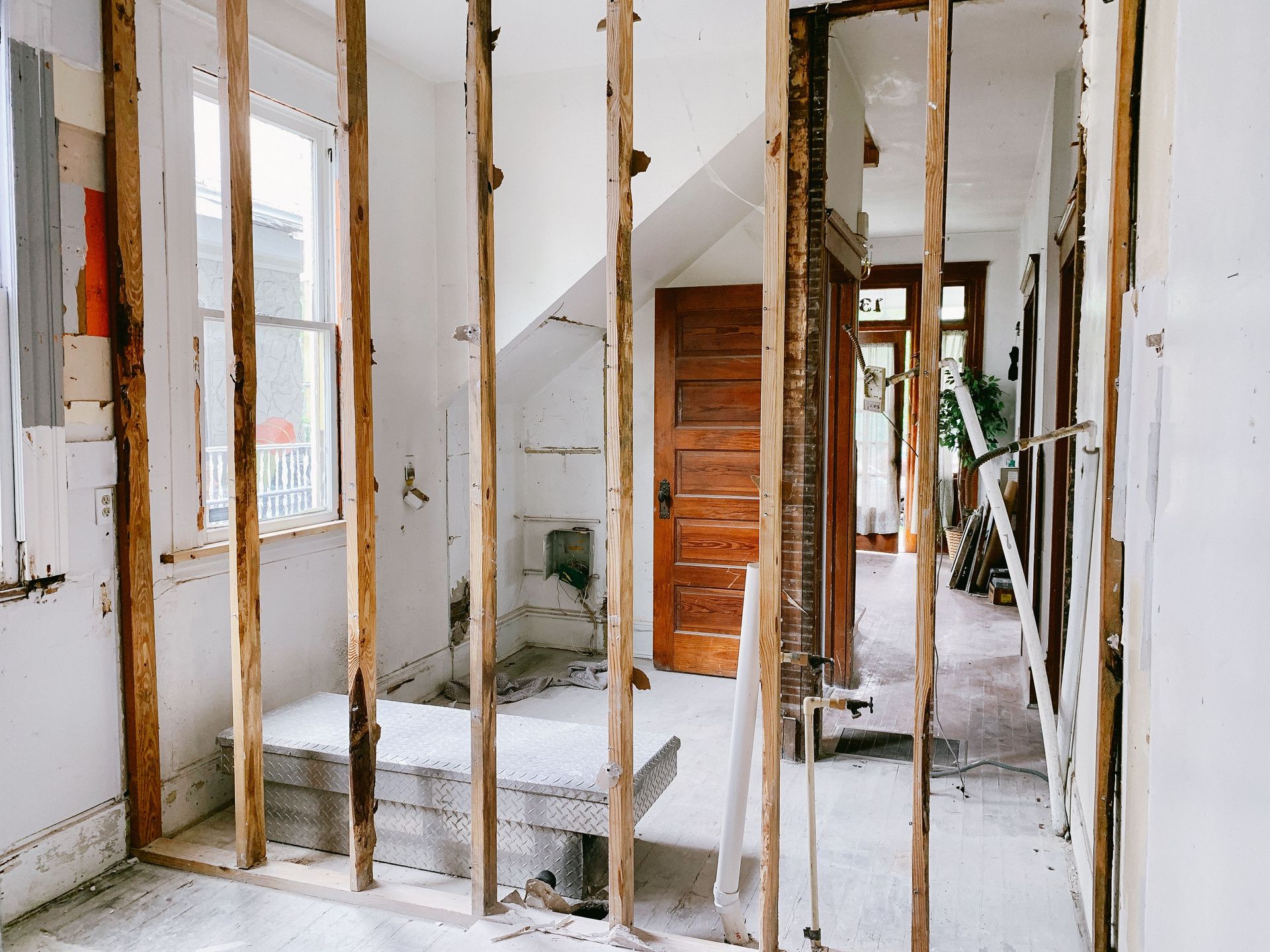
Home additions typically take four to eight months to complete but involve more disruption to your existing living space. Since additions connect directly to your home, construction often requires temporary loss of access to certain rooms, exposure to dust and noise within your living areas, and adjustments to your daily routines. Second-story additions can be particularly disruptive, as they may require reinforcing existing structures, temporarily relocating occupants, and working directly above active living spaces.
During addition construction, you may experience temporary loss of utilities during connection work, increased noise and activity during demolition and framing, restricted access to certain areas of your home, and the presence of construction crews near your living spaces. Many Jacksonville families choose to plan major additions during times when they can temporarily relocate or adjust their schedules, such as summer vacations or extended work trips. Experienced contractors like Sunshine State Professional Services work diligently to minimize disruption, maintain clean work sites, and communicate clearly about project progress and any necessary household adjustments.
6. Design Flexibility and Customization Options
Both ADUs and home additions offer substantial design flexibility, but the nature of that flexibility differs significantly. ADUs provide a blank canvas for creating a completely independent living space with its own unique character and style. Since ADUs are separate structures, you have the freedom to design floor plans that optimize functionality without being constrained by existing walls, doorways, or interior layouts. This independence allows for creative architectural expressions that might complement or contrast with your main house depending on your aesthetic preferences.
Jacksonville ADU designs often incorporate features that maximize Florida living, such as covered outdoor spaces for year-round enjoyment, impact-resistant windows to withstand coastal weather, high ceilings and transom windows for natural light and ventilation, and efficient floor plans that make small spaces feel spacious. Many homeowners choose modern designs with clean lines and contemporary finishes, even when their primary residence features more traditional architecture. This design freedom allows ADUs to reflect current trends and personal style preferences without compromising the main house's character.
Home additions, while more constrained by the need to integrate with existing structures, offer their own design advantages. Successful additions seamlessly blend with your home's original architecture, creating a cohesive appearance that enhances rather than detracts from your property's curb appeal. Skilled designers can match existing architectural elements like rooflines, window styles, siding materials, and trim details to ensure your addition looks like it's always been part of your home. This integration is particularly valuable for maintaining property value and neighborhood aesthetics.
Addition designs can also improve your home's overall flow and functionality by addressing existing layout limitations, creating better transitions between spaces, adding natural light through strategic window placement, and optimizing room sizes and proportions. For example, a family room addition might include vaulted ceilings and expansive windows overlooking your backyard, while a master suite addition could incorporate luxurious bathroom features, spacious walk-in closets, and private outdoor access. The key is working with experienced designers who understand both architectural continuity and modern living needs.
7. Income Potential and Property Value Impact
One of the most compelling advantages of ADUs is their income-generating potential. Jacksonville's growing population and strong rental market create excellent opportunities for homeowners to generate passive income through ADU rentals. Whether targeting long-term tenants, traveling professionals, or vacation renters, ADUs provide a steady revenue stream that can help offset construction costs and contribute to household income. Many Jacksonville neighborhoods near downtown, the beaches, or major employment centers command premium rental rates.
Long-term ADU rentals in Jacksonville typically generate between $1,000 and $2,500 monthly depending on size, location, and amenities. Areas with strong demand include neighborhoods near Mayo Clinic, downtown Jacksonville's urban core, Southside's commercial districts, and beach communities like Jacksonville Beach and Atlantic Beach. Short-term vacation rentals can potentially generate even higher returns, particularly in coastal areas where tourists seek alternatives to traditional hotel accommodations. However, short-term rental regulations vary by neighborhood and require careful research into local ordinances.
Beyond rental income, ADUs positively impact property values by increasing your lot's overall utility and appeal. Properties with well-designed ADUs often sell faster and command higher prices than comparable homes without secondary dwellings. Buyers value the flexibility ADUs provide—whether for housing family members, generating income, or accommodating guests. Real estate data suggests that homes with ADUs can sell for 20-35% more than similar properties without secondary dwellings, depending on the local market and ADU quality.
Home additions also enhance property value, particularly when they add highly desirable spaces like additional bedrooms, bathrooms, or living areas. The return on investment varies by addition type, with bathroom additions typically returning 60-70% of costs upon resale and master suite additions returning 50-60%. Kitchen expansions and family room additions also provide strong returns, especially when executed with quality materials and thoughtful design. While additions may not generate direct income, they increase your home's marketability and appeal to potential buyers seeking move-in ready properties with ample space.
8. Multigenerational Living and Lifestyle Considerations
As multigenerational living becomes increasingly common across America, Jacksonville homeowners are recognizing the benefits of housing extended family on their property. Both ADUs and home additions can accommodate this growing trend, but they serve different lifestyle needs and family dynamics. ADUs excel at providing private, independent living arrangements that maintain family connections while respecting individual autonomy and personal space.
For aging parents who want to live near family without surrendering their independence, ADUs offer an ideal solution. Elderly parents can maintain their own household routines, receive assistance when needed, and participate in family life on their own terms. The physical separation that ADUs provide creates healthy boundaries while keeping loved ones close for caregiving, meals, and daily interaction. Many Jacksonville families find this arrangement preferable to assisted living facilities, both emotionally and financially. An ADU can be designed with senior-friendly features like single-story layouts, zero-step entries, wider doorways for mobility aids, and accessible bathrooms with grab bars and roll-in showers.
Adult children returning home, whether due to economic circumstances, career transitions, or education pursuits, also benefit from the independence that ADUs provide. Young adults can establish their own households while living affordably near family support systems. This arrangement allows for privacy and autonomy that wouldn't be possible in a traditional bedroom within the main house, helping maintain positive family relationships during transitional periods. Similarly, families with adult children who have disabilities can use ADUs to provide supported independent living that promotes autonomy while keeping caregivers nearby.
Home additions serve different multigenerational needs, particularly when families prefer integrated living arrangements. A ground-floor master suite addition allows aging parents to avoid stairs while remaining fully integrated into the household's daily activities. First-floor bedroom and bathroom additions provide accessibility for family members with mobility challenges while keeping everyone under one roof. Additions that create private wings within the main house can offer semi-independent living spaces that balance privacy with connectedness, perfect for extended family situations where everyone wants to share common areas while having personal retreats.
9. Resale and Future Flexibility
When considering long-term property strategy, the resale implications and future flexibility of ADUs versus additions warrant careful consideration. ADUs provide exceptional versatility for future homeowners, appealing to a broad range of buyers with diverse needs and priorities. Potential buyers appreciate the multiple use options ADUs provide—income generation, guest accommodations, home offices, creative studios, or multigenerational living. This flexibility makes properties with ADUs attractive to investors, families, and individuals seeking maximum utility from their real estate investments.
Properties with ADUs often stand out in competitive real estate markets like Jacksonville, where inventory can be limited and buyers seek distinctive features. A well-designed ADU differentiates your property from comparable homes, potentially reducing time on market and generating multiple offers. Real estate agents frequently highlight ADUs as premium features that justify higher asking prices and appeal to sophisticated buyers who recognize the value of secondary dwellings. In neighborhoods where ADUs are less common, having one can provide a significant competitive advantage.
The investment protection that ADUs offer is particularly valuable in uncertain economic times. Should financial circumstances change, the ability to generate rental income provides a financial safety net that traditional homes lack. This flexibility appeals to buyers who value options and want properties that can adapt to changing life circumstances. Additionally, ADUs can be modified or repurposed relatively easily compared to integral home features—a rental unit can become a home office, art studio, or guest house as needs evolve.
Home additions also enhance resale value but in different ways. Quality additions that expand highly desirable spaces—additional bedrooms, bathrooms, or living areas—make homes more competitive in their price brackets. Families seeking move-in ready homes with ample space often prefer properties with well-executed additions over those requiring expansion. However, additions become permanent parts of your home's structure and layout, offering less flexibility for future adaptation. A sunroom addition will always be a sunroom, whereas an ADU can shift between multiple functions depending on the owner's needs.
10. Making the Right Choice for Your Jacksonville Property
Choosing between an ADU and a home addition ultimately depends on your specific circumstances, goals, and property characteristics. Jacksonville homeowners should evaluate several key factors before making this important decision. Start by clarifying your primary objectives: Are you seeking rental income opportunities that can help pay the mortgage and build wealth? Do you need private quarters for aging parents or adult children while maintaining family independence? Are you planning to expand your primary living space to accommodate a growing family's everyday needs? Or do you want to maximize your property's future resale value and marketability?
Your property's physical characteristics significantly influence which option is most feasible. Lot size and configuration determine whether you have adequate space for a detached ADU while maintaining required setbacks and preserving outdoor living areas. Properties with larger lots naturally accommodate ADUs more easily, while smaller urban lots might make additions the more practical choice. Existing structures like detached garages can be converted into ADUs, potentially offering a more cost-effective path to secondary dwelling space. Your home's current layout and condition also matter—homes with logical expansion opportunities and good structural integrity are better candidates for additions.
Budget considerations extend beyond initial construction costs to include long-term financial implications. While ADUs typically require higher upfront investment, their income potential can provide substantial returns over time. If generating passive income is important to your financial strategy, an ADU might justify the additional cost. Conversely, if your primary goal is expanding your personal living space without the complexities of managing a rental property, a traditional addition might offer better value despite potentially lower resale returns. Consider not just what you can afford today but how each option aligns with your long-term financial goals.
Your lifestyle preferences and household needs should also guide your decision. Do you value privacy and separation, both for yourself and any potential occupants of the new space? ADUs excel at providing independence while maintaining proximity. Do you prefer integrated living where all family members share common spaces and daily routines? Additions create this cohesion naturally. Consider how you'll use the space in five, ten, or twenty years—will your needs evolve in ways that favor one option over the other?
Conclusion: Expert Guidance for Your Jacksonville Expansion Project
Whether you choose an ADU or a home addition for your Jacksonville property, both options offer valuable ways to maximize your home's potential and meet your evolving needs. ADUs provide unmatched flexibility, income potential, and independent living arrangements ideal for multigenerational families or investment-minded homeowners. Home additions seamlessly expand your primary living space, creating the additional rooms and functionality your family needs while maintaining your home's cohesive character.
At Sunshine State Professional Services, we bring decades of experience to both ADU construction and home additions throughout Jacksonville and Northeast Florida. Our team understands the unique considerations of building in our local climate, navigating Duval County's permitting processes, and designing spaces that enhance your property's value and livability. We're committed to delivering exceptional craftsmanship, transparent communication, and projects that exceed expectations from initial consultation through final walkthrough.
Ready to explore how an ADU or home addition can transform your Jacksonville property? Contact Sunshine State Professional Services today for a free consultation. We'll assess your property, discuss your goals, and provide expert recommendations tailored to your unique situation. Let us help you make the right choice for your family's needs and your property's future. Call us at 904-517-2427 or visit our website at www.sunshinestatepro.net to get started on your expansion project today.