Open Concept vs. Traditional Kitchens: What's Best for Your Home?
Remodeling your kitchen is one of the most exciting ways to refresh your home, but it also comes with important decisions that will affect how you live in your space for years to come. One of the biggest choices you'll face is whether to embrace an open concept design or stick with a traditional, enclosed kitchen layout. Each approach has its own unique charm, distinct strengths, and potential drawbacks that deserve careful consideration.
The truth is, there's no one-size-fits-all answer to this question. The best kitchen layout really depends on how you live, how you use your kitchen daily, what you need from the space, and what brings you joy when you're cooking and spending time with family. Some homeowners thrive in the connected, social atmosphere of an open kitchen, while others find peace and focus in the defined, private space of a traditional layout.
At Sunshine State Professional Services, we've helped countless Jacksonville-area families navigate this exact decision during their kitchen remodeling projects. We've seen firsthand how the right layout can transform not just a kitchen, but the entire flow and feel of a home. Let's break down everything you need to know about both options so you can make the choice that's perfect for your lifestyle and your space.
What Is an Open Concept Kitchen?
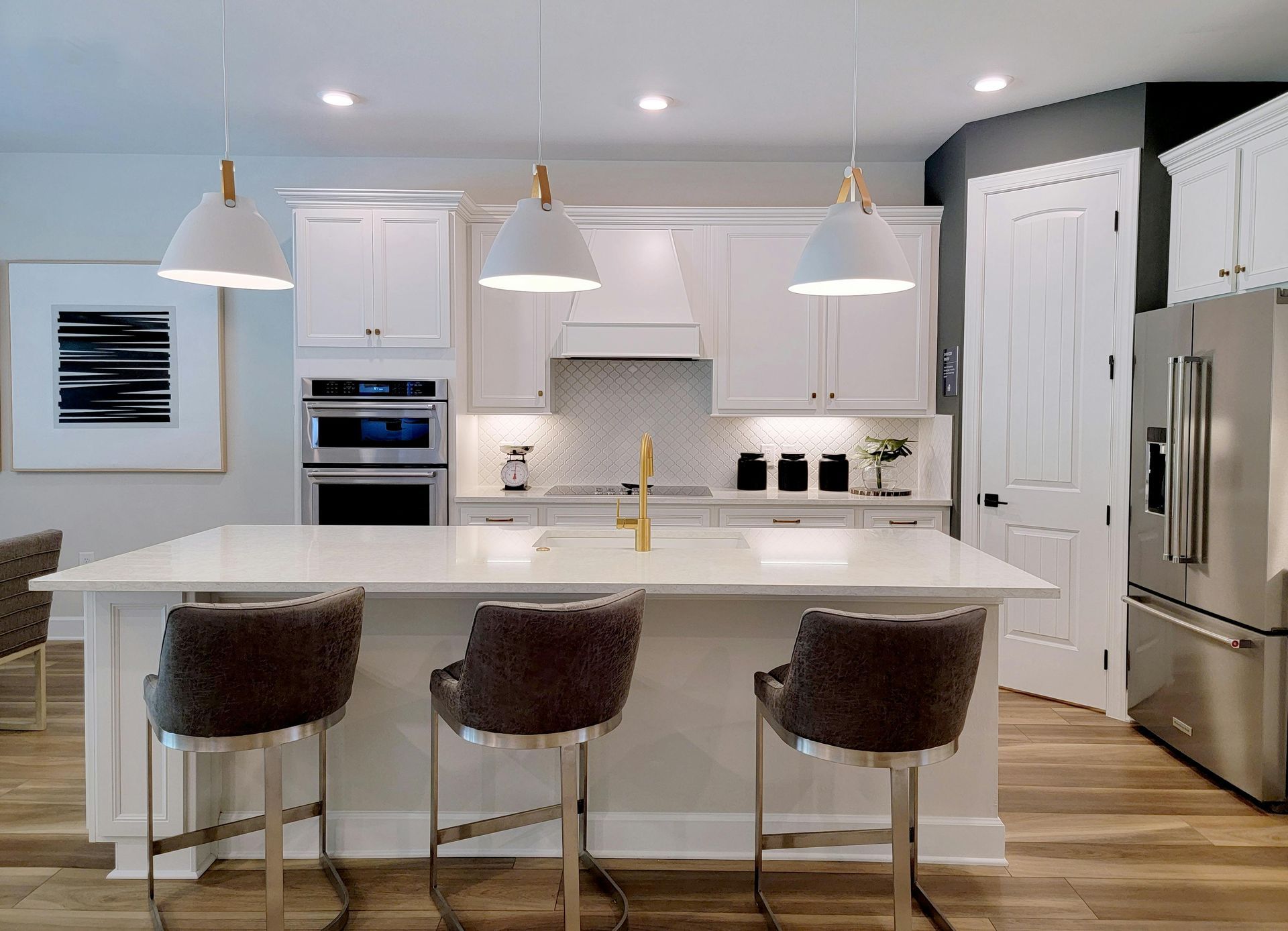
An open concept kitchen is all about flow, connection, and bringing people together. This design philosophy eliminates walls and partitions between the kitchen and adjacent living or dining areas, creating one large, unified space where cooking, entertaining, and relaxing all happen in visual harmony. The result is more perceived space, better natural light distribution, and countless opportunities to be part of the action while you prepare meals.
People absolutely love open kitchens because they truly make the kitchen feel like the heart of the home. You're not isolated behind walls while preparing meals or cleaning up. Instead, you're connected with your family, engaged with your guests, or even able to keep an eye on your favorite show playing in the background. This layout encourages interaction and makes everyday activities feel more social and inclusive.
Open kitchens work exceptionally well in modern homes, especially those designed with open floor plans and abundant natural light. They often feature distinctive elements like large kitchen islands that serve as both prep spaces and gathering spots, breakfast bars for casual dining, and flexible zones that can adapt for working from home or helping kids with homework. The island typically becomes the centerpiece where family and friends naturally congregate.
This design approach has surged in popularity over the past two decades, becoming the default choice for many new home constructions and major renovations. The open concept reflects how modern families actually live—moving fluidly between tasks, multitasking, and prioritizing togetherness over formality. It's particularly appealing to families with young children, avid entertainers, and anyone who values that sense of spaciousness and connectivity in their daily routine.
What Is a Traditional (Enclosed) Kitchen Layout?
A traditional kitchen layout takes the opposite approach, keeping the kitchen separate from the rest of the house with walls and sometimes doors creating a dedicated, defined room. This classic design establishes the kitchen as a distinct functional workspace that can feel quieter, more private, and more focused. For many homeowners, this separation is not a limitation but rather a valued feature that enhances their cooking experience.
For people who genuinely love cooking and see the kitchen as primarily a functional workspace rather than a social hub, this enclosed approach can be absolutely ideal. The dedicated space makes it easier to stay focused on your culinary tasks without distractions, and you don't need to worry as much about keeping everything spotless when guests unexpectedly drop by. Your kitchen mess stays behind closed doors until you're ready to reveal the finished results.
Traditional kitchens also shine when it comes to practical storage solutions. With walls on all sides, you gain significantly more wall space for upper and lower cabinets, open shelving, and specialized storage solutions. This abundance of cabinetry helps you stay organized, maximize storage capacity, and keep countertops clear and clutter-free. If you're an avid cook with extensive cookware, small appliances, and pantry items, this extra storage can be invaluable.
Beyond functionality, traditional kitchens offer aesthetic flexibility. You can design the space with its own distinct style and color palette that doesn't necessarily need to match the rest of your home. Love bold, dramatic colors or vintage-inspired designs? A traditional kitchen gives you the freedom to experiment without worrying about visual cohesion with adjacent rooms. This independence allows for more creative expression and personality in your kitchen design.
Pros and Cons of Open Concept Kitchens
Open concept kitchens have attracted legions of passionate fans over the years, but they definitely aren't perfect for every household or lifestyle. Understanding both the advantages and potential drawbacks will help you make an informed decision about whether this layout aligns with your needs and preferences.
The Advantages of Open Layouts
The benefits of open concept kitchens are numerous and compelling for many homeowners. Natural light flows freely throughout the space, with windows in adjacent areas helping to illuminate the kitchen beautifully. This shared light makes the entire first floor feel brighter and more welcoming. The absence of walls makes smaller homes and apartments feel significantly more spacious and less cramped, creating an impression of luxury and openness even in modest square footage.
For socializing and entertaining, open kitchens are virtually unbeatable. You can interact with guests while preparing appetizers, keep conversations flowing while cooking dinner, and never miss a moment of the party. Parents particularly appreciate being able to keep a watchful eye on children playing in the living room while preparing meals or cleaning up. The layout is also ideal for multitasking—you can work on your laptop at the island, help with homework, or catch up on your favorite show, all while cooking.
The Challenges to Consider
However, open concept kitchens do come with legitimate drawbacks that matter to many people. There's significantly less privacy when you're cooking or cleaning, which means anyone in the adjacent spaces can see your process, your mess, and your occasional kitchen disasters. Kitchen clutter and dirty dishes are always visible to everyone in the connected living areas, which requires more diligent tidiness or a relaxed attitude about mess.
Cooking smells and noises spread easily throughout the home without walls to contain them. While the aroma of fresh-baked cookies is delightful, the smell of fish or burnt popcorn permeating your living room is less appealing. Kitchen sounds—clanging pots, running water, noisy appliances—can also interfere with conversations or television viewing in nearby areas. Additionally, it's harder to control noise traveling from the living room back into the kitchen, which can be distracting while you're trying to concentrate on cooking.
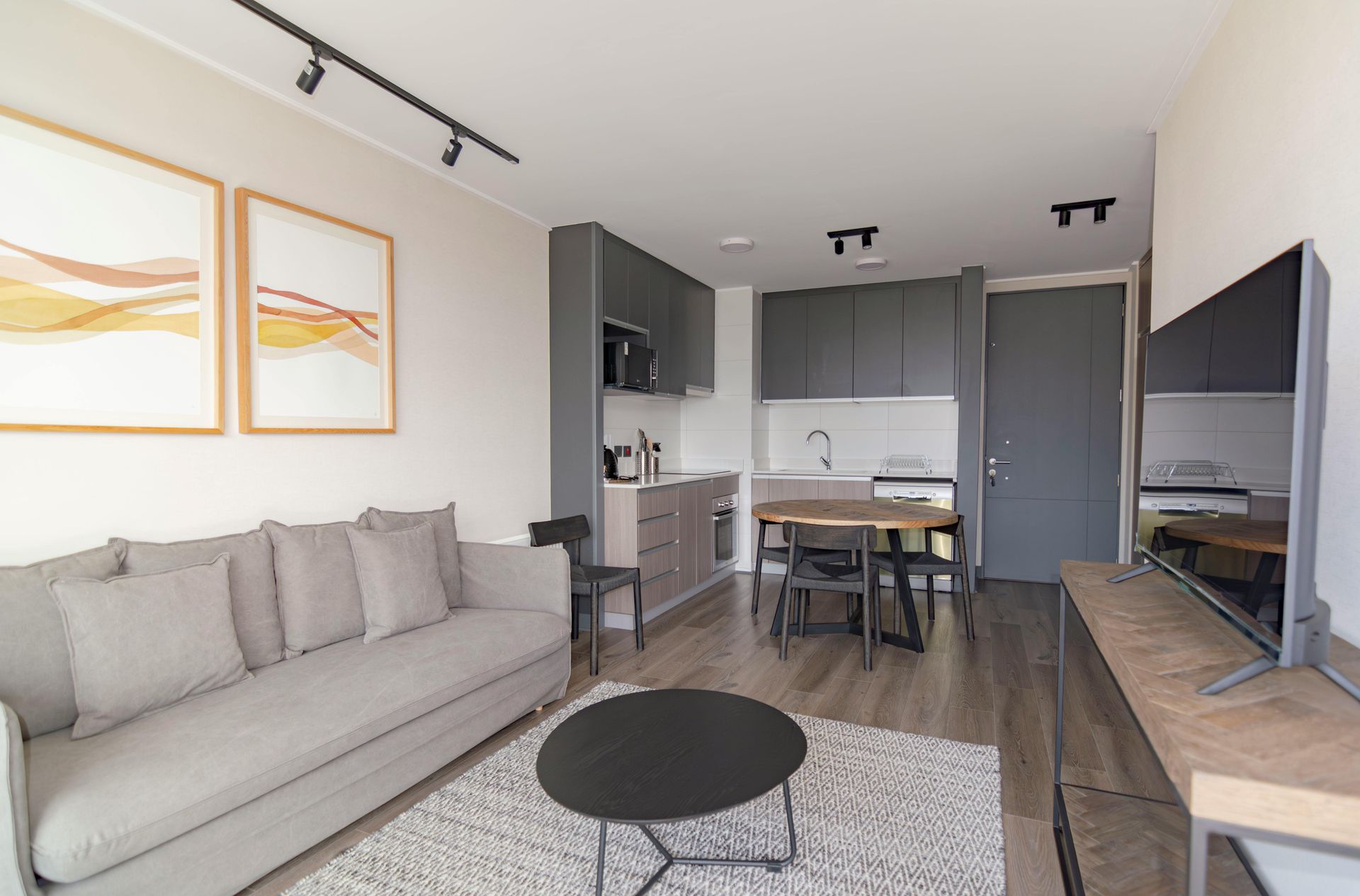
Open kitchens also demand cohesive design with adjacent rooms. Your kitchen finishes, color palette, and style need to complement and coordinate with your living and dining areas. This requirement can limit your design choices and often increases costs, as you're essentially designing multiple rooms that must work together harmoniously as one unified space.
Pros and Cons of Traditional Kitchens
Traditional or enclosed kitchens have sustained their appeal for good reasons, especially among homeowners who see cooking as a focused, almost meditative task, or who want to preserve the classic compartmentalized layout that has served homes well for generations.
The Benefits of Enclosed Spaces
The advantages of traditional kitchens center largely around privacy, containment, and maximizing functionality. You enjoy genuine separation from daily household activity, allowing you to cook without interruption or observation. This privacy is valuable whether you're experimenting with new recipes that might not turn out perfectly, dealing with a messy cooking process, or simply preferring to work independently without an audience.
The abundance of wall space translates directly into superior storage capacity and more options for appliance placement. You can install floor-to-ceiling cabinetry, add extensive pantry storage, and position appliances anywhere along the walls without worrying about sight lines. This makes traditional kitchens particularly practical for serious home chefs who own specialized equipment and maintain well-stocked pantries.
Smells and sounds are much easier to contain within the enclosed space. A good exhaust fan keeps cooking odors from permeating your entire home, and kitchen noise stays where it belongs. When your kitchen work is done, you can simply close the door and leave any lingering mess or smells behind. There's also significantly less visual clutter affecting the rest of your home—dirty dishes don't impact your living room's appearance.
Perhaps most liberating, traditional kitchens can be designed with their own completely distinct style that doesn't need to match your other rooms. Want a country farmhouse kitchen in your contemporary home? Go for it. Prefer bold wallpaper or dramatic dark cabinets? These choices are entirely yours without considering how they'll look from the living room.
The Potential Drawbacks
Of course, traditional kitchens have their own set of limitations. The most obvious is that they can feel genuinely closed off and isolated from the rest of the home. This separation can lead to feelings of exclusion during family time or social gatherings. You might miss out on conversations, TV shows, or children's activities happening in other rooms while you're preparing meals or cleaning up.
Natural light can be more limited in traditional kitchens, especially in smaller homes where the kitchen might only have one window or none at all. This can make the space feel darker and more cave-like, particularly if you're working with dated finishes or inadequate artificial lighting. The enclosed nature may also limit social interaction during gatherings—your guests are in the living room while you're hidden away in the kitchen, missing the party you're hosting.
Key Factors to Consider When Choosing Your Kitchen Layout
So how do you actually decide which layout is right for your specific situation? The answer lies in honestly evaluating your everyday life, understanding exactly how you use your kitchen, and identifying what truly matters most to you and your family. Here are the critical factors that should guide your decision.
Your Lifestyle: Entertainer or Private Chef?
Your personal lifestyle and social habits should be the primary driver of your decision. If you absolutely love having friends and family over regularly and want your kitchen to be an integral part of the gathering, an open concept layout is almost certainly the better fit. You'll be able to cook while chatting with guests, mixing drinks, serving appetizers, and keeping an eye on party activities—all without stepping away from your cooking tasks.
On the other hand, if you're someone who genuinely enjoys peace, quiet, and concentration while preparing meals, a closed kitchen will provide that sanctuary space you crave. It's also the superior option for serious home chefs who work with numerous tools, ingredients, and techniques that create temporary chaos. You can make a mess, experiment freely, and reveal only the finished results to your family or guests.
Consider too your family dynamics. Families with young children often strongly prefer open concepts for constant supervision, while empty nesters or couples without kids might value the privacy and focus of a traditional kitchen. Think about your actual daily routine—not just how you wish you lived, but how you actually do live—and choose accordingly.
Space and Architecture: What Does Your Home Support?
Your home's existing structure and size play crucial roles in determining the most appropriate layout. In smaller homes, condos, or apartments, open concept kitchens work magic in maximizing the perception of space. By eliminating walls, you make the entire first floor feel dramatically larger, brighter, and more luxurious than it actually is. This perceived spaciousness can be transformative in modest square footage.
In larger or more traditionally styled homes—particularly historic properties or those with formal architecture—an enclosed kitchen often blends more naturally with the home's character. Formal homes with separate living rooms, dining rooms, and studies naturally accommodate a separate kitchen as part of that traditional compartmentalized layout.
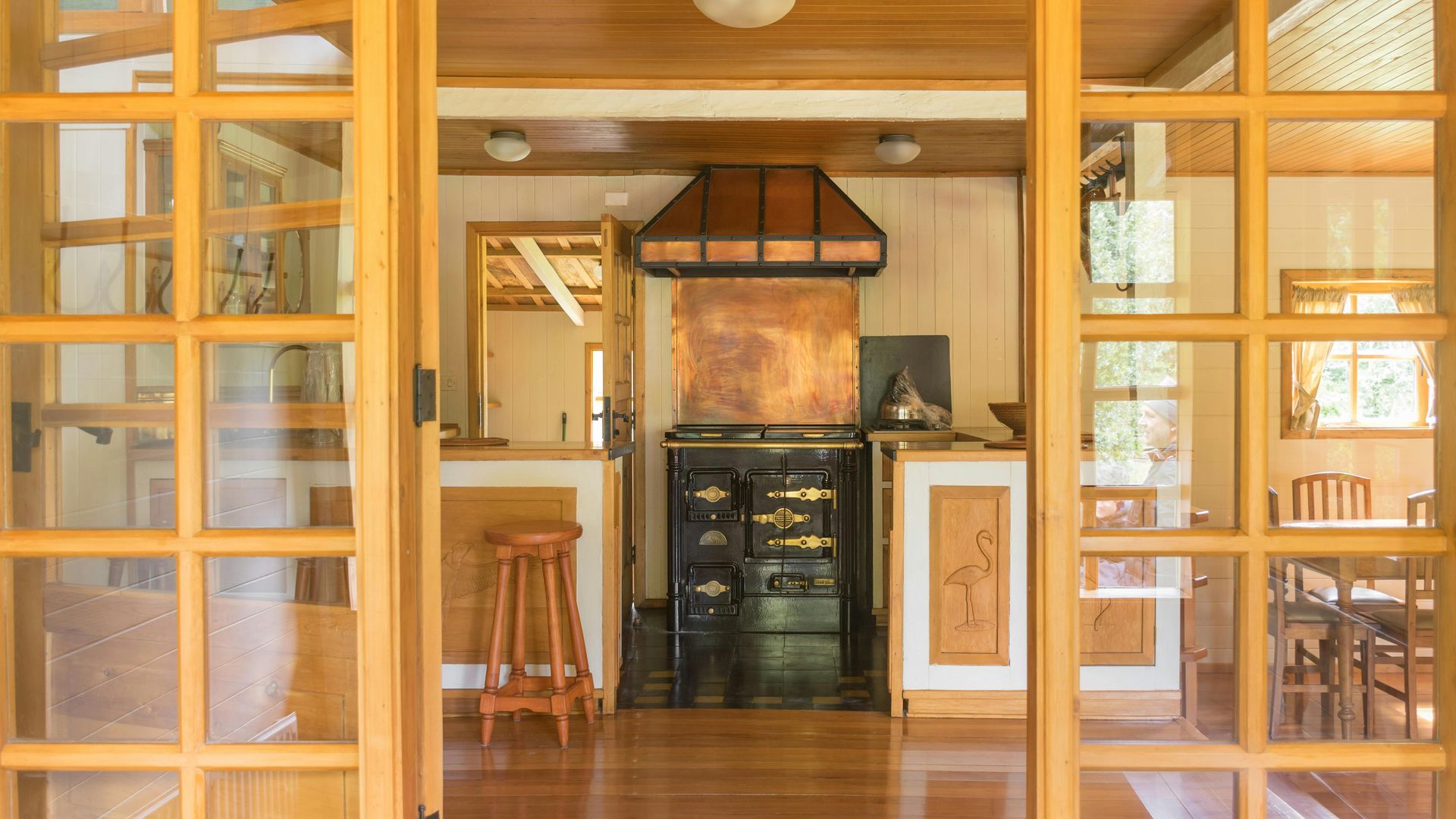
Structural considerations matter immensely as well. Older homes frequently have load-bearing walls that are expensive, complicated, or sometimes impossible to remove without major structural work. If opening up your kitchen would require installing steel beams, relocating HVAC systems, or extensive structural engineering, a traditional enclosed kitchen might be the more practical and budget-friendly option. Always have a professional assess your home's structure before making final decisions.
Storage, Ventilation, and Lighting Needs
The practical aspects of storage, ventilation, and lighting deserve serious consideration because they affect your daily kitchen experience significantly. Open concept kitchens often require creative storage solutions since you lose substantial wall space for cabinets. You'll need to maximize kitchen island storage, consider open shelving carefully (remembering everything stays visible), install overhead pot racks, or incorporate built-in storage in nearby spaces. The challenge is maintaining adequate storage while keeping sightlines clean and uncluttered.
Ventilation becomes absolutely critical in open layouts. Cooking smells, smoke, and heat can spread rapidly throughout your entire living area without walls to contain them. Investing in a high-quality, powerful range hood is essential—not optional—for open concept kitchens. You'll want professional-grade ventilation that can handle serious cooking without letting odors linger throughout your home. Enclosed kitchens have a natural advantage here, as they keep heat and smells contained in one manageable room with less demanding ventilation requirements.
Lighting considerations differ between the two layouts as well. Open concept designs benefit from shared natural light coming through multiple windows in connected spaces, creating an overall brighter environment. However, traditional kitchens may need strategic artificial lighting investments if they lack sufficient windows. The good news is that modern LED lighting, under-cabinet fixtures, and thoughtfully planned overhead lighting can make even windowless kitchens feel bright, welcoming, and functional.
Design Harmony: Matching Your Kitchen to Your Home
Think carefully about how your kitchen design needs to fit into the bigger picture of your home's overall aesthetic. Open concept layouts demand a cohesive design flow with nearby spaces—your kitchen must complement and coordinate with your living room, dining area, and any other visible spaces. You definitely don't want a rustic farmhouse kitchen with distressed wood cabinets flowing awkwardly into a sleek, modern living room with minimalist furniture and chrome finishes.
This requirement for visual harmony means you're essentially designing multiple rooms simultaneously, considering how flooring, wall colors, cabinet finishes, and decorative elements work together across a large, open space. The design process becomes more complex, and mistakes are more visible and harder to correct. However, when executed well, the result is a beautifully unified living space that feels intentionally designed and professionally coordinated.
Traditional kitchens offer substantially more freedom for distinct, independent style choices. If you love themed decor, vintage elements, or bold design statements that might clash with your living room's aesthetic, an enclosed kitchen gives you permission to explore those preferences freely. Your kitchen can have its own personality and character without needing approval from the rest of your home's design.
Budget and Remodeling Constraints
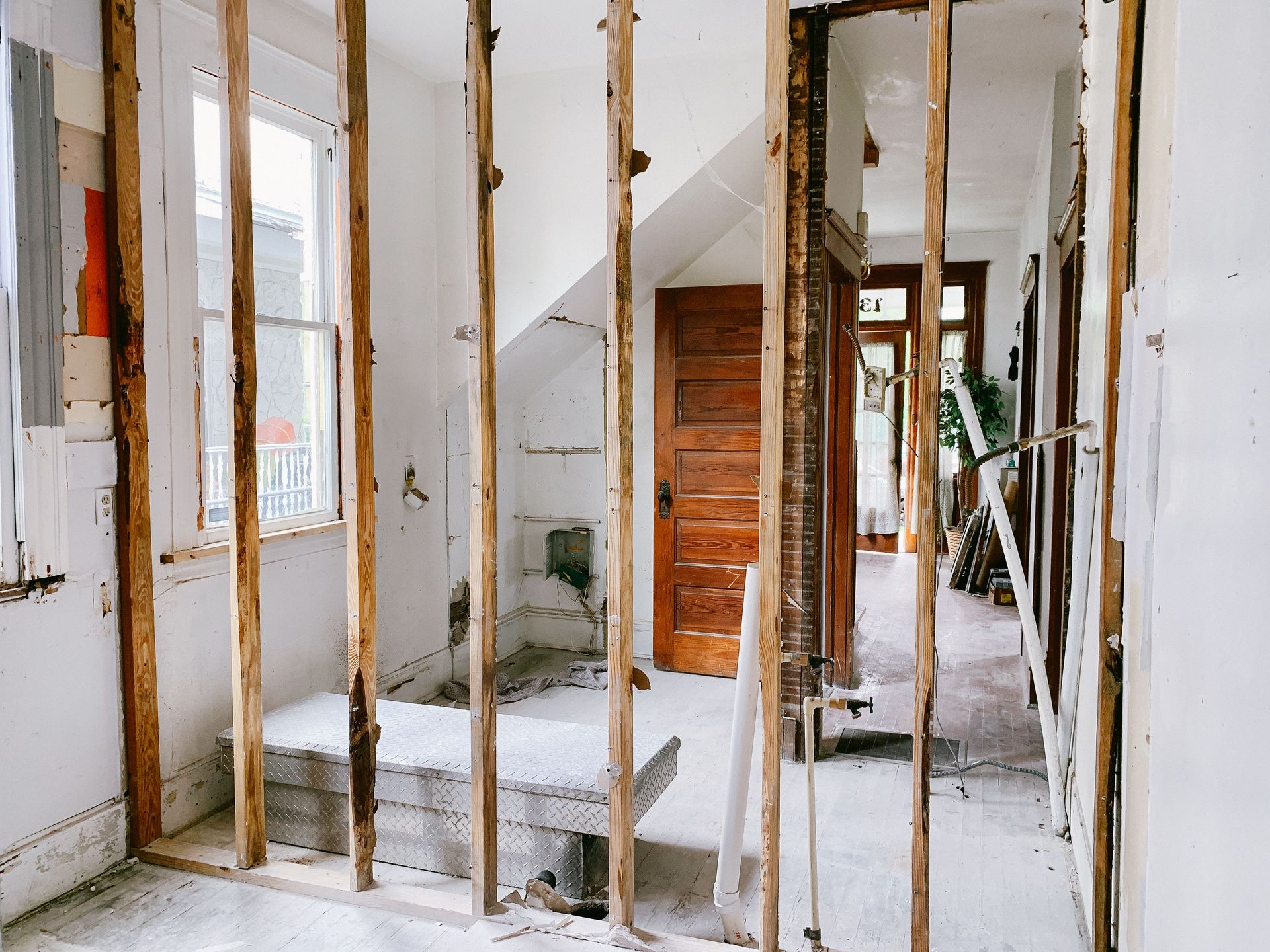
Financial considerations often prove decisive in kitchen layout decisions, so it's important to understand the cost implications of each approach. Open concept kitchen renovations frequently require substantial demolition work—tearing down walls, rerouting or relocating electrical wiring, relocating plumbing if necessary, and sometimes installing support beams or headers to carry loads previously supported by walls. These structural modifications can dramatically increase project costs beyond the kitchen finishes themselves.
You'll also need to budget for higher-quality, more powerful ventilation systems in open layouts, and you may face increased flooring costs since you're creating one continuous floor surface across multiple previously separate rooms. The design costs can be higher too, since you're coordinating finishes and styles across a larger area.
Traditional or enclosed kitchens are typically less expensive to remodel if you're keeping the existing footprint and walls intact. You're working within a defined space, and costs are more predictable and contained. Of course, if you decide to reconfigure an existing enclosed kitchen by moving walls, the costs can escalate quickly, but generally speaking, working with existing walls is the more budget-friendly path.
Which Layout Offers Better Resale Value?
If you're thinking about future resale value—and most homeowners should at least consider this factor—the current market trends lean decidedly toward open concept kitchens. These layouts tend to be more appealing to modern buyers, particularly young families, first-time homebuyers, and those shopping for family homes or open-plan condos. Open concepts help sell a compelling vision of a lifestyle that feels fresh, interactive, connected, and spacious—qualities that resonate strongly with contemporary buyers.
Real estate agents consistently report that open concept homes photograph better for listings, show more impressively during tours, and often command premium prices compared to similar homes with traditional layouts. The sense of space and light that open concepts provide creates immediate positive emotional responses from potential buyers, which can translate into faster sales and higher offers.
That said, there's definitely still a robust market for traditional kitchens, particularly in certain contexts. High-end luxury homes, historic properties with period architecture, and homes in established neighborhoods where buyers value classic layouts all maintain strong demand for traditional enclosed kitchens. Some buyers actively prefer the separation, privacy, and formal elegance that traditional layouts provide.
Real estate experts recommend making your decision based primarily on the overall flow, function, and character of your specific home rather than chasing trends blindly. A beautifully executed traditional kitchen in a home where it makes sense will always sell better than a poorly planned open concept that feels forced or awkward. Choose the layout that genuinely enhances your home's natural strengths and architectural character.
Can't Decide? Consider a Hybrid Kitchen Approach
If you find yourself genuinely torn between the two options, unable to commit fully to either the complete openness of an open concept or the total separation of a traditional layout, there's a wonderful middle ground to explore. Hybrid kitchens cleverly use partial walls, decorative columns, glass partitions, or raised counters to offer some degree of separation and definition without fully enclosing the kitchen space.
These semi-open layouts give you remarkable flexibility, allowing you to enjoy aspects of both approaches simultaneously. You might have a partial wall that provides some visual separation and additional cabinet space while maintaining sight lines and connection to the living area. Or you could use a large peninsula or raised bar to create a subtle boundary that defines spaces without building full walls.
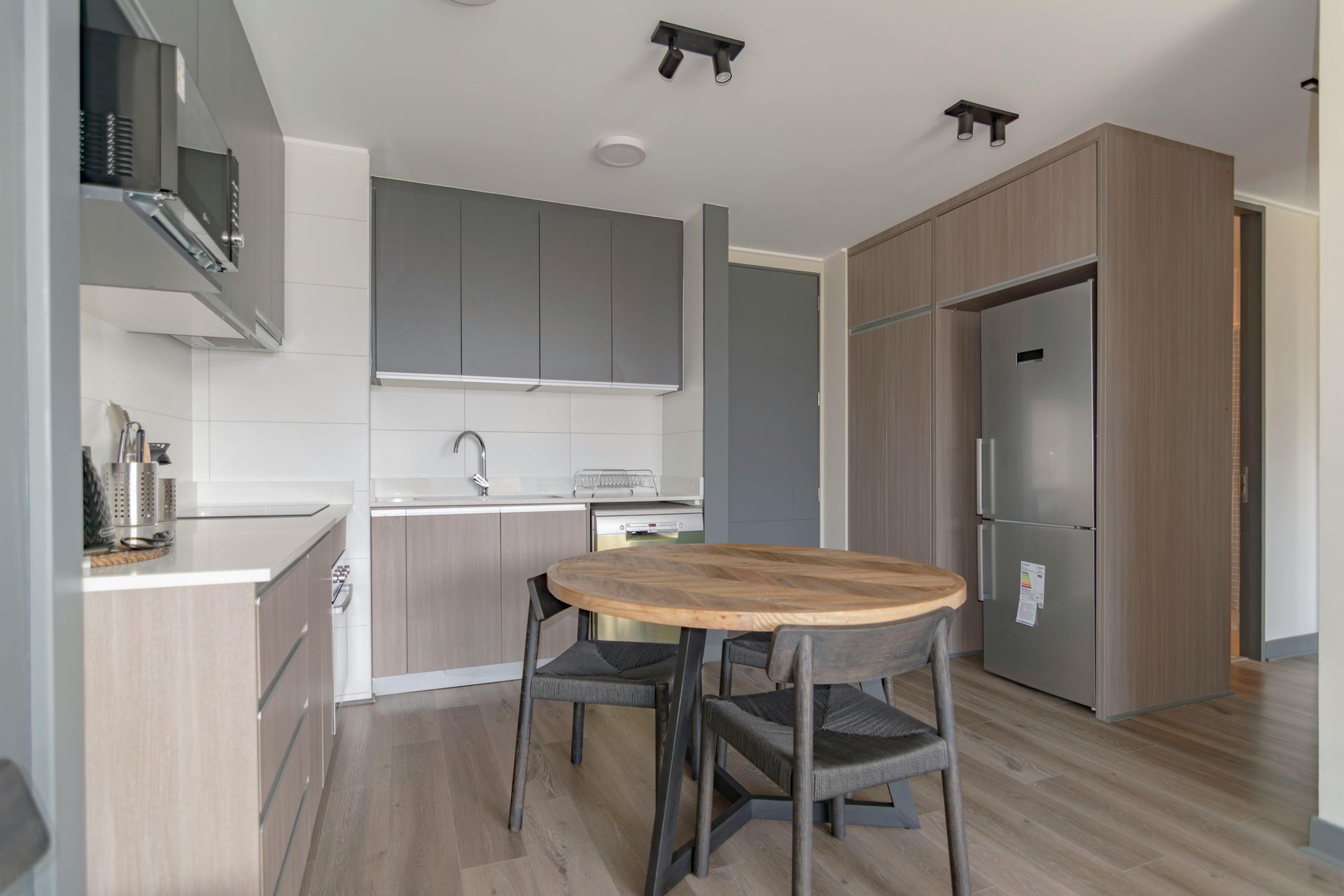
Glass partitions offer another elegant solution—they provide physical separation to contain some smells and noise while maintaining visual connection and natural light flow. Pocket doors or sliding barn doors can give you the option to open or close your kitchen as needed depending on the situation. This adaptability means you can have an open kitchen for daily family life but close it off when hosting formal dinners or when you want privacy for major cooking projects.
Hybrid approaches also allow you to gain some of the storage benefits of traditional kitchens while retaining much of the social connectivity of open concepts. It's truly the best of both worlds for many families who can't quite commit to the extremes of either option.
Ready to Remodel Your Kitchen with Sunshine State?
If you're seriously considering remodeling your kitchen and want expert guidance specifically tailored to your unique home, lifestyle, and budget, Sunshine State Professional Services is here to help you through every step of the process. Our experienced team has successfully completed both open concept and traditional kitchen remodels throughout the Jacksonville and Fernandina Beach areas, and we understand the nuances that make each project successful.
We'll work closely with you to evaluate your home's structure, understand how you actually use your kitchen daily, and help you make the layout decision that genuinely enhances your life. Our comprehensive approach includes detailed layout planning, custom cabinetry design tailored to your storage needs, professional-grade ventilation system selection and installation, strategic lighting design, and meticulous attention to all the details that make a kitchen work beautifully and function flawlessly.
Whether you envision a bright, connected open space where your family naturally gathers, or you're drawn to a cozy, private workspace where you can focus on your culinary passions, we'll bring your vision to life with professional craftsmanship and superior results. We handle all aspects of the renovation process, from structural modifications and electrical work to plumbing, flooring, cabinetry installation, and the final finishing touches that make your kitchen truly yours.
Our commitment to quality, clear communication, and staying on schedule has made us one of Jacksonville's most trusted names in kitchen remodeling. We're not satisfied until you're absolutely thrilled with your new kitchen and excited to use it every single day.
Conclusion: Choosing What's Right for You
Both open concept and traditional kitchen layouts offer something genuinely valuable and unique. The decision between them isn't really about following what's currently trending in design magazines or what your neighbors are choosing—it's about what fits your life, serves your home's architecture, and aligns with your personal style and preferences.
Take time to think honestly about how you move through your day, how you naturally interact with your family, what kind of cooking environment makes you happiest and most productive, and what truly matters to you in your daily life at home. Consider your entertaining style, your need for storage, your feelings about privacy versus connection, and how you actually use your current kitchen on ordinary days—not just special occasions.
From there, the right choice will become increasingly clear. Trust your instincts, consider the practical factors we've discussed, and don't be afraid to think outside the binary choice if a hybrid approach better serves your needs. Whatever you decide, investing in a well-designed, professionally executed kitchen remodel will enhance your home's value, your daily quality of life, and your joy in one of the most important spaces in your home.
Ready to take the next step? Contact Sunshine State Professional Services today to schedule your consultation and start planning the kitchen of your dreams.