How to Prevent Mold Growth After Water Damage

John Belizario • February 2, 2026

Water damage is already a headache on its own, but what really makes it worse is what comes after: mold. Mold can start growing as quickly as 24 to 48 hours after water enters your home. Whether the water came from a burst pipe, a leaky roof, or a flood, the clock starts ticking right away. Mold isn't just gross to look at; it can also cause serious health problems and structural damage to your home.

This guide will walk you through everything you need to know about preventing mold growth after water damage. It's simple, actionable, and something every homeowner should understand.

Why Mold Prevention Matters After Water Damage

Mold isn't just a nuisance; it's a threat to your health and your home. Once mold takes hold, it can spread quickly and become difficult to eliminate without professional help.

Health Risks Associated with Mold Exposure

Mold spores can affect everyone, but people with asthma, allergies, or weakened immune systems are especially at risk. Common symptoms include sneezing and coughing, skin irritation, runny nose, itchy eyes, and difficulty breathing.

Long-term exposure to mold can lead to more severe respiratory issues. In rare cases, mold can even contribute to neurological problems.

How Quickly Can Mold Grow in Your Home?

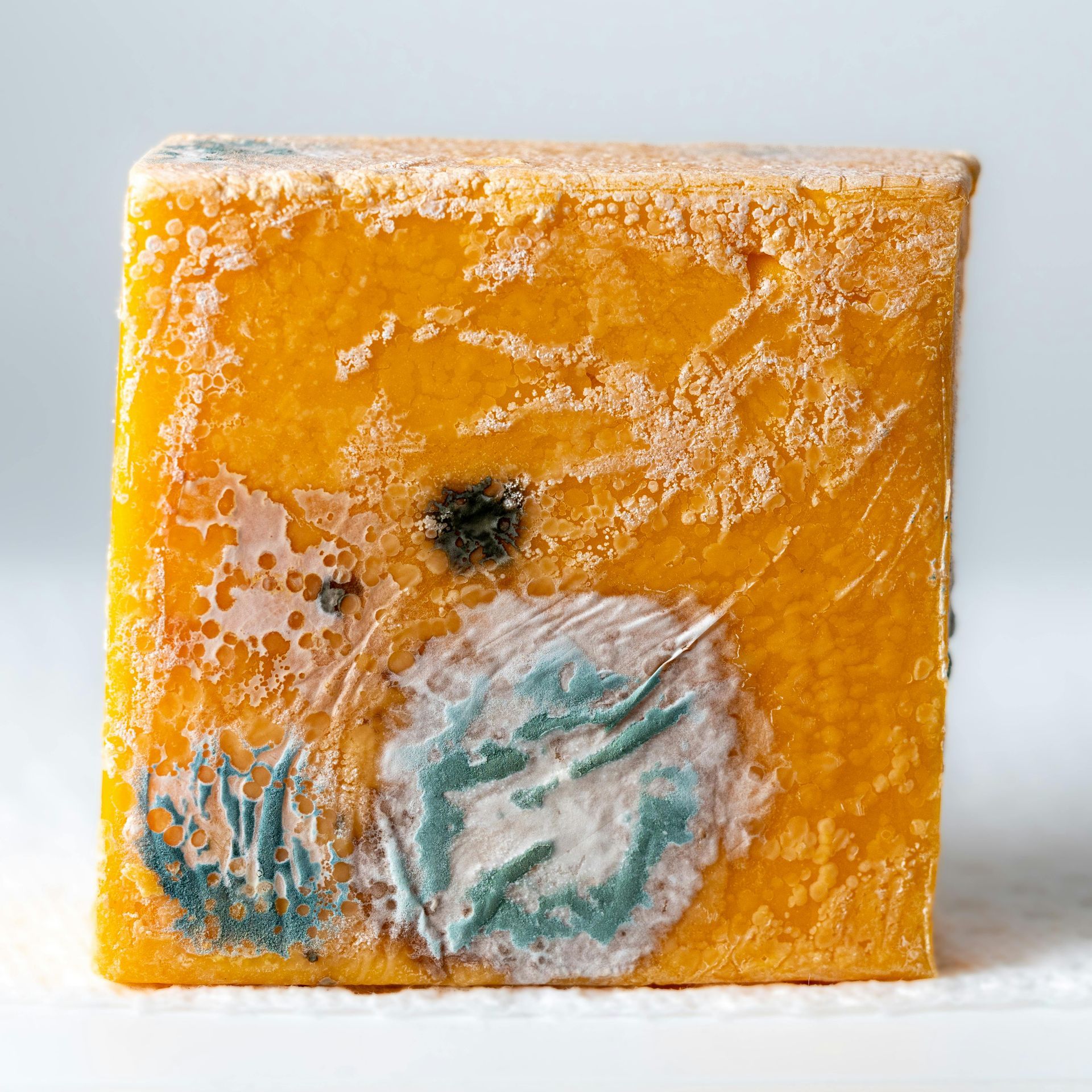
All mold needs to grow is moisture, warmth, and a food source like drywall, wood, or fabric. Once water damage occurs, mold can begin developing in as little as 24 hours. This is why speed is so important.
Common Types of Mold Caused by Water Damage

Not all mold is the same. Some types are more dangerous than others, and knowing what you're dealing with can help you respond more effectively.

Aspergillus

This type of mold comes in many colors, including black, white, yellow, and brown. It's one of the most common types found in homes and can be tricky to spot due to its variety of appearances. Aspergillus can cause respiratory issues and allergic reactions.

Stachybotrys (Black Mold)

Often referred to as "toxic black mold," this mold is slimy and dark. It usually shows up in areas with high humidity like bathrooms or basements. Black mold can produce mycotoxins, which are harmful and can cause serious health problems over time.

Cladosporium

This mold looks like black or green spots and is commonly found on fabrics, carpets, and HVAC systems. It's known for causing severe allergic reactions like coughing, sneezing, and even asthma attacks.

Ulocladium

Typically found around toilets and bathrooms, this black mold thrives in very wet conditions. It can latch onto things like wallpaper, wood, and even dust particles.

Signs of Mold After Water Damage

You don't have to be a mold expert to know something's wrong. Here are a few ways to spot mold in your home: musty or earthy smells, discoloration on walls, ceilings, or floors, warped or peeling paint and wallpaper, and increased allergy symptoms.

Bathrooms, kitchens, laundry rooms, and basements are mold hotspots due to their naturally higher humidity levels.
Essential Mold Prevention Tips

Here's where you take action. If your home suffers from water damage, follow these steps to stop mold before it starts.

Remove Standing Water Immediately

Act fast. Use towels, buckets, or a wet-dry vacuum to get rid of as much water as possible. The longer the water sits, the better the environment becomes for mold to grow.

Dry Affected Areas Thoroughly

Don't rely on sight alone. Surfaces may appear dry, but could still contain moisture underneath. Use fans, open windows, and run a dehumidifier to reduce moisture. Keep it going for at least 48 hours to be safe.

Discard Water-Damaged Items

Get rid of things that can't be dried completely, especially area rugs, upholstered furniture, books and papers, and insulation and drywall. These items can trap moisture and quickly become breeding grounds for mold.

Clean and Disinfect All Surfaces

Use a mix of water and bleach (1 cup of bleach to 1 gallon of water) to disinfect walls, floors, and baseboards. Make sure to wear gloves and proper protective gear. Don't mix bleach with other household cleaners.

Use a Dehumidifier

Even after everything is dried, the air in your home can still hold moisture. A dehumidifier helps keep humidity levels below 60%, which is the recommended range for preventing mold growth according to the EPA.

Mistakes to Avoid When Dealing with Water Damage

Sometimes the wrong move can make things worse.

Why DIY Mold Cleanup Can Backfire

While it might be tempting to spray some bleach and call it a day, this often doesn't work for deep-seated mold. You might just spread the spores around, especially if the HVAC system is running.

Don't Use Fans or HVAC Too Soon

Running your fans or HVAC system too early can actually spread mold spores throughout your home. Only use them once you're sure all water has been removed and surfaces are fully dry.

When to Call a Professional Mold Remediation Company

Sometimes the damage is just too extensive to handle on your own. If mold has spread to large areas or is growing in hard-to-reach places, it's time to bring in the pros.

What to Expect During Mold Remediation

Inspection & Assessment: Professionals will identify the type and extent of mold.

Containment: They'll isolate affected areas to prevent mold from spreading.

Air Filtration: HEPA filters and air scrubbers clean the air.

Mold Removal: Contaminated materials are removed safely.

Drying & Dehumidifying: Final step to ensure no moisture remains.

Certified Mold Specialists Make a Difference

When you hire a company like Sunshine State, you're getting certified professionals who specialize in both water damage restoration and mold remediation. They use state-of-the-art equipment and follow industry best practices to ensure your home is safe and mold-free.

From the initial inspection to the final step of drying and restoration, they provide comprehensive care every step of the way. Whether it's a minor leak or a major flood, Sunshine State is equipped to get your home back to a clean, healthy condition you can feel confident in.

Long-Term Strategies to Prevent Mold Recurrence

Prevention doesn't stop after the cleanup. Keep your home safe long-term by regularly inspecting your roof and plumbing, cleaning gutters to prevent water buildup, using exhaust fans in bathrooms and kitchens, checking for condensation on windows and pipes, and maintaining proper drainage around your home's foundation.

You can also check out the CDC's resources on mold prevention for more detailed steps.

Conclusion

Mold prevention starts with awareness and ends with action. The faster you respond to water damage, the less likely mold will have a chance to invade your home. Keep an eye out for signs, know when to call in help, and stay proactive with moisture control. Your health and home are worth it.

If you're dealing with water damage or suspect mold is starting to form, don't wait! Reach out to the experts at Sunshine State for fast, professional assistance.
House with enclosed patio; green lawn, trees, table and chairs inside patio.
By John Belizario February 8, 2026
Deciding between an ADU and a home addition for your Jacksonville property? Discover the key differences, costs, benefits, and which option best suits your needs and budget in this comprehensive guide.
Wooden animal toys (crocodile, giraffe, elephant) and trees on a white floor in front of a bed.
By John Belizario January 30, 2026
Discover how Accessory Dwelling Units (ADUs) offer flexible solutions for modern homeowners—from guest houses and home offices to rental income and multigenerational living spaces.
Small kitchen with off-white cabinets, a window, and a washing machine. Toilet paper rolls and black cabinets are also present.
By John Belizario January 27, 2026
Transform your small kitchen into an efficient, stylish space with smart storage solutions. Learn expert tips for maximizing every inch, from vertical shelving to custom cabinetry.
White kitchen cabinets and stainless steel refrigerator.
By John Belizario January 23, 2026
Deciding between an open concept or traditional kitchen layout? Discover the pros, cons, and key factors to help you choose the perfect kitchen design for your lifestyle and home.
Elegant bathroom with marble walls, a large mirror, a shower, and a bathtub.
By John Belizario January 19, 2026
Bathroom renovations can feel exciting at first—like you’re finally saying goodbye to that leaky faucet and ‘80s tile. But once the demo starts and you’re knee-deep in design decisions and dust, it’s easy to make mistakes that cost time, money, and your sanity. No matter if you’re taking the DIY route or working with a contractor, knowing what not to do is just as important as knowing what you want. Here’s a look at the most common bathroom remodel mistakes and how you can avoid making them yourself. Why Bathroom Renovation Mistakes Are So Costly It might be one of the smallest rooms in your home, but your bathroom is used daily—often by multiple people. Any functional or design flaw becomes obvious fast. Plus, moisture, plumbing, and electrical elements make bathroom remodels trickier than other rooms. Bathroom mistakes can lead to: Mold or water damage Poor lighting or ventilation Awkward layouts Wasted money on materials that don’t last Mistakes in this space aren’t just inconvenient—they can seriously affect your home's value. Planning and Design Mistakes Getting swept up in Pinterest ideas is fun, but don’t skip the boring (but crucial) planning phase. A good plan sets the foundation for a great result. Here’s where people go wrong: 1. No Budget (or a Vague One) Without a clear budget, you’ll either overspend fast or cut corners in the wrong places. A smart remodel budget should include: Materials Labor Permits Contingency (usually 10–20% for unexpected surprises) Knowing your numbers upfront lets you make confident decisions instead of panicked ones. 2. Rushing the Design Process Take your time with measurements, layout, and fixture selections. Rushing leads to poor fit, mismatched items, or regretting your tile choice once it’s already installed. Sketch it out. Use design software. Or better yet, consult with a pro who can help you visualize the final look. 3. No Design Theme Trying to combine farmhouse, modern, and boho styles all in one small space is a recipe for visual chaos. Pick a design direction and stick to it. This could mean: Neutral and spa-like Bold and moody Coastal and breezy Create a moodboard with your colors, materials, and textures so everything feels intentional. Tile and Material Mistakes Tile is often the star of the bathroom—but it’s also one of the trickiest elements to get right. What to Avoid: Buying tile too early (you might need more and get a mismatched batch) Choosing high-maintenance grout colors (white grout gets dirty fast) Using slick tiles on the floor (hello, slip hazard) Large-format porcelain tiles are usually the easiest to clean and maintain. If you're considering something more decorative, like mosaic or marble, limit it to an accent wall or backsplash. Before you order, check the tile’s Area of Use. Some tiles are only approved for walls, not floors. Learn more about tile ratings from this guide . Storage and Layout Errors A beautiful bathroom means nothing if there’s nowhere to stash your towels or toilet paper. Avoid: Minimal storage in favor of aesthetics Giant vanities that hog all the space Doors that swing into tight spots Better options: Recessed medicine cabinets Floating vanities for an open feel Built-in shelving in dead corners If your bathroom has limited square footage, use vertical space and opt for multi-purpose items like mirrors with hidden storage. Shower and Bathtub Installation Pitfalls Showers and tubs are where functionality often clashes with design trends. They may look stunning in showrooms or on Instagram, but not every stylish feature works well in everyday life. Here are some common regrets: Rain showerheads : They look luxurious, but many people find the straight-down water flow limiting and less effective for rinsing. They often lack water pressure and coverage compared to traditional angled showerheads. Open showers: Sleek and modern, but in colder climates they can feel drafty and uncomfortable—especially without a door to trap steam and warmth. Oversized soaking tubs : Deep and dramatic, but they can easily exceed your water heater’s capacity, leaving you with a lukewarm bath instead of a relaxing soak. Make sure you know: Your tub’s gallon capacity Your water heater’s size Whether your shower hardware can split pressure evenly across multiple heads An open, doorless shower may work in Florida, but not so much in Minnesota. And placing the shower controls where you have to step in to turn them on? That’s a daily annoyance waiting to happen. Lighting and Ventilation Mistakes Bad lighting = bad vibes and bad grooming. Here is what works: Ambient lighting : Ceiling lights or LED strips for general brightness Task lighting : Vanity lights or sconces at eye level Accent lighting : A pendant light over the tub or niche lighting in the shower Avoid just relying on a single ceiling light. It creates shadows and makes tasks like shaving or applying makeup harder. Also, don’t forget about ventilation. A good exhaust fan prevents moisture buildup, mold, and mirror fog. Consider a timer switch or humidity sensor for maximum efficiency. Heated Floors and Smart Upgrades A heated bathroom floor is one of those things you don’t realize you need until you try it. It’s especially helpful if you have tile floors and cold winters. For even more comfort: Extend the heating to the shower floor Coordinate carefully between the electrician and tile installer Choose a system with a warranty and accessible controls You can also install heating mats between joists from below, which makes future repairs easier. When DIY Goes Wrong It’s tempting to save money by doing the work yourself, but bathrooms are not the place to experiment unless you’re really experienced. Here’s what DIYers often mess up: Improper waterproofing (which leads to mold behind tile) Bad tile cuts or spacing Misplaced plumbing fixtures Uneven floors or vanity installation Sometimes it's cheaper in the long run to hire professionals. That’s where Sunshine State comes in. Based in Florida, they specialize in high-quality, stress-free home improvement projects, including complete bathroom remodels. Their team can handle everything from demolition and plumbing to tile work, lighting, and fixture installation—saving you time, preventing costly errors, and making sure your vision becomes reality. Whether you're going for a modern minimalist look or a cozy spa-like retreat, Sunshine State works with you every step of the way. Their attention to detail and use of durable, moisture-resistant materials ensure your bathroom will not only look great but also stand up to daily use for years to come. Toilet Placement and Accessibility The toilet might not be the most glamorous feature, but poor placement can create a lot of discomfort. Make sure to watch out for: Cramped toilet “closets” that are hard to clean or access in emergencies Toilets that are too close to vanities or tubs No outlets for future bidet upgrades Also, consider accessibility for aging in place or hosting elderly relatives. Features to think about: Walk-in showers with grab bars and hand-held showerheads Wider doorways Lever handles instead of knobs ADA-compliant fixture heights A little foresight goes a long way in making your bathroom safe and usable for everyone. Choosing the Wrong Paint and Finishes Bathrooms deal with steam, splashes, and daily wear and tear. Avoid: Flat or matte paint (shows every splash and fingerprint) Beadboard with deep grooves (hard to clean) Trendy finishes that don’t age well Go for semi-gloss or satin paint finishes that repel moisture. Choose durable materials like porcelain or sealed stone, and don’t forget to seal your grout lines. Conclusion A bathroom remodel is a big investment. To get the most out of it: Set a realistic budget Plan your design and layout carefully Use high-quality, water-resistant materials Think ahead about lighting, heating, and accessibility Ready to remodel without the regrets? Sunshine State is your trusted partner for bathroom renovations done right. From custom tile work to expert plumbing and smart design solutions, they’ll help you create a space that suits your lifestyle!
Person wearing hard hat and gloves installing molding on a white wall near a window.
By John Belizario January 11, 2026
Discover smart energy-efficient options for ADU builds that lower utility bills and boost sustainability. Learn about strategies to create a high-performing ADUs.
June 25, 2025
Accessory Dwelling Units (ADUs) are changing the way people think about living space. These compact, independent structures aren't just an add-on to your backyard—they're a flexible solution for modern homeowners. You can turn an ADU into a guest suite, use it as a dedicated office, rent it out for extra income, or even provide private quarters for a loved one. ADUs are more than just a trend—they're a smart way to add function, value, and versatility to your property. Read on to discover how an ADU can meet your evolving needs and why more people are embracing this powerful housing solution.
June 18, 2025
Accessory Dwelling Units, or ADUs, are small, self-contained homes built on the same lot as a primary residence. They can be detached, attached, or even converted from garages or basements. ADUs have gained popularity as flexible, functional solutions for extended family, rental income, or remote workspaces. A well-designed ADU depends on its floor plan and layout, so understanding the common designs can help you make the right decisions for your space, budget, and goals. In this article, we’ll break down popular ADU layouts and what to consider when choosing the right one—so you can build smarter and maximize your investment. Keep reading to find the best fit for your needs.
A living room with a couch , table , chairs and potted plants.
June 11, 2025
Curious about the ROI of building an ADU? Discover how accessory dwelling units can generate rental income and boost your property’s value.
A screened in porch with a couch , table , chairs and a ceiling fan.
June 5, 2025
Thinking about a sunroom addition? Explore costs, design ideas, and the benefits of adding a bright, relaxing space to your home.