7 Ways an ADU Can Increase Your Jacksonville Home's Value
In Jacksonville's competitive real estate market, homeowners are constantly seeking smart investments that enhance their property's value and appeal. Among the most promising opportunities available today is the construction of an Accessory Dwelling Unit (ADU). These versatile secondary residences—whether detached cottages, converted garages, or attached in-law suites—offer remarkable potential for increasing your home's market value while providing immediate lifestyle and financial benefits.
At Sunshine State Professional Services, we've witnessed firsthand how well-designed ADUs transform Jacksonville properties into highly sought-after assets. Our decades of experience in ADU construction throughout Northeast Florida have shown us that these investments consistently deliver exceptional returns. Whether you're considering building an ADU for rental income, multigenerational living, or simply to maximize your property's potential, understanding how these structures add value is essential for making informed decisions about your real estate investment.
Let's explore seven powerful ways an ADU can significantly increase your Jacksonville home's value, from generating passive income streams to appealing to diverse buyer demographics in Florida's dynamic real estate market.
1. Generate Substantial Rental Income That Attracts Investment-Minded Buyers
One of the most compelling ways ADUs increase property value is through their proven ability to generate consistent rental income. Jacksonville's strong rental market, driven by its growing population, expanding job market, and proximity to major employers like Mayo Clinic and Naval Air Station Jacksonville, creates ideal conditions for ADU rentals. Properties with established rental income streams command premium prices because they offer buyers immediate financial returns alongside residential benefits.
In Jacksonville's diverse neighborhoods, ADU rental rates typically range from $1,200 to $2,500 monthly depending on size, location, amenities, and proximity to employment centers or beaches. A well-appointed 600-square-foot ADU in Riverside or San Marco might command $1,800 monthly, while a larger 900-square-foot unit near Jacksonville Beach could fetch $2,200 or more. This translates to annual rental income of $14,400 to $30,000, significantly offsetting mortgage payments and property expenses while building long-term wealth.
Real estate investors and financially savvy buyers specifically search for properties with income-generating potential, and ADUs meet this criterion perfectly. When listing your property, you can market the ADU's rental history, demonstrating proven income potential backed by actual rental agreements and payment records. This tangible evidence of cash flow makes your property substantially more valuable than comparable homes without secondary income sources. Financial institutions recognize this value as well—properties with documented rental income often qualify for higher appraisals and more favorable loan terms.
Beyond long-term rentals, Jacksonville's coastal location and tourist attractions create opportunities for short-term vacation rentals in certain neighborhoods. Beach communities like Atlantic Beach, Neptune Beach, and Jacksonville Beach allow short-term rentals in many areas, potentially generating even higher returns during peak tourist seasons. A strategically located ADU used for vacation rentals can earn significantly more than traditional long-term rentals, though this requires more active management and compliance with local short-term rental regulations.
The income potential doesn't just benefit you as the current owner—it dramatically increases your property's appeal when you eventually sell. Prospective buyers can immediately see how the ADU will contribute to their household budget, whether they're investors seeking rental properties, families needing help with mortgage payments, or retirees looking for supplemental income. This broad appeal translates directly into faster sales, multiple offers, and higher selling prices that reflect the ADU's income-generating capacity.
2. Appeal to the Growing Multigenerational Housing Market
America's demographic landscape is shifting dramatically, with multigenerational living arrangements becoming increasingly common across all income levels and cultural backgrounds. According to Pew Research Center data, multigenerational households have grown substantially in recent decades, driven by factors including rising housing costs, increased longevity, cultural preferences, and economic practicality. This demographic trend significantly impacts real estate values, and properties equipped to accommodate multigenerational families command substantial premiums in today's market.
ADUs provide the perfect solution for families seeking to live near each other while maintaining independence and privacy. Jacksonville's family-oriented communities, combined with Florida's appeal as a retirement destination, create strong demand for properties that support multigenerational arrangements. Aging parents from northern states often relocate to Florida to be near adult children, while young adults increasingly return home during career transitions or to save for their own home purchases. ADUs accommodate both scenarios elegantly.
For elderly parents, an ADU offers dignity and independence while keeping family caregivers nearby. Rather than moving into assisted living facilities that cost $3,000 to $6,000 monthly in Jacksonville, seniors can live comfortably in a private ADU for a fraction of that cost while remaining connected to family support networks. Adult children benefit from proximity to aging parents without sacrificing privacy or household autonomy. This arrangement appeals strongly to the sandwich generation—adults caring simultaneously for aging parents and their own children—who need flexible living solutions.
Young adults also benefit tremendously from ADU arrangements. College graduates launching careers, adults saving for down payments, or families going through transitions can live affordably while maintaining independence. A 25-year-old starting their professional career can live in the family ADU, contributing to household expenses while building savings and career momentum without the burden of full market-rate rent or apartment leases. This arrangement benefits everyone involved while the ADU continues appreciating as a valuable property asset.
When you sell your Jacksonville home, the ADU's multigenerational appeal dramatically expands your potential buyer pool. Real estate agents report that properties with ADUs attract significantly more showing requests and offers because they appeal to multiple buyer demographics simultaneously. Families with elderly parents, adult children, or other relatives actively seek these properties, often willing to pay premium prices for turnkey multigenerational solutions rather than undertaking expensive renovations themselves.
3. Increase Total Living Space Without Sacrificing Lot Usability
Traditional home value calculations heavily weigh total livable square footage. In Jacksonville's real estate market, additional square footage directly correlates with higher property values, typically adding $100 to $200 per square foot to your home's worth depending on neighborhood, quality of construction, and finishes. ADUs efficiently increase your property's total living area while preserving your primary home's layout and your lot's outdoor recreational space.
A well-designed 800-square-foot ADU can add $80,000 to $160,000 to your property's value based on square footage alone, before considering the additional value generated by rental income potential, design quality, and market demand. This calculation becomes even more favorable when you consider that ADUs typically cost $150 to $300 per square foot to construct in Jacksonville, meaning a $120,000 to $240,000 investment in an 800-square-foot ADU can yield comparable or greater value increases, especially over time as the property appreciates.
Unlike home additions that extend your primary residence's footprint, ADUs preserve your main house's floor plan while adding separate, functional living space. This distinction matters significantly to buyers who want additional square footage but don't want their primary home's layout compromised or their property feeling cramped. An ADU in the backyard maintains the main house's original charm and character while providing entirely new living space that doesn't disrupt daily routines or require integrating into existing structures.
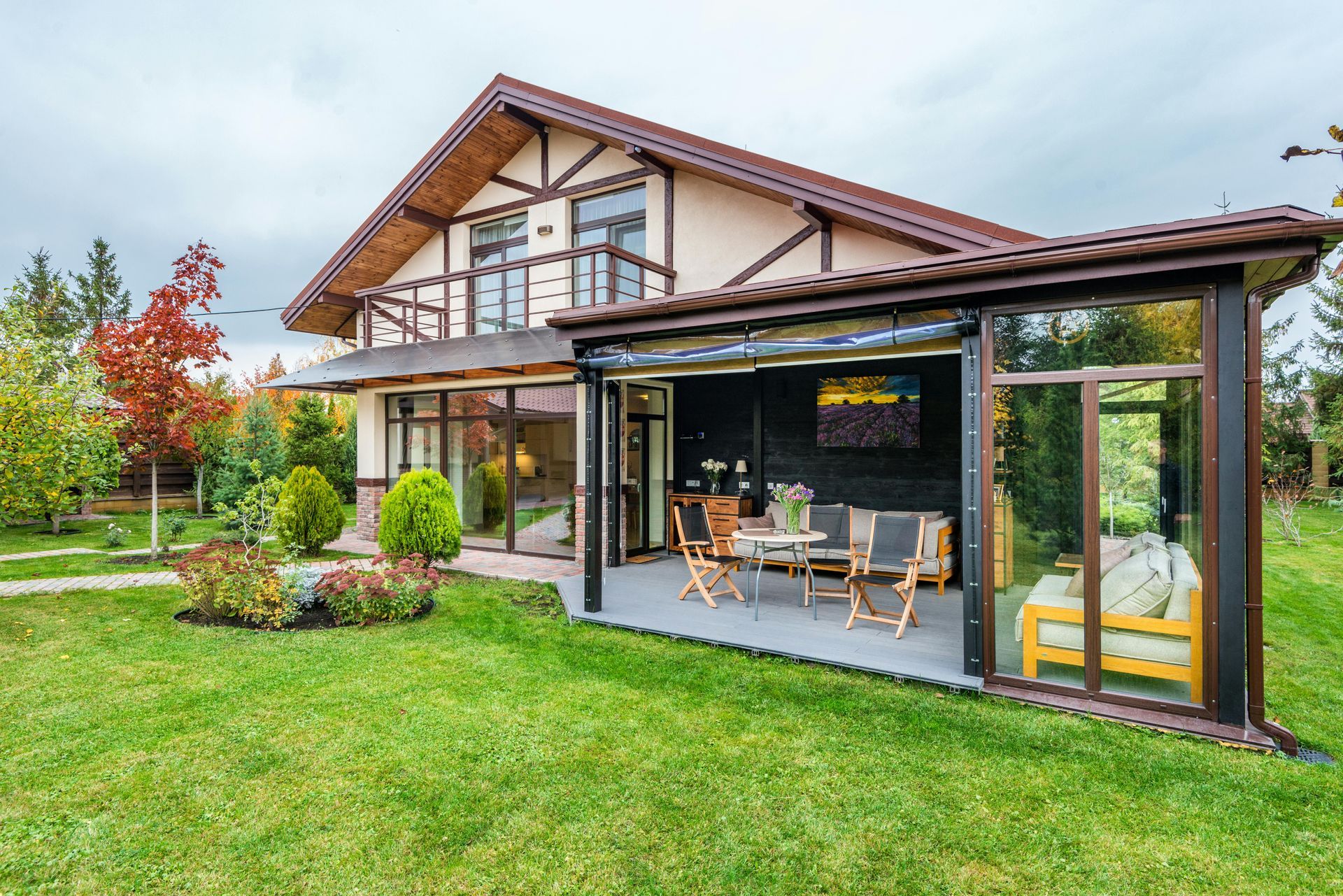
ADUs also maintain or even enhance outdoor living space compared to large home additions. Florida's wonderful climate makes outdoor entertaining, dining, and recreation essential lifestyle components. By building an ADU as a separate structure, you preserve most of your yard for pools, patios, gardens, play areas, and entertainment spaces. Many Jacksonville homeowners actually enhance their outdoor areas when building ADUs by incorporating connecting pathways, shared courtyards, outdoor kitchens, and landscaping improvements that create cohesive, resort-like properties that command premium prices.
The versatility of ADU placement on your lot also adds value. Whether positioned as a backyard cottage with garden views, a garage conversion that maximizes existing structures, or an attached unit with its own entrance, ADUs can be strategically located to optimize privacy, views, sun exposure, and outdoor space usage. This design flexibility allows you to maximize your entire property's potential rather than simply expanding your main house in whatever direction lot lines permit.
4. Provide Flexible Space That Adapts to Changing Market Demands
One of the most valuable yet overlooked aspects of ADUs is their remarkable adaptability to changing needs and market conditions. Unlike permanent home additions that serve single purposes—a sunroom is always a sunroom, a garage is always a garage—ADUs function as flexible spaces that can transform based on owner needs or buyer preferences. This versatility significantly increases property value by appealing to broader buyer demographics and adapting to evolving real estate trends.
An ADU can seamlessly transition between multiple uses throughout its lifetime: rental property generating passive income, guest house for visiting family and friends, home office or creative studio for entrepreneurs and remote workers, fitness center or personal gym, artist or music studio, pool house and entertainment space, teenage retreat for growing families, or recovery space for family members needing temporary care. This adaptability means your property investment never becomes obsolete or limited to a single function.
The rise of remote work has dramatically increased demand for dedicated home office spaces separate from primary living areas. Jacksonville's growing tech sector, combined with many companies adopting permanent remote work policies, means professionals increasingly seek properties with separate workspaces. An ADU provides the ideal home office solution—completely separate from household distractions, with room for video conferences, client meetings, and focused work. Properties offering these amenities command premiums in markets serving remote workers and entrepreneurs.
Similarly, the gig economy and creative economy have expanded dramatically, with more people pursuing freelance work, artistic endeavors, small businesses, and side projects requiring dedicated space. Musicians need soundproof studios, artists need natural light and ventilation, content creators need production spaces, and small business owners need storage and workspace. ADUs accommodate all these needs while keeping work separate from home life, appealing to the growing segment of entrepreneurial buyers.
When marketing your property, this flexibility becomes a powerful selling point. Rather than positioning the ADU for a single purpose, savvy sellers and their agents showcase multiple use possibilities, allowing potential buyers to envision how the space meets their specific needs. A family might see it as a teenage hangout, while a buyer couple envisions it as a rental property, and a creative professional imagines it as a studio. This broad appeal generates more interest, more offers, and ultimately higher selling prices as buyers compete for properties offering such versatility.
5. Stand Out in Competitive Real Estate Markets
In Jacksonville's dynamic real estate market, where inventory levels fluctuate and buyers have numerous options, properties need distinctive features to stand out and command premium prices. ADUs provide exactly this type of differentiation—they're still relatively uncommon in many Jacksonville neighborhoods, making properties with ADUs memorable, unique, and highly desirable among competing listings.
When buyers scroll through online listings or tour properties with their agents, ADUs immediately capture attention and imagination. While most homes in a given price range offer similar features—three or four bedrooms, two or three bathrooms, standard lot sizes—a property with an ADU offers something distinctly different and valuable. This differentiation translates into more showing requests, longer time spent viewing the property, and stronger emotional connections that drive competitive offers.
Real estate agents consistently report that ADU properties generate significantly more buyer interest than comparable homes without secondary dwellings. The ADU becomes a focal point in marketing materials, property descriptions, and showing presentations. Professional photographers can showcase both the primary residence and the ADU, effectively providing buyers with two complete living spaces in one property. This visual appeal in marketing materials helps your property stand out in crowded online listings where buyers make split-second decisions about which homes to view.
In neighborhoods where ADUs are particularly rare, yours becomes "the house with the cottage" or "the property with the in-law suite," creating memorable impressions that keep your listing top-of-mind as buyers make decisions. This psychological advantage shouldn't be underestimated—buyers often remember distinctive properties long after viewing numerous similar homes, and memorable properties receive more second showings and serious offers.
The scarcity value of ADUs also creates pricing advantages. When relatively few properties in your market segment offer ADUs, basic supply and demand economics work in your favor. Buyers specifically seeking ADU properties have limited options and often compete vigorously for available listings, driving prices above comparable homes without ADUs. This scarcity premium can add 15-25% to your property's value in markets where ADUs are desirable but uncommon.
Additionally, properties with ADUs often appear in specialized search categories and marketing channels focused on investment properties, multigenerational homes, or unique features. This expanded exposure reaches buyer segments that might not have otherwise considered your property, further increasing demand and competitive pressure that drives higher selling prices.
6. Demonstrate Future-Proof Investment Value
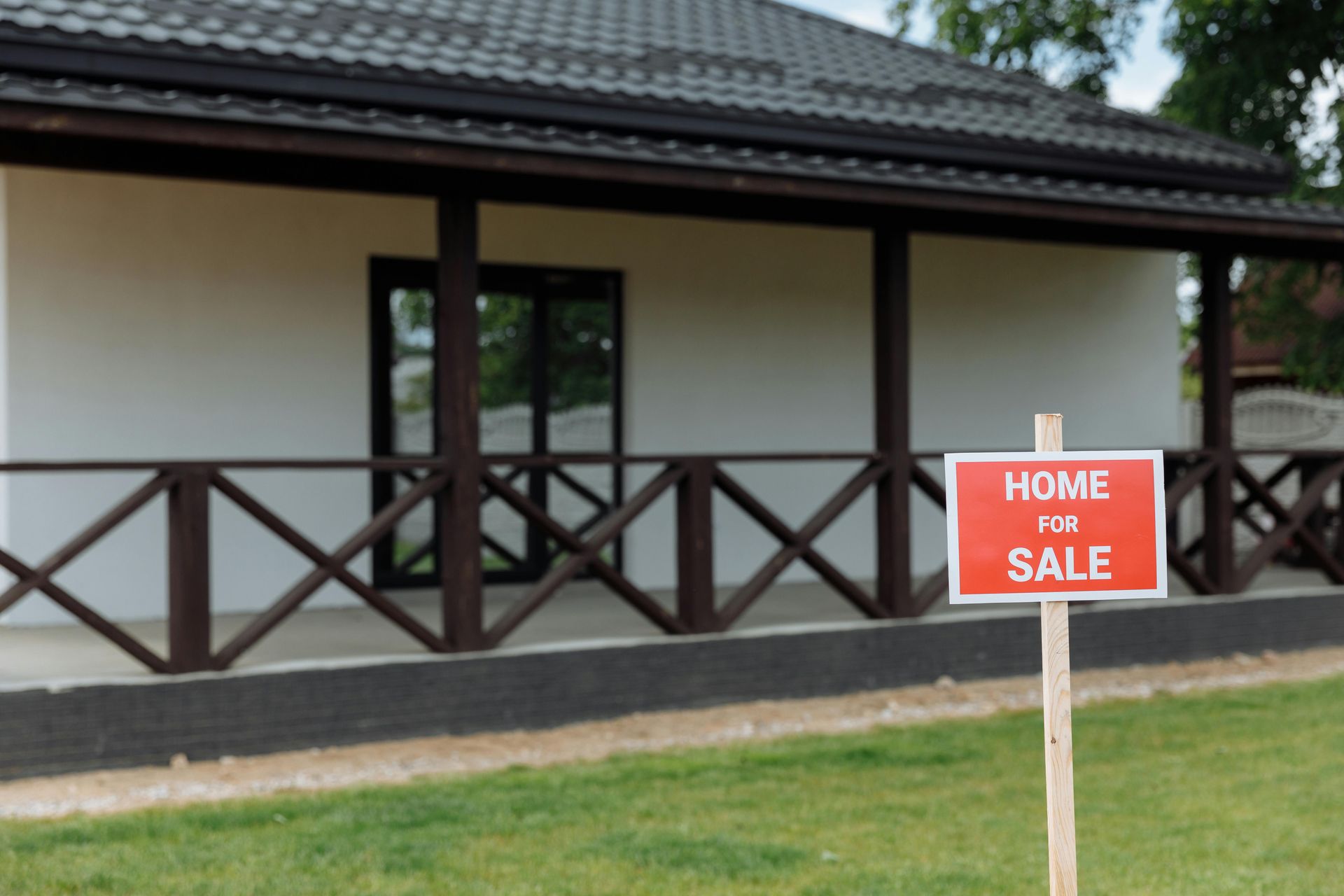
Forward-thinking buyers increasingly evaluate properties based on long-term value and adaptability rather than just current needs. ADUs demonstrate exceptional future-proof value because they address multiple emerging trends shaping real estate demand: aging in place and accessible design for America's growing senior population, housing affordability challenges affecting young adults and first-time buyers, remote work and entrepreneurship requiring dedicated workspaces, sustainable living and efficient use of existing land resources, and income diversification strategies in uncertain economic times.
Jacksonville's growing population and limited housing inventory create ongoing demand for diverse housing solutions. As the city continues expanding and housing costs rise, ADUs become increasingly valuable as affordable housing options within established neighborhoods. Properties offering this housing flexibility will command premiums as demographic and economic pressures intensify. Buyers recognize that ADUs provide insurance against future uncertainty—they can generate income during economic downturns, house family members during personal transitions, or provide living space as households grow and change.
The construction quality and permanence of ADUs also communicate long-term value to buyers. Unlike temporary solutions or makeshift arrangements, a properly permitted and constructed ADU represents a permanent property improvement that will serve future owners for decades. Building codes ensure structural integrity, energy efficiency, and safety standards that protect the investment over time. This permanence and quality construction justify premium pricing that temporary or lower-quality improvements cannot command.
Environmental consciousness and sustainable living preferences also enhance ADU value. Rather than encouraging suburban sprawl and new construction consuming undeveloped land, ADUs efficiently utilize existing residential lots within established communities. This sustainable approach appeals to environmentally conscious buyers who value walkable neighborhoods, reduced commuting, preservation of green spaces, and efficient resource use. As environmental concerns influence more buyers' decisions, properties demonstrating sustainable development principles command increasing premiums.
The regulatory environment also supports ADU value growth. Many cities across America, recognizing ADUs' role in addressing housing shortages, are simplifying permitting processes and relaxing restrictions on secondary dwellings. This regulatory trend suggests ADUs will become more mainstream and valuable over time as barriers to construction decrease and demand increases. Early adopters who build ADUs now position themselves advantageously for future appreciation as these units become more widely recognized and valued in real estate markets.
7. Increase Appraisal Value Through Comparable Sales and Income Approach
When properties sell, professional appraisers determine fair market value using established methodologies that directly benefit properties with ADUs. Understanding how appraisers evaluate ADU-equipped properties illuminates why these investments reliably increase home values beyond subjective buyer preferences. The three primary appraisal approaches—sales comparison approach, income approach, and cost approach—all recognize and reward ADU value in ways that translate to higher appraised values and selling prices.
The sales comparison approach analyzes recently sold comparable properties to determine fair market value. As more Jacksonville properties with ADUs sell at premium prices, they establish higher comparable sales data that elevates values for all ADU properties. When an appraiser evaluates your ADU-equipped home, they search for similar properties that have sold recently. If comparable ADU properties sold for $450,000 while similar homes without ADUs sold for $375,000, your property's appraised value will reflect this premium. Each successful ADU sale strengthens this comparable data, creating an upward value trajectory for all ADU properties in the market.
The income approach, particularly relevant for rental properties and income-generating features, calculates value based on the property's ability to generate revenue. For ADUs with established rental history or clear rental potential, appraisers use rental income data to calculate additional property value. Using standard capitalization rates, an ADU generating $1,500 monthly ($18,000 annually) might add $180,000 to $225,000 to your property's appraised value depending on market conditions and cap rates. This income-based valuation demonstrates how rental ADUs can increase property value by amounts exceeding construction costs.
The cost approach evaluates value by calculating replacement cost—what it would cost to rebuild the property from scratch. Quality ADU construction typically costs $150 to $300 per square foot in Jacksonville. An 800-square-foot ADU with $200-per-square-foot construction costs represents $160,000 in added value through the cost approach. When combined with land value allocation for the additional dwelling and depreciation adjustments, the cost approach typically supports substantial value increases for properties with newer ADUs in good condition.
Professional appraisers also consider qualitative factors that boost ADU property values: superior functionality compared to similar properties without ADUs, market appeal and demand from multiple buyer demographics, regulatory compliance and proper permitting documentation, construction quality and integration with the primary residence, and utility and versatility for multiple potential uses. These factors combine to support higher appraised values that justify premium selling prices and provide necessary documentation for financing purposes.
For buyers financing their purchase, the appraised value determines maximum loan amounts and required down payments. Higher appraisals enabled by ADU value mean buyers can finance more of your asking price, expanding the pool of qualified buyers and reducing financing obstacles that derail sales. This practical benefit of higher appraisals translates directly into smoother transactions and successful closings at premium prices.
Maximizing Your ADU Investment for Optimal Value Increase
While ADUs inherently increase property value, certain strategies maximize returns and ensure your investment delivers optimal financial benefits. Working with experienced professionals like Sunshine State Professional Services ensures your ADU project incorporates best practices that maximize both immediate functionality and long-term value appreciation.
Design quality significantly impacts ADU value. Thoughtful architectural design that complements your primary residence while incorporating contemporary amenities creates ADUs that appeal to discerning buyers and command premium prices. Jacksonville's climate allows for design features that enhance livability and value: high ceilings with ceiling fans for air circulation and spaciousness, impact-resistant windows providing hurricane protection and insurance benefits, covered outdoor spaces extending living areas for year-round enjoyment, energy-efficient systems reducing utility costs and environmental impact, and quality interior finishes including modern kitchens and bathrooms.
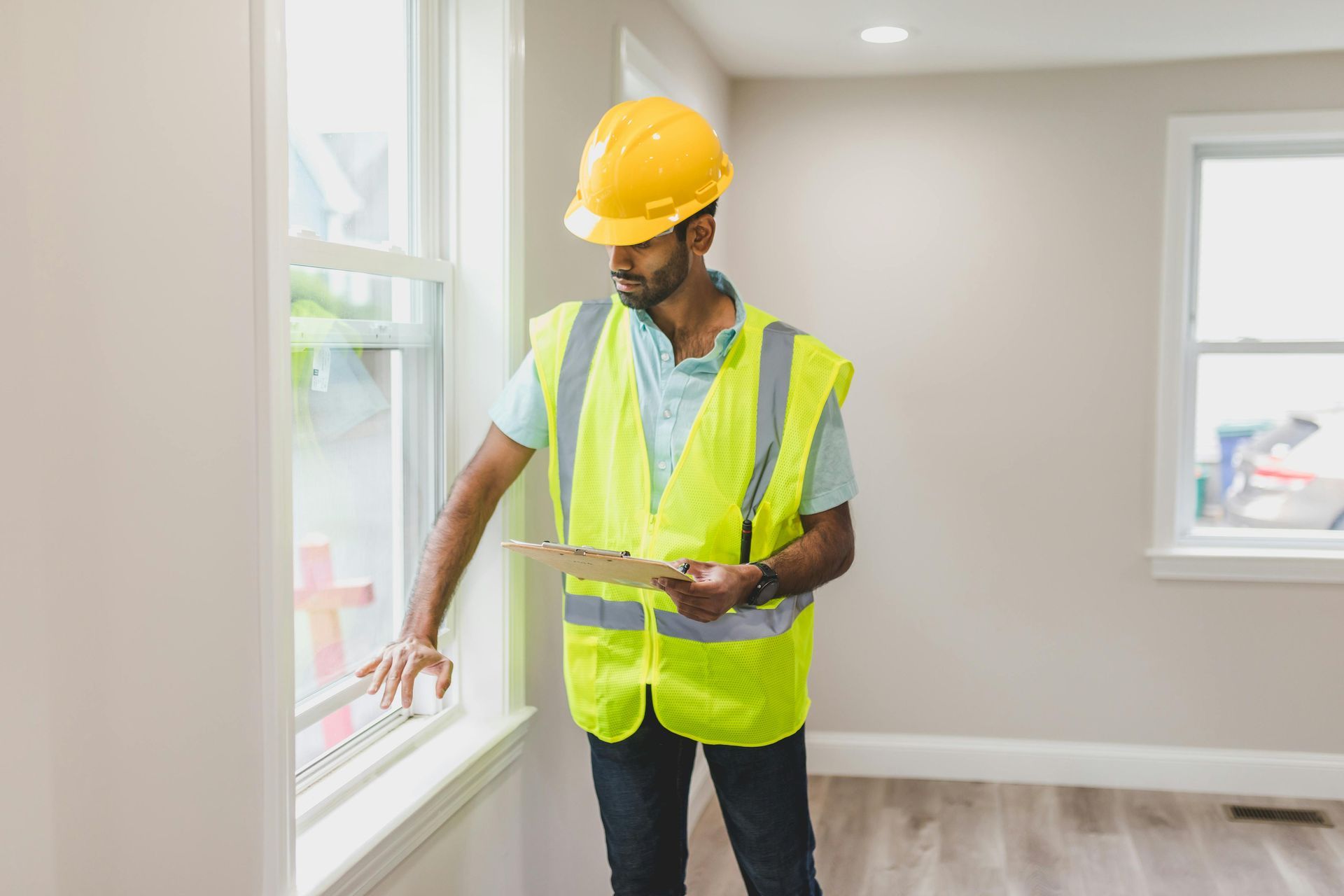
Proper permitting and code compliance prove essential for value maximization. Unpermitted construction creates liability issues, insurance complications, and title problems that devastate property values and derail sales. Professional contractors ensure all work meets current building codes, obtains necessary permits, passes required inspections, and generates documentation supporting appraised value and buyer confidence. This upfront investment in proper processes protects and enhances your long-term value while avoiding catastrophic complications during sale transactions.
Location and placement on your lot also affect ADU value. Strategic positioning maximizes privacy for both dwellings, optimizes views and natural light, preserves outdoor living spaces, creates attractive curb appeal, and ensures accessibility and functionality. Experienced designers evaluate your lot's topography, orientation, existing structures, and landscaping to determine optimal ADU placement that enhances your entire property's appeal and value.
Size considerations balance construction costs against value creation. While larger ADUs provide more living space and potential rental income, they also cost more to build and may face additional regulatory restrictions. Most Jacksonville properties benefit from ADUs between 500 and 900 square feet—large enough to function as complete residences with full kitchens and bathrooms, yet small enough to remain cost-effective and compliant with local regulations. This sweet spot maximizes value creation while controlling investment costs.
Conclusion: Partner with Jacksonville's ADU Experts
The seven ways ADUs increase Jacksonville home values—rental income generation, multigenerational appeal, increased living space, flexible functionality, market differentiation, future-proof investment, and enhanced appraisal value—combine to create compelling investment opportunities for property owners throughout Northeast Florida. Whether your primary motivation is immediate rental income, accommodating family members, or maximizing long-term property appreciation, ADUs deliver measurable financial returns that exceed most home improvement investments.
At Sunshine State Professional Services, we specialize in designing and building ADUs that maximize value for Jacksonville homeowners. Our comprehensive approach addresses every aspect of successful ADU development: architectural design that complements your property and maximizes functionality, permit navigation ensuring code compliance and proper documentation, quality construction using skilled craftsmen and premium materials, budget management delivering projects on time and within budget, and value optimization incorporating features that maximize long-term appreciation.
Our decades of experience in Jacksonville's construction and real estate markets give us unique insights into building ADUs that resonate with local buyers, comply with regional regulations, and withstand Florida's climate challenges. We understand which design features command premium prices, which construction details satisfy appraisers, and which strategies maximize returns on your ADU investment.
Ready to increase your Jacksonville home's value with a professionally designed and constructed ADU? Contact Sunshine State Professional Services today for a complimentary consultation. We'll evaluate your property, discuss your goals and budget, provide detailed project proposals, and share insights on maximizing your ADU's value potential. Whether you're considering a detached cottage, garage conversion, or attached in-law suite, we'll guide you through every step of the process.
Let us help you unlock your property's potential and create an ADU that delivers exceptional value today and for years to come. Call us at 904-517-2427 or visit www.sunshinestatepro.net to schedule your free consultation and discover how an ADU can transform your Jacksonville property into a higher-value, more versatile asset that meets your family's needs while building lasting wealth.