Custom Home Building Cost in Jacksonville, FL: 2026 Pricing & Permit Guide | Sunshine State Pro
If you've been circling Jacksonville listings for months without finding a home that actually fits, you're not alone. Higher interest rates have pushed a lot of local homeowners to stop chasing the resale market and start asking a different question: what would it cost to just build the home we actually want? For a growing number of Northeast Florida families, a ground-up custom home is turning out to be more realistic than it sounds — but only if you go in with real numbers, not a rough guess from a home-improvement show.
This guide walks through what a custom home actually costs to build in Jacksonville in 2026, what the City's permit process requires before you can break ground, and how construction loan financing works. We'll also cover when building new beats renovating or adding on, and why having one licensed team handle the whole project from blueprint to final inspection matters more than most first-time builders expect.
1. What It Actually Costs to Build a Custom Home in Jacksonville, FL in 2026
As of 2026, building a custom home in the Jacksonville area typically runs $150 to $300 per square foot , not including the cost of the lot itself. That range breaks down roughly by finish level: entry-level builds with standard finishes and simpler floor plans land around $150–$180 per square foot, mid-range custom homes with upgraded finishes and more architectural detail run $180–$250, and luxury builds with premium materials and custom millwork push $250–$400 or more.
Put in real terms, a 2,500-square-foot custom home lands somewhere between roughly $375,000 and $750,000 before land costs, depending almost entirely on finish level and lot conditions. Industry cost-benchmarking sources note that Jacksonville tracks fairly close to the national median for mid-range builds, which is a useful sanity check when you're comparing quotes from different builders a number that's dramatically below or above this range is worth asking hard questions about.
These figures move throughout the year as material and labor costs shift, so it's worth getting an updated quote close to when you actually plan to break ground rather than budgeting off numbers that are even a few months old.
2. What Moves Your Price Per Square Foot Up or Down
The per-square-foot number is only the starting point. A few factors do most of the work in moving your final budget:
- Lot and land costs. A lot in an established Jacksonville neighborhood can cost far less than land in a newer master-planned community, where premiums for water views or preserve lots can add $50,000 or more to the total project.
- Site preparation. Florida's flat terrain generally keeps site prep cheaper than hillier regions, but flood zone requirements, soil conditions, and drainage needs can still add real cost, especially near coastal or low-lying parcels. If your lot falls inside a mapped flood zone, budget for that early rather than finding out mid-permit.
- Finish level and builder type. Production builders working repeat floor plans in large communities tend to offer more predictable, lower per-square-foot pricing. Custom builds cost more per square foot but give you control over every layout and finish decision.
- Permit and impact fees. Jacksonville and the surrounding counties charge permit and impact fees that fund infrastructure like roads and schools, and they vary by jurisdiction. These can add several thousand dollars to your total, particularly in fast-growing areas.
Whatever quote you're comparing, ask the builder directly whether it includes the lot, what finish level is assumed, and whether permit and impact fees are already built in. A lower per-square-foot number that excludes major line items isn't actually the better deal.
3. The Jacksonville Permit Process for New Home Construction
Building new in Duval County means clearing the City's full residential permitting process before a shovel goes in the ground and it's more involved than most homeowners expect. Here's what it actually requires, based on the City of Jacksonville Building Inspection Division's own published process:
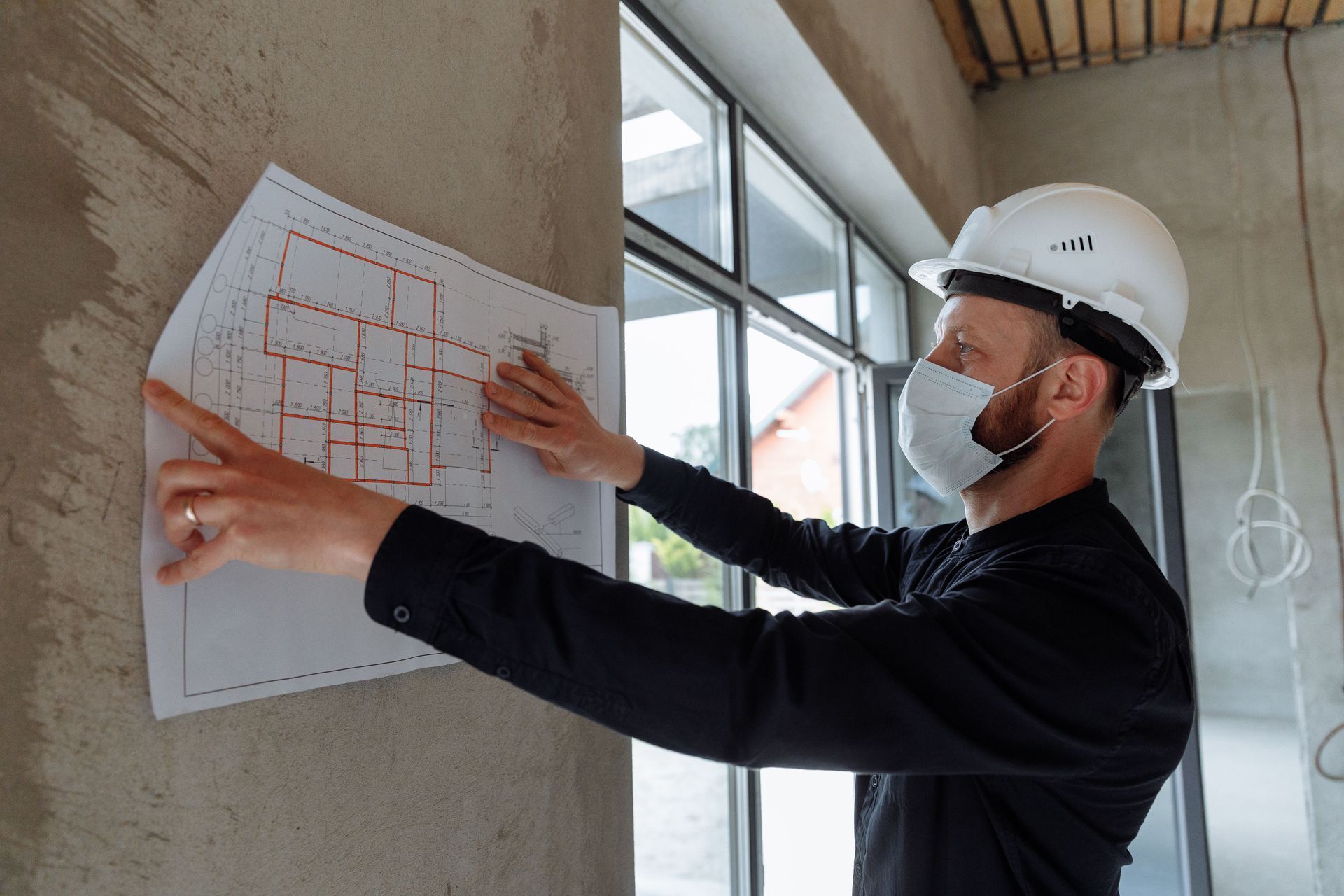
- Application. You'll need two complete sets of architectural plans, site plans, truss engineering when applicable, and three sets of energy calculations and Manual J load calculations for any new heated or cooled space. New homes also require a septic tank construction permit where applicable.
- Zoning review. Your site plan gets checked against zoning designation, height limits, lot coverage, and setback requirements, plus any recorded covenants or deed restrictions on the property.
- Architectural plan review. The City verifies your plans meet Florida's hurricane wind force requirements and the state residential energy code before approval moves forward.
- Notice of Commencement. Any project where improvements exceed $5,000 requires a recorded Notice of Commencement filed with the Clerk of Courts before the first inspection can be requested every new home build clears that threshold.
- Flood zone documentation. If the lot sits in a special flood hazard area, the City requires two FEMA Elevation Certificates prepared by a licensed surveyor: one at completion of the finished floor, and a second once construction is complete.
The City also publishes a direct warning about unlicensed contractors: watch for anyone who asks you to pull the permit yourself, requires a large down payment before work begins, or has no license number on their vehicle, business card, or contract. If you hire an unlicensed contractor, you — not them — are held responsible for the work. It's worth taking five minutes to verify a contractor's license before signing anything, new build or otherwise.
One more detail worth planning around: progress payments on a build typically follow a draw schedule tied to construction milestones something like 20% at site clearing and slab work, 35% at dry-in and rough plumbing/electrical, 35% once interior finishes and equipment are installed, and a final 10% held until the Certificate of Occupancy is issued. Get this schedule spelled out in your contract before you sign, not after.
4. Financing a Custom Build: How a Construction Loan Actually Works
Most custom home builds aren't financed like a typical home purchase. According to the Consumer Financial Protection Bureau, a construction loan provides funding released in a series of advances, or "draws," to pay for expenses as the building goes up, rather than as a single lump sum at closing. During the construction phase typically six months to a year you generally make interest-only payments based on the amount actually disbursed to your builder so far, with each draw tied to passing the required inspections.
Once the home is complete and passes final inspection, a "construction-to-permanent" loan automatically converts into a standard mortgage; with other loan structures, you'd instead need to refinance into a permanent mortgage separately. Down payment expectations vary by lender: a conventional 20% down is common industry-wide, though some Florida credit unions advertise construction loan programs financing up to 90% of the completed home's value, meaning a smaller down payment for borrowers who qualify. Underwriting requirements credit score minimums, debt-to-income limits are lender-specific, so it's worth comparing more than one before you commit to a builder.
If a full ground-up build isn't the right fit for your budget or timeline, it's also worth comparing that construction-loan path against HELOC, home equity loan, and cash-out refinance options if you already own the lot or an existing home you could leverage.
5. Renovate, Add On, or Build New? When Ground-Up Makes Sense
Not every homeowner priced out of the resale market should build from scratch. If your current lot, foundation, and bones are solid, a renovation or addition is usually faster and cheaper than starting over we've laid out that full decision framework in our guide to renovating, adding on, or building new in Jacksonville.
Building new tends to make more sense when you don't already own a lot you love, when your existing home's layout or structural condition can't reasonably support the addition you want, or when you're building specifically to control every detail energy efficiency, hurricane hardening, accessibility — rather than working around what's already there. It's also the more direct path for homeowners who've concluded that between higher mortgage rates and thin resale inventory, buying an existing home that actually fits isn't realistic in the current market.
6. Why Jacksonville Homeowners Choose a Full-Service, Licensed Builder
Sunshine State Professional Services was built by someone who started at the bottom of this industry, not the top. Founder John Belizario came to the U.S. from Brazil and got his start working construction alongside his uncle before earning his general contractor license and building Sunshine State into a full-service renovation, remodeling, and custom home building company serving Northeast Florida. That ground-level experience shapes how the company operates today: an in-house team of engineers, estimators, project coordinators, and project managers working together — as John puts it, "basically everybody like a family" — so you have one licensed point of contact from blueprint to final walkthrough instead of juggling separate vendors for design, permitting, and construction.

That matters most on a custom build, where a single missed permit step or an uninsured subcontractor can stall a project for months. Before you sign with any builder, it's worth working through the questions we always recommend asking first and if you want the fuller story of how Sunshine State got started, we've written it out here. If a full custom build turns out to be more than your project needs, our team also handles home additions and ADU construction across Duval, St. Johns, and Nassau counties.
Frequently Asked Questions
How much does it cost per square foot to build a custom home in Jacksonville, FL?
Expect roughly $150 to $300 per square foot in 2026, before land costs, depending on finish level — entry-level builds run toward the low end, luxury custom builds toward the high end or beyond.
How long does it take to build a custom home in Jacksonville?
Most custom and production builds take 8 to 14 months from groundbreaking to Certificate of Occupancy, depending on permitting timelines, weather, and material availability.
Do I need a construction loan to build a custom home?
Most buyers use one. Construction loans release funds in draws tied to build milestones rather than as a single payment, and many convert automatically into a permanent mortgage once the home passes final inspection.
What permits do I need to build a new home in Jacksonville?
At minimum: a building permit with architectural and site plans, zoning approval, a recorded Notice of Commencement (required once improvements exceed $5,000), and if your lot is in a flood zone FEMA elevation certificates. A septic permit applies if you're not on City sewer.
Is it cheaper to build new or renovate in Jacksonville?
It depends on your lot and existing structure. If your current home's foundation and layout can reasonably support what you want, renovating or adding on is usually faster and less expensive than a ground-up build.
Thinking through a custom build, a major addition, or an ADU for your Jacksonville property? Sunshine State Professional Services is a licensed, family-run general contractor serving Duval, St. Johns, and Nassau counties. Call (904) 517-2427 for a free consultation.