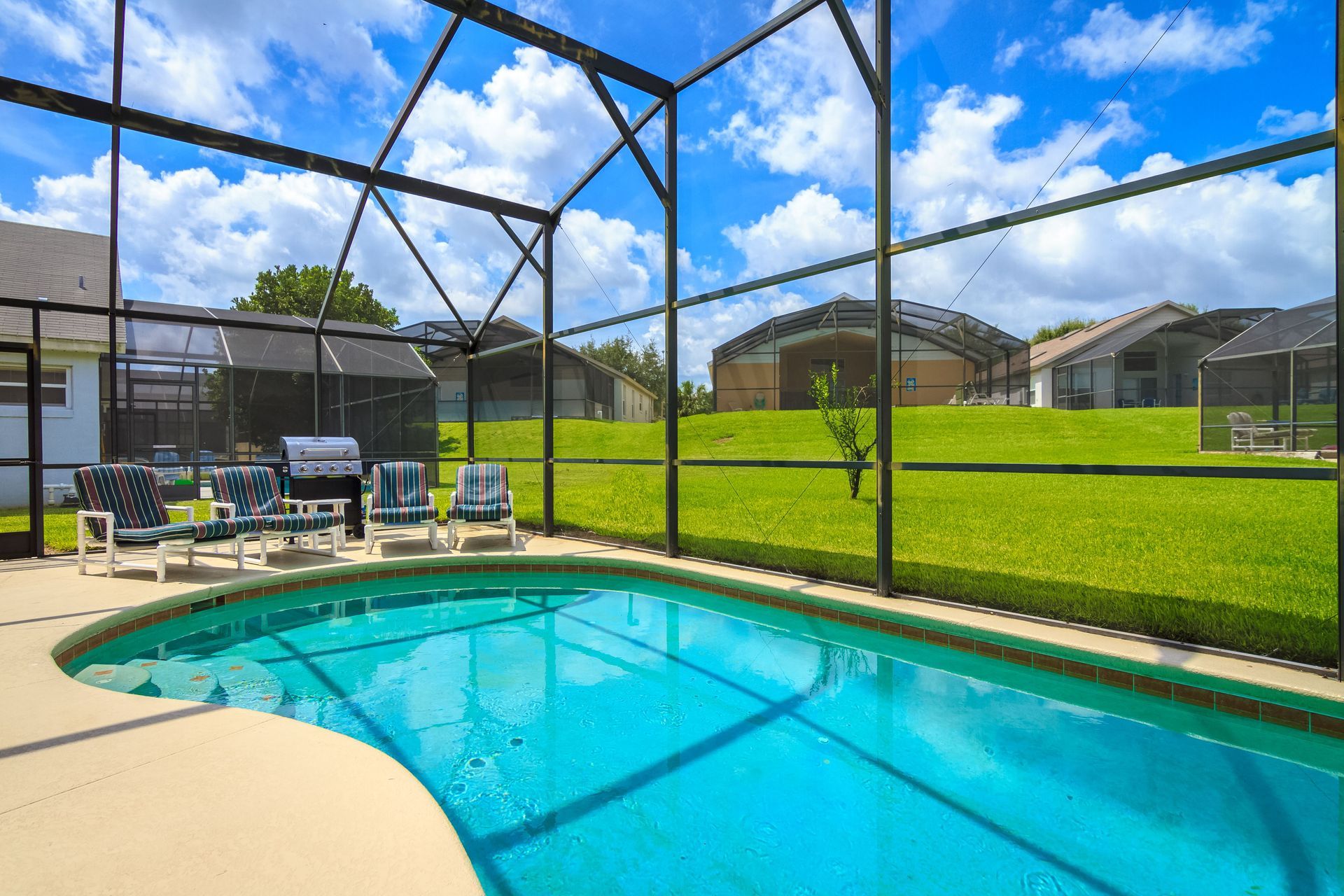
Pool Resurfacing Cost in Jacksonville, FL: 2026 Pricing, Permit & Timing Guide
Florida sun and daily chlorine exposure wear down a pool's interior finish faster than almost anywhere else in the country, and Jacksonville's plaster and pebble pools are no exception. If your pool surface has started flaking, staining, or feeling rough underfoot, resurfacing is usually the fix — but the cost swings widely depending on the finish you choose, the size of your pool, and whether the job needs a Duval County permit. Here's what Jacksonville homeowners are actually paying in 2026, what drives the price, and why the timing of the project matters as much as the finish.
How Much Does Pool Resurfacing Cost in Jacksonville, FL?
According to Angi's 2026 cost data, pool resurfacing runs $6,000 to $15,000 nationally for a standard residential pool, with $11,000 as the typical price for a 1,000-square-foot pool. Jacksonville pricing tracks close to that national range, since Florida's humid, sun-heavy climate keeps demand for resurfacing high across the state.
Labor alone typically runs $45 to $65 per hour, and that's before materials. On top of the resurfacing itself, budget for the parts of the job that are easy to forget: draining and cleaning the shell runs roughly $175 to $225 for drainage plus about $250 for cleaning, and refilling costs around $55 per 5,000 gallons once the new surface has cured. For an average 15,000-to-20,000-gallon backyard pool, that refill alone can add a few hundred dollars to the final bill.
Pool Resurfacing Cost by Finish Type
The finish you choose drives most of the price difference, and it also determines how many years you get before you're doing this again. Per Angi's pricing breakdown:
- Pool paint — about $1 to $2 per square foot. The cheapest option, but it only lasts two to five years before it needs reapplying, and Florida's UV exposure tends to shorten that further.
- Plaster (marcite) — around $4 per square foot, with a service life of roughly 10 years when properly maintained. This is the industry-standard baseline finish for gunite and shotcrete pools.
- Aggregate (pebble or quartz) — $5 to $10 per square foot. More durable and more resistant to staining than plaster, with a lifespan that can stretch past 20 years.
- Tile — $4 to $30+ per square foot depending on the tile type. The most expensive option upfront, but also the longest-lasting and easiest to spot-repair if a single tile cracks.
If you're planning a new pool rather than refinishing an existing one, our Jacksonville pool cost and permit guide covers new-construction pricing and code requirements separately.
Additional Costs Worth Budgeting For
The finish price is rarely the whole bill. Angi's data points to a few line items that catch homeowners off guard:
- Structural or crack repair ahead of resurfacing typically runs $240 to $1,200, though minor pump or plumbing repairs found during the assessment can run $50 to $300 on their own.
- Filter replacement , if your equipment is at the end of its life, adds roughly $1,500 to $2,000.
- New pool decking , if you're refreshing the surface around the pool at the same time, runs $3,000 to $12,000 depending on size and material.
- Pool fencing or barrier upgrades range from $1,500 to $10,000, and matter most if your project also touches the safety barrier discussed below.
A written estimate from a licensed contractor should break each of these out separately rather than folding them into one lump "resurfacing" number, so you know exactly what you're paying for.
Do You Need a Permit to Resurface a Pool in Duval County?
Per the City of Jacksonville's Building Inspection Division, Section 105.1 of the Florida Building Code requires that any owner, authorized agent, or contractor who wants to "construct, enlarge, alter, repair… a building or structure" first apply for and obtain a permit before the work begins. A pool shell is a structure under that code, and resurfacing is a repair to it so the safest assumption for any Jacksonville homeowner is that the job needs a permit application on file with the Building Inspection Division before work starts, even if the finish work itself is later found to be minor. The Division's permitting counter can confirm exactly what your specific job requires at (904) 255-8500, option 4.
If the job (including materials and labor) runs above $5,000, Florida law also requires a recorded Notice of Commencement before the first inspection can be requested and most full resurfacing jobs clear that threshold. If your pool sits inside a barrier or enclosure that gets disturbed during the work, it's also worth reviewing Florida's pool safety barrier law before the crew starts. And before you sign with anyone, confirm they're actually licensed to do the work our guide to verifying a Florida contractor's license walks through exactly how.
Why Timing Matters: Resurfacing During Hurricane Season
Full resurfacing requires completely draining the pool, and that's a bigger decision in Northeast Florida than it looks. An empty pool shell sitting in saturated, low-lying ground the kind of ground common near the St. Johns River and along the coast is more vulnerable to groundwater pressure than a full one, and peak hurricane season means peak groundwater. Sunshine State's crews plan drainage timing around the forecast and the site's drainage conditions rather than just the homeowner's calendar, and that's exactly the kind of judgment call a licensed, locally based contractor is worth paying for on a job like this.
Practically, that often means scheduling resurfacing for a stretch between storm systems, or waiting for the quieter late-fall and winter months when Jacksonville pool contractors also tend to have more availability and shorter lead times.
What Happens During a Pool Resurfacing Project
A resurfacing job generally moves through the same sequence regardless of which finish you choose:
- Assessment. A contractor inspects the shell for cracks, hollow spots, and structural issues before quoting the job, since damage found here can change the scope.
- Drain and prep. The pool is drained and the existing surface is mechanically removed scarified or sandblasted for plaster and aggregate, ground and patched for fiberglass down to a clean substrate.
- Application. The new finish is hand-troweled or spray-applied in a controlled thickness, timed around weather and humidity so it cures properly.
- Water chemistry startup. The pool is refilled and the water is carefully balanced over the following weeks so the new surface cures evenly instead of etching or scaling.
Most standard plaster or aggregate jobs take about five to seven days from drain to refill, not counting the startup period before the pool is back in regular use.
Signs Your Pool Needs Resurfacing
Not sure if you're due? Per Angi's guidance, the usual warning signs include:
- Plaster that's flaking, peeling, or feels rough and pitted underfoot
- Visible staining or discoloration that won't come out with normal chemical treatment
- Cracks in the surface, including hairline "rebound" cracks around the pool steps
- Rust-colored stains, which often point to rebar corrosion beneath the surface
- For fiberglass pools, blistering or delamination of the gelcoat
Catching these early usually means a smaller job. Left alone, surface damage tends to spread and can eventually expose the structural shell underneath, turning a resurfacing project into a structural repair.
How Sunshine State Approaches Pool Area Renovation Projects
Sunshine State Professional Services is a licensed, family-run general contractor serving Jacksonville, Fernandina Beach, and the surrounding Northeast Florida coast. Founder John Belizario started as a subcontractor before earning his general contractor license, and that ground-level experience shapes how the company still operates: an in-house team of engineers, estimators, project coordinators, and project managers working together on every job, pool resurfacing included.
Pool areas rarely get renovated in isolation homeowners resurfacing a pool are often also rethinking the deck, the screened enclosure, or the backyard as a whole. If your project is part of a bigger plan, our teams handling home additions and accessory dwelling units can coordinate permitting across the whole backyard project instead of running it as several disconnected jobs. As John puts it: "My goal is not just to do a good job but make sure my customer understands and is happy with the final result."
Frequently Asked Questions
How much does it cost to resurface a pool in Jacksonville, FL?
Most homeowners pay between $6,000 and $15,000, with $11,000 as a typical price for a standard 1,000-square-foot pool. The finish you choose paint, plaster, aggregate, or tile is the biggest factor in where you land in that range.
How long does pool resurfacing take?
Plan on roughly five to seven days for a standard plaster or aggregate resurfacing job, plus additional time for the water chemistry startup period before the pool is ready for regular use.
Do I need a permit to resurface my pool in Duval County?
Assume yes, and confirm the specifics with the City of Jacksonville Building Inspection Division at (904) 255-8500, option 4, before work begins. Florida Building Code Section 105.1 requires a permit application for repairs to a structure, and a pool shell qualifies.
What's the best time of year to resurface a pool in Northeast Florida?
Late fall through winter tends to work best — it avoids peak hurricane season's groundwater risk to a drained shell, and contractor availability is typically better once pool season winds down.
Can I resurface a pool myself?
Angi's guidance is that resurfacing generally isn't a DIY-friendly project — the drainage, substrate prep, and application steps all carry real risk of costly mistakes. Homeowners can reasonably handle prep tasks like clearing furniture and debris from the pool area, but the resurfacing itself is best left to a licensed pool professional.
Whether your pool needs a straightforward replaster or you're planning a bigger backyard renovation around it, Sunshine State Professional Services can walk you through the permit process and the finish options that make sense for your budget. Call (904) 517-2427 or visit sunshinestatepro.net to get started.