What Should Be in Your Renovation Contract Before You Sign: A Jacksonville, FL Guide | Sunshine State Pro
A homeowner in Florida once hired the same builder who'd originally built her house to add a sunroom. They agreed on a price and a design, signed an "as-built" contract, and split payment 50% at the start and 50% at completion. The contract never defined what "completion" meant, and it never included a penalty for late work. When the builder fell ill and the project stalled, the sunroom eventually passed inspection, but several exterior details were never finished. The dispute dragged on for years, and by the time the homeowner sold the house, the unfinished work had cost her roughly $1,000 more to fix than if it had simply been written into the contract from the start. The University of Florida's IFAS Extension uses that exact case to teach homeowners one lesson: the contract, not the handshake, is what protects you.
"My goal is not just to do a good job but make sure my customer understands and is happy with the final result," says John Belizario, founder of Sunshine State Professional Services. That philosophy starts before a single wall comes down it starts with what's in writing. Here's what a renovation contract in Jacksonville, FL should actually include before you sign it, based on Florida Attorney General guidance, the Florida Bar's 2026 consumer pamphlet, and University of Florida Extension research.
Why the Contract Matters More Than the Estimate
Most homeowners spend their energy comparing estimates and almost none reviewing the contract that follows. That's backwards. As the Florida Bar's consumer guide on building or remodeling a home puts it plainly: contracts "are drafted primarily to protect the contractor" unless the homeowner insists otherwise. If an agreement or understanding isn't in the written contract, the Bar notes, it may be difficult to enforce — no matter what was promised verbally during the sales pitch.
That's true whether you're planning a kitchen remodel, a home addition, or a full custom build in Northeast Florida. The scope of the project changes the numbers, not the checklist.
Confirm You're Signing With a Real, Licensed Contractor
Before any contract language matters, confirm the person signing it is legally allowed to do the work. Florida requires contractors to be either state-certified (licensed to work anywhere in Florida) or locally registered (licensed only within a specific jurisdiction), and both categories are regulated by the Florida Department of Business and Professional Regulation (DBPR). Contracting without a license is a crime in Florida.
The Florida Attorney General's Office recommends getting at least three written, itemized estimates before you choose anyone, checking the Better Business Bureau, and calling DBPR at (850) 487-1395 to see whether complaints have been filed against the company. We've written a full walkthrough of how to verify a contractor's license in Florida before you sign anything, including the free DBPR lookup tool.
Don't stop at the license. Confirm the contractor carries active general liability insurance and workers' compensation coverage, and verify both directly with the insurer — not just by taking the contractor's word for it.
Get the Scope of Work in Writing, Not Just the Price
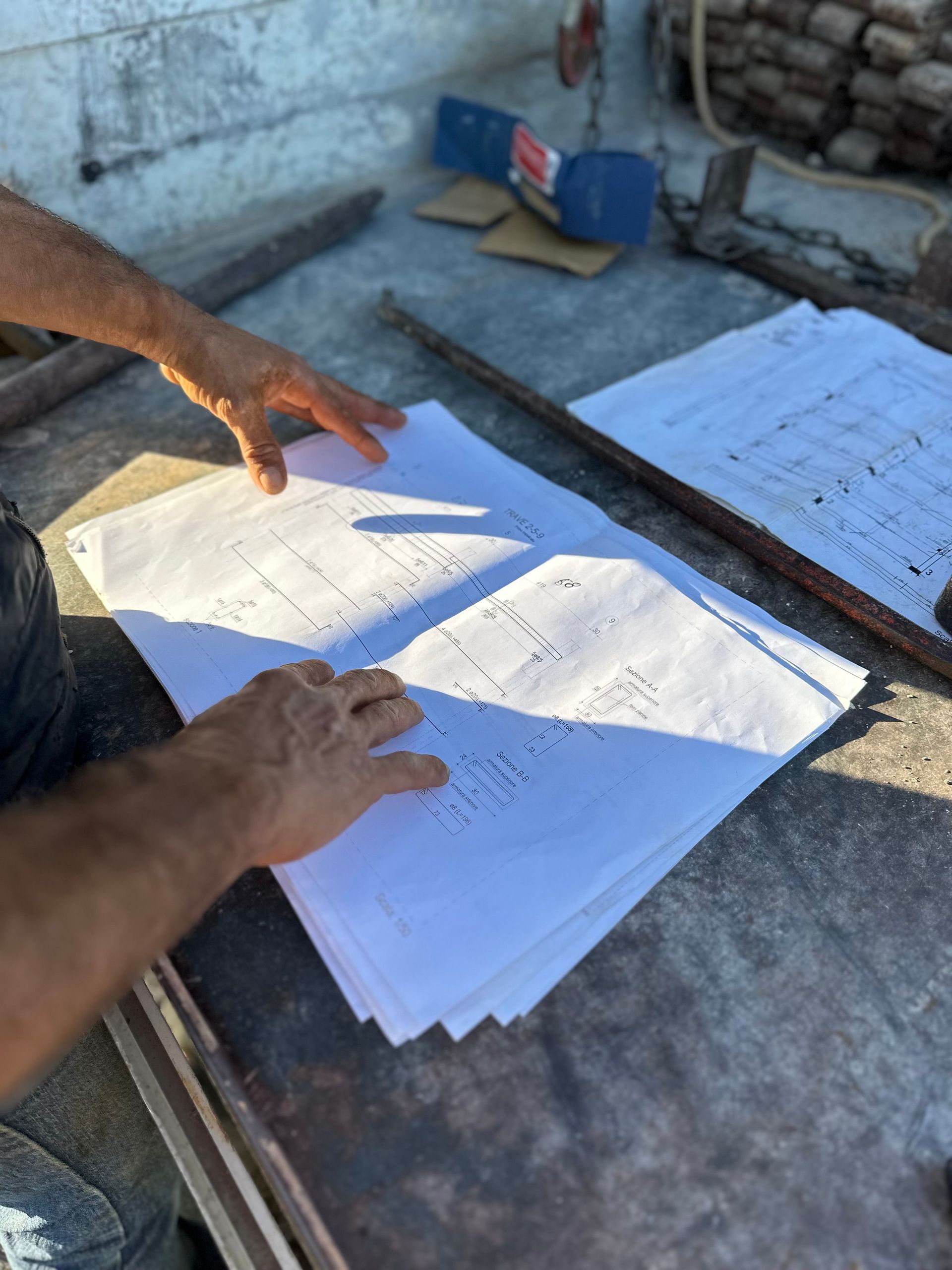
A price without a defined scope is just a guess wearing a number. The Florida Bar is direct about this: "A vague scope of work always favors the contractor." Your contract should reference specific plans and specifications, not general descriptions like "remodel bathroom" or "add addition."
Two pricing structures show up in most Florida renovation contracts, and the difference matters:
- Fixed price — an agreed total that only changes through a signed change order.
- Cost-plus — you reimburse the contractor's actual costs plus a profit percentage, typically 20–25% as of 2026 per the Florida Bar.
If your project includes materials you haven't picked yet — flooring, fixtures, cabinetry — make sure the contract spells out the allowance : a placeholder dollar figure for that item. If your final selection costs more than the allowance, you'll owe the difference. Knowing that number before you start shopping saves an argument later.
Structure Your Payment Schedule to Protect Your Money
According to the Florida Bar, making payments that exceed the percentage of work actually completed is "the most common mistake homeowners make." Florida law reinforces this at the deposit stage specifically: if a contractor collects more than 10% of the contract price upfront, they're legally required to apply for permits within 30 days and start work within 90 days. We cover the criminal exposure contractors face for ignoring that rule in our breakdown of Florida's contractor deposit law.
Beyond the deposit, University of Florida Extension research recommends structuring "draws" — the periodic payments made during construction — around defined stages of completion, such as the slab being poured or the roof reaching dry-in, rather than an arbitrary calendar schedule. Both parties should agree, in the contract itself, on what "completion" actually means. That single missing definition is what turned the sunroom story above into a multi-year dispute.
Hold back a substantial final payment until a certificate of occupancy (if applicable) is issued and any corrective work is finished. Never pay in full up front, and be cautious about large deposits generally — the more you've paid before the work is done, the less leverage you have if something goes wrong.

Change Orders: Get Every Change Signed Before Work Starts
Renovation plans change mid-project more often than not a wall turns out to be load-bearing, a fixture gets swapped, a homeowner decides to add a window. The Florida Bar's guidance is specific: change orders should be in writing and signed by both the owner and the contractor before the changed work begins, and each one should spell out the work involved, the price change, and any added time. Handle change orders as their own signed document, separate from the original contract, so there's no confusion about which terms govern which work.
We go deeper on why unmanaged change orders are the single biggest way a renovation budget balloons in our guide to renovation change orders in Jacksonville.
Also insist on real completion dates, not vague ones. Florida contractors are often reluctant to guarantee a firm finish date, but the Florida Bar recommends pushing for the firmest language you can get and including the phrase "Time is of the Essence" wording that gives you more legal standing if the project runs long without a documented, agreed-upon delay.
Protect Yourself From Liens You Never Saw Coming
Under Florida's construction lien law, contractors, subcontractors, suppliers, and laborers who go unpaid can place a lien directly on your property, even if you already paid your contractor in full. It's a real risk: you can end up legally on the hook for the same work twice if a subcontractor never got paid downstream.
The paperwork that protects you has a specific sequence. A Notice of Commencement must be recorded before construction starts. Subcontractors without a direct contract with you are required to send a Notice to Owner within 45 days of starting work, which puts you on notice that they expect payment and can lien the property if they don't get it. From there, insist on lien waivers or releases from the contractor and any subcontractors every time you make a payment, and before your final payment, request a Contractor's Final Payment Affidavit identifying everyone who's been paid. Don't sign a certificate of completion or release final funds until that paperwork is in hand.
Insurance and Warranty: What Happens If Something Goes Wrong
Two coverages should be non-negotiable in any contract: general liability insurance and workers' compensation. If a contractor doesn't carry workers' comp and one of their crew is injured on your property, Florida law can leave you personally liable for that injury. Ask for proof of both, and verify they're current directly with the carrier.
The contract should also spell out warranty terms what's covered, for how long, and how "callbacks" (rework needed after the job is finished) will be handled, including who pays for materials and labor if something needs to be redone. If it isn't written down, the Florida Bar's guidance is unambiguous: it may be difficult to enforce later. Before you release the last payment, walk the finished project against your own checklist; our final walkthrough checklist covers exactly what to verify.
For larger projects, ask whether builder's risk insurance is in place to cover the structure itself while work is underway — standard homeowners insurance often won't.
Frequently Asked Questions
Can I cancel a signed renovation contract in Florida?
Florida law requires contracts to include a buyer's right to cancel within three days in certain circumstances. Read the cancellation language in your specific contract carefully, since the details vary by how and where the contract was signed.
How much deposit is normal for a Florida renovation contract?
There's no fixed "normal" amount, but Florida law sets a legal trigger at 10% of the contract price: cross that threshold and the contractor must apply for permits within 30 days and start work within 90 days, or provide just cause for the delay. Avoid paying the full project cost upfront regardless of the percentage rule.
What happens if my contractor doesn't pay a subcontractor?
Under Florida's lien law, an unpaid subcontractor or supplier can place a lien on your property even without a direct contract with you. That's why lien waivers with every payment, and a Notice of Commencement filed correctly from day one, matter as much as the price you negotiated.
Should I get everything in writing, even small changes?
Yes. Any change to the original scope, even a minor one should be documented as a signed change order describing the work, the price adjustment, and any effect on the timeline before that work begins.
A renovation contract isn't paperwork standing between you and the project you want — it's the document that determines whether that project goes smoothly. Sunshine State Professional Services builds every agreement to be read, understood, and signed with confidence, the same way John Belizario built the company: one relationship at a time. If you're planning a renovation, addition, or custom build anywhere from Jacksonville to Fernandina Beach, reach out to our team for a contract and a project plan you'll actually understand before you sign.