Home Renovation Project Manager: What They Do and Why Your Jacksonville Project Needs One | Sunshine State Pro
Get three renovation quotes in Jacksonville and you'll notice something: the bid isn't just paying for lumber, tile, and labor. A real chunk of it is paying for someone to keep the whole job moving scheduling the trades in the right order, chasing permits, catching problems before they become change orders, and being the one person you call when something isn't right. That role has a name: project manager. And whether you ever see the title on a business card, every renovation has one, formally or by accident.
Here's what a home renovation project manager actually does, what that coordination is worth in real dollars, and why it matters more in Jacksonville than in most places before you sign a contract.
What a Home Renovation Project Manager Actually Does
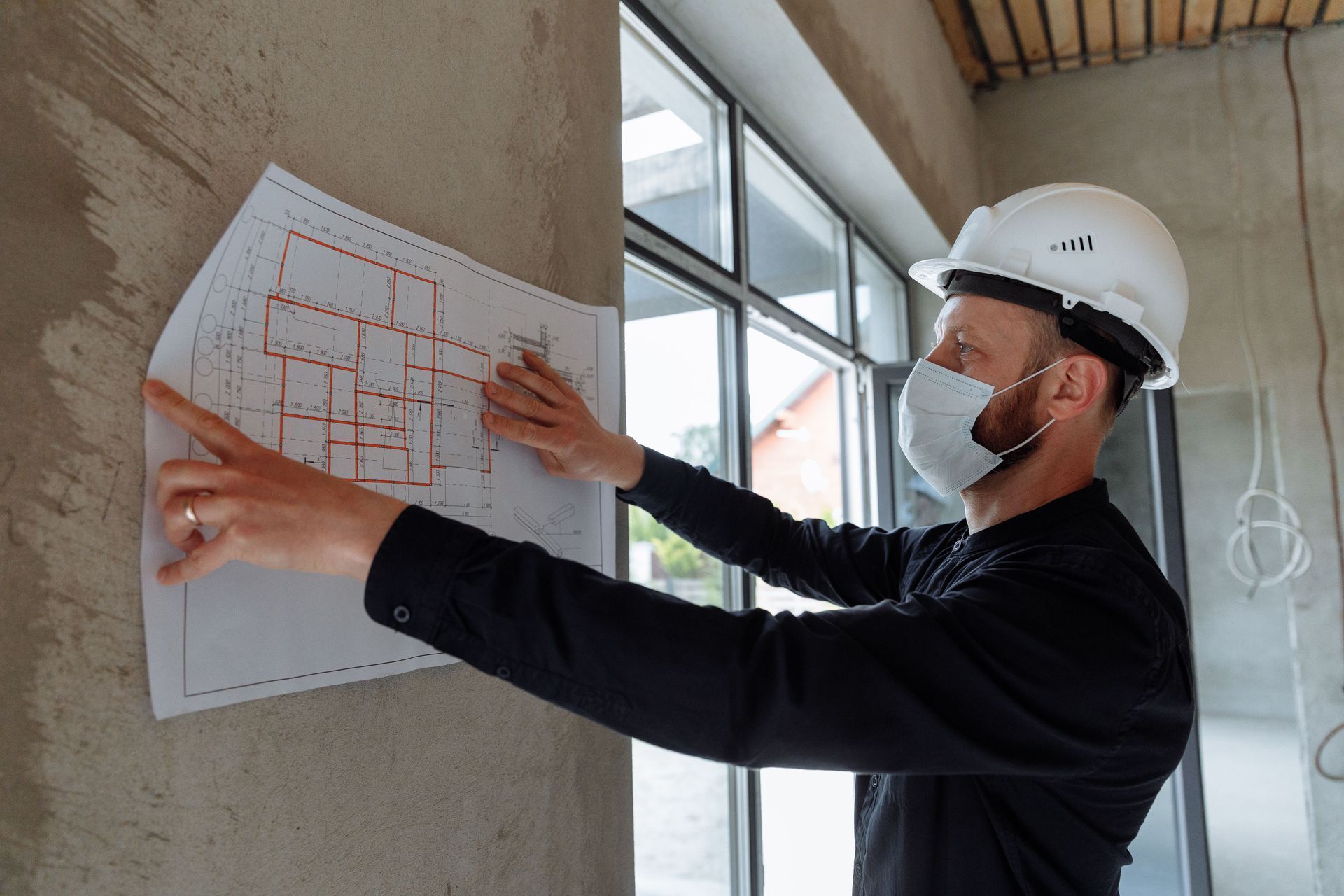
According to HomeAdvisor's 2026 general contractor cost data, a general contractor "oversees a project from start to completion," which in practice means creating the project timeline, hiring and paying subcontractors, purchasing and delivering materials, acquiring permits and HOA approvals, executing changes as they come up, and making sure the finished work meets quality standards. That's the project manager function, whether the person doing it holds the title of GC, PM, or both.
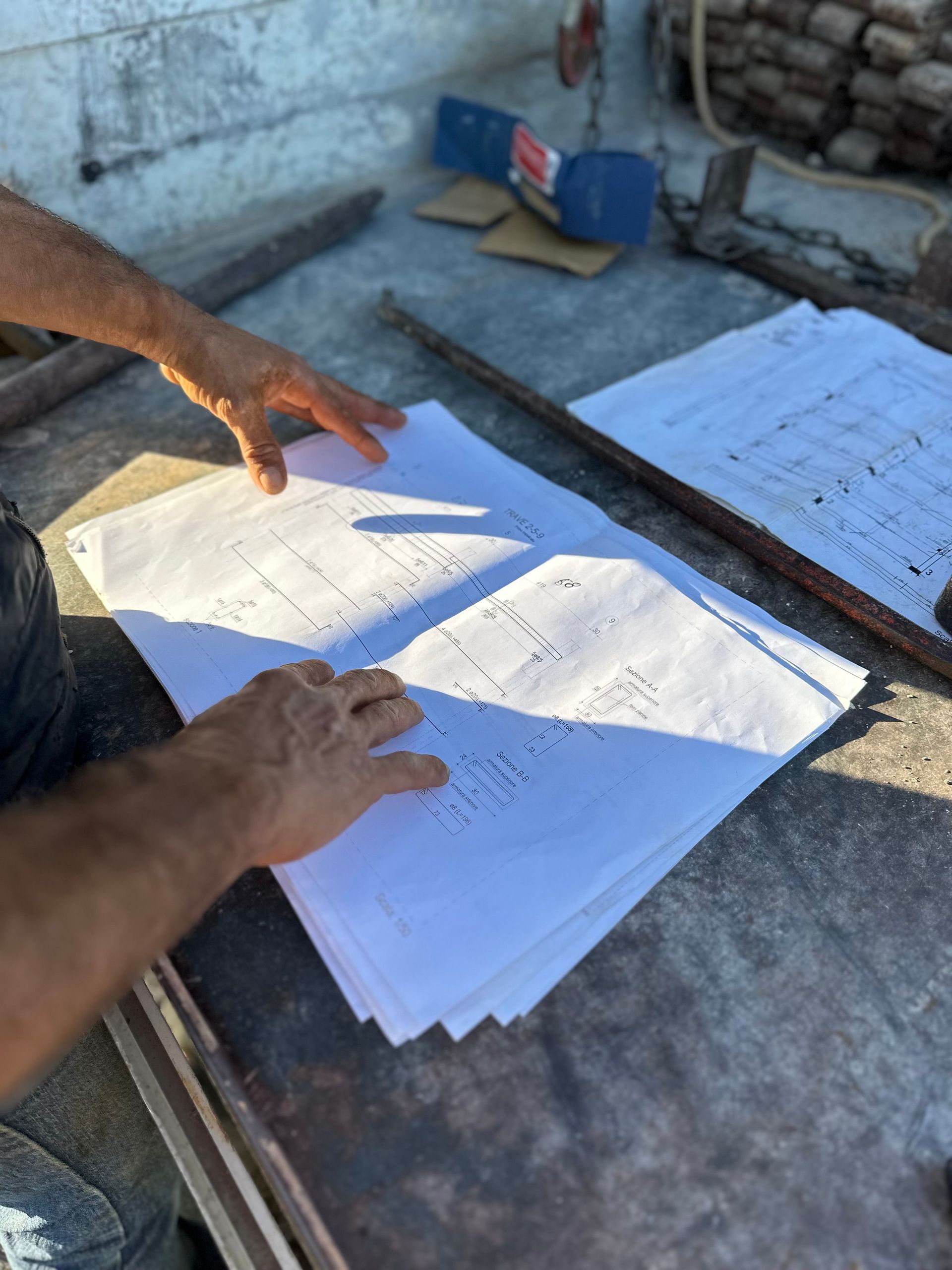
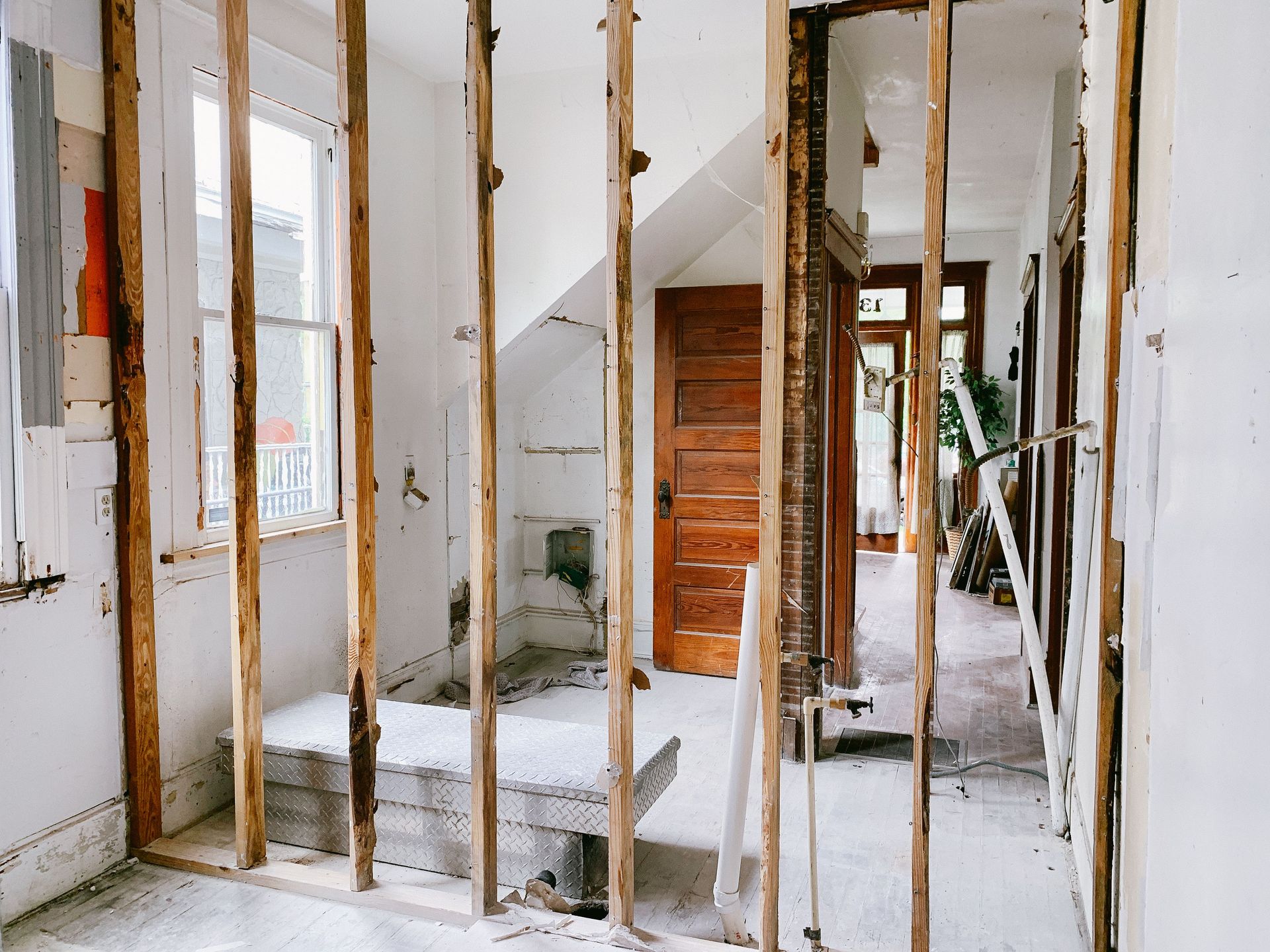
On a home addition or full remodel, that means dozens of small decisions happen every week that the homeowner never has to think about: which sub shows up which day, whether the framing inspection is scheduled before the drywall crew arrives, whether the tile that was backordered actually shipped. Miss one of those and the whole schedule slides. Catch it early and the job stays on track.
Broken down, the role covers a specific set of responsibilities most homeowners never see line-itemed:
- Sequencing — building and maintaining the order trades work in, so demolition, framing, rough-in, and finish work don't collide or wait on each other unnecessarily.
- Permitting and inspections — pulling the right permits, scheduling inspections at the right stage, and handling it if one gets kicked back.
- Materials — ordering with enough lead time that a backordered item doesn't stall the whole crew.
- Subcontractor management — hiring, scheduling, and holding licensed subs accountable to the timeline and the scope.
- Change management — pricing and documenting any change to the original scope before it becomes a surprise on the final invoice.
- Quality control — checking finished work against the plan before the next trade builds on top of it.
What Coordination Is Actually Worth
HomeAdvisor's data puts a number on it: hiring an independent general contractor "costs between 10% and 20% of your overall project cost, with larger projects incurring fees up to 25%." That fee covers full project oversight, scheduling, and subcontractor management, according to the same source.
The alternative is what the industry calls a construction manager model, where the client does more of the legwork themselves. HomeAdvisor notes a construction manager typically "charge[s] about half of what a general contractor charges" but the tradeoff is that "the customer must handle any issues that may arise during the project, including substandard quality, subcontractors failing to show up, and obtaining all necessary permits." In other words: the cheaper option moves the coordination risk onto the homeowner, not away.
That tradeoff is exactly why most Jacksonville homeowners planning anything beyond a single-room refresh end up hiring a full team rather than self-managing subs one at a time. If you're still weighing that decision, our guide on how to plan a whole-home renovation in Jacksonville walks through the sequencing most homeowners underestimate.
Why Coordination Matters More on a Jacksonville Renovation
Every renovation needs scheduling. A Jacksonville renovation needs scheduling around a few things that aren't universal: Duval County permit review timelines, HOA architectural approval where it applies, and Florida Building Code wind-load requirements that touch everything from window replacement to a new roofline on an addition. A project manager who works in Northeast Florida daily already knows which inspections trigger which follow-up inspection, and builds the schedule around that instead of discovering it mid-project.
That's also where budgets tend to break. When a permit gets kicked back, or a sub can't start until an inspection clears, an unmanaged project stalls and stalled projects are where scope creep and rushed decisions creep in. Our breakdown of why renovation bids balloon with change orders covers this from the budget side; the project management side is the prevention.
Timing adds another layer locally. According to NOAA, Atlantic hurricane season runs June 1 through November 30 each year, and it's the period when exterior work roofing, siding, window and door replacement, additions with a new roofline is most exposed to weather delays and, in a busy storm season, longer material lead times as regional demand for those same products spikes. A project manager who plans around that window, rather than discovering it mid-project, is the difference between a delay you saw coming and one you didn't.
How Sunshine State Structures Every Project
John Belizario, Sunshine State's founder, started as a subcontractor working under his uncle before earning his general contractor license — which is part of why the company is built the way it is. "Together we have engineers, estimators, project coordinators, project managers," Belizario has said. "It's basically everybody like a family working together to give you a really nice product."
That's not a marketing line it's the actual structure behind every job, whether it's an ADU build or a kitchen remodel. An engineer and estimator scope the project before it's priced. A project coordinator handles permitting and scheduling. A project manager runs point on-site and is the one number the homeowner calls, instead of juggling separate contacts for the electrician, the plumber, and the framer.
Belizario has also been direct about what the goal actually is: "My goal is not just to do a good job but make sure my customer understands and is happy with the final result." That's a coordination promise as much as a craftsmanship one you can't guarantee a customer understands what's happening if nobody's assigned to communicate it to them. For more on how the company built that model, see Sunshine State's story, and for the broader case for a single team handling a project start to finish, see our piece on full-service renovation contracting.
What to Ask Before You Hire Someone to Manage Your Project
Not every contractor who bids your job is actually going to manage it day to day. Before you sign, it's worth asking directly:
- Who is my single point of contact once work starts, and how often will I hear from them?
- Who is pulling permits, and who is responsible if an inspection fails?
- Is scheduling and subcontractor coordination included in the bid, or billed separately?
- What happens to the timeline if a subcontractor doesn't show or a material is delayed?
These are a subset of a longer list worth working through before you hire anyone, our full breakdown of questions to ask a general contractor before you hire covers licensing, insurance, and payment structure as well.
Frequently Asked Questions
Is a project manager the same as a general contractor?
On most residential renovations, yes — the general contractor performs the project management function directly rather than handing it off to a separate, dedicated project manager. Larger commercial jobs are more likely to have the two roles split between different people.
Do I need a project manager for a small remodel?
Even a single-room remodel involves multiple trades, plumbing, electrical, tile, paint that have to happen in a specific order. Someone needs to sequence that, even informally. The smaller the job, the more likely a homeowner can manage it themselves; the more trades and inspections involved, the more that coordination is worth paying for.
What happens if I manage the project myself and something goes wrong?
Whoever holds that role is responsible for catching problems, resolving them with the subcontractor, and keeping the schedule intact. If that's you, those calls and the cost of any mistake land on you directly instead of on a licensed, insured contractor.
Whether you're planning an ADU, a home addition, or a full remodel, the difference between a smooth renovation and a stressful one usually comes down to who is managing it and how closely. Call Sunshine State at (904) 517-2427 for a free estimate on your Jacksonville project.