Florida's New One-Year Home Warranty Law: What It Means If You're Building New in Jacksonville
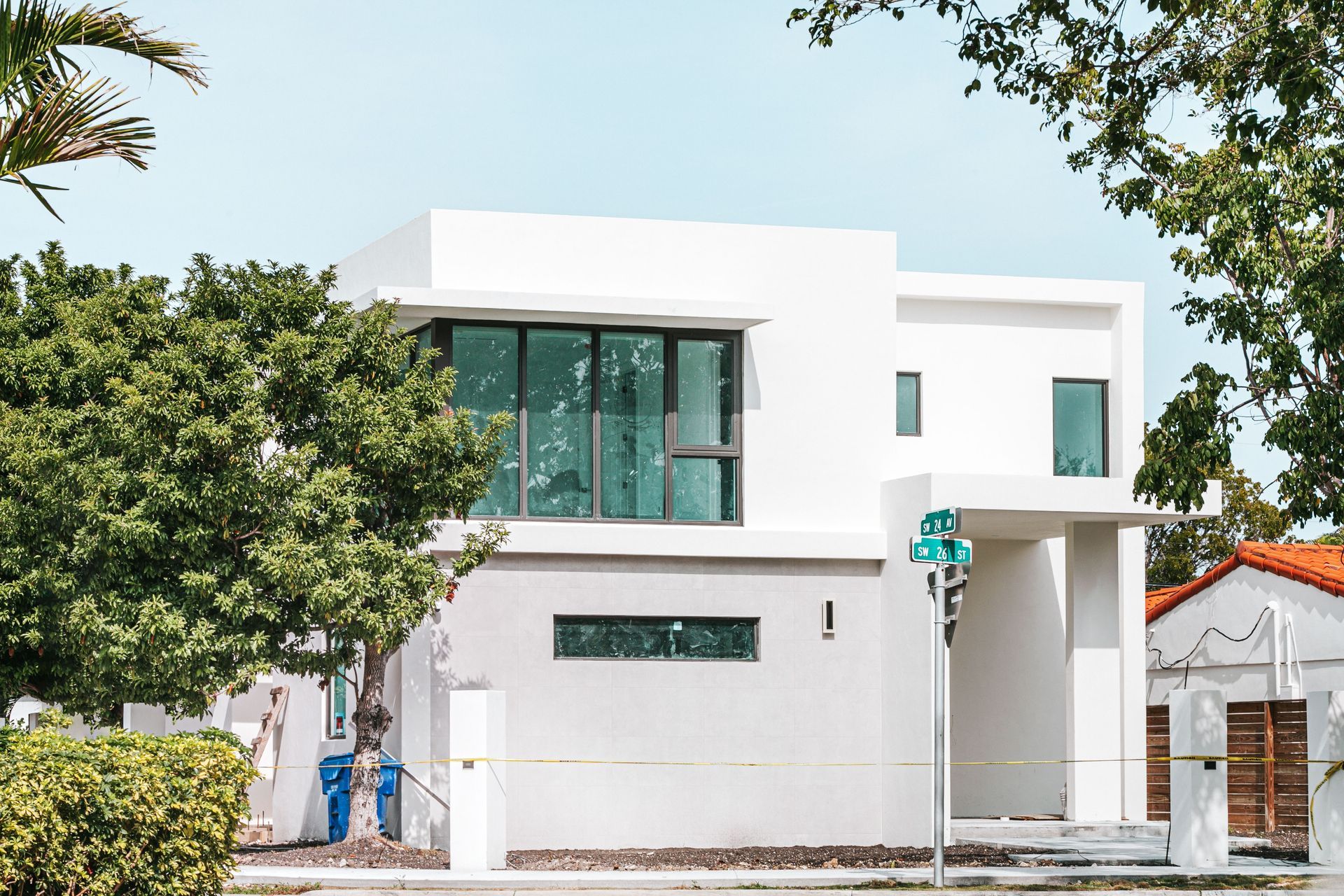
If you're planning to build a new home in Northeast Florida or you're closing on one a builder just finished a new state law changed what protection you're legally entitled to. Effective July 1, 2025, Florida Statute §553.837 requires builders of newly constructed homes to provide a mandatory one-year warranty against construction defects. It applies whether or not your builder ever mentioned a warranty in your contract.
For homeowners in Jacksonville, Fernandina Beach, and the surrounding counties, this is one of those laws that's easy to miss until you need it usually when something in a brand-new house doesn't work the way it should. Here's what the statute actually requires, what it does and doesn't cover, and what it means whether you're building custom, buying a newly built home, or renovating an existing one.
1. What Florida's New Builder Warranty Law Actually Says
Florida Statute §553.837, titled "Mandatory builder warranty," requires that a builder warrant a newly constructed home against construction defects in the equipment, materials, or workmanship furnished by the builder or any subcontractor or supplier, when those defects result in a material violation of the Florida Building Code. The warranty runs for one year from whichever comes first: the date title is conveyed to the initial owner, or the date the home is first occupied.
The law defines a "newly constructed home" as a single-family dwelling, duplex, triplex, or quadruplex including modular or factory-built homes that has never been previously occupied. Builders can satisfy the requirement by offering their own express written warranty, as long as it meets or exceeds what the statute guarantees. If they don't, the statutory warranty applies automatically.
2. What the One-Year Warranty Actually Covers
The warranty is specifically tied to material violations of the Florida Building Code — not general dissatisfaction with finishes or workmanship style. If a defect in materials, equipment, or labor causes the home to fall out of compliance with the code that was in effect when it was built, that defect is covered for the first year of ownership.
This is different from a cosmetic complaint. A cracked baseboard is not automatically a covered defect; a code-violating electrical, structural, plumbing, or building-envelope issue traceable to construction is. Think of things like a roof-to-wall connection that doesn't meet the wind-load requirements in effect when the home was permitted, a plumbing rough-in that violates the code section it was built under, or an electrical panel installed in a way that fails inspection standards after the fact. The common thread is that the defect has to trace back to how the home was actually built, not to how it's aged or been used since.
3. What's Excluded From the Statutory Warranty
The statute is specific about what falls outside the one-year builder warranty. It does not require coverage for:
- Normal wear and tear on the home
- Normal house settling that falls within generally accepted trade practices
- Damage from the homeowner's own alterations, misuse, or lack of maintenance
- Appliances or equipment already covered under a separate manufacturer's warranty
That last point matters: your dishwasher, water heater, or HVAC unit is likely covered by its own manufacturer warranty, not the builder's statutory warranty — so you'll want to keep both sets of paperwork after closing. It's also worth noting the statute protects against defects the builder or a subcontractor introduced — it isn't a maintenance plan, and it doesn't step in for damage caused by skipped maintenance, severe weather beyond what the code anticipated, or work a homeowner or a different contractor performed after closing.
4. How Long It Lasts, and Who It Transfers To
The one-year clock starts at the earlier of two dates: when title is conveyed to the first owner, or when the home is first occupied. That means if a builder finishes a spec home and it sits vacant for a few months before closing, the warranty period may already be running.
Because the statute makes the warranty transferable, a homeowner who buys a "newly constructed home" secondhand within that first year before it's ever been occupied by anyone steps into the same one-year protection the original buyer would have had.
5. What This Means If You're Building New in Jacksonville, Fernandina Beach, or Nassau County
Northeast Florida is in the middle of a real building wave right now a lot of that driven by homeowners who, with interest rates where they are, have decided it makes more sense to build the home they want than to buy and finance an existing one at today's rates. If that's you, §553.837 is worth understanding before you sign a contract, not after you move in.
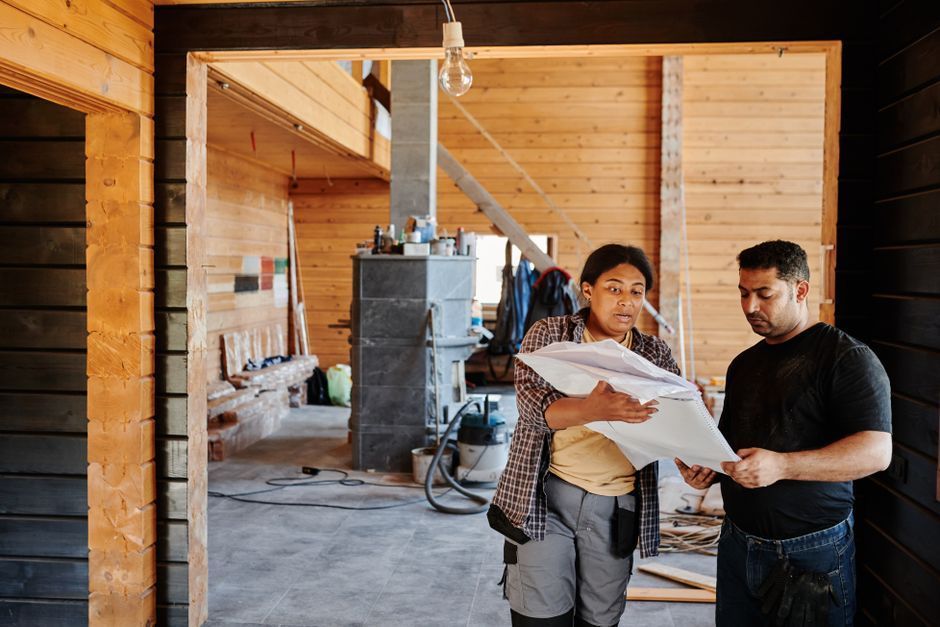
Ask any builder you're considering, in writing, whether they intend to rely on the statutory warranty or offer their own written warranty that goes further. A contractor who's building your custom home floor plan from the ground up should be able to answer that question without hesitation it's a basic part of standing behind the work.
John Belizario, Sunshine State's founder, has said it plainly about how he approaches every project: "My goal is not just to do a good job but make sure my customer understands and is happy with the final result." A builder who means that shouldn't need a state law to hold them to a one-year standard but it's good to know the law backs you up either way.
This matters across the whole footprint Sunshine State builds and renovates in Duval, Nassau, St. Johns, and Flagler counties, from Jacksonville proper out to Fernandina Beach, Amelia Island, Ponte Vedra, Nocatee, St. Augustine, and Palm Coast. Building codes and permitting can vary in small but real ways county to county, so the "material violation of the Florida Building Code" standard a warranty claim hinges on gets applied against whichever local code version governed your permit.
6. If You're Renovating or Adding On, Not Building New — This Law Doesn't Cover You
It's worth being direct about scope: §553.837 applies to newly constructed homes, not to home additions, kitchen and bath remodels, or renovations to a home you already live in. If you're expanding your current home rather than building a new one, this statutory warranty doesn't apply to that work.
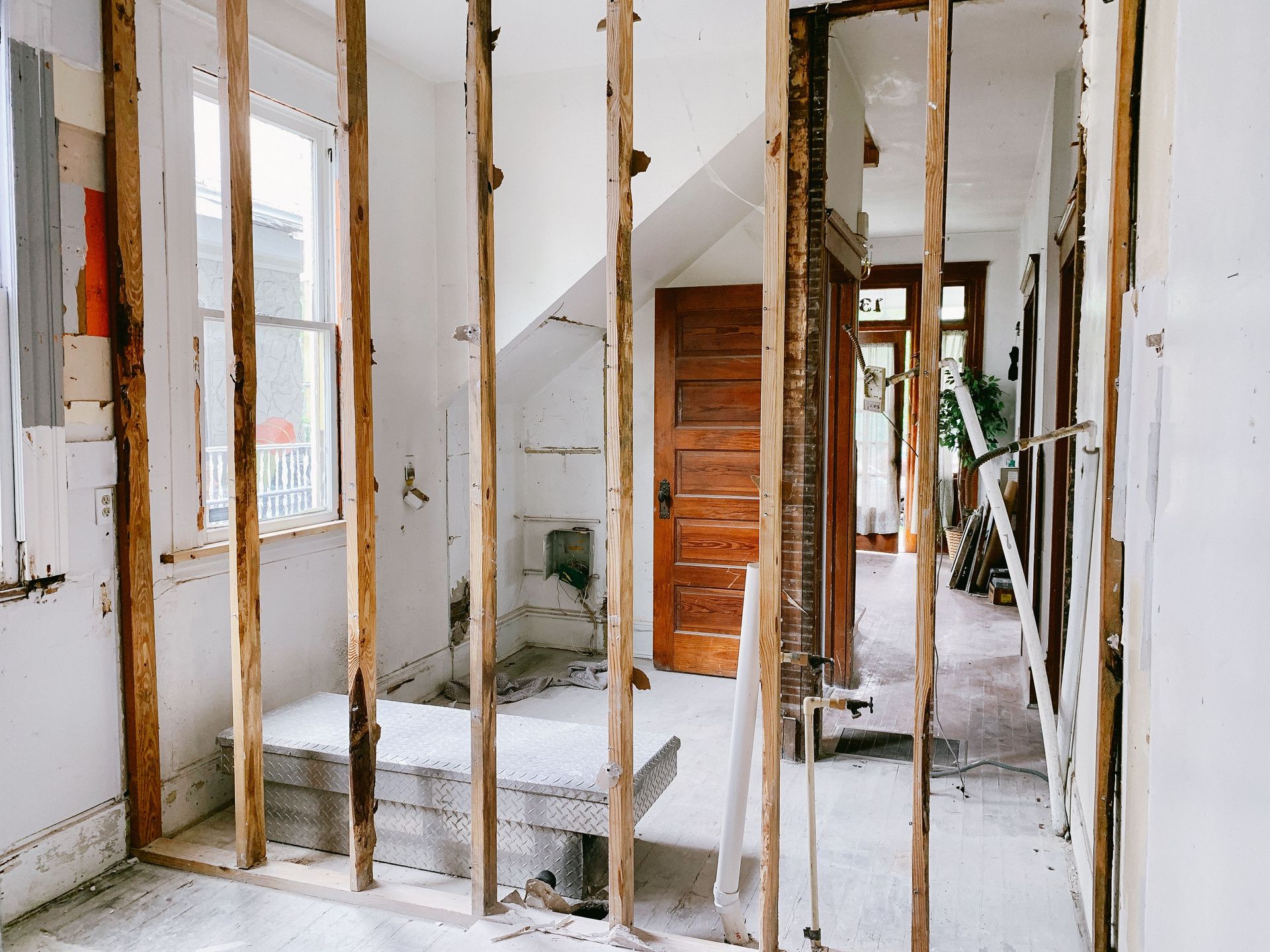
That doesn't mean you're unprotected. Florida's separate construction lien law and the Notice of Commencement process still govern renovation projects, and any reputable contractor should still stand behind their workmanship contractually it just isn't guaranteed by this particular statute. The distinction is worth confirming up front with any contractor: if a project you're calling a "renovation" actually involves tearing a home down to the studs and rebuilding, ask directly whether it would legally qualify as new construction under the statute, or whether it stays classified as a remodel. That answer changes what protection applies.
7. Questions to Ask Your Builder Before You Sign
Whether you're commissioning a custom build or buying a newly finished home, a few direct questions up front can save you a dispute later:
- Will you rely on the statutory one-year warranty, or provide your own written warranty and if so, can I see it in writing?
- Who do I contact, and how quickly, if I find a defect during that first year?
- Which appliances or systems are covered by a separate manufacturer warranty instead of your builder warranty?
- Is your license current, and are you verified with the state?
These sit alongside the broader questions worth asking any general contractor before you hire and they matter more, not less, once real money and a legal warranty period are on the line. It's also worth understanding Florida's contractor deposit law and the penalties for hiring an unlicensed contractor before you pay anyone a dime toward a new build.
FAQ: Florida's New Home Warranty Law
Does the one-year warranty apply to home additions or renovations?
No. F.S. §553.837 applies only to newly constructed homes that have never been occupied, not to additions, remodels, or renovations of an existing home.
What if my builder already offers their own warranty?
The statute allows a builder to provide an express written warranty instead of the statutory one, as long as it meets or exceeds the state's minimum requirements.
Are appliances covered under the builder's warranty?
Not if they're already covered by a separate manufacturer's warranty the statute specifically excludes equipment or appliances covered elsewhere.
If I buy a newly built home from someone else within the first year, am I covered?
Yes. The warranty is transferable, so a subsequent owner of a home that hasn't yet been occupied steps into the same one-year coverage period.
What should I do if I find a possible defect during the first year?
Document its photos, dates, and a written description and notify your builder in writing as soon as you notice it rather than waiting. Keep a copy of any correspondence. If the issue is disputed, that record is what supports your position.
Building new is a big decision, and the law now sets a real floor for what you're owed once the work is done. If you're planning a custom home, an addition, or a full renovation in Jacksonville, Fernandina Beach, or anywhere in Northeast Florida, Sunshine State Professional Services can walk you through exactly what's covered and what isn't before you ever sign a contract. Get in touch with our team to talk through your project.