Wind Mitigation Inspections in Jacksonville, FL: How Renovation Choices Cut Your Insurance Bill (2026 Guide) | Sunshine State Pro
If you've priced out homeowners insurance in Northeast Florida lately, you already know the windstorm portion of your bill can be the biggest line item on the page. What a lot of homeowners don't know is that Florida law requires every residential insurer to give you a documented discount for the hurricane-resistant features already on your home and that the renovation choices you make next can push that discount a lot higher. We see this up close on nearly every project we run, because in Northeast Florida, "built right" and "built to withstand a hurricane" are the same standard.
Here's what a wind mitigation inspection actually checks, why it changes your premium, what's available through Florida's My Safe Florida Home program in 2026, and how to think about it the next time you're planning a roof, window, or addition project.
What a Wind Mitigation Inspection Actually Checks

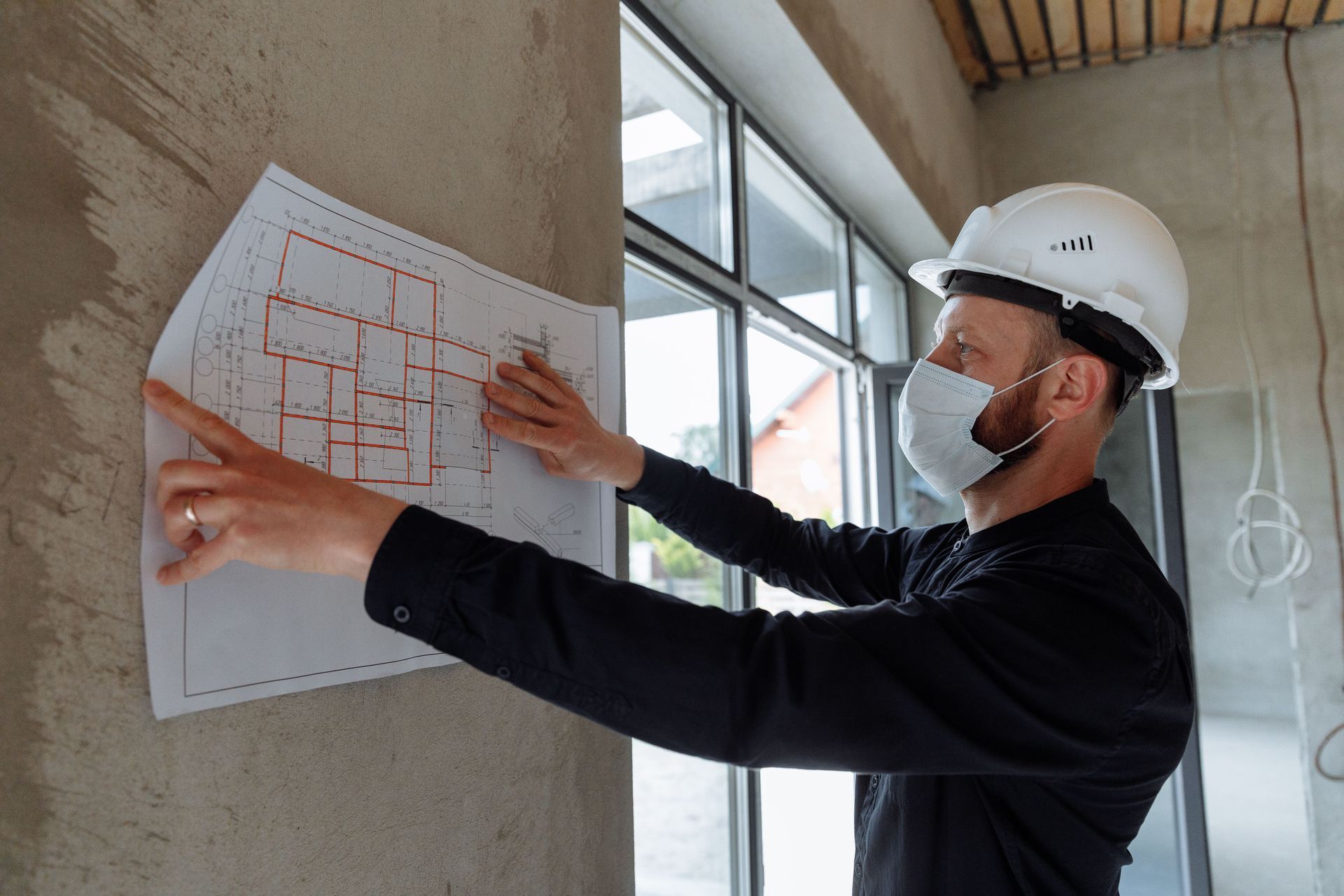
A wind mitigation inspection is a documented survey of the specific construction features on your home that make it more resistant to hurricane-force wind. It isn't a general home inspection, and it isn't optional paperwork it's the form your insurance company is legally required to use when calculating your windstorm discount. According to Citizens Property Insurance Corporation, the features an inspector documents fall into five categories:
- Opening protection — shutters or impact-rated windows and doors protecting every opening on the home
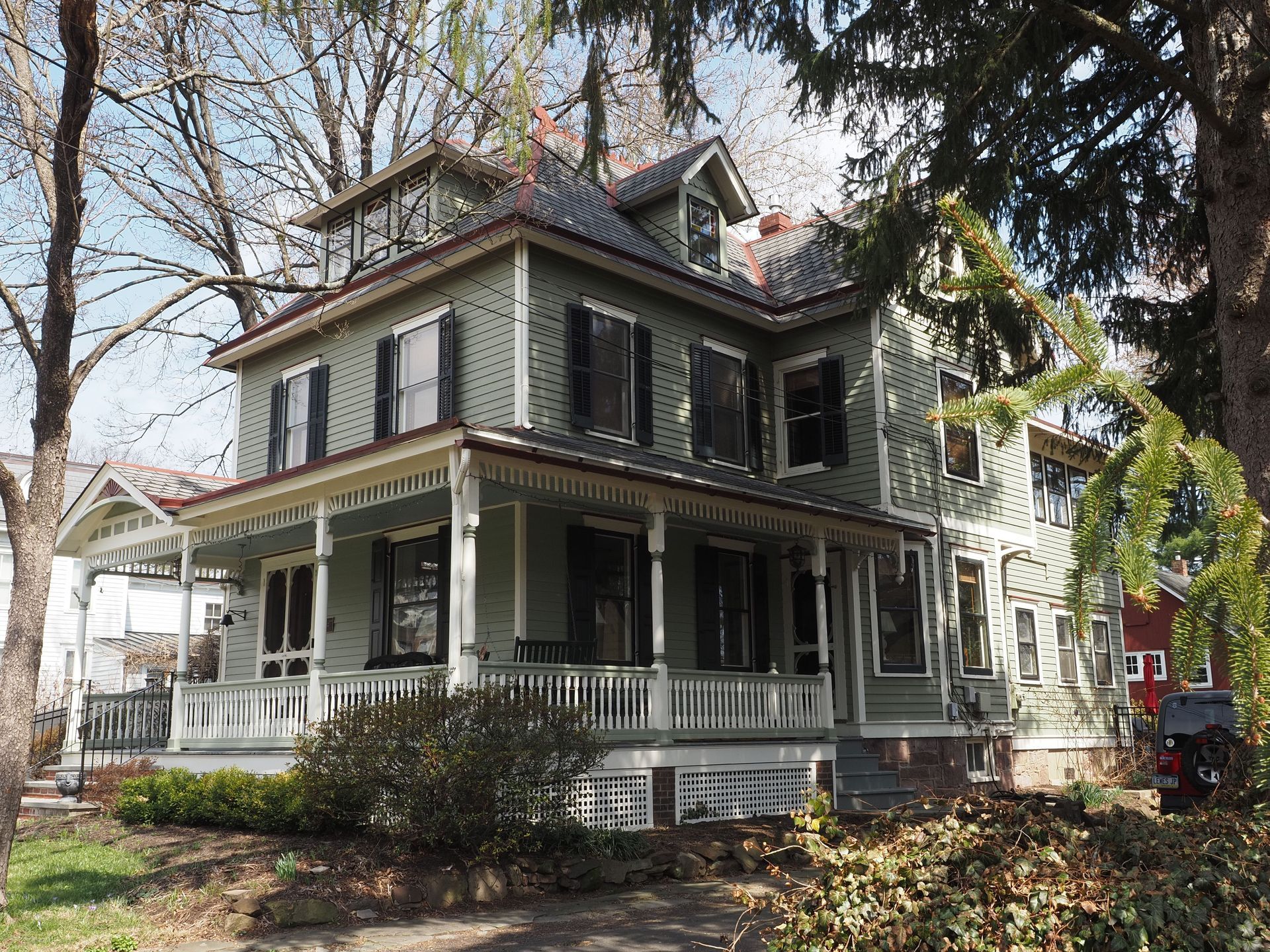
- Roof shape — hip roofs (sloped on all four sides) perform better in high wind than gable roofs and qualify for a better rate
- Roof deck attachment — how the roof sheathing is fastened (nail pattern and fastener type matter)
- Roof-to-wall connection — whether the roof is tied to the walls with clips or straps, and whether it's a single or double wrap
- Secondary water resistance — a sealed, self-adhesive water barrier under the roof covering that keeps water out even if shingles or tiles are lost
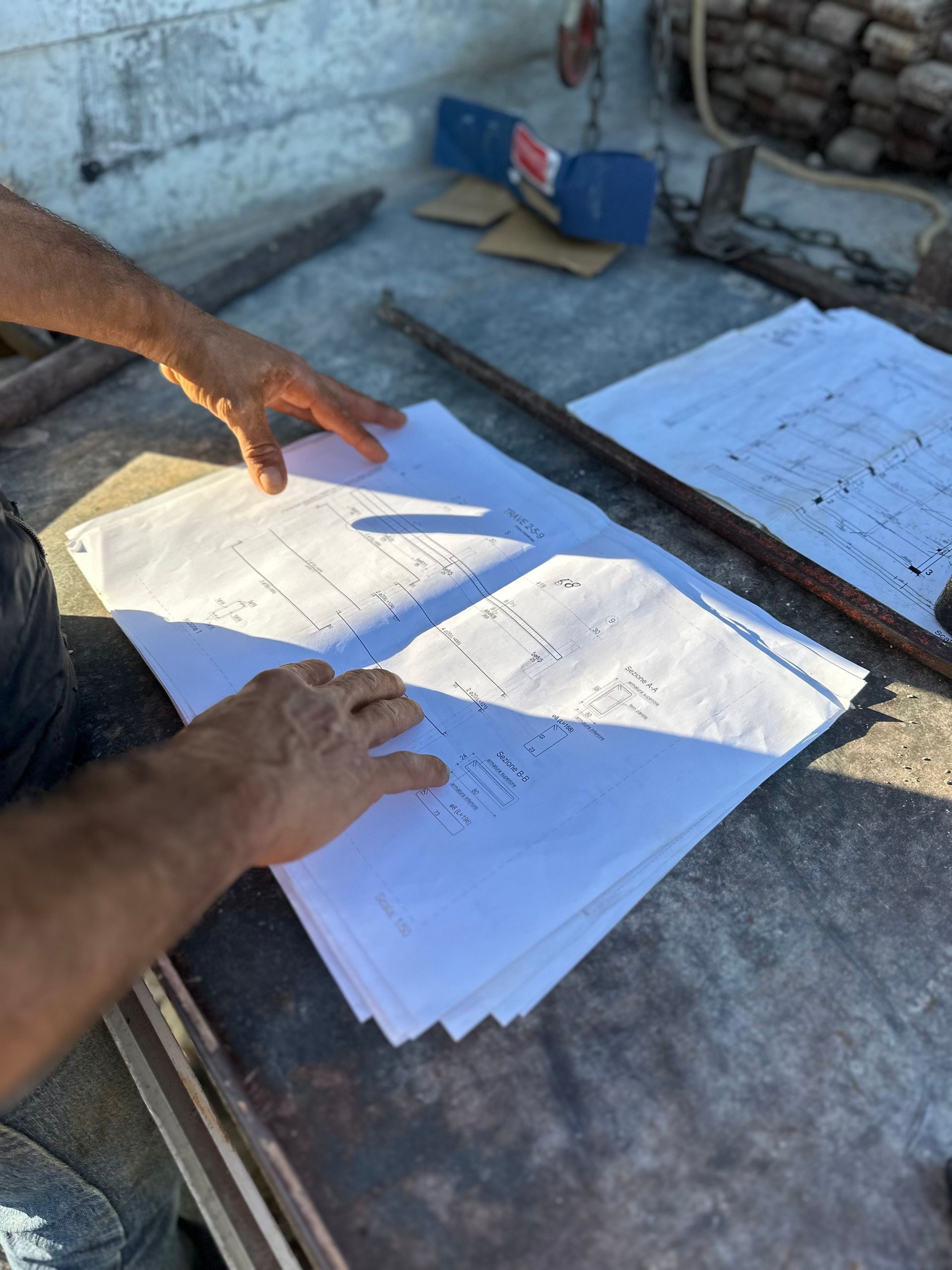
A licensed inspector documents each feature on the state's Uniform Mitigation Verification Inspection Form (OIR-B1-1802), and that form is what you hand to your insurance agent to start the discount.
The reason each of these categories exists is straightforward engineering. Wind failures in a hurricane almost always start the same way: an opening fails first (a window, a garage door, a soffit vent), the building pressurizes from the inside, and the roof takes the load it was never designed to carry. A hip roof sheds wind more evenly across all four slopes than a gable roof, which is why it scores better. Roof-to-wall connections and roof-deck attachment exist to keep the roof structurally tied to the house once that pressure hits. Secondary water resistance is the backstop if the roof covering does fail, it keeps the water out of the attic and the ceilings below. None of these features are cosmetic; they're the difference between a roof that's damaged and a roof that's gone.
Why It Actually Moves Your Insurance Bill
This isn't a marketing discount an insurer offers if they feel like it. Under Section 627.0629(1) of the Florida Statutes, every residential property insurer in the state is required to file a range of premium discounts for homes with recognized loss-mitigation features, and to apply those discounts once you submit a verified inspection form. The Florida Office of Insurance Regulation set the current, higher discount levels after commissioning engineering studies on damage data from actual Florida hurricanes the credits aren't arbitrary, they're built from loss data.
What that means in practice: two nearly identical homes on the same street can carry meaningfully different windstorm premiums based on roof shape, roof-to-wall connections, and opening protection alone. If your insurer or agent won't apply a documented discount, Florida's Department of Financial Services Division of Consumer Services is the place to file a complaint.
The My Safe Florida Home Grant: What's Available in 2026
Florida also runs a state-funded program, My Safe Florida Home, that pairs a free hurricane mitigation inspection with matching grant funds for the upgrades it recommends. For the 2025–26 program year, the numbers are:
- Maximum grant: $10,000 , matched against your own investment in the recommended upgrade
- Average reported insurance savings: $932 per year , per the program's own homeowner data
- Eligibility requires a homestead exemption, an insured home value of $700,000 or less, and a building permit for the home's original construction dated before January 1, 2008
One thing worth being straight about: this program year, the state is prioritizing grant applications from low- and moderate-income homeowners, including homeowners aged 60 and over, ahead of the general pool. If you don't fall into one of those priority groups, you can still request the free inspection and may still receive grant funding as it's available, but you shouldn't count on the $10,000 as guaranteed. Either way, the inspection itself and the insurance discount that follows from it isn't limited to grant recipients. Every homeowner who documents mitigation features gets the discount under state law, grant or no grant.
How Your Next Renovation Can Double as a Wind Mitigation Upgrade
Because we build every project to Florida Building Code hurricane standards as a baseline not an upgrade option a lot of the work we're already doing for Jacksonville and Northeast Florida homeowners moves the needle on their wind mitigation score without anyone treating it as a separate project.
Roof Work
If you're already looking at a roof replacement, that's the single best moment to upgrade roof-deck attachment and add a secondary water resistance barrier, since the deck is already exposed. Both are inexpensive relative to the full reroof cost and both carry their own discount categories. It's also the moment to confirm your roof-to-wall connections are being upgraded to clips or double-wrap straps rather than simply matched to whatever was there before your contractor should be able to tell you exactly what's going in and why it matters for the inspection form, not just for the reroof itself.
Windows and Doors
Opening protection is often the largest single discount category, and it's also one of the most common upgrades homeowners request when we're pricing a window replacement project. Impact-rated glass on every opening, including garage doors, is what the inspection form is looking for partial protection still counts for something, but complete protection is where the bigger discounts show up. If a full window replacement isn't in the budget yet, hurricane shutters cover the same opening-protection category at a lower entry cost and still count toward the discount.
Additions and ADUs
If you're planning a home addition or an accessory dwelling unit, new construction is required to meet current Florida Building Code hurricane provisions from day one, which means hip roof framing, proper roof-to-wall connections, and code-compliant openings are already part of the build not an add-on cost. That's true whether the project is in Duval County, Nassau County, or St. Johns County. The new structure should score well on a wind mitigation inspection the day it's finished.
Getting the Inspection Done and Using the Report
The process is straightforward once you know the order of operations:
- Contract with a licensed inspector to complete the Uniform Mitigation Verification Inspection Form (or use your My Safe Florida Home inspection if you qualify)
- Take the completed, signed form to your insurance agent
- Ask your agent to recalculate your premium insurers are required to apply the documented credits
- If a recommended upgrade isn't done yet, plan it as part of your next roofing, window, or addition project rather than as a standalone expense
- Re-inspect after major exterior work (a new roof or new openings) so the discount reflects what's actually on the house now
Homeowners who are also planning larger renovation work should read through what belongs in a renovation contract before signing, and confirm any contractor's license through the state before work begins — both matter for grant compliance if you're using My Safe Florida Home funds, since the program requires your contractor's license number on the application.
Why We Treat This as Part of Every Project, Not a Separate Sales Pitch
We're a family-run, licensed general contracting team based in Fernandina Beach, and most of our work is exactly this kind of project, roofs, windows, additions, and full ADU builds for homeowners across Duval, Nassau, and St. Johns counties. Our goal on every job isn't just to finish the work, it's to make sure the homeowner understands what they're getting and why it matters, and a wind mitigation discount that shows up on next year's renewal is one of the more concrete ways that shows up. If you're already thinking about hurricane season readiness, our hurricane season home prep checklist is a good companion read alongside this one.
Frequently Asked Questions
How much does a wind mitigation inspection cost if I don't qualify for the free program?
A private wind mitigation inspection is a separate, relatively small cost compared to the insurance savings it typically unlocks over a few years, and it's a one-time expense that stays valid until you make major changes to the home's exterior.
Does a new roof automatically qualify me for the discount?
Only if it's documented. A new roof built to current Florida Building Code standards will likely score well, but you still need a completed inspection form in your insurer's hands before the discount is applied it isn't automatic.
Can renters or landlords use this?
The My Safe Florida Home grant is limited to owner-occupied, homesteaded properties, but any homeowner including those with rental property on a standard policy can still request a private wind mitigation inspection and the associated insurance discount under Florida law.
Do I need to redo the inspection after every renovation?
Only when you change the features being scored a new roof, new openings, or added roof-to-wall connections. Interior remodeling like a kitchen or bathroom doesn't affect your wind mitigation score.
Whether you're planning a full reroof, replacing windows, or adding onto your home, it's worth asking how the project affects your wind mitigation score before the permit is even pulled. We build to hurricane standards on every job in Jacksonville, Fernandina Beach, and across Northeast Florida as a matter of course — happy to walk through what a specific project would mean for your inspection results. Call our office at (904) 517-2427 for a free consultation.