Jacksonville Stormwater Fee Guide: How Additions, ADUs & Patios Raise Your Bill (2026) | Sunshine State Pro
Most Jacksonville homeowners never think about their stormwater bill until it changes. It's a small line on the city utility statement, easy to ignore — right up until a new patio, a home addition, or an ADU pushes it into a different tier. At Sunshine State Professional Services, we've watched enough clients get surprised by this to know it's worth explaining clearly, before you break ground rather than after.
Here's what the City of Jacksonville's stormwater fee is, how it's calculated, which renovation projects actually move the needle, and what you can realistically expect it to cost.
1. What the Stormwater Fee Actually Is
The City of Jacksonville charges every property owner within municipal limits a monthly stormwater service charge if the property contains any impervious area. Impervious area is anything covered or compacted enough to stop rainwater from soaking into the ground — your roof, driveway, walkways, patios, and pool decks all count. The fee exists because that hardened surface generates runoff the city's stormwater system has to manage, and per the city's own FAQ page, the charge is designed so "everyone who is contributing to the stormwater system pays their fair share to support it."
It's a small fee on its own. But it's also one of the few costs of a home addition or a new hardscape feature that homeowners rarely budget for, because it isn't part of the construction bid — it shows up months later on a city bill.
2. How the City Calculates Your Bill
Jacksonville uses a unit called an Equivalent Residential Unit, or ERU (the city's fee schedule also refers to it as an SFU, or single-family unit). One ERU represents the average amount of impervious area on a typical single-family home in the city, which Jacksonville has set at 3,100 square feet. Your property's total impervious area house, garage, driveway, walkways, patio, shed, pool deck, and any other hardened surface — is measured against that baseline to determine your billing tier.
For non-residential and larger properties, the math is direct: total impervious square footage divided by 3,100 equals the number of billing units, multiplied by $5 per month. Single-family homes are grouped into three flat tiers instead, which is the part that matters most if you're planning a renovation.
3. The Three Residential Fee Tiers
According to Jacksonville's published City Fees schedule, single-family detached homes fall into one of three tiers based on total impervious area:
- 1,549 sq ft of impervious area or less — 0.5 ERU — $2.50 per month
- 1,550 to 4,650 sq ft — 1.0 ERU — $5.00 per month
- More than 4,650 sq ft — 1.5 ERU — $7.50 per month
The city's own FAQ notes that "the owner of an average single-family house will be charged $5 per month" — meaning most existing homes already sit in the middle tier before any renovation. The question a homeowner adding square footage needs to ask isn't whether they'll pay a stormwater fee (they already do), but whether their project is large enough to cross into the next tier up.
4. Which Renovation Projects Actually Move the Needle
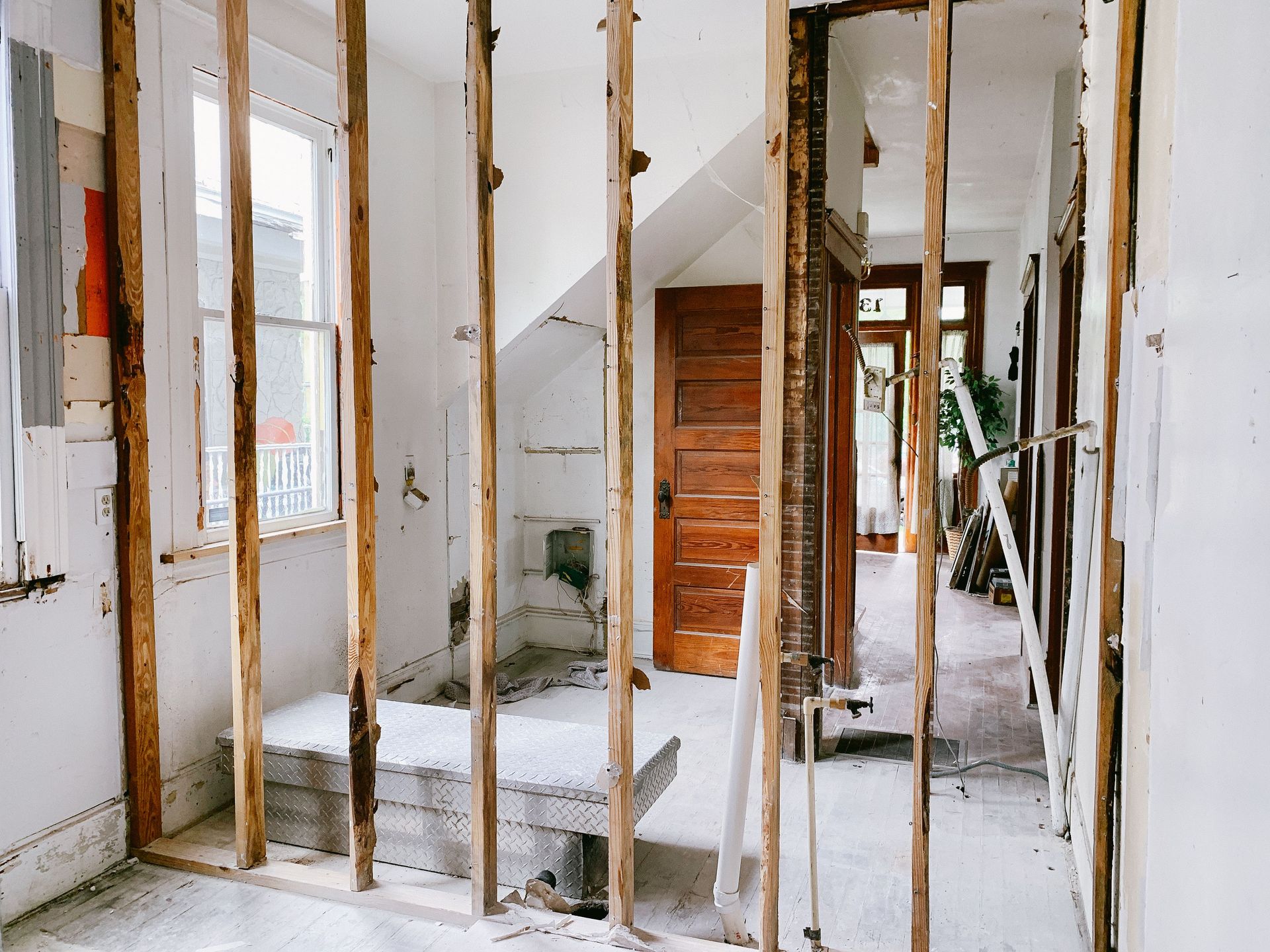
Not every project changes your impervious area meaningfully. A kitchen remodel that stays inside your existing walls, for example, doesn't add a square foot of hardened surface outside the home. Projects that do add impervious area include:
- Home additions and second-story build-outs that expand the roofline
- A garage conversion to living space, especially when paired with a new driveway or parking pad to replace lost garage parking
- An accessory dwelling unit (ADU) or mother-in-law suite, which typically adds a full second roof plus its own walkway and parking area
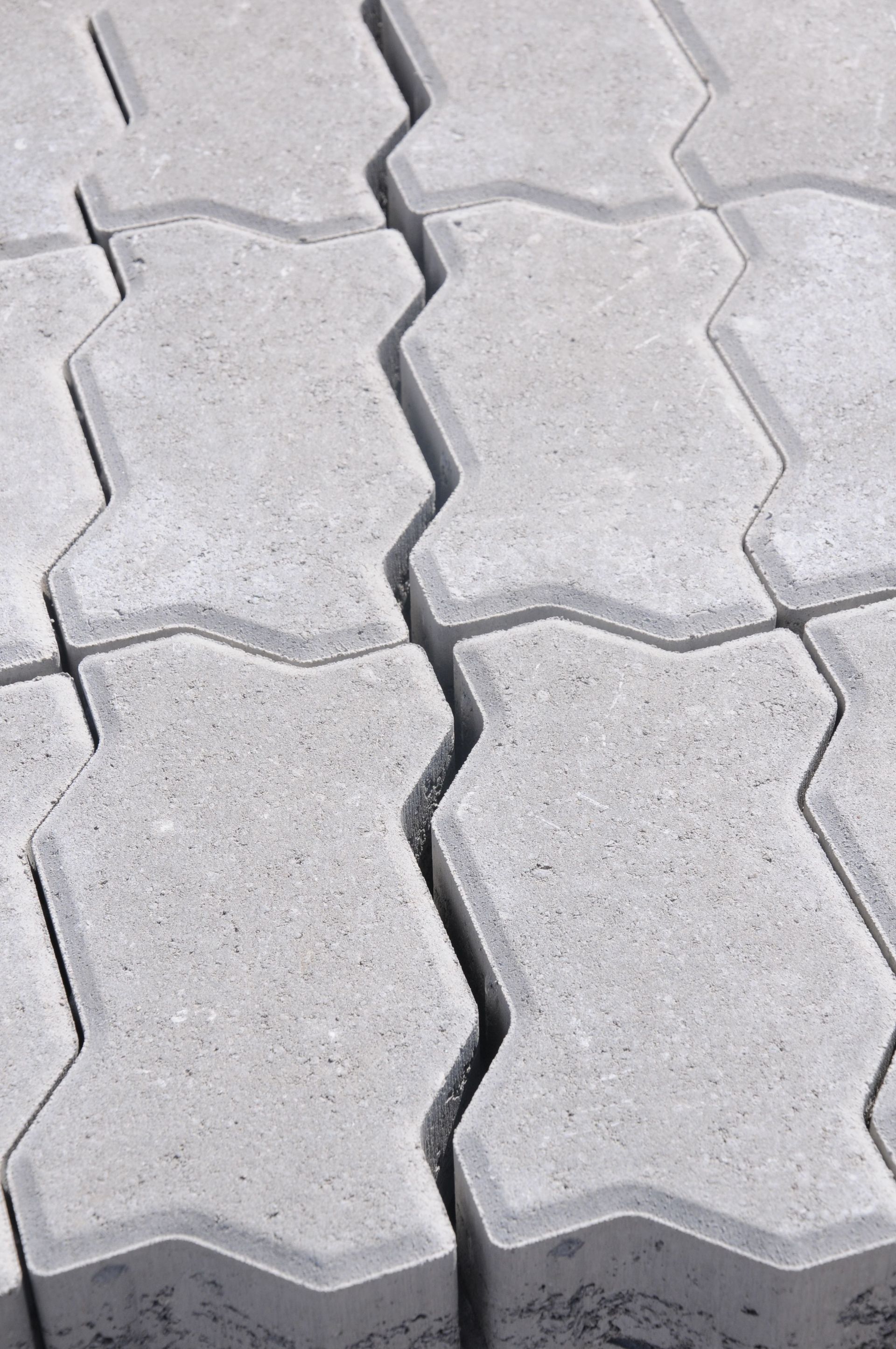
- Patios, pool decks, and paver walkways
- Extended or widened driveways
- Sheds and detached structures over a certain footprint
A homeowner who starts near the top of the first tier (say, 1,400 sq ft of existing impervious area) and adds a 400 sq ft addition plus a 300 sq ft patio has just added 700 sq ft enough to jump from the $2.50 tier straight into the $5.00 tier. A homeowner already in the middle tier who adds a large ADU or a second-story addition with a wraparound patio can, in some cases, cross into the top $7.50 tier.
The size of your lot doesn't factor in at all only the hardened surface does. Two homes on identical-sized lots can sit in completely different tiers depending on how much of that lot is covered in roofline, concrete, and pavers versus lawn and landscaping. That's why it's worth having your contractor estimate total impervious area, existing plus proposed, before final drawings are locked in, rather than discovering the new tier after the project is complete.
5. What This Actually Costs You Over Time
On its own, moving up one tier is not dramatic the difference between the bottom and middle tier is $2.50 a month, or $30 a year; the jump from middle to top tier is the same. Over a typical 15 to 20 year period in a home, that's roughly $450 to $600 in additional stormwater fees for a one-tier jump, or $900 to $1,200 for a two-tier jump from bottom to top. It won't change whether a project makes financial sense. But it's a real, permanent monthly cost that starts the moment your project is reflected in the city's records, and it's one more small line item worth including when you're planning the true cost of ownership after a renovation alongside insurance, property tax reassessment, and maintenance.
Where this adds up faster is on larger, multi-phase projects. A homeowner who builds an ADU one year and adds a pool deck and expanded driveway a few years later may cross two tiers in stages without ever seeing the combined effect until they look at their utility history side by side. None of this should stop a project that otherwise makes sense it's simply a cost worth naming up front instead of discovering by surprise.
6. Fee Credits and Ways to Manage the Increase
Jacksonville's stormwater FAQ notes that property owners "may be eligible for fee credits" and can apply for a fee adjustment if they believe the city has miscalculated their impervious area for example, if a property record overstates the size of a driveway or patio. If your renovation plans call for a large paved area, ask your contractor about permeable pavers or gravel for secondary surfaces like a parking pad or walkway; because these allow water to filter through rather than run off, they can reduce how much of the new surface counts as impervious area, depending on the material and installation. Pairing that kind of material choice with other efficiency upgrades is also a good time to look at ways a renovation can lower your insurance costs at the same time.
7. Plan the Whole Project, Not Just the Build
At Sunshine State, we started from the ground up — literally. Our founder, John Belizario, began as a subcontractor working alongside his uncle before earning his general contractor's license and building a full-service renovation and custom home company here in Northeast Florida. That path shapes how we scope a project: not just what it costs to build, but what it costs to own afterward.
As John puts it, "My goal is not just to do a good job but make sure my customer understands and is happy with the final result." A $2.50 or $5.00 monthly fee isn't going to change anyone's plans. But knowing about it before you sign a contract instead of finding it on a city bill six months later — is the kind of detail that builds trust. It's part of why we bring in engineers, estimators, and project coordinators from day one: to make sure nothing about your project catches you off guard, whether it's a permit requirement, a kitchen remodel budget line, or a utility fee most contractors never mention.
If you're comparing contractors for an addition, ADU, or major renovation, it's worth knowing what to ask before you hire a general contractor — and worth looking at which upgrades actually deliver the best return on investment for Jacksonville homes specifically.
Frequently Asked Questions
Will a small patio or walkway push me into a higher stormwater tier?
Not usually on its own. The tiers span wide ranges (1,550 to 4,650 sq ft for the middle tier, for example), so a single small patio rarely crosses a threshold by itself. It's more likely to matter when combined with a larger project like an addition or ADU.
Does the stormwater fee apply to garage conversions?
The conversion itself doesn't add impervious area, since the garage footprint already existed. But if the project includes a new driveway or parking pad to replace lost garage parking, that new pavement does count.
Can I dispute my stormwater fee if I think it's wrong?
Yes. According to the city's stormwater FAQ, owners can apply for an adjustment if they believe the city has misidentified the property type or miscalculated the impervious area.
Does building an ADU always move me to the highest tier?
Not always — it depends on how much impervious area you already have and how large the ADU and its associated hardscape are. It's worth estimating your current total before finalizing an ADU design.
Thinking through a home addition, ADU, or renovation and want a contractor who accounts for the full picture — permits, budget, and the costs that show up after move-in? Reach out to Sunshine State, Jacksonville's licensed, full-service general contractor.