Living in Your Home During a Renovation: A Jacksonville Family's Guide | Sunshine State Pro
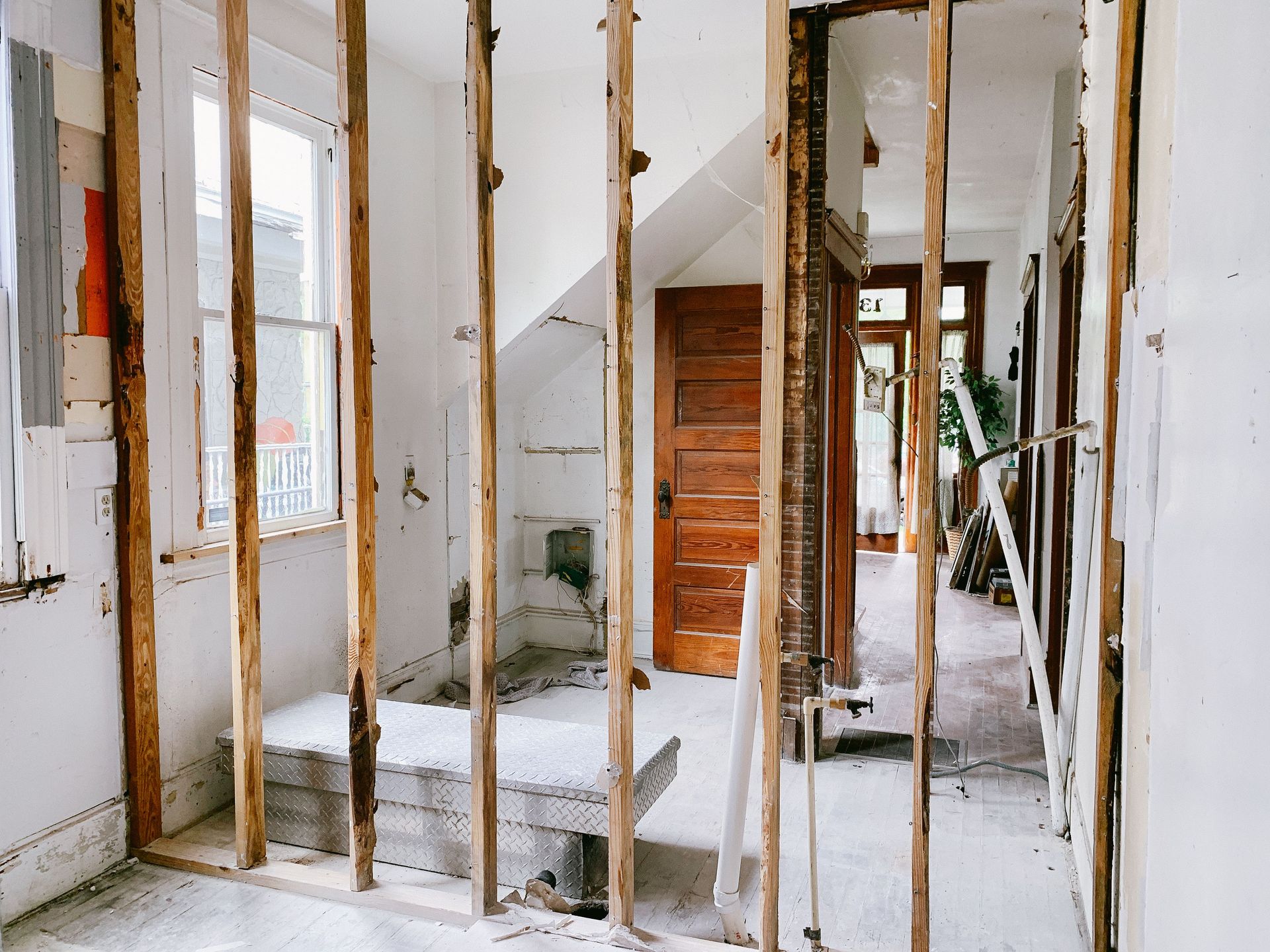
Most homeowners who renovate in Jacksonville don't move out. They live through it cooking off a folding table, herding kids and pets around drop cloths, and learning to love their contractor's daily text update. Done right, that's a manageable few weeks. Done without a plan, it's the reason renovation horror stories get told at dinner parties for years. This guide covers what actually matters if you're staying in your home during a kitchen remodel, bathroom remodel, addition, or whole-house renovation: setting up a livable space, protecting your family (including a real hazard older Jacksonville homes need to plan around), and keeping the project and your routines on track.
Why Most Jacksonville Homeowners Renovate Instead of Move
Staying put during a renovation isn't a compromise it's the norm. According to the National Association of Home Builders' fourth-quarter 2025 Remodeling Market Index survey, bathroom remodeling was the most common project type that year, with 73% of remodelers rating it common to very common on their books, followed closely by kitchen remodeling and whole-house renovation. NAHB is forecasting remodeling activity to grow another 3% in 2026 as more owners choose to improve the home they have rather than buy a new one.
That tracks with what we hear directly from Jacksonville clients. With interest rates keeping a lot of families from moving, more homeowners are choosing to add space or update what they've got instead of waiting out the market. If that's you, the question isn't whether to renovate instead of move — you've likely already decided. It's how to get through the work without your household falling apart.
Set Up a Temporary Living Zone Before Work Begins
The single biggest thing that determines whether a renovation feels manageable or miserable is what you do in the 48 hours before the crew shows up. If you're mid- kitchen remodel, set up a temporary cooking station somewhere else in the house a folding table with a microwave, electric kettle, mini-fridge, and a cooler goes a long way. If it's a bathroom remodel and you only have one full bath, talk to your contractor about sequencing so a working toilet and shower stay available, or plan around a gym membership or a neighbor for the days it doesn't.
Beyond the work area itself:
- Pack and label anything in the work zone before the first day don't leave your crew guessing what to move.
- Designate one room as a construction-free zone: no tools, no dust, no exceptions. Somewhere to close a door and reset.
- Cover furniture and flooring in adjacent rooms, not just the work area dust travels further than people expect, especially with demolition.
- Keep at least one clear, unobstructed path to every exterior door for safety.
A licensed, organized crew will also seal off the work zone with plastic and negative-air containment where it matters, but the prep on your side of the wall is on you.
Protecting Your Family From Construction Hazards — Especially in Older Homes
Dust and noise are the hazards everyone expects. The one that catches families off guard is lead paint. Under the EPA's Renovation, Repair and Painting (RRP) Rule, roughly three-quarters of U.S. homes built before 1978 still contain some lead-based paint, and any paid renovation work that disturbs more than six square feet of painted surface in a pre-1978 home legally requires a lead-safe certified renovator using lead-safe work practices. That applies to remodeling contractors, not to homeowners doing their own DIY work in their own home but if you're hiring the job out, it's worth asking directly whether your contractor and crew are certified.
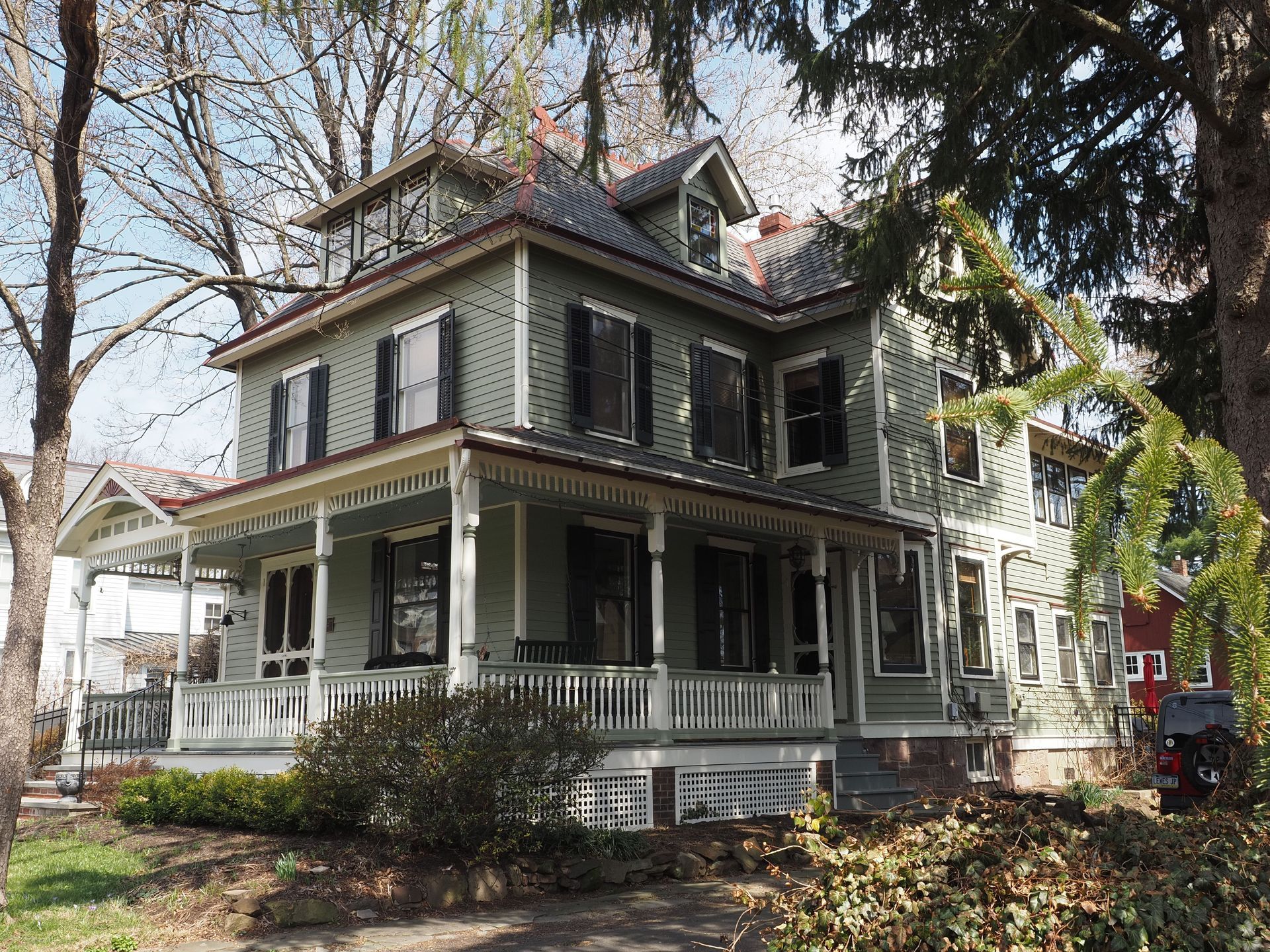
This isn't a hypothetical for a lot of Northeast Florida families. Jacksonville's historic core Riverside (homes generally dating from the 1870s through the 1930s), Avondale (roughly 1909–1936), and Springfield (platted in 1869) is full of houses built decades before the 1978 lead ban, and plenty of homes outside the historic districts are older too. If you're not sure when your house was built, your county property appraiser's site will tell you in seconds, and it's worth checking before any demolition starts, not after.
As a licensed general contractor, our team handles the compliance side permits, code upgrades, and lead-safe practices where they apply — so you're not the one figuring it out mid-project.
Keep Your Family's Routines Intact
Construction disrupts a household more through the loss of routine than through the noise itself. If your family eats dinner together at 6:30, keep doing it even if dinner is takeout eaten in the temporary kitchen zone. If your kids do homework at the same table every night, find them an equivalent spot away from the work area and stick with it. Predictability is what keeps a few weeks of construction from feeling like your whole life is on hold, and it matters even more for young kids and pets who don't understand why the house suddenly sounds and smells different.
Talk to Your Contractor Every Week — Not Just When Something's Wrong
The renovations that go sideways for homeowners are rarely the ones with the biggest scope they're the ones with the worst communication. Ask for a standing weekly check-in, even a short one, where you can see what's done, what's next, and flag concerns before they turn into change orders. A good renovation team treats that update as part of the job, not an inconvenience.
That's the model we build every project around: an in-house team of estimators, coordinators, and project managers whose job is making sure you understand what's happening and are genuinely happy with where the project stands not just handing you a punch list at the end and hoping for the best. You can see what that looks like in practice from what our clients say about working with us.
How Long You'll Actually Be Living Around Construction
Duration depends heavily on scope. A single-room refresh disrupts your routine for days; a full kitchen remodel typically runs longer once cabinetry, counters, and inspections are factored in we break down what actually drives that timeline in our kitchen remodel timeline guide. Whole-house renovations and additions run longest of all, since they typically involve more permitting and more trades on-site at different phases. Before you commit to a scope, it's worth working through budgeting for a full home renovation alongside the realistic timeline the two are connected, since a rushed schedule is usually where budgets blow up. Permit review times also affect how long a project stretches out; our guide to Jacksonville's building permit process covers what to expect there.
Older plumbing can extend a timeline too if a renovation uncovers galvanized or polybutylene pipe, some homeowners end up folding a whole-house repipe project into the scope once walls are already open, which is worth discussing with your contractor up front rather than as a mid-project surprise.
Living Through a Renovation: FAQs
Should I move out during a full home renovation?
Most homeowners don't, and most projects including full kitchen and bathroom remodels don't require it. The exceptions are renovations that remove your only bathroom or kitchen access for an extended stretch, or major structural work affecting the whole house at once. Talk through your specific scope with your contractor before deciding either way.
Is it safe to live in a home built before 1978 during a renovation?
It can be, as long as the work follows lead-safe practices where paint is disturbed. Ask your contractor directly whether they're EPA lead-safe certified for pre-1978 work, it's a fair, standard question, and a licensed contractor should have a clear answer.
How do I protect my belongings during construction?
Remove or cover anything in the work zone and adjacent rooms before day one, and don't assume dust stays where the work is happening. A properly run job site uses containment barriers, but your own prep on furniture, electronics, and flooring in nearby rooms is still worth the effort.
Do I need to be home while the crew works?
Not for most of the project, but you should be reachable, and it helps to be present for key milestones, the pre-construction walkthrough, any point where selections need confirming, and the final punch list. A weekly check-in covers the rest.
What about kids and pets?
Keep them out of the active work zone entirely, and set up a quiet, contained space away from tools, dust, and open walls. For pets especially, a room with a closed door and a sign for the crew prevents accidental escapes during a busy work day.
Living through a renovation is manageable when the plan is clear from day one — which is exactly why we treat the walkthrough, the weekly updates, and the final result as equally part of the job. If you're planning a project in Jacksonville, Fernandina Beach, Palm Coast, or anywhere in between, call for a free estimate at (904) 517-2427 and we'll walk you through what living with your specific project will actually look like.