Pool Cost in Jacksonville, FL: 2026 Permit & Safety Code Guide
Pull up a satellite photo of any established Jacksonville neighborhood and you will see them everywhere: pools, tucked behind homes from San Marco to Fernandina Beach. A pool is one of the biggest single investments a homeowner makes in a property, right up there with a full kitchen remodel or a home addition, and it comes with more rules than most people expect walking in. Before you call around for quotes, here is what a pool actually costs in Jacksonville in 2026, what the City requires before anyone can dig, and the one Florida safety law every pool has to meet no matter who builds it.
What a Pool Actually Costs in Jacksonville Right Now
Pool pricing is one of the least standardized numbers in residential construction, because no two backyards or design lists are alike. According to 2026 pricing published by Southern Elegance Pools, a Jacksonville-based custom pool builder, entry-level custom inground pools with standard finishes start around $70,000. Larger pools with upgraded finishes, sun shelves, or an integrated spa typically land between $85,000 and $120,000-plus, and highly customized designs with premium materials and full backyard transformations run $120,000 and up from there.
That same source notes permitting fees generally run $500 to $1,000 on top of construction cost a smaller line item, but not a skippable one, and not one every homeowner budgets for up front. The bigger swing factor in a real project is almost never the pool shell itself. It is everything built around it: the decking, the safety enclosure, and the permitting timeline that has to happen before a single shovel goes in the ground.
Yes, You Need a Permit — Here Is the City of Jacksonville Process
Some homeowners assume a pool is exempt from permitting because it does not have four walls and a roof. It is not. The City of Jacksonville Building Inspection Division lists swimming pools explicitly among the additions that require a building permit, right alongside room additions and patio covers, because a permit is how the City confirms the minimum standards for public health and safety have actually been met before you fill it with water.
A few specifics worth knowing before you set your timeline:
- The City is currently enforcing the Florida Building Code, 8th Edition (2023) , across building, mechanical, plumbing, electrical, and accessibility provisions.
- Expect roughly 25 to 30 business days for the first plan review, and about 10 business days for a resubmission if changes are requested plan your groundbreaking date accordingly, not around when you place the order with a pool builder.
- Once issued, permits are valid for 180 days .
- Because a pool project is well over $5,000, a Notice of Commencement is required before work begins that same City guidance confirms the threshold applies to "most jobs over $5,000," and a pool virtually always clears it.
- Applications go through the City's online JaxEPICS portal, and you can verify any contractor's state license through the Department of Business and Professional Regulation at (904) 727-6530, or the Construction Trades Qualifying Board at (904) 630-2657, before you sign anything.
If you are weighing whether to pull the permit yourself, our guide to navigating Jacksonville's building permits walks through what that actually involves and where homeowners tend to get stuck.
Florida's Pool Safety Law: The One Requirement Every Pool Must Meet
This is the part homeowners are least likely to hear about until they are already mid-project, and it is not optional. Under Florida's Residential Swimming Pool Safety Act, F.S. 515.27, a new residential pool cannot pass final inspection or receive a certificate of completion unless it has at least one of five approved safety features:
- An isolation barrier or enclosure that meets the state's pool barrier requirements, or
- An approved safety pool cover, or
- Exit alarms on every door and window with direct pool access, rated at a minimum 85 decibels at 10 feet, or
- A self-closing, self-latching device on doors with pool access, mounted no lower than 54 inches above the floor, or
- A pool alarm independently certified to ASTM Standard F2208.
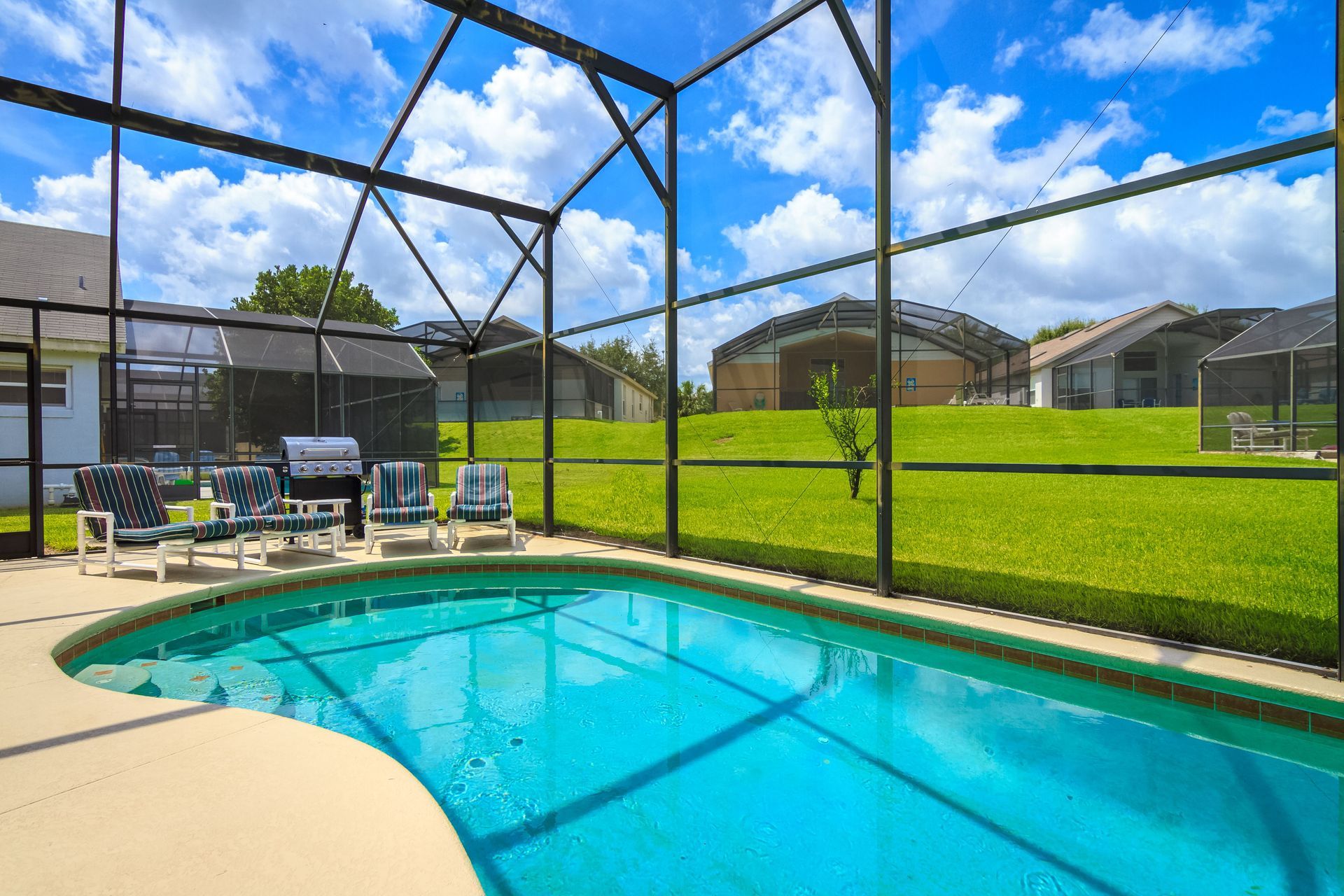
Skipping this is not a paperwork technicality. The statute makes failing to equip a new pool with at least one of these features a second-degree misdemeanor, though the law does give homeowners 45 days after a citation to add a safety feature and complete a drowning-prevention course before any penalty applies. Most Jacksonville homeowners satisfy this requirement with a screened lanai or pool enclosure, which does double duty as both a code-approved safety barrier and a bug-and-debris solution for the rest of the year.
Beyond the Shell: Decking, Enclosures, and the Real Backyard Budget
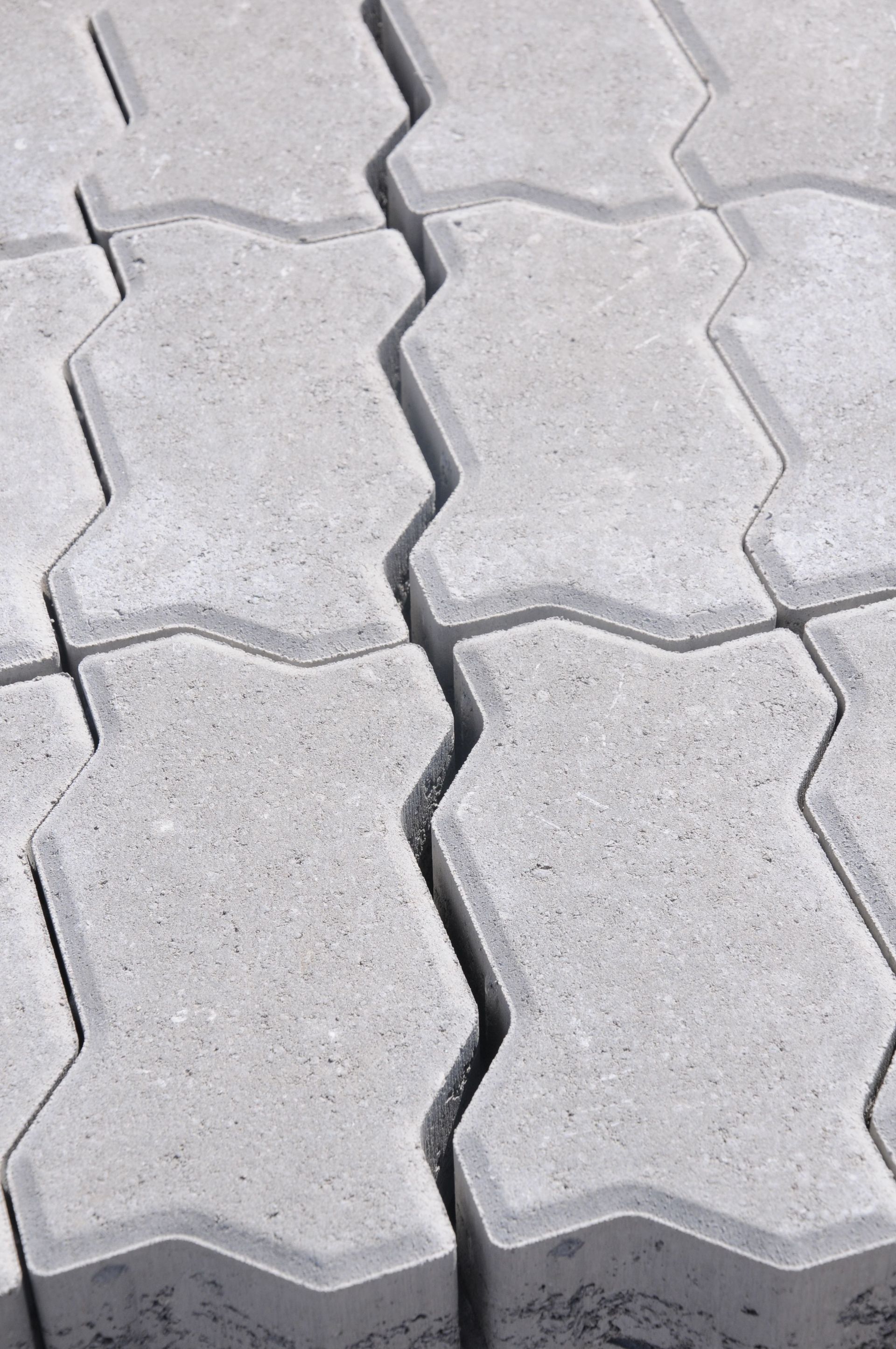
The number that shows up in a pool builder's quote almost never reflects what you will actually spend to enjoy the finished space. Decking material — pavers, travertine, concrete, or porcelain along with drainage and any patio expansion around the pool, is typically priced separately from the pool itself, and for many homeowners that surrounding space becomes a meaningful share of the total project. Add a screened enclosure to satisfy the safety-code requirement above, and maybe an outdoor kitchen or a wood or composite deck for the transition space, and the pool becomes one piece of a much larger backyard renovation rather than a standalone purchase.
This is exactly why homeowners planning a pool are usually better served thinking about the whole backyard as one project, rather than a pool contract plus a decking contract plus a fencing contract, each pulled by a different company, permitted separately, and scheduled around three different crews.
What Pushes Your Price Up or Down
A handful of factors explain most of the spread between a $70,000 pool and a $120,000-plus one:
- Shape and design complexity — freeform shapes, raised walls, integrated spas, and tanning ledges all add cost over a simple rectangle.
- Site conditions — yard access for equipment, soil conditions and drainage, existing structures or utilities, and grading or elevation changes can require real site prep before pool work even starts. Some Jacksonville lots need more of this than others.
- Finishes — interior pool finish type, waterline tile, and coping materials each carry their own price range, and the gap between standard and premium options adds up fast.
- Equipment — variable-speed pumps, automation systems, LED lighting, salt systems, and heaters add to both upfront cost and how much you will spend running the pool for years afterward.
If a spa is anywhere on your someday list, it is worth pricing it into the initial build rather than waiting. Adding one later usually means cutting into finished decking, plumbing, and structure that was already completed once — a redo cost nobody plans for.
Why One Team Should Run Your Whole Pool Project
John Belizario, who leads our team at Sunshine State, built this company the way most people build a real career in the trades: from the ground up, as a subcontractor first, before investing in himself to earn his general contractor license. That history is part of why our approach to a project like this is not "call a pool company, then separately call us for the deck, then call someone else for the enclosure." It is one team home addition and renovation specialists with engineers, estimators, and project coordinators who work together like a family managing the decking, the enclosure, and the permitting timeline around your pool as one coordinated project instead of three separate ones with three separate schedules to track and three separate companies to chase down.
Our goal has never been to just get a job done and move on. It is making sure you actually understand what the process involves, what Florida and City code require, and what the finished result will look and feel like before we ever break ground. If a pool is on your list this year, we would rather walk you through the whole picture, permits, safety code, and the backyard around it than have you find out about F.S. 515.27 after the pool is already in the ground and the surprise costs you a redo.
Frequently Asked Questions
Do I need a permit for an above-ground pool in Jacksonville, not just an inground one?
The City of Jacksonville's Building Inspection Division lists swimming pools generally among permit-required additions. Check with the Building Inspection Division or your contractor for how your specific pool depth and type is classified before you build.
What happens if my pool does not meet the state safety law?
Under F.S. 515.27, failing to equip a new residential pool with at least one approved safety feature is a second-degree misdemeanor, though homeowners have 45 days after a citation to add a safety feature and complete a drowning-prevention program before a penalty applies.
Is a Notice of Commencement really required for a pool?
Yes. The City of Jacksonville requires a Notice of Commencement on most jobs over $5,000, and a pool project virtually always exceeds that threshold.
How long does the whole process take, from permit application to first swim?
Budget at least 25 to 30 business days just for the City's first plan review, on top of construction time, longer if a resubmission is needed. Homeowners who plan their groundbreaking date around the pool builder's schedule alone are often surprised by this.
Can Sunshine State build my pool?
We serve as the general contractor coordinating your backyard renovation, permitting, decking, and screened enclosures, around your pool project. Call us at (904) 517-2427 to talk through how your specific project comes together.
Thinking about a pool in Jacksonville, Fernandina Beach, or anywhere in between? Reach out to our team for a free consultation, or read more about how we work before you get three separate contractors involved in one backyard.