Renovate or Build New in Jacksonville, FL? A 2026 Decision Guide | Sunshine State Professional Services
Every week, John Belizario and his team at Sunshine State Professional Services field the same question from Northeast Florida homeowners: should we renovate the house we already own, or is it time to tear down and build new? It is not an easy call, and anyone who tells you there is a one-size-fits-all answer is skipping the details that actually matter for your lot, your budget, and your timeline. This guide walks through the real 2026 numbers, the Jacksonville-specific rules that can force the decision one way or the other, and a simple framework to help you land on the right answer for your home.
Why More Jacksonville Homeowners Are Asking This Question in 2026
The renovation market has stayed unusually strong even as home sales have slowed. The National Association of Home Builders' Remodeling Market Index averaged 61 in the second quarter of 2026, comfortably in positive territory on NAHB's 0-100 scale, even after a small dip from the first quarter's 62. That is not a coincidence. A 2026 Citizens Bank survey found that 36% of homeowners are choosing to improve their current home specifically because of the cost of buying, and 19% said they simply do not want to give up their existing mortgage rate. Seventy-one percent of respondents said they plan to complete a home improvement project within the next two years, and two-thirds said they would sacrifice other major purchases to make it happen.
The underlying driver is what economists call the mortgage rate lock-in effect. National Mortgage Professional reports that roughly 80% of homeowners with a mortgage are currently holding a rate below what is available today, and 65% of recent renovators chose to upgrade their existing home instead of moving. For a lot of the families Sunshine State works with, that math is exactly why an addition or a full remodel of their current Jacksonville home starts to look a lot more attractive than listing it and buying something new at today's rates.
Renovation Cost vs. New Construction Cost: The Real 2026 Numbers
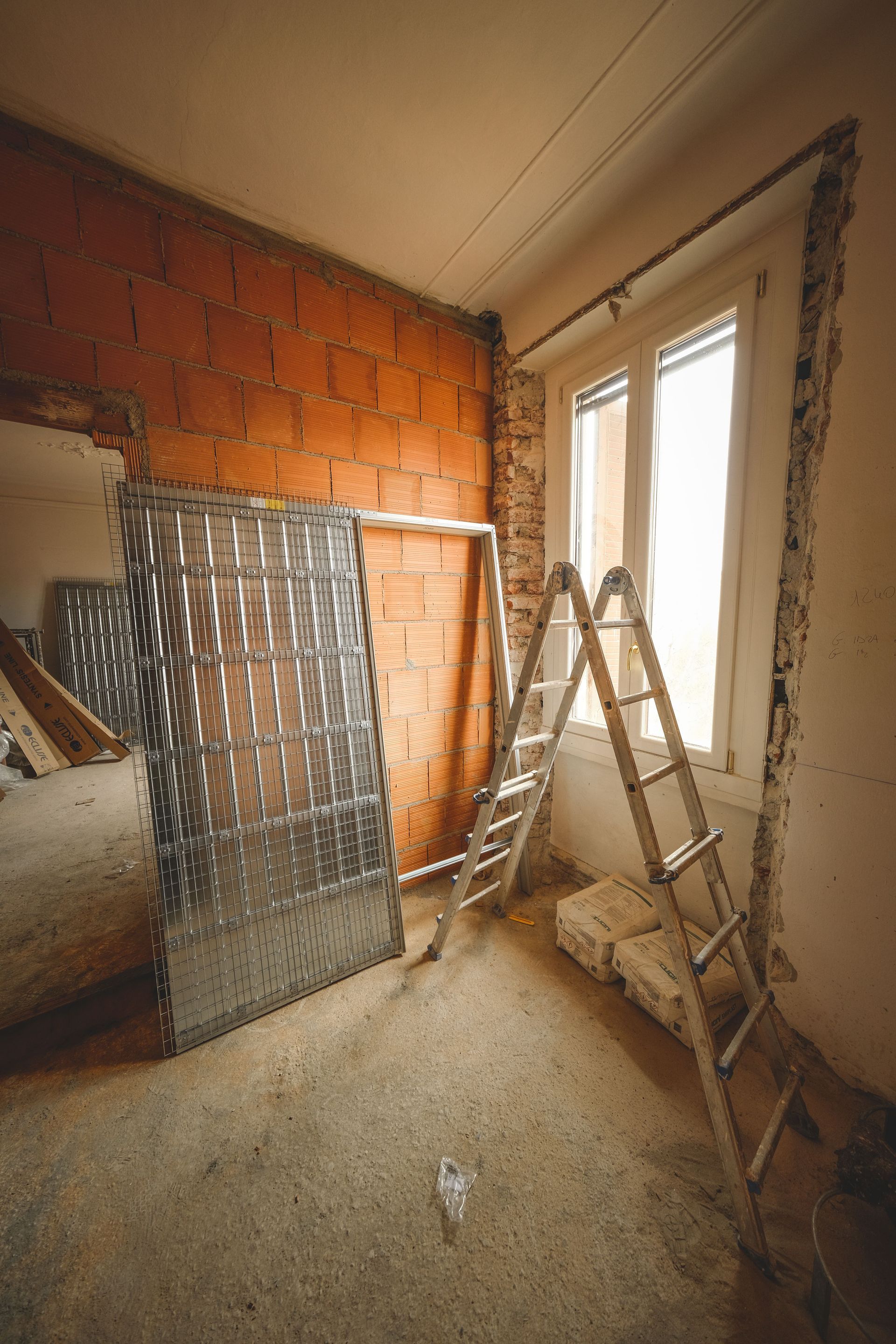
Nationally, the National Association of Home Builders puts new construction at a median of $166 per square foot for spec homes and $180 or more per square foot for custom homes in 2026, though the group notes that figure swings widely by region, foundation type, and finish level. Renovation costs are even harder to pin to a single number: 2026 renovation cost data shows a range from roughly $15 per square foot for cosmetic updates to $300 or more per square foot for a full gut renovation that touches structure, systems, and finishes together. The gap between a paint-and-fixtures refresh and a down-to-the-studs remodel is enormous, which is exactly why a generic "cost per square foot" number is a poor way to compare your options.
For Jacksonville-specific numbers, Sunshine State has already broken down both sides of this in detail: see our custom home construction cost guide for Jacksonville, and our companion piece on what it actually costs to build a custom home in Jacksonville in 2026. If you are weighing a major remodel instead, our guide to budgeting for a full home renovation project walks through where the money typically goes.
The 50-60% Rule: When Renovating No Longer Makes Sense
Design-build firms and cost estimators commonly apply a rule of thumb: once a renovation's projected cost climbs above roughly 50-60% of what building an equivalent new home would cost, the math starts to favor starting over, according to cost-comparison data published by Custom Home Group. The logic is straightforward. A renovation that stays under that threshold usually means the existing foundation, framing, and layout are sound enough to build on, so you are paying for finishes and targeted structural work rather than rebuilding the bones of the house. Once you are replacing the foundation, re-engineering the structure, and gutting every system anyway, you are effectively paying new-construction prices without getting a new-construction warranty or a blank-slate floor plan.
This threshold is a planning tool, not a hard rule, and it is exactly the kind of number a licensed general contractor should walk through with you against your specific home before you commit either direction.
Jacksonville-Specific Factors That Tip the Decision
A few local realities can push the decision out of "it depends" territory and into a clear answer. The biggest one for many Northeast Florida homeowners is FEMA's 50% Rule: if your home sits in a mapped flood zone and your renovation's cost crosses 50% of the structure's market value, Jacksonville's floodplain ordinance can require the entire home to be brought up to current flood-elevation standards. That single rule has turned what looked like a straightforward remodel into a full rebuild for more than a few homeowners near the river and the coast, so it needs to be checked early, not after a contract is signed.
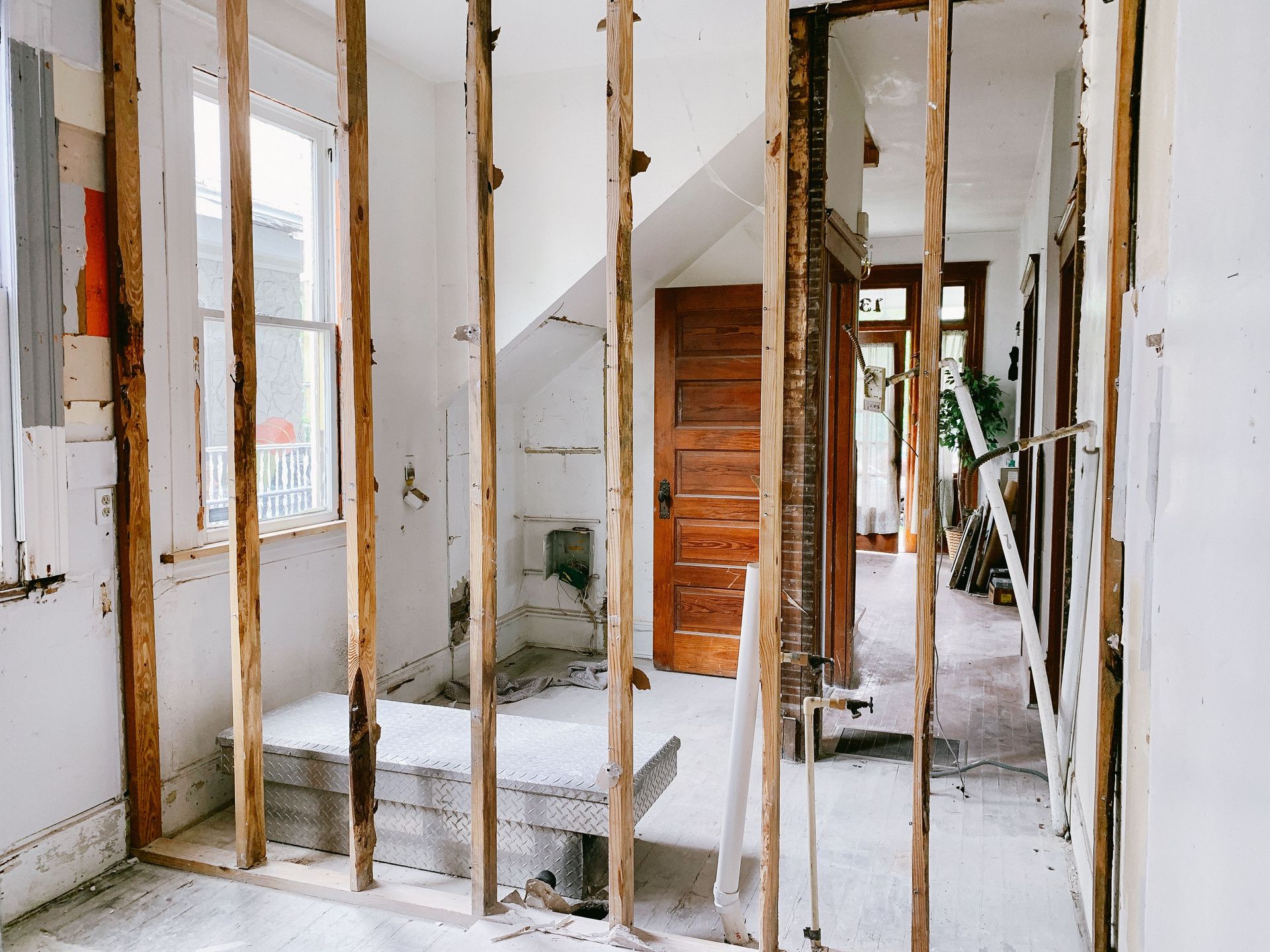
On the other side of the ledger, Florida's newer permitting rules can make renovating more attractive. HB 803's $7,500 permit exemption removed the permitting requirement for certain smaller residential repair and remodeling work, which can shorten timelines and reduce soft costs on projects that qualify. And Jacksonville's older neighborhoods, many built decades before current wind and flood codes, often carry outdated electrical panels, galvanized or polybutylene plumbing, and roofs past their insurable lifespan. On those homes, a "simple" remodel can uncover enough hidden work that the 50-60% threshold gets crossed fast, which is why an experienced local contractor should assess the home in person before you lock in a direction.
What You Gain by Renovating: Speed, Equity, and Keeping Your Rate
Renovating keeps you in your neighborhood, on your lot, and usually in your existing mortgage. The typical mortgaged homeowner was sitting on roughly $181,000 in untapped home equity as of mid-2025, according to Redfin, which is real leverage for financing an addition or remodel through a HELOC or cash-out refinance rather than taking on a full new construction loan. Renovation timelines also tend to run shorter than new builds, since you are not waiting on a full permitting and construction cycle for an entire structure. If financing is the piece you are still working out, our guide to home renovation financing options in Jacksonville breaks down the loan types homeowners are actually using this year.
What You Gain by Building New: Full Customization and Long-Term Value
Building new means you are not working around someone else's floor plan, someone else's foundation, or someone else's decisions from 30 years ago. Every system goes in to current Florida Building Code from day one, which matters in a state where wind-load and flood-elevation standards have tightened significantly over the past two code cycles. You also get a full builder's warranty on the entire structure, not just the portion you touched, and the freedom to design a layout that fits how your family actually lives now rather than how a previous owner lived decades ago. If a custom build is on the table, it is worth spending time with our available floor plans to see what a from-scratch layout could look like on your lot.
A Simple 5-Question Framework Before You Decide
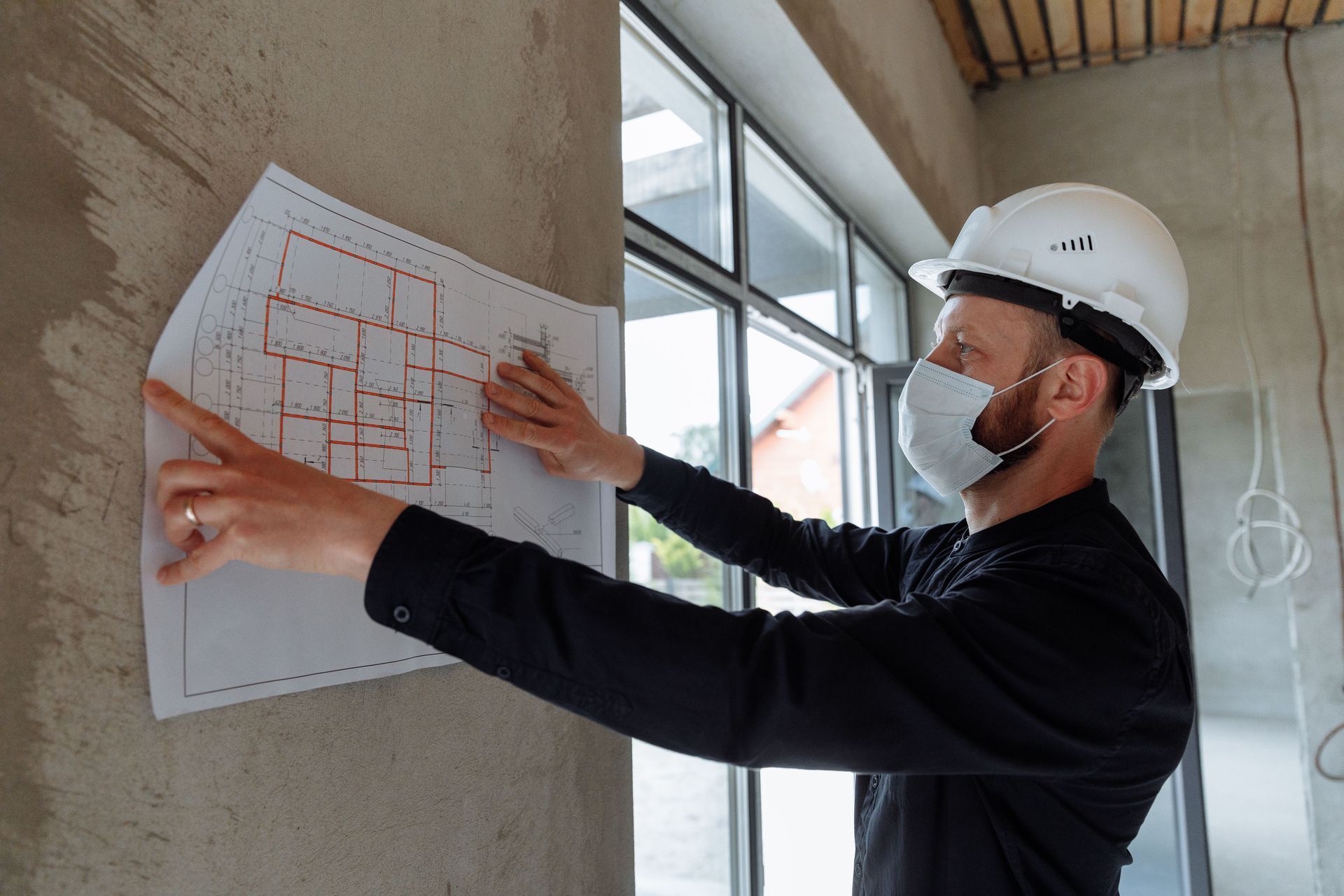
Before you commit to either path, work through these five questions with a licensed contractor:
1. Is your home in a mapped flood zone, and how close is your project cost to the FEMA 50% threshold? 2. Is your projected renovation cost creeping past 50-60% of what an equivalent new home would cost on your lot? 3. Are your foundation, framing, electrical panel, and plumbing sound enough to build on, or are they due for full replacement regardless of what you renovate? 4. Do you need to preserve your current mortgage rate, or does your budget support a new construction loan? 5. Does your current floor plan genuinely fit your life today, or would targeted additions solve the actual problem?
An honest walkthrough with our general contracting team answers most of these in a single visit. Because Sunshine State holds a general contractor's license and handles everything from kitchen and bathroom remodels to ground-up custom builds, you get the same team and the same point of contact no matter which direction the numbers point you toward. If a home addition turns out to be the better fit than a full remodel or a rebuild, that is on the table too, and our team at how to hire a general contractor in Jacksonville covers the questions worth asking any contractor before you sign, ours included.
Frequently Asked Questions
Is it cheaper to renovate or build new in Jacksonville, FL?
In most cases renovating costs less, especially for projects that stay under roughly 50-60% of an equivalent new build's cost. But once a remodel requires full structural, electrical, and plumbing replacement, or triggers FEMA's 50% Rule in a flood zone, the price gap narrows fast. A licensed contractor can price both paths against your specific home before you decide.
What triggers FEMA's 50% Rule on a Jacksonville renovation?
If your home sits in a mapped flood zone and your renovation cost reaches 50% or more of the structure's market value, Jacksonville's floodplain ordinance can require the entire home to be elevated to current flood standards. See our full breakdown of the FEMA 50% Rule for how that value is calculated.
Can I renovate without giving up my current mortgage rate?
Yes. Most homeowners renovate using a HELOC, home equity loan, or cash-out refinance rather than replacing their primary mortgage, which lets them tap equity while keeping their existing rate on the original loan balance.
How do I know if my house is a good renovation candidate?
A licensed general contractor should evaluate your foundation, framing, roof age, electrical panel, and plumbing in person. If those core systems are sound, a renovation usually makes sense. If several need full replacement anyway, a rebuild is worth pricing out.
Does Sunshine State handle both renovations and new custom home builds?
Yes. Sunshine State is a licensed general contractor and full-service builder, so the same team can take on a kitchen remodel, a full home renovation, or a ground-up custom build without bringing in a separate company for each phase.
There is no universal answer to renovate-or-rebuild, but there is a right answer for your specific house, lot, and budget. If you are trying to figure out which side of that line your Jacksonville home falls on, Sunshine State Professional Services can walk the property with you and price both paths honestly. Call (904) 517-2427 or reach out through sunshinestatepro.net to schedule a consultation.