Renovation Change Orders in Jacksonville, FL: Why Bids Balloon and How to Protect Your Budget
You signed a bid for $180,000. By the time your Jacksonville renovation wraps, the final number is closer to $225,000. If that scenario sounds familiar, you are not alone, and it is not bad luck. According to renovation industry data from Realm, the average change order rate across renovation projects nationally runs 25 to 30 percent of total contract value. On a $200,000 project, that is $50,000 to $60,000 in add-on costs that were never part of the original number you approved. Separately, Realm's renovation budget research found that 78 percent of home renovation projects end up over budget, and roughly two-thirds of homeowners take on debt to cover the difference. Here is what a change order actually is, why bids balloon, and what to look for in a contract before you sign one for a Jacksonville renovation.
1. What a Change Order Actually Is (and Isn't)
A change order is a written amendment to your original contract that modifies the scope of work, the price, or the timeline. That definition matters, because it also tells you what a change order is not. It is not a verbal conversation where a contractor mentions, mid-project, that something is going to cost more. It is not a text message or an email asking you to approve extra work after it has already started. A legitimate change order is a written document that spells out exactly what is changing, what it costs, and requires your signed approval before that work begins.
If a contractor performs additional work without a signed change order and then bills you for it afterward, that is not a change order in any enforceable sense. It is unauthorized work, and you are not automatically on the hook for it just because it showed up on an invoice.
2. Why the Industry Average Runs 25 to 30 Percent of Project Value
That 25 to 30 percent figure is not a worst-case scenario, it is the average across the renovation industry. Per Realm's data, the gap between high-change-order contractors and low-change-order contractors comes almost entirely from what happens before construction starts, not during it: how the scope was defined, how specific the contract language is, and whether allowances were nailed down with real dollar amounts instead of left open-ended.
It is also worth separating two very different categories. Homeowner-driven changes, where you decide mid-project to upgrade a finish or add square footage, are a normal and reasonable part of renovating. Contractor-driven change orders, where vague original scope language gets used to bill for work that should have been priced into the bid from the start, are the preventable category, and they make up the bulk of that industry average.
3. The Contract Language That Quietly Becomes a Change Order
Certain phrases in a renovation bid sound reasonable on paper but leave the door wide open for add-on costs later:
- "As discussed." If a scope item only exists as a verbal conversation and never made it into the written contract, it is not an enforceable commitment.
- "Standard grade." Standard grade materials or fixtures mean different things to different contractors. Without a specified brand, model, or dollar allowance, the contractor decides what "standard" means, and it is usually priced at the lowest defensible level.
- "Per plan." This only holds up if a fully detailed plan is attached to the contract. A rough sketch or preliminary drawing leaves room for expensive interpretation later.
- Allowances marked "TBD." An allowance is a placeholder for a cost that has not yet been finalized. If it does not have a specific dollar figure attached before you sign, it is an open-ended line item, not a real number.
Vague scope language is also a big reason bids from different general contractors for the same Jacksonville renovation can vary by tens of thousands of dollars. A contractor who has not committed to specifics on paper can quote a lower number up front, because the real cost gets recovered later through change orders.
4. Legitimate Change Orders vs. Ones That Shouldn't Happen
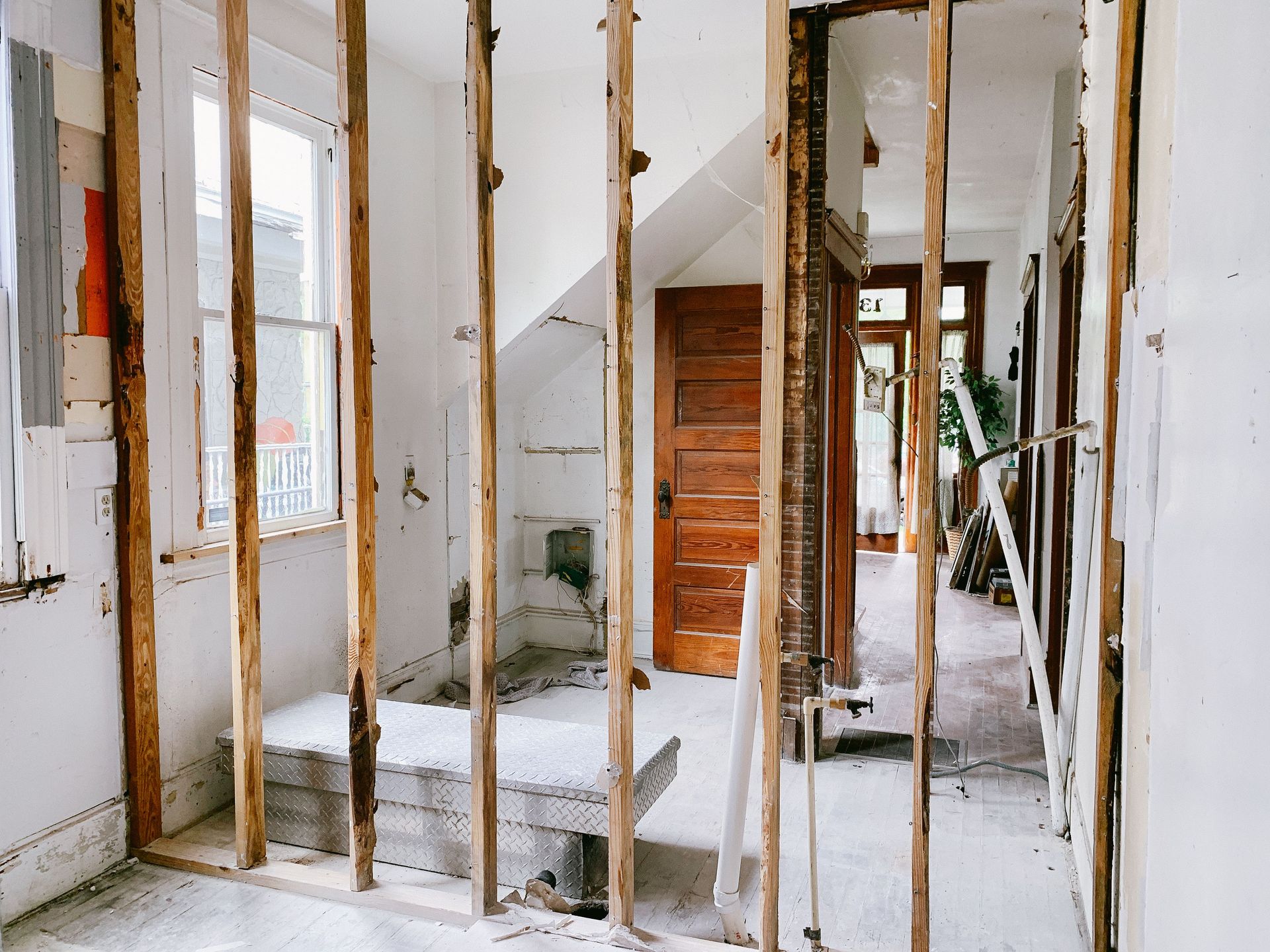
Not every change order is a red flag. Legitimate ones come from genuinely unforeseen conditions that could not have been identified before demolition started: old or non-compliant wiring discovered behind a wall, structural damage or wood rot concealed by finishes, water intrusion that was not visible until drywall came down, or termite damage in framing that looked sound from the surface. Florida's humidity and older housing stock in Northeast Florida make these kinds of hidden conditions more common than in drier climates, and a contractor who prices for one after finding it is doing exactly what should happen.
Manufactured change orders come from a different place: undefined scope language that gets exploited after the contract is signed, when it is harder for a homeowner to push back mid-project. The distinction is not always obvious from the outside, which is exactly why the contract language in Section 3 matters before the first wall comes down.
5. What a Fair Change Order Clause Should Actually Say
Before signing any renovation contract, find the change order clause and confirm it establishes three things:
- Any change to scope, price, or timeline requires a written change order document describing the change specifically, not a verbal agreement or an email thread.
- You must approve that change order in writing before the related work begins. Approval implied by silence, or requested after the fact, should not be accepted.
- Work performed without a written, homeowner-approved change order is performed at the contractor's risk, not yours.
If a contract has no change order clause at all, that is worth addressing with the contractor before you sign, not after the project has started.
6. How Sunshine State Keeps Jacksonville Renovations On Budget
Sunshine State Professional Services was built by founder John Belizario from the ground up, starting as a subcontractor before earning his general contractor license, which is exactly the kind of hands-on trade background that shapes how a scope actually gets written. "My goal is not just to do a good job but make sure my customer understands and is happy with the final result," John says, and that starts well before a shovel goes into the ground.
That commitment is backed by a full in-house team, engineers, estimators, project coordinators, and project managers, working through the scope together before a contract is signed, rather than leaving pricing gaps to surface as change orders mid-project. Whether the job is a kitchen remodel, a bathroom remodel, a home addition, or a full custom build, the same principle applies: a clearly defined scope and a real allowance schedule protect your budget more than any amount of negotiating after the fact. For more on what to ask before you sign with any contractor, see our guide on questions to ask a general contractor before you hire.
7. Frequently Asked Questions
Is it normal for a renovation to have any change orders at all?
Yes. Hidden conditions like wood rot or old wiring behind a wall are common in Northeast Florida's older homes, and pricing that works when it is found is a legitimate change order. The goal is not zero change orders, it is keeping them limited to genuine surprises rather than gaps in the original scope.
Can I refuse to pay for work I never approved in writing?
Work performed without your signed, written approval is performed at the contractor's risk. Review your specific contract language, but as a general rule, verbal add-ons and after-the-fact invoices are not the same as an approved change order.
What is the single biggest thing I can do to avoid surprise costs?
Read the allowance line items before you sign. If a cost is listed as "TBD" or the material grade is not specified with a brand, model, or dollar figure, ask for it to be filled in before the contract is finalized.
Does Sunshine State charge a deposit before defining the full scope?
Our team works through scope, estimating, and project coordination up front so the contract you sign reflects the real project, not a placeholder. Reach out to our team to start that conversation for your project.