Tiny Homes in Jacksonville, FL: 2026 Cost & Zoning Guide | Sunshine State Pro
When John Belizario opened Sunshine State Professional Services, he started the way most tradespeople do: on the ground, learning the business one project at a time. Today, one of the fastest-growing requests his team hears from Jacksonville homeowners has nothing to do with a kitchen remodel or a new roof. It is some version of: "Can I put a small home in my backyard for my mom?" or "My son needs his own space — is that even legal here?"
The short answer is yes. The longer, more useful answer is what this guide covers: what actually counts as a tiny home under Florida law, how that differs from an accessory dwelling unit (ADU), what one costs to build in 2026, and what the City of Jacksonville's permitting process actually requires.
Why More Jacksonville Homeowners Are Adding a Tiny Home This Year
Higher interest rates have made buying a second property, or even trading up to a bigger house, a lot less attractive than it used to be. Instead, more homeowners are looking at the property they already own and asking how to get more out of it. A tiny home in the backyard is one of the more practical answers: it adds real living space without the cost, taxes, and hassle of relocating.
"My goal is not just to do a good job but make sure my customer understands and is happy with the final result," John Belizario says of how his team approaches every project, whether it's a full home addition or a single backyard cottage. That philosophy shows up most clearly in tiny home builds in Jacksonville, where the client is often solving a very personal problem — housing an aging parent, giving an adult child a stable place to land, or simply reclaiming space without renovating the whole house.
It is a full-service approach by design. Sunshine State's team — engineers, estimators, project coordinators, and project managers — works through the design, permitting, and construction of a tiny home the same way it would a much larger project, just at a smaller scale.
What Actually Qualifies as a "Tiny Home" Under Florida's Building Code
Not every small structure legally counts as a "tiny house." Under the Florida Building Code, a tiny house is defined as a dwelling of 400 square feet or less in floor area, excluding lofts, and it must be built to the tiny house standards spelled out in that code. Anything larger than 400 square feet is treated under different rules entirely.
That distinction matters when you start comparing floor plans. Several of Sunshine State's own tiny home designs — the Heron and Ashford models at 384 square feet, the Savannah at 372 square feet, and the Montclair pool house at 295 square feet — fall inside that strict 400-square-foot definition. Larger, more livable layouts like the Seabreeze (624 sq ft) or the Magnolia, Driftwood, Palmetto, and Sandbar models (600 sq ft each) exceed it, which shifts them into a different regulatory category: the accessory dwelling unit.
Tiny Home or ADU? Why the Line Matters at the Permit Office
In practice, most of the structures people call "tiny homes" in Jacksonville backyards are built and permitted as accessory dwelling units. Jacksonville's ADU rules cap a unit at 750 square feet or 25% of the primary home's square footage, whichever is smaller, meaning a smaller primary residence can actually limit how large a backyard unit is allowed to be.
This is why Sunshine State's tiny home and ADU floor plans overlap so heavily — they're frequently the same physical structure, permitted under whichever framework fits the property and the homeowner's intended use. If the plan is to rent the unit out, it is also worth knowing that Jacksonville's ADU rules generally require the property owner to occupy either the main home or the unit, and short-term rentals under a week are prohibited — so a backyard tiny home is not a workaround for running an Airbnb.
Wheels or Foundation? Only One Lets You Live There Year-Round
One of the most common misconceptions is that a tiny home on wheels is a faster, cheaper path to the same result. It is not, at least not for permanent living in Jacksonville. Under current Florida law, a home built on a trailer chassis is legally treated as a trailer, and while it can sometimes be registered as a "park trailer" for seasonal use, that classification does not permit year-round permanent living the way a foundation-built structure does.
Every tiny home Sunshine State builds is constructed on a permanent foundation and built to Florida Building Code standards, including hurricane-resistance requirements, specifically so it qualifies as a legal, year-round residence rather than a seasonal structure.

What a Tiny Home Actually Costs in 2026
Nationally, professionally built tiny homes average around $67,000, with most projects landing somewhere between $30,000 and $150,000 depending on size, finishes, and site conditions. Cost per square foot tends to run higher than a standard home, not lower, since a tiny home still needs a full kitchen, bathroom, electrical panel, and HVAC system packed into a much smaller footprint.
National averages are a starting point, not a quote. Site work, utility connections, permitting, and finish level all move the number for any specific Jacksonville lot, which is exactly why Sunshine State walks every homeowner through a project-specific estimate before anything is signed, rather than pricing off a national number.
Permits, Fees, and What to Expect From the City of Jacksonville
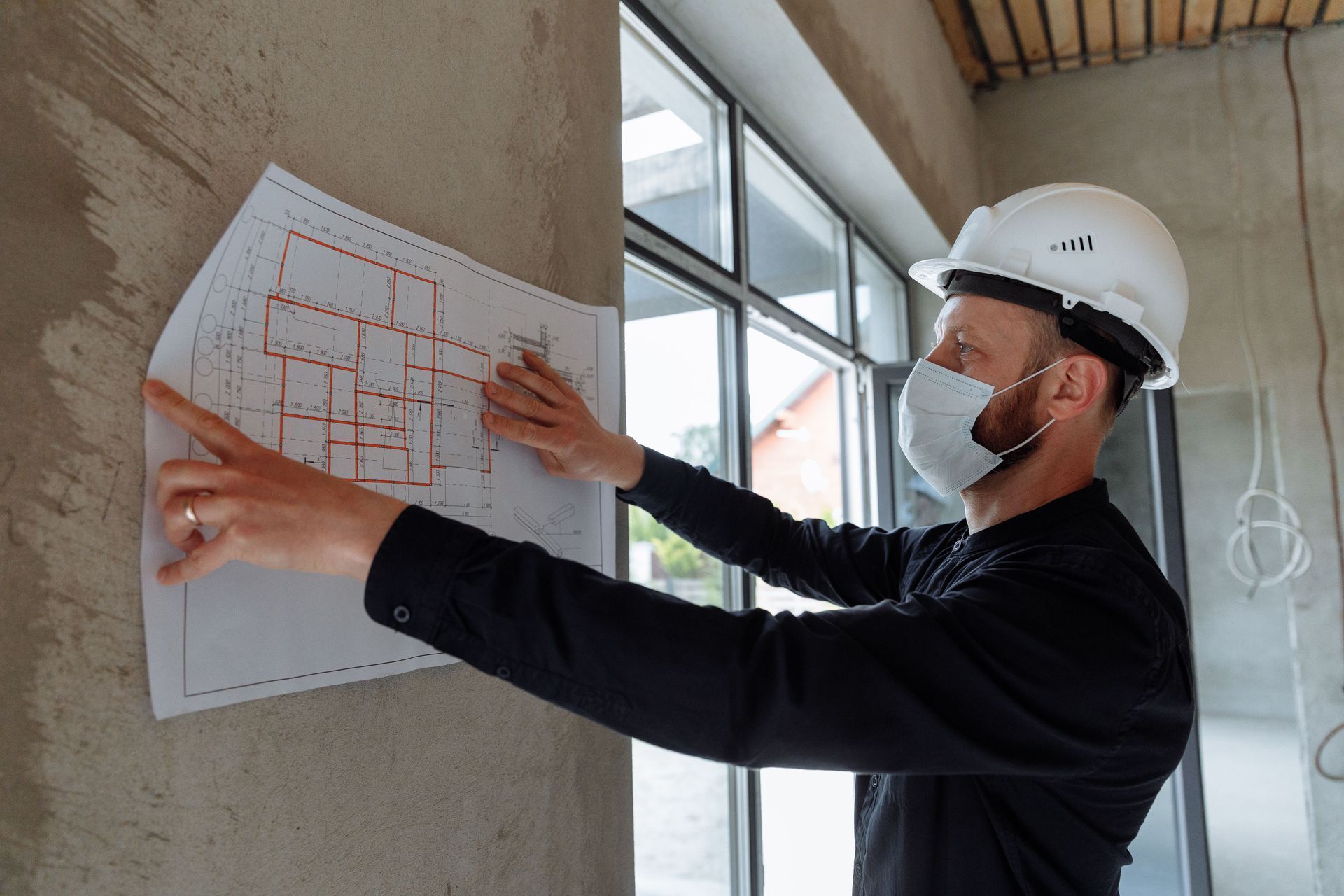
Jacksonville's Building Inspection Division handles roughly 9,000 permits a month through its online JaxEPICS system, and all new construction, including accessory structures, must comply with the Florida Building Code, 8th Edition (2023). The city's published fee schedule charges new and accessory buildings a plans-examining fee of $4.25 per 100 square feet, with a reduced foundation-only fee equal to 25% of the standard building permit fee.
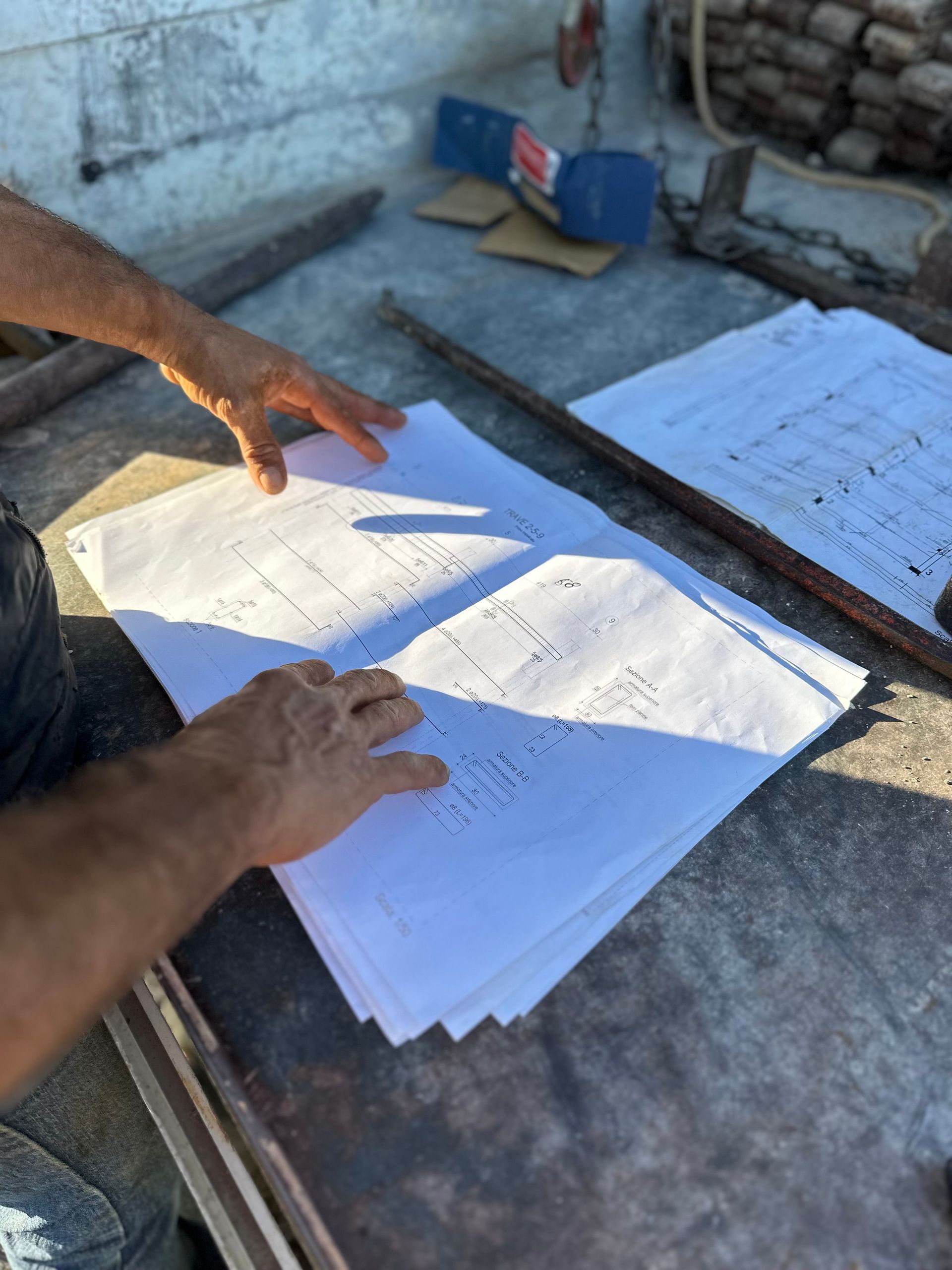
Sunshine State manages this entire process for its clients — from the initial permit submission through final inspection — which is one of the reasons homeowners bring in a licensed general contractor rather than attempting a tiny home build on their own.
Popular Ways Jacksonville Families Are Using a Tiny Home
The reasons homeowners give for building a tiny home tend to fall into a few consistent categories:
- Housing an aging parent close by, without anyone giving up their independence or privacy.
- Giving an adult child their own space — a private in-law suite arrangement that keeps family close without everyone sharing one roof.
- A dedicated home office or studio , separated from the noise and distractions of the main house.
- A stable landing spot for a family member going through a transition, from a job change to a divorce to a move back to Jacksonville.
None of these require a homeowner to redefine their whole property. That is part of the appeal — a tiny home solves a specific, immediate need without the scope or cost of a full home addition.
Choosing the Right Floor Plan for Your Lot
Floor plan selection usually comes down to two things: how the space will be used, and how much room the lot and Jacksonville's ADU size caps actually allow. A single occupant who wants a private studio might be well served by the Savannah (372 sq ft) or Montclair pool house (295 sq ft) layout. A family adding space for a parent or adult child more often leans toward a full one-bedroom plan like the Heron (384 sq ft), Belmont (499 sq ft), or Seabreeze (624 sq ft), each with a complete kitchen, bathroom, and separate sleeping area.
Sunshine State's team walks through the full lineup of floor plans with every client and provides a 3D rendering before construction begins, so there are no surprises about what actually fits the space.
Frequently Asked Questions
Do I need a permit to build a tiny home in Jacksonville?
Yes. Any permanent tiny home or ADU requires a building permit through the city's JaxEPICS system and must meet Florida Building Code standards, regardless of size.
Can I put a tiny home on wheels in my backyard and live in it full-time?
Generally, no. A home built on a trailer chassis is classified as a trailer under Florida law and, at most, can be registered for seasonal use — not as a permanent, year-round residence.
What's the real difference between a tiny home and an ADU?
"Tiny home" describes a home's size and style; "ADU" describes its legal status as a secondary unit on your property. Many tiny homes in Jacksonville, including garage conversions built as ADUs, are built and permitted under the same 750-square-foot ADU cap.
How much does a tiny home cost in Jacksonville?
Nationally, professionally built tiny homes average roughly $67,000, though the final number depends heavily on size, finishes, and site work. For financing options, see Sunshine State's ADU financing guide.
Ready to Talk Through Your Property?
Every lot is different, and the fastest way to know what's actually possible on yours is a conversation with a licensed local team that has already navigated Jacksonville's permitting process on hundreds of projects. Sunshine State handles the design, the permits, and the build — request a free consultation to find out what fits your backyard.