Water Heater Replacement Cost in Jacksonville, FL: 2026 Permit & Pricing Guide
If your water heater is leaking, popping, or just old enough that you're bracing for it to fail, there's one detail most Jacksonville homeowners don't expect: replacing it isn't a DIY-and-done job the way a faucet swap is. The City of Jacksonville treats a water heater replacement as permitted work, full stop and skipping that step can cost you more than the heater itself. Here's what the permit actually requires, what a tank or tankless replacement runs in 2026, and how a licensed Northeast Florida general contractor handles the whole thing so you don't have to think about it twice.
Do You Need a Permit to Replace a Water Heater in Jacksonville?
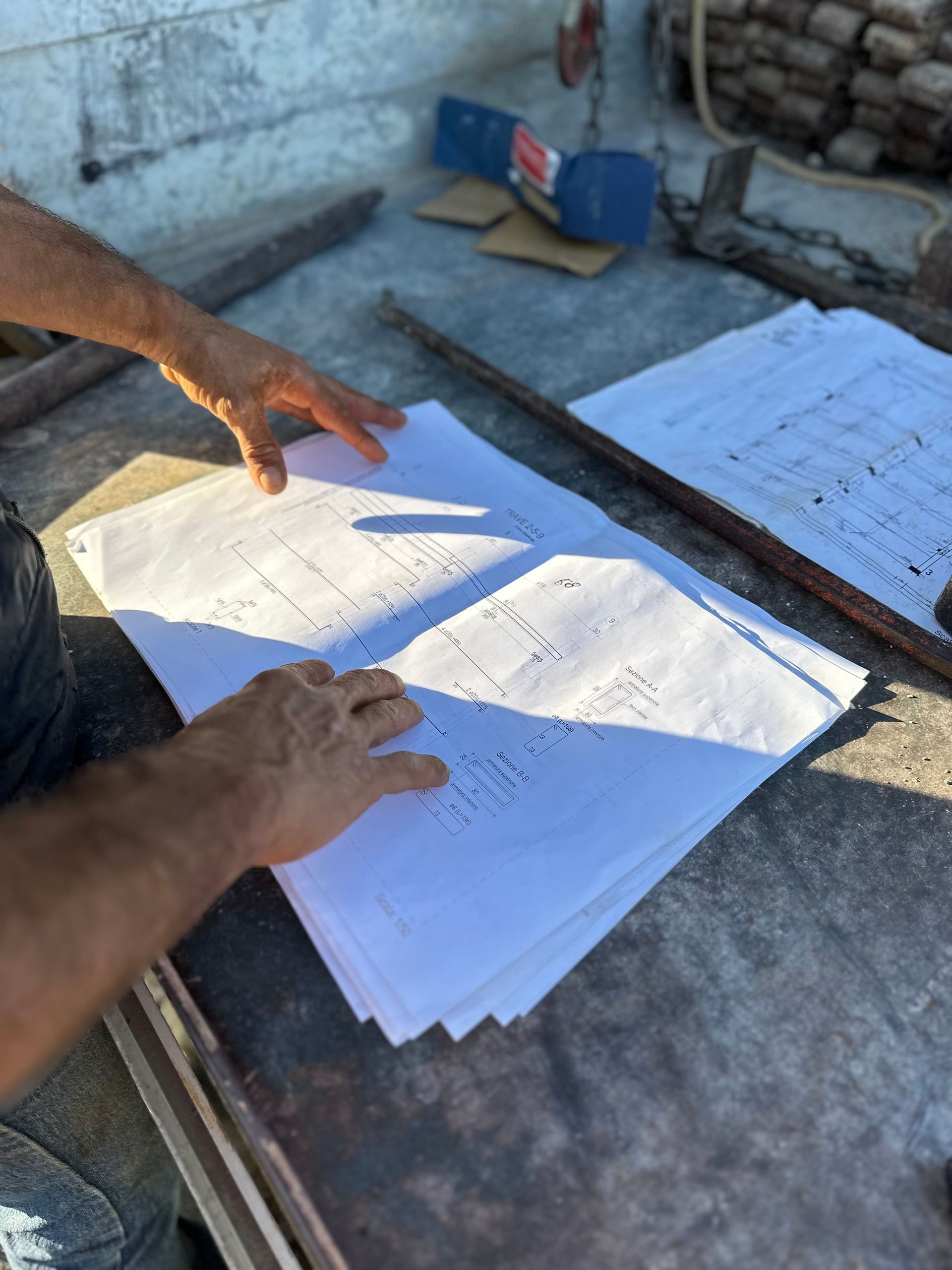
Yes. The City of Jacksonville's Building Inspection Division is explicit about this: a building permit is required for "repairs – replacement of water heaters or other plumbing fixtures, irrigation systems, air conditioning units, new electrical service, rewiring, etc." Water heaters aren't a footnote in that rule, either — they're called out by name in the city's own list of work that does not need a permit. Most plumbing fixture swaps are exempt once you're past the shutoff valve. Water heaters are the specific exception.
That surprises a lot of homeowners, because a like-for-like water heater swap feels routine. It isn't, legally. Under the Florida Building Code 8th Edition (2023) — the plumbing code currently enforced in Jacksonville — installing or replacing a water heater requires a permit and a field inspection before the work is considered complete. Starting the job without one is unlawful and carries a $250 fine on its own, on top of whatever it costs to bring an unpermitted install up to code later if you ever sell the house.
The one exception: if you're a homeowner doing the labor yourself on your own primary residence, you can pull an owner's permit directly. Almost everyone else — and every project involving a licensed plumbing contractor — goes through the standard permit and inspection process.
Water Heater Replacement Cost in Jacksonville: Tank vs. Tankless
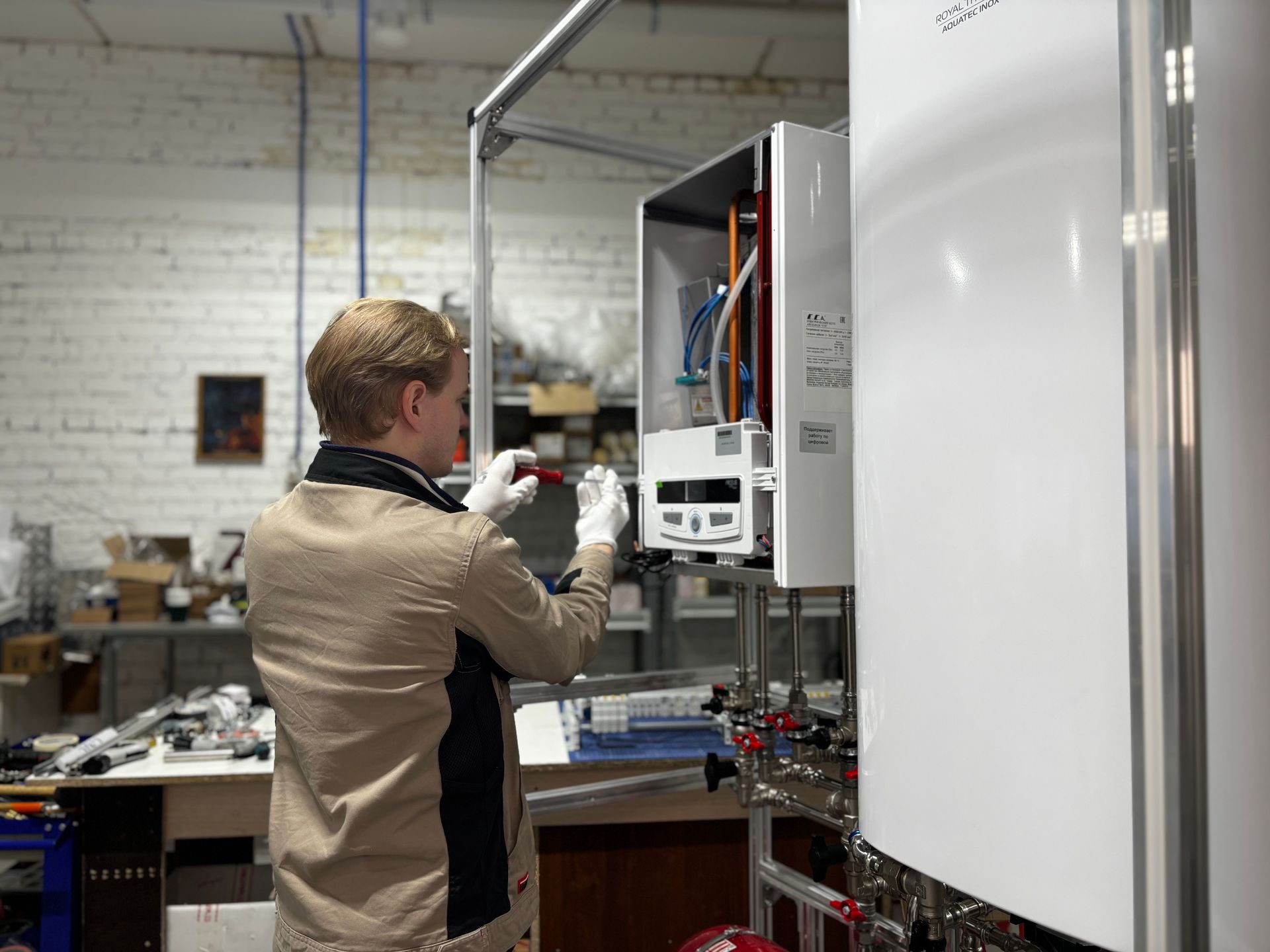
Nationally, a fully installed tank-style water heater typically runs $600 to $2,500, while a tankless unit runs $1,400 to $3,900 installed — figures that hold up reasonably well for Northeast Florida, where labor and material costs track close to national averages. Labor alone breaks down further: $150 to $450 to replace a tank-style unit, $600 to $1,900 for a tankless install, and $150 to $2,500 if you're switching from tank to tankless, since that swap usually means new venting, gas line work, or an electrical upgrade.
A few things move the number in either direction:
- Fuel type. Electric and gas units start at similar price points, but converting fuel types or upsizing your electrical service adds real labor cost.
- Tank size. Larger households need bigger tanks, and unit cost scales with gallon capacity.
- Relocation. Moving the unit to a new spot in the house adds plumbing, venting, and sometimes framing work.
- Permit fees. Nationally, permit costs for this kind of work typically run $25 to $300; Jacksonville's Building Inspection Division sets its own schedule based on the value of the job, so the exact number depends on what you're installing.
Lifespan is worth factoring in too: a properly maintained tank water heater typically lasts 10 to 15 years, while tankless units can run 20 years or longer. If yours is already past the 10-year mark, replacing it on your terms — not after it fails and floods a closet — is usually the cheaper path.
The Jacksonville Permitting Process, Step by Step
Here's what actually happens once a licensed contractor pulls the permit for your replacement:
- Permit application. The plumbing permit is submitted to the Building Inspection Division, either online through the city's portal or in person at 214 N. Hogan Street.
- Notice of Commencement, if applicable. Jacksonville requires a recorded Notice of Commencement on jobs over $5,000 (or $15,000 for mechanical work) — most straightforward water heater swaps fall under that threshold, but a full tank-to-tankless conversion with electrical or gas line work can cross it.
- Installation. Your contractor installs the unit to current Florida Building Code Plumbing standards, including venting, temperature-pressure relief valve routing, and (in flood-prone areas) elevation requirements.
- Field inspection. A city inspector checks the completed work before it's considered legally finished. Permits stay valid for 180 days, which is more than enough time for a job this size.
None of this is a reason to put off a replacement it's a reason to have someone who does this daily handle the paperwork instead of you.
Why Hiring a Licensed Contractor Matters Here
This is one of those projects where the license isn't a formality. Florida Statute 455.228 lets the state pursue a cease-and-desist order against unlicensed activity, and a homeowner who knowingly hires an unlicensed contractor can face a civil penalty of up to $5,000 for aiding and abetting it — on top of losing the workmanship protections a licensed contractor's insurance provides. We've written more on the penalties for hiring an unlicensed contractor and how to verify a contractor's license before you sign anything.
At Sunshine State Professional Services, this is the kind of job our founder, John Belizario, built the company to handle without a homeowner having to manage three different vendors. John started as a subcontractor working construction with his uncle after moving to the U.S. from Brazil, then invested in himself to earn his general contractor's license. That ground-level experience is exactly why our team pulls its own permits, coordinates the plumbing trade, and stands behind the inspection — it's one team, from permit to final inspection, instead of you chasing down a plumber and a permit separately. If you're weighing this replacement against a larger project — adding a bathroom, building an ADU, or planning a home addition that will add fixtures and hot water demand — it's worth sizing the new unit for where your home is headed, not just where it is today.
Signs Your Water Heater Needs Replacing Now
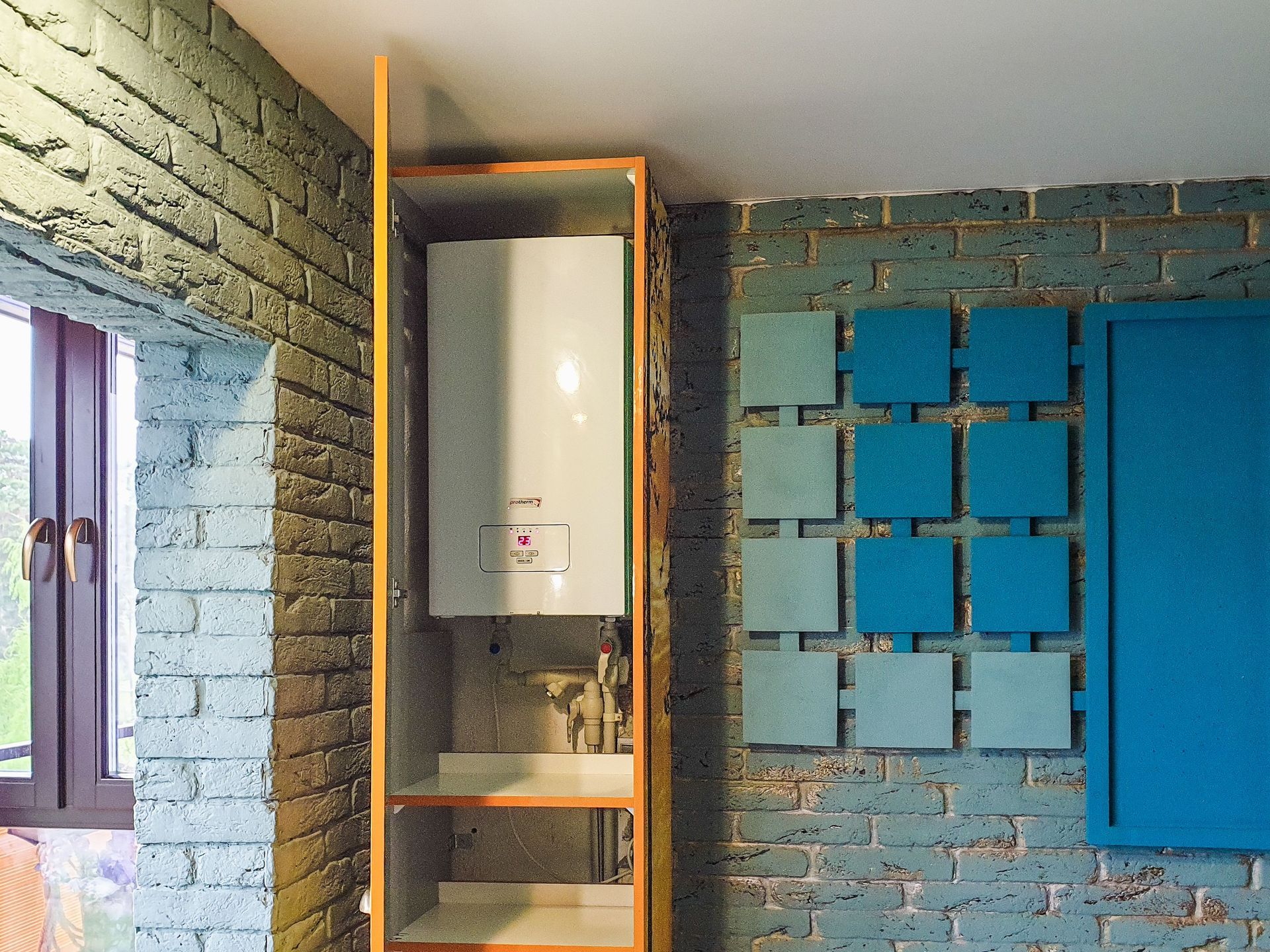
You don't have to wait for a full failure. Watch for:
- Age. If your tank is past 10 years old, replacement planning should already be underway.
- Rust-colored water from the hot tap, which often signals internal tank corrosion.
- Popping or rumbling sounds during heating, usually sediment buildup hardening at the bottom of the tank.
- Water pooling around the base, which can mean a cracked tank — this one doesn't wait.
- Inconsistent hot water that used to be reliable, often the first sign of a failing heating element or a tank nearing end of life.
Any of these paired with an aging unit is a good reason to plan the replacement rather than gamble on a repair.
Planning Renovation Work Around Your Water Heater
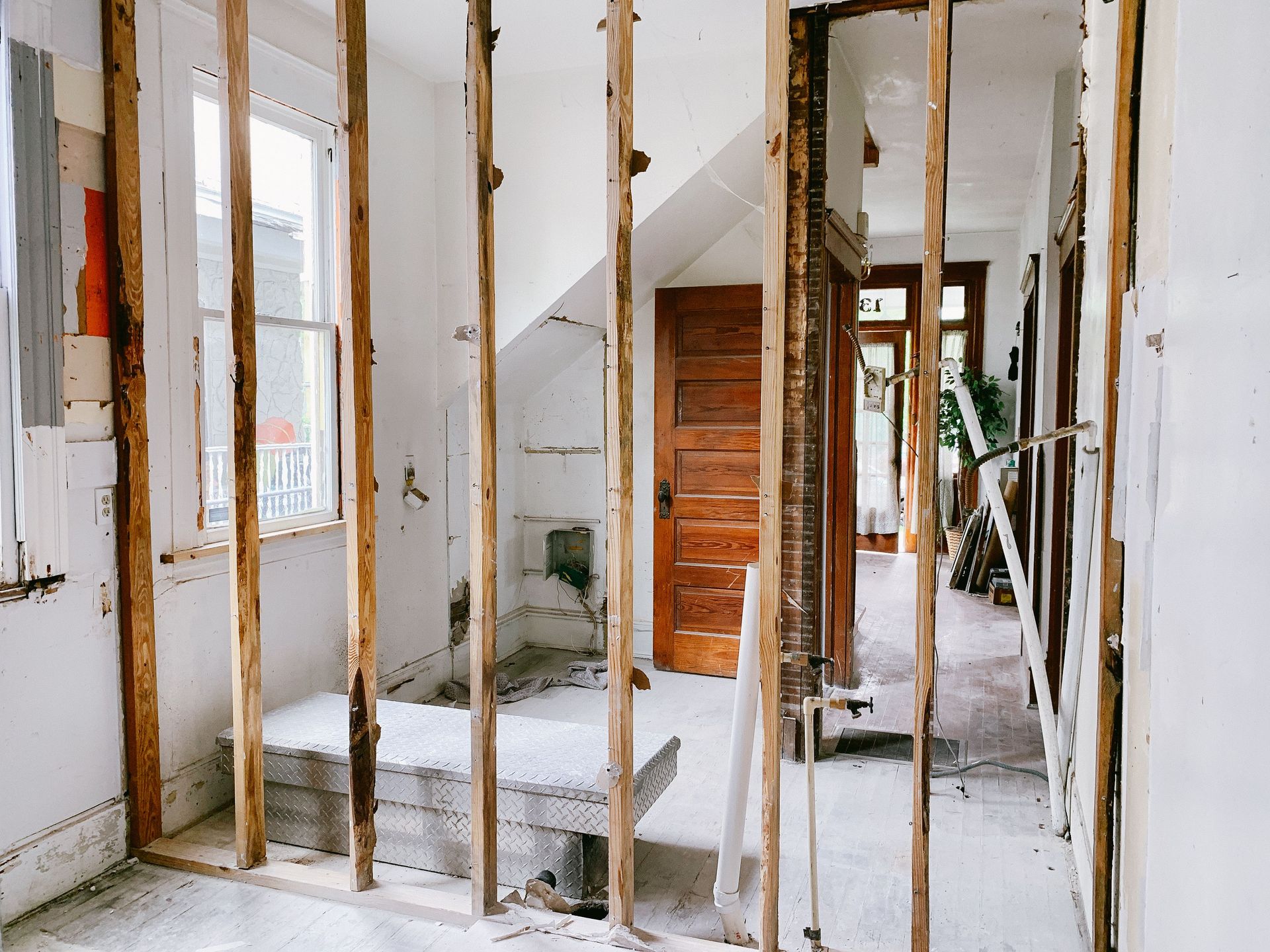
If you're already planning a kitchen or bathroom project, or working through a broader Florida's 2026 Building Code update on an older home, it's worth checking whether your existing water heater can keep up with new fixtures before the rest of the project locks in. Adding a second bathroom or a larger soaking tub without reassessing tank capacity is one of the more common oversights we catch during a walkthrough. The same coordination applies to related system work like an HVAC replacement or an electrical panel upgrade — if you're already pulling permits for one system, it's often worth bundling the water heater into the same project rather than permitting it separately later. And if you haven't worked with a contractor before, our guide on how to hire a general contractor in Jacksonville covers the questions worth asking before you sign anything.
Frequently Asked Questions
Can I replace my own water heater without a permit in Jacksonville?
Only if you're the homeowner performing the work yourself on your primary residence, and even then you must pull an owner's permit in person at the Building Inspection Division. Hiring anyone else to do the work without a permit is not compliant with city code.
What happens if I skip the permit?
Starting work without a permit is unlawful under city code and carries a $250 fine, separate from any cost to bring the work up to code afterward which matters at resale, since unpermitted work typically has to be disclosed.
Is a tankless water heater worth the higher upfront cost?
It depends on your household's hot water use and how long you plan to stay in the home. Tankless units cost more upfront and to install, but they last longer (up to 20+ years versus 10–15 for tank units) and heat water on demand rather than maintaining a full tank around the clock.
Do I need a Notice of Commencement for a water heater replacement?
Only if the job's value exceeds $5,000, or $15,000 for mechanical work most standalone replacements fall under that threshold, but a full tank-to-tankless conversion with electrical or gas line changes can cross it.
Whether it's a straightforward tank swap or a tankless upgrade tied to a larger renovation, Sunshine State Professional Services pulls the permit, coordinates the trade work, and stands behind the inspection. Reach out for a straightforward quote on your replacement.