ADU vs. Home Addition in Jacksonville, FL: Which Fits Your Family? (2026 Guide)
Interest rates have kept a lot of Jacksonville homeowners from trading up to a bigger house lately, so more families are asking the same question: do we build an accessory dwelling unit (ADU) in the backyard, or add onto the house we already have? Both routes solve the same underlying problem not enough room but they get there in very different ways, with different rules, different costs, and different long-term trade-offs. This guide walks through what Jacksonville actually allows for each option, what tends to drive the cost up or down, and how to think through which one fits your family, your lot, and your budget.
What Is an ADU, and What's a Home Addition?
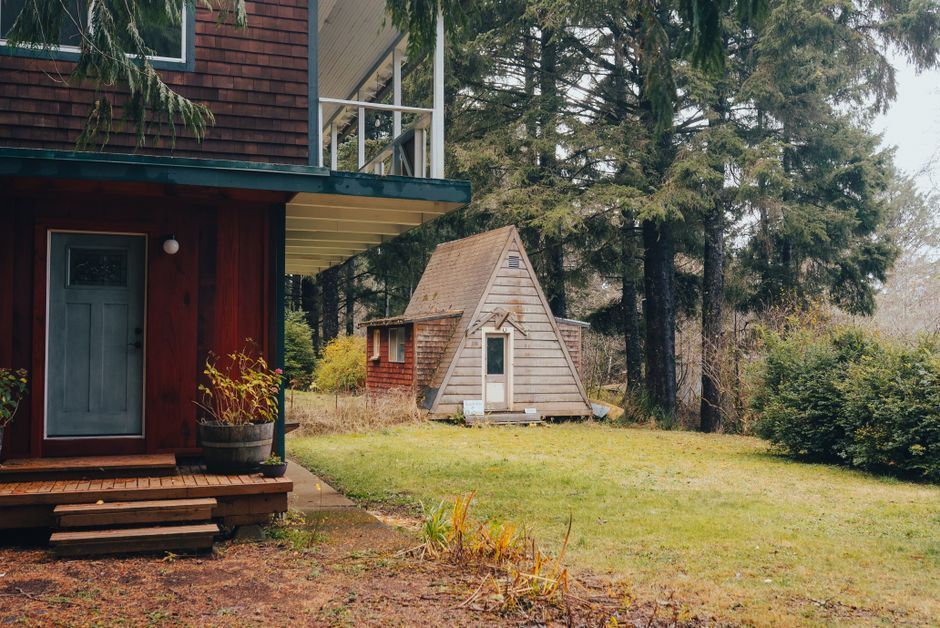
An accessory dwelling unit is a separate, self-contained living space its own kitchen, bathroom, and sleeping area either attached to your home or standing on its own in the backyard. Florida law ( Florida Statutes §163.31771) defines it that way and leaves the specific rules, size limits, setbacks, whether you can rent it out up to each city or county. A home addition, by contrast, extends your existing house: a new primary suite, an expanded kitchen, a second story. It's not a separate unit; it's more of the same house.
The distinction matters because it changes almost everything downstream what you're allowed to build, what it costs, and what you can do with the finished space once it's there.
Jacksonville's ADU Rules: What the City Actually Allows
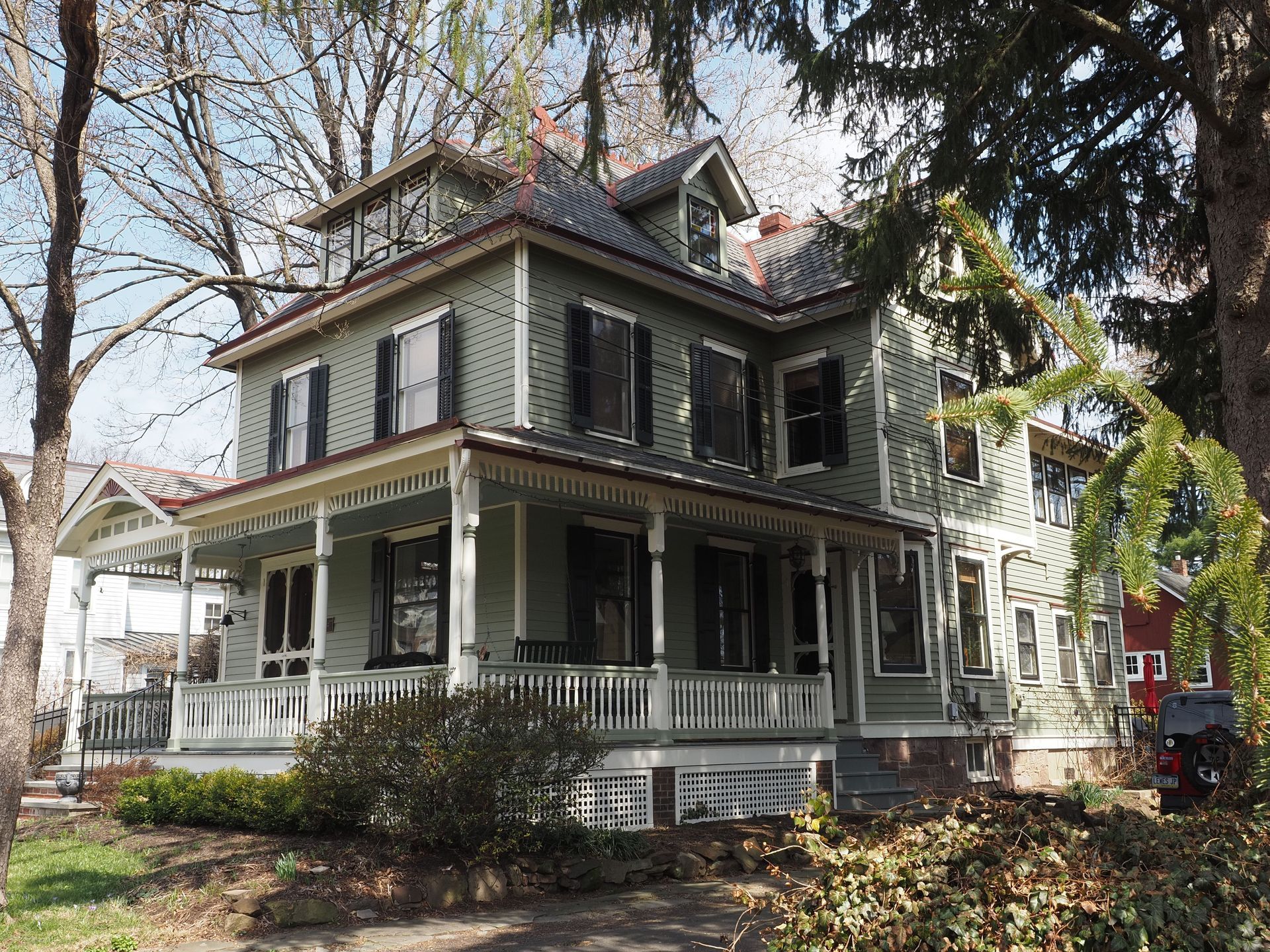
Jacksonville's City Council expanded ADU eligibility citywide when it enacted Ordinance 2022-0448 in November 2022, opening up most single-family residential zones to ADUs that had previously been limited to a single district. The rules that came with it are specific: the structure has to sit behind the primary house, share a "visual relationship" with it (matching roofline, porch style, paint), and can't be taller than the main house. Size is capped at 25% of the primary structure's gross floor area or 750 square feet, whichever is smaller. The property owner has to live in either the main house or the ADU you can't rent out both at once.
Those are city-specific rules layered on top of the state's permissive framework, and they can shift as the city updates its zoning code, so it's worth confirming the current specifics for your parcel before you commit to a design. Our Duval County ADU page and our mother-in-law suite guide both go deeper on the design and cost side if an ADU is the direction you're leaning. One thing an ADU changes that an addition doesn't: it can affect your homeowners insurance, since you're adding a second structure with its own systems we cover that in our piece on how a new ADU affects your homeowners policy.
Home Additions: Fewer Restrictions, Different Trade-offs
A conventional home addition doesn't carry ADU-specific restrictions like the owner-occupancy rule or the 750-square-foot cap you're simply expanding the footprint or the height of the house you already have, subject to the same zoning and setback rules that applied when the house was built. That gives you more flexibility on size and layout, but it also means the new space is legally part of the same house, not a separate unit no separate kitchen for a tenant, no independent rental income, no private entrance and address for an adult child or aging parent who wants some real separation.
Setbacks and lot coverage still apply, and they trip up more projects than people expect we walk through exactly what to check before you design anything in our guide to home addition zoning and setback rules in Jacksonville. If your lot or budget doesn't support a full addition, a garage conversion is often the lower-cost middle ground see our breakdown of garage conversion costs for how that compares.
Cost, Timeline, and Financing: How They Really Compare
Neither option is cheap, and both vary enormously by size, finishes, and site conditions, so treat any number here as a planning range rather than a quote. National cost guides put ground-up ADU construction anywhere from roughly $100,000 to $300,000-plus, with garage or basement conversions running lower since they reuse existing structure, foundation, and sometimes utilities. Home additions are commonly estimated on a per-square-foot basis, with professionally built, permitted additions in many markets falling in a wide $200–$600 per square foot range depending on what's going into the space and how much tie-in work the existing house requires.
Financing differs too. Because an ADU can generate rental income, Freddie Mac allows lenders to count qualifying ADU rental income toward a borrower's income on certain mortgage products up to 30% of the total qualifying income, provided you can document a lease or comparable rents. A standard home addition doesn't come with that same income-based financing angle; it's typically financed the same way as any other home improvement, through a HELOC, a cash-out refinance, or a renovation loan. For an idea of what that financing conversation looks like for a straightforward addition, our guide on home addition costs in Jacksonville breaks down the numbers further, and if a second story is on the table instead of a ground-floor addition, we've priced that out separately in our second-story addition cost guide.
Which One Actually Fits Your Family?
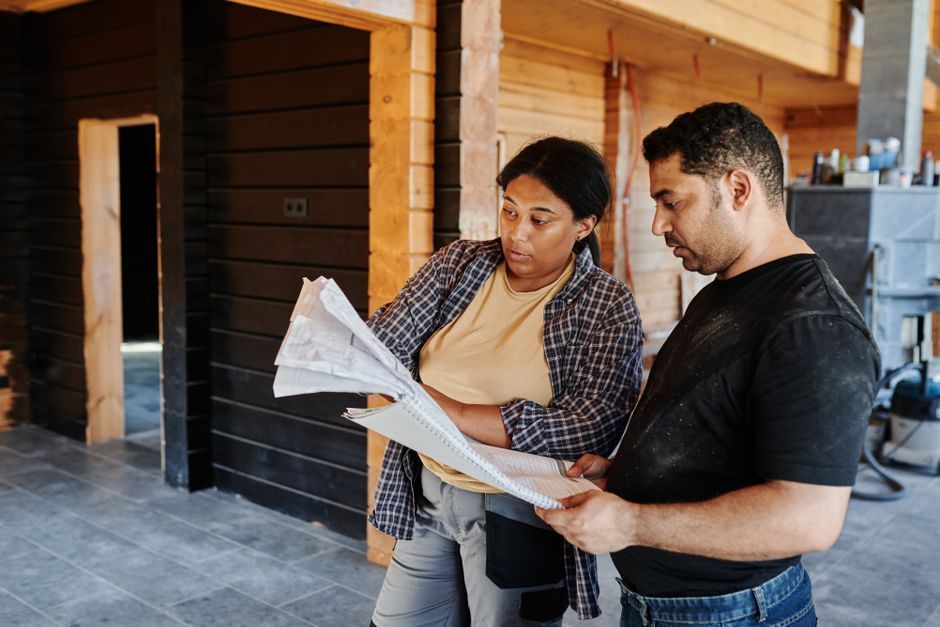
The honest answer depends less on cost and more on what you need the space to do. If the goal is housing an aging parent, an adult child, or a long-term guest who wants real independence their own entrance, their own kitchen, some genuine separation from the rest of the household an ADU tends to fit better, even with the city's size cap and owner-occupancy rule. If the goal is simply more square footage for your own family a bigger kitchen, a primary suite, more bedrooms for growing kids a conventional addition usually gets you there faster and without the ADU-specific restrictions.
Resale is worth weighing too, though it's less clean-cut than either option's marketing suggests. A well-built, legal ADU generally adds value to a property, but appraisers often struggle to find directly comparable sales with ADUs in the same neighborhood, so the bump varies a lot by market and isn't a guaranteed dollar for dollar return it's better thought of as "value increase plus rental income potential" than a clean resale multiplier. Nationally, ADUs have also become a bigger share of the housing stock over time: a Freddie Mac research analysis of real estate listings found ADUs grew from about 3.5% to 6.6% of active property listings between 2009 and 2019, an average annual growth rate of roughly 8.6% evidence the category was becoming more mainstream well before the current wave of interest, not a fringe option lenders and appraisers are unfamiliar with.
If neither option feels like enough or if staying in your current house at all is the open question it's worth stepping back and comparing renovating against simply moving. We laid out that broader decision in renovate or move: what Jacksonville homeowners should know.
How Sunshine State Professional Services Approaches Either Project
We build both, which is exactly why we don't have a stake in steering you toward one over the other. Our team includes engineers, estimators, project coordinators, and project managers working together on every job, whether it's a backyard ADU, a full home addition, or a garage conversion in between. Our founder, John Belizario, started as a subcontractor before earning his general contractor license and building Sunshine State from the ground up that path gives our team a genuine feel for the trades side of a project, not just the paperwork side. If you want the fuller story behind the company, we've told it in our story.
Whichever direction fits your family, our goal on every project is the same: make sure you actually understand the process and are happy with the result, not just that the job gets finished. We handle ADU builds and home additions as a licensed general contractor across Jacksonville, Fernandina Beach, and the surrounding area, so you're working with one team from the first sketch to the final walkthrough instead of juggling separate contractors for design, permitting, and construction.
Frequently Asked Questions
Can I rent out an ADU in Jacksonville?
Yes, but with a condition: under the city's ordinance, the property owner must live in either the primary residence or the ADU. You can't rent both structures out simultaneously and live elsewhere.
Is an ADU always cheaper than a home addition?
Not necessarily. A ground-up detached ADU often costs more per square foot than an addition, since it needs its own foundation, roof, and full utility connections. A garage or basement conversion into an ADU is usually the more affordable path because it reuses existing structure.
Do I need a licensed general contractor for either project?
Yes. Both ADUs and home additions involve structural work, permitted electrical and plumbing, and required inspections, not something to take on without a licensed GC managing the permitting and the trades.
What's the size limit for an ADU on my property?
Under Jacksonville's current ordinance, an ADU is capped at 25% of your primary home's gross floor area or 750 square feet, whichever is smaller. Confirm your specific parcel's zoning before finalizing a design, since eligible districts and rules can be updated.
Ready to figure out which option makes sense for your lot, your budget, and your family? Contact Sunshine State Professional Services or call (904) 517-2427 — we'll walk the property with you and lay out both paths honestly.