Second-Story Addition Cost in Jacksonville, FL: 2026 Guide | Sunshine State Pro
If you've priced out a move in Jacksonville lately, you already know the math doesn't work the way it used to. More homeowners across Northeast Florida are choosing to build up instead of buy new, and a second-story addition is one of the few ways to add real bedrooms and bathrooms without touching your lot's footprint. But building up isn't the same project as building out, and it isn't priced the same way either. Here's what a second-story addition actually costs in 2026, why it costs what it does, and what Duval County's permit and wind-code process actually requires before a licensed crew can start framing.
What a Second-Story Addition Actually Costs in 2026
There's no Jacksonville-specific cost study for second-story additions alone, so the most reliable numbers come from national contractor data. According to Angi's figures published via Bankrate, a typical second-story addition averages around $175,000 , well above the $21,910–$83,349 range (average $51,032) that Angi reports for home additions generally. The gap is the point: adding a room by building up costs meaningfully more than adding the same room by building out.
On a per-square-foot basis, Kendra Sinclair, a design trends expert for Thumbtack, told Bankrate that "second-story additions often run $250 to $400+ per square foot because they may require structural reinforcement, while ground-level additions require pouring a new foundation, which is a major cost factor on its own." That compares to a roughly $125–$350+ per square foot range for additions in general. Labor typically eats 40–60% of the total budget, and matching new construction to an existing roofline and exterior materials can push costs higher still if your home's original materials are no longer readily available.
None of this replaces a real, itemized quote. Site conditions, your existing foundation's condition, and Duval County's specific code requirements all move the number. If you want a firm figure for your Jacksonville property, that's exactly what a free consultation with our team is for.
Because the total often lands in six figures, most homeowners don't pay cash out of pocket. Bankrate's guidance points to two common paths: a home equity loan or HELOC, which lets you borrow against the equity you've already built (often up to 80% of it), or an unsecured home improvement loan for projects that don't need or want to put the house up as collateral. Whichever route fits your situation, it's worth getting a real contractor estimate before you lock in a loan amount, since permits, design, and mechanical work (HVAC, electrical, plumbing tie-ins) all add to the number beyond raw construction cost.
Why Building Up Costs More Than Building Out
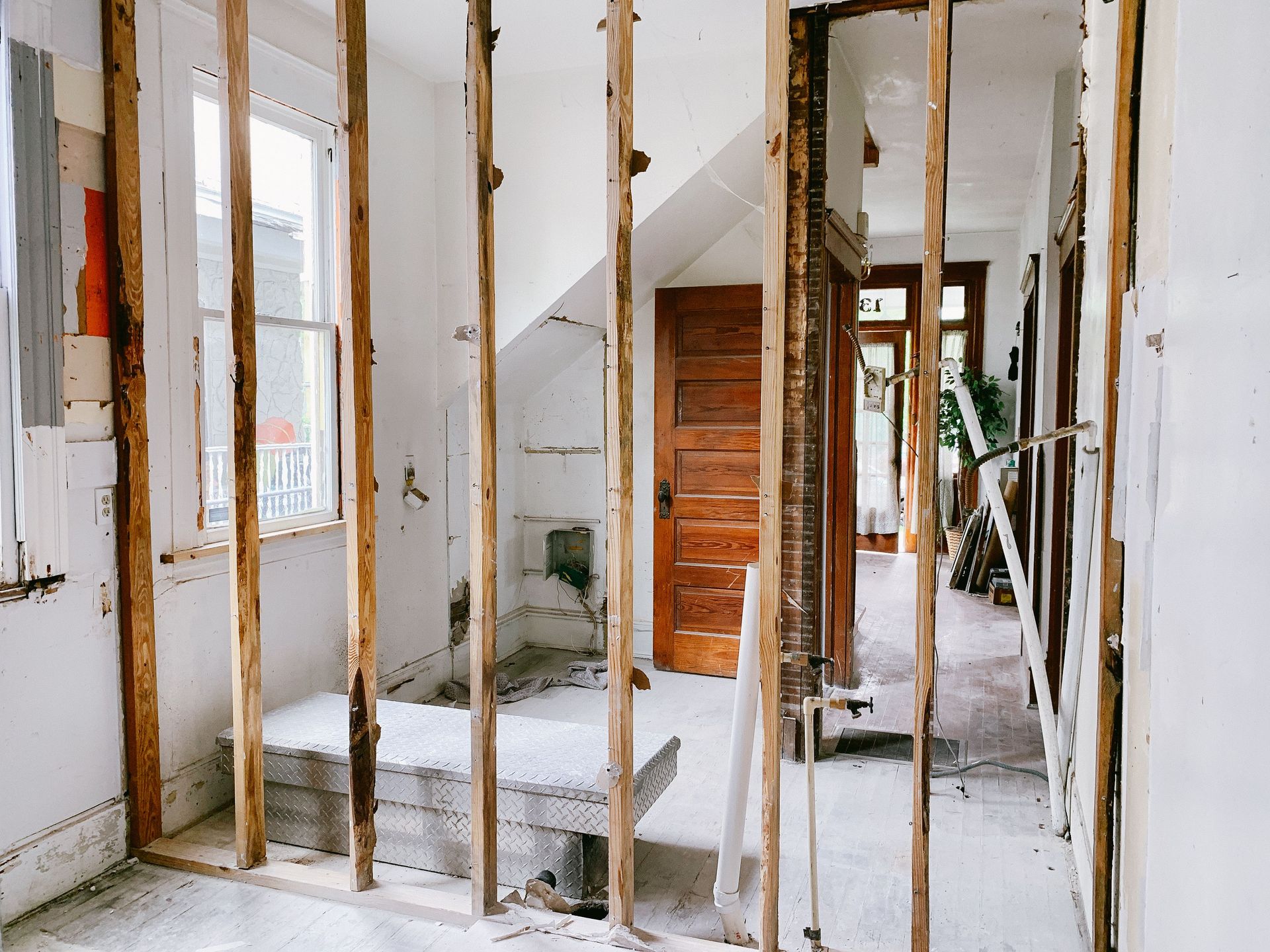
A ground-level home addition needs a new foundation, but it doesn't touch the structure you already have. A second story is different: every wall, header, and footing below it now has to carry weight it was never originally designed for. That usually means an engineer has to evaluate your existing framing and foundation before a permit is even possible, and it's common for older Jacksonville homes to need some degree of structural reinforcement before the new floor can go on.
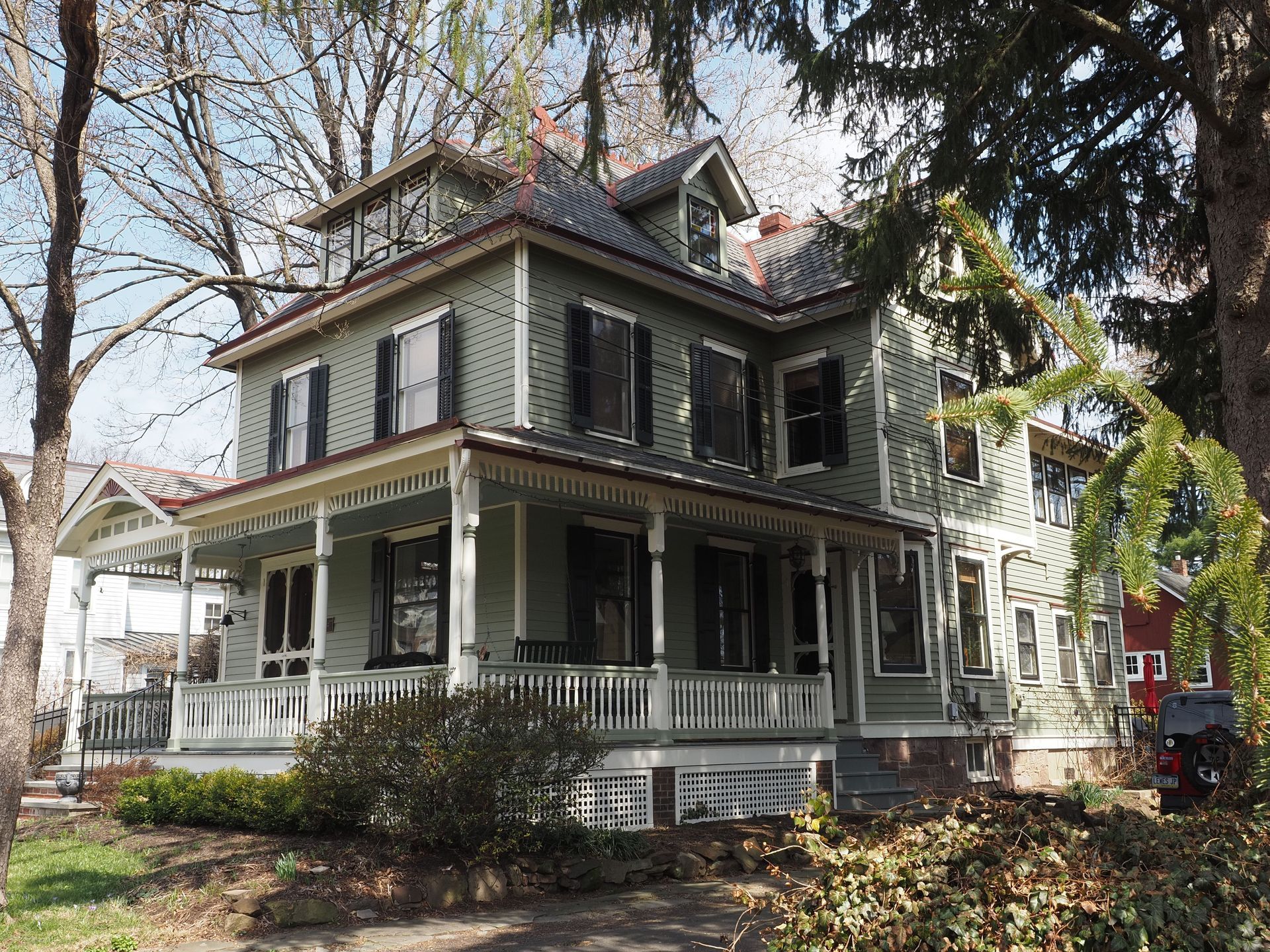
Roofing is another hidden cost driver. Adding a second story usually means removing the existing roof entirely, which is both more disruptive and more expensive than the roof work involved in a single-story bump-out. And because the new exterior has to match the old, sourcing compatible siding, trim, and roofing materials for an older home can take real time and add real cost, especially if the original materials are discontinued.
Livability during construction is the cost driver homeowners underestimate most. Angi co-founder Angie Hicks told Bankrate that opening up walls or expanding a home's footprint often uncovers issues like water damage or outdated materials that need to be addressed on the spot, and that homeowners should plan around whether they can actually stay in the house while it happens. With the roof off and framing exposed, a second-story project affects the entire home's livability far more than a single room bump-out does, and it's worth budgeting for the possibility that you'll need somewhere else to stay for part of the build.
The Jacksonville Permit Process for a Second-Story Addition
A second-story addition is not a project you can start without a permit. Under Florida Building Code Section 105.1, the City of Jacksonville requires a permit for any work that enlarges or alters a structure, and that absolutely includes adding a floor. The city's own Residential Permits process lays out what your application actually goes through:
- Zoning review (Room 2117): your application and site plan are checked specifically for the structure's height, lot size and coverage, and setback requirements, exactly the factors a taller building changes the most.
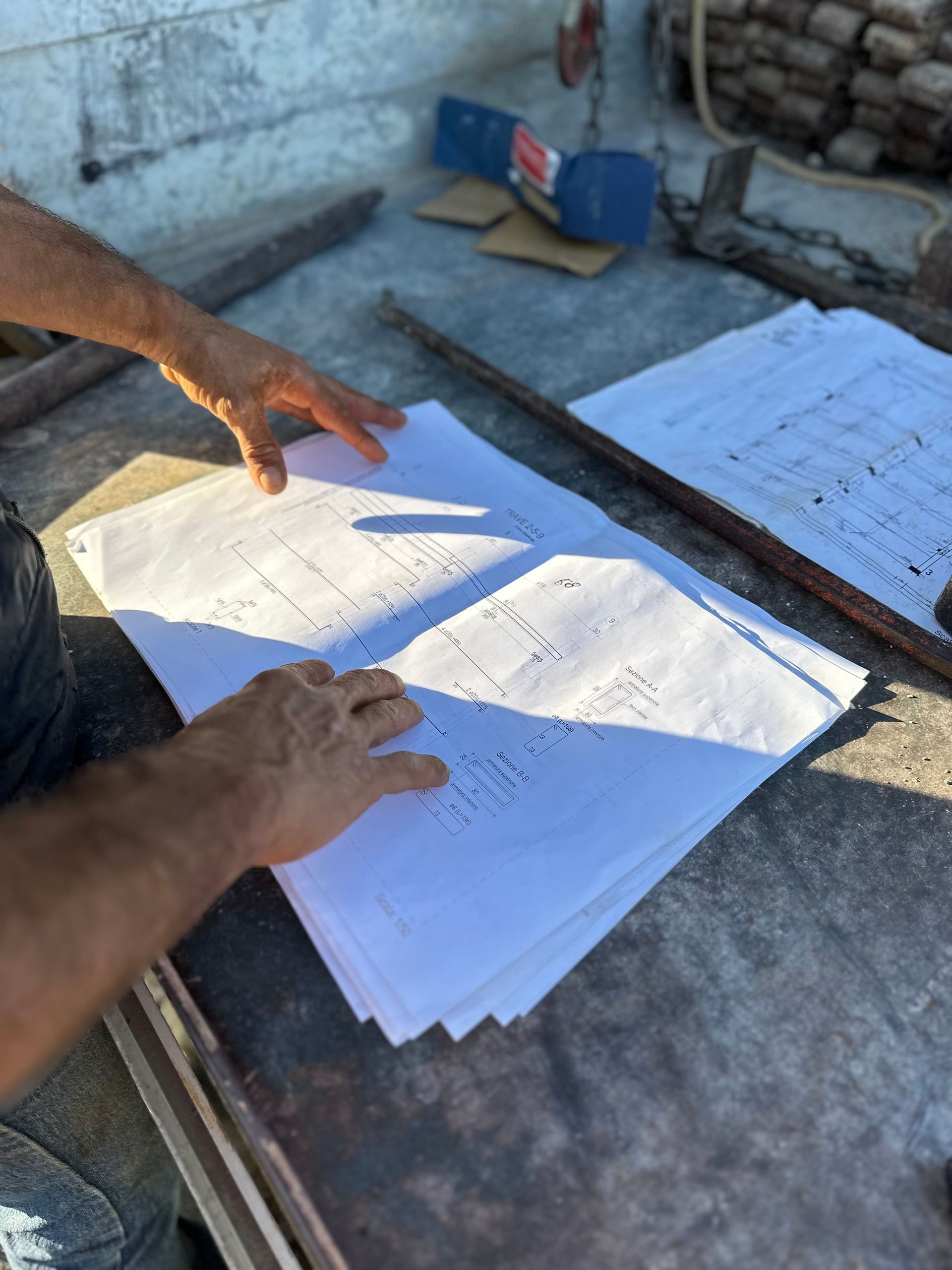
- Architectural plans review: two complete sets of drawings are reviewed for code compliance, and the city explicitly confirms that "all hurricane wind force requirements are met" and that the building envelope meets Florida's residential energy code before approval.
- Notice of Commencement: required on any project where improvements exceed $5,000, which nearly every second-story addition will. It has to be recorded with the Duval County Clerk of Courts before your first inspection.
If your project changes your home's height enough to affect neighboring sightlines or your lot's overall coverage percentage, that's reviewed at the zoning step, not left to chance later in construction. This is one of the reasons a second-story addition takes real planning time before a shovel ever touches the ground.
Hurricane Wind Requirements and Structural Reinforcement
Northeast Florida's wind-load requirements aren't optional paperwork, they're engineering. Every new structural component on your home, from the new floor's framing to the roof that goes back over it, has to be designed and inspected to meet Florida's hurricane wind-force standards, the same standard the city's plans examiners check for at the architectural review stage. That's on top of verifying your existing walls and foundation can carry the added load and lateral wind forces a second story introduces.
This is exactly where an unlicensed contractor becomes a real liability rather than a shortcut. The City of Jacksonville warns homeowners directly: if you pull a permit for unlicensed work, you, not the contractor, are held responsible for the result. A second-story addition without a properly engineered structural plan isn't just a code violation risk, it's a safety risk in a region that gets tested by hurricanes almost every year.
Is a Second Story the Right Move for Your Jacksonville Home?
John Belizario, who founded Sunshine State Professional Services after years working construction from the ground up, built the company around a simple idea: homeowners shouldn't have to manage separate vendors for engineering, permitting, and construction on a project this involved. That matters most on a second-story addition, where the zoning review, the structural engineering, and the framing crew all have to be coordinated correctly, in order, the first time.
A second story isn't always the right answer. If your lot has room to expand outward, a single-story home addition is usually the more affordable path, and an accessory dwelling unit is worth a look if you want separate living space rather than more square footage attached to the main house. But if your lot is tight, your setbacks limit outward expansion, or you specifically need to add bedrooms without shrinking your yard, building up is often the only real option. We break down that decision in more detail in Renovate or Build New in Jacksonville, FL, and in Home Addition Zoning & Setback Rules, which covers how much buildable area your specific lot actually has before you commit to a direction.
Whichever direction makes sense for your property, the ROI math is worth checking first. Our guide to Best ROI Home Renovations for Jacksonville, FL Homeowners breaks down which projects tend to pay back the most at resale, and a second story built to add genuine bedrooms and bathrooms is consistently one of the stronger performers on that list.
Frequently Asked Questions
Is a second-story addition cheaper than building out?
Usually not. Per Angi's data via Bankrate, second-story additions typically run $250–$400+ per square foot versus roughly $125–$350+ for additions generally, mainly because of the structural reinforcement a second floor requires.
Do I need a permit for a second-story addition in Jacksonville?
Yes. The City of Jacksonville requires a permit for any project that enlarges or alters a structure under Florida Building Code Section 105.1, and a second story goes through zoning review, architectural plans review, and a recorded Notice of Commencement.
Will my home need structural reinforcement?
Often, yes, especially on older Jacksonville homes. Your existing walls and foundation weren't designed to carry a second floor's load and the added lateral wind forces, so an engineer typically needs to evaluate and, in many cases, reinforce them before framing begins.
How long does the permitting and approval process take?
Plan for real lead time. Architectural plans review alone can take up to seven business days per the city's stated process, and that's before construction begins, on top of zoning review and Notice of Commencement recording.
Can Sunshine State handle the whole project, not just the build?
That's the model our team is built around. Our team coordinates engineering, permitting, and construction under one roof so homeowners aren't managing separate vendors on a project this involved.
A second-story addition is one of the biggest calls you'll make about your Jacksonville home, and it deserves a straight answer on cost, code, and timeline before you commit. If you're weighing whether to build up, build out, or explore an ADU instead, reach out for a free consultation and we'll walk your specific lot, budget, and goals with you.