Aging-in-Place Home Renovations in Jacksonville, FL: What to Prioritize First
John Belizario didn't get into construction to renovate empty houses, he got into it to help real families stay in the homes they love. That's exactly why Sunshine State Professional Services keeps fielding the same question from Northeast Florida homeowners in their 60s and 70s: not "should I move," but "how do I make this house work for me for another twenty years." It's a real and growing question. Nearly one in five Duval County residents is now 65 or older, and getting an aging-in-place renovation right takes a licensed general contractor who understands both the building code and the person standing in the kitchen.
Why Aging-in-Place Renovations Are Picking Up Speed in Northeast Florida
Persons 65 years and over now make up 17.3% of Duval County's population, according to the U.S. Census Bureau's latest QuickFacts data and that share keeps climbing as Baby Boomers age in place rather than relocate. That local trend lines up with what's happening nationally. AARP's 2024 Home and Community Preferences Survey found that 75% of adults 50 and older want to remain in their current homes as they age, and 73% want to stay in their communities, both significantly higher than younger age groups. More than half of that group (51%) say they'll need a home that actively supports independent living, not just one that's paid off.
Remodelers are seeing the same shift from the other side of the job site. According to the NAHB/Westlake Royal Remodeling Market Index, 73% of industry leaders report that requests for aging-in-place features have significantly or somewhat increased over the past five years, and 56% of remodelers are now doing this kind of home modification work as a regular part of their business. This isn't a niche request anymore — it's a mainstream renovation category, and Jacksonville's homeowner base is aging right along with the rest of the country.
What "Aging in Place" Actually Means for a Renovation
Aging in place doesn't mean converting a home into a clinical, institutional space. It means making targeted changes so a house keeps working for the people in it as mobility, balance, or eyesight change over time. For most Jacksonville homeowners, that's a handful of specific, well-chosen upgrades, not a full top to bottom retrofit. John Belizario's approach at Sunshine State starts with a plain conversation about how a client actually lives in their home day to day, because his stated goal on every project isn't just finishing the punch list, it's making sure the customer understands the plan and is genuinely happy with the result before, during, and after the work is done.
Start Where Most Aging-in-Place Projects Start: The Bathroom
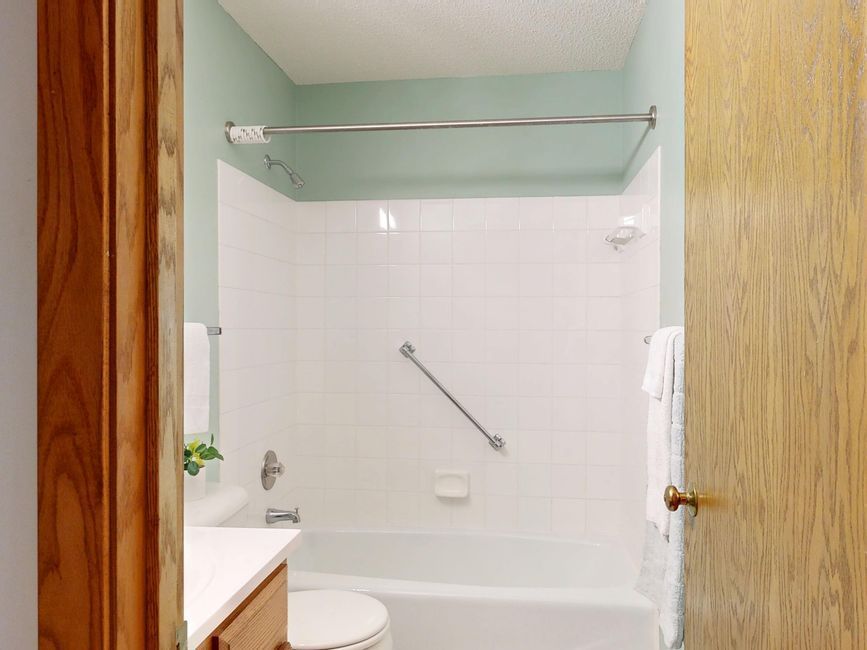
NAHB's Remodeling Market Index found that grab bars are the single most common aging-in-place project, installed by 93% of remodelers surveyed in the past year, followed by curbless shower stalls (83%), higher toilets (77%), wider doorways (63%), and improved task lighting (49%). The two most common reasons homeowners give for the work: planning ahead for their own future needs (88%) and accommodating an older parent who's moved in with them (50%).
That data tracks with what Sunshine State sees on real Jacksonville jobs the bathroom is almost always where an aging-in-place renovation begins, because it's where the fall risk is highest and the return on a well-planned remodel is most immediate. We've covered the specific fixtures and layout choices that matter most in our accessible bathroom remodeling guide, and it pairs directly with the broader bathroom remodeling work our team handles across Duval, Nassau, and St. Johns counties.
Beyond the Bathroom: Doorways, Lighting, and Everyday Flow
A bathroom remodel solves one room. The homeowners who get the most out of an aging-in-place project usually look at the whole path they walk every day. AARP's survey found that 71% of adults 50-plus anticipate needing entryway enhancements and 39% expect to need kitchen upgrades to support independent living as they age, thresholds, lever-style door handles, lower countertops and pull-out shelving in a kitchen remodel, and brighter, glare-free lighting in hallways and stairwells all show up in that data. None of these changes are dramatic on their own, but together they're what actually lets someone keep moving through their own home safely and confidently.
For homeowners planning a larger project, this is also the moment to think about single-level living, whether that means reorganizing an existing floor plan or planning a ground-floor primary suite as part of a home addition project.
When a Renovation Isn't Enough: ADUs and Mother-in-Law Suites
Sometimes the better answer isn't retrofitting the primary home at all. Living with an older parent is the second most common driver of aging-in-place work nationally, and for a lot of Jacksonville families, that means building dedicated, accessible space rather than squeezing modifications into a house that wasn't laid out for it. An accessory dwelling unit gives an aging parent their own private, single-level space just steps from family, and a purpose-built mother-in-law suite attached to the main house can offer the same independence with even closer proximity. Sunshine State's in-house team of engineers, estimators, and project coordinators can size up both options against a family's actual layout and budget before committing to either path.
Permits and Codes: Getting the Work Approved the First Time
Aging-in-place upgrades still have to clear the same permitting process as any other renovation in Northeast Florida, widened doorways can affect load-bearing walls, curbless showers change waterproofing and slope requirements, and any structural work falls under Florida's current building code. We walked through what's changing under the state's newest requirements in our breakdown of Florida's 2026 building code update. And because unpermitted or improperly licensed work on an accessibility renovation can create real liability down the line, it's worth taking the time to verify a contractor's license before signing anything regardless of who you hire.
How Sunshine State Approaches Aging-in-Place Projects
John Belizario built Sunshine State from the ground up, starting as a subcontractor and working his way to a general contractor's license, an experience that gave him firsthand empathy for both the trades and the families on the other side of a renovation. "My goal is not just to do a good job but make sure my customer understands and is happy with the final result," is how he puts it, and it's the same standard his team applies whether the project is a full custom build or a single accessible bathroom. Learn more about that story on our About Sunshine State Professional Services page.
Frequently Asked Questions About Aging-in-Place Renovations in Jacksonville
How much does an aging-in-place renovation cost?
It depends heavily on scope. A single accessible bathroom is a very different budget than an ADU or a full-home retrofit. In our experience, most Jacksonville clients start with a bathroom-focused project and expand from there once they see how it fits their needs and budget; we provide a specific estimate after walking the home.
Do I need a permit for grab bars or a curbless shower?
Often yes, particularly when plumbing, waterproofing, or structural elements are involved. A licensed contractor can tell you what Duval, Nassau, or St. Johns County will require it for your specific project.
How long does a typical aging-in-place bathroom remodel take?
Most single-bathroom accessibility remodels run several weeks from permit approval to completion, though timelines shift based on material lead times and the scope of structural work involved.
Is an ADU or a home renovation the better choice for an aging parent?
It comes down to how much independence and privacy the family wants versus proximity. Both options are worth pricing out before deciding, we're happy to walk through the trade-offs on a free consultation.
Ready to Plan Your Aging-in-Place Renovation?
Whether it's a single accessible bathroom or a full mother-in-law suite, Sunshine State's licensed, in-house team can help a Northeast Florida family figure out what actually makes sense for their home and their budget. Reach out to our team for a free consultation, or call (904) 517-2427 to get started.