Builder's Risk Insurance in Jacksonville, FL: What It Actually Covers During Your Renovation (2026 Guide) | Sunshine State Pro
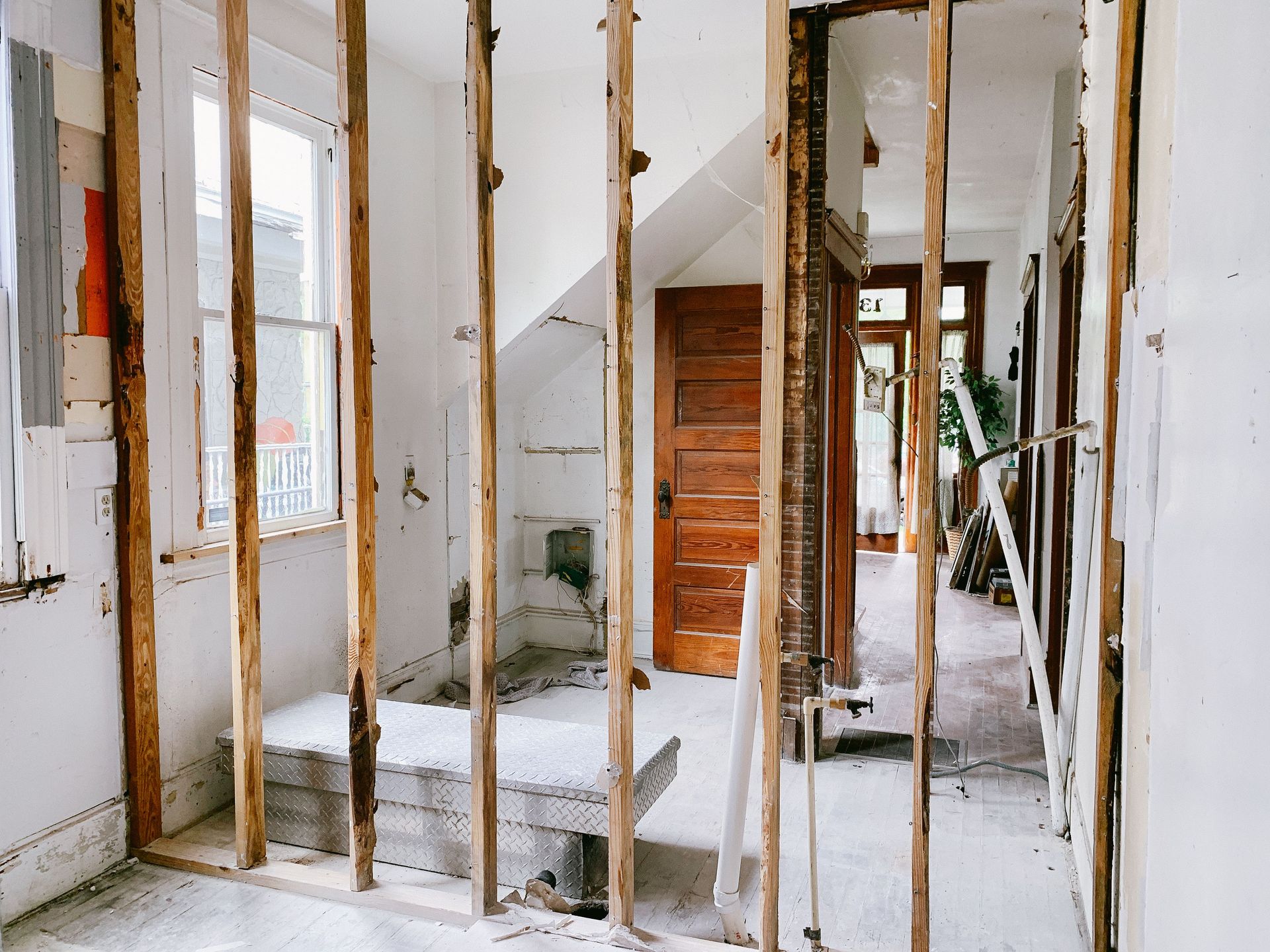
A pallet of cabinets sits in your driveway the night before a hurricane watch is issued. A framing crew leaves for the weekend with the roof half-decked. A subcontractor's ladder starts an electrical fire in a wall that isn't finished yet. None of these are hypothetical in Jacksonville — they're the exact gaps that catch homeowners off guard mid-renovation, because the policy they assume is protecting them usually isn't. That policy is homeowners insurance, and in most cases it was never written to cover a property while it's torn apart and under construction.
That's where builder's risk insurance comes in. It's a short-term policy built specifically for the construction window from the day materials hit the site to the day the project is finished and occupied and it's the coverage most Jacksonville homeowners have never heard of until a lender, a contractor, or a claim denial brings it up. Here's what it actually covers, when Florida homeowners need it, and what it costs.
What Builder's Risk Insurance Actually Covers
Builder's risk sometimes called course-of-construction insurance is a property policy built around a project in progress rather than a finished home. It typically covers the structure under construction or renovation, the materials and supplies staged on-site (and often in transit or in short-term storage), and temporary structures like scaffolding, fencing, and job trailers, against causes of loss such as fire, wind, vandalism, and theft.
For a whole-home renovation or a home addition, the policy can typically be tailored to cover just the portion of the house being worked on, while your existing homeowners policy continues to cover the rest of the structure — an important distinction if you're staying in the home during the project rather than moving out for the duration.
Why Your Homeowners Policy Isn't Enough Mid-Renovation
Most homeowners and commercial property policies carry exclusions for incidents that happen while a property is actively being worked on — which is exactly why builder's risk exists as a separate, purpose-built product. If a storm blows through Duval County while your roof is open for a second-story addition, or a break-in strips copper wiring before drywall goes up, your standard homeowners carrier may point to that exclusion and deny the claim.
This isn't a hypothetical footnote it's the specific reason lenders sometimes require proof of a builder's risk policy before releasing the first draw on a construction loan, since without it, both the homeowner and the lender are exposed for the duration of a second-story addition or any other structural build. And because most builder's risk carriers write these as all-risk policies covering a broad range of causes fire, wind, theft, vandalism, weight of ice or snow, water damage without you having to negotiate a separate extension for each scenario, it's a simpler fix than trying to patch the gap event by event.
When Jacksonville Homeowners Actually Need This Coverage
You probably don't need a standalone policy for small cosmetic work like repainting or swapping countertops, but once a project moves into structural work, adds square footage, or crosses roughly $50,000 in scope, it's worth pricing out — because that's the point where the gap in your homeowners coverage becomes a real financial exposure rather than a theoretical one. That threshold covers most of what Sunshine State builds day to day: remodeling your kitchen in a way that involves moving walls, moving plumbing during a bathroom renovation, building a new ADU in the backyard, or a garage conversion that adds livable square footage.
If you're financing the work, this decision may already be made for you. Projects going through an FHA 203(k) renovation loan or a construction-to-permanent mortgage are required by HUD guidelines to carry an active builder's risk policy for the duration of construction so it's worth confirming with your lender early, before you're scrambling to bind a policy the week permits are pulled.
Florida-Specific Rules: Wind, Hurricane Deductibles, and Flood
Florida adds a layer most other states don't have to think about. Builder's risk policies written here have to address hurricane deductible options and windstorm exclusions specifically, and those terms are regulated by the Florida Department of Financial Services rather than left entirely to individual carriers. That means the wind and hurricane language in a Jacksonville builder's risk quote deserves its own read — not just a skim — especially for a project that spans the June-through-November storm season.
Flood is a separate conversation entirely. Builder's risk policies don't automatically include it, and if you want flood coverage added during construction genuinely relevant for a lot of Northeast Florida properties near the St. Johns River or the coast most carriers will require an elevation certificate based on your construction plans before they'll quote it. That's a document your general contractor or engineer produces from the approved building plans, so it's worth requesting early rather than after the insurer asks for it.
Lender and Financing Requirements You Might Not Know About
Beyond the FHA-insured loan programs mentioned above, builder's risk coverage is routinely a contract condition anytime a construction loan, a bank draw schedule, or a municipal contract is involved. If any part of your renovation is being financed rather than paid in cash, ask your lender directly whether they require a builder's risk policy and what minimum coverage limits they expect it's a five-minute question that avoids a last-minute scramble before your first draw.
When you do apply, expect the insurer to ask for the total completed value of the project (materials, labor, and built-ins together the land itself isn't insurable under this policy), which portion of the structure is being renovated versus left alone, whether the home will stay occupied during construction, and proof of your contractor's general liability insurance.
What Builder's Risk Insurance Costs
Pricing varies by wind exposure, project value, and how long the build will take, which is why quotes swing more than homeowners expect. As a planning range rather than a quote, Florida insurance guides generally put builder's risk premiums at roughly 1% to 5% of the total completed project value for the policy term. A $150,000 addition, for example, would land the policy cost somewhere in a wide band depending on those factors which is exactly why it pays to get an actual quote rather than budgeting off a rule of thumb.
Two things move that number more than anything else on a Jacksonville project: how close the site sits to the coast (wind exposure drives underwriting more than almost any other factor in Florida), and how long the policy needs to stay active. A tight, well-scheduled project that wraps in eight weeks will generally price better than one with the same scope stretched over six months, simply because the insurer is on the hook for a longer window of exposure. If your contractor gives you a realistic timeline up front, share it with your insurance agent it's one of the few levers you actually control on this quote.
How Sunshine State Helps You Get This Right
John Belizario built Sunshine State from the ground up literally, starting as a subcontractor working alongside his uncle before earning his general contractor license and that ground-level experience shapes how the company handles the parts of a renovation that have nothing to do with swinging a hammer. The goal has never been just finishing the job; it's making sure the homeowner understands what's happening at every step and isn't left holding risk they didn't know they had.
That's why builder's risk comes up early in the planning conversation on any addition, remodel, or ground-up build with Sunshine State's in-house team of estimators, project coordinators, and project managers not after a storm or a break-in turns it into an expensive lesson. If you're weighing financing options alongside insurance, it's worth reading how a 2026 renovation can also cut your ongoing insurance bill, and if a storm hits mid-project, our guide to what happens after storm damage strikes a Jacksonville renovation covers what to do next.
Frequently Asked Questions
Do I need builder's risk insurance for a small remodel?
Probably not for cosmetic work like paint or fixtures. Once you're doing structural work, adding square footage, or the project exceeds roughly $50,000, it's worth getting a quote.
Doesn't my homeowners insurance already cover this?
Usually not. Most homeowners policies exclude damage that occurs while a property is under active construction — that gap is the entire reason builder's risk exists as its own product.
How much does builder's risk insurance cost in Florida?
As a general planning range, expect roughly 1% to 5% of the completed project value for the policy term, with the exact number driven by wind exposure, project size, and timeline. Get an actual quote before you set a renovation budget.
Will builder's risk cover hurricane or flood damage?
Wind and hurricane deductible terms are regulated by the Florida Department of Financial Services and vary by carrier, so read that section of any quote closely. Flood is not automatic — it's typically an add-on that requires an elevation certificate.
Who's responsible for buying the policy — me or my contractor?
It depends on the contract. On many residential jobs the homeowner or the lender holds the policy; on larger or commercial work, the general contractor may carry it. Confirm which party is responsible before permits are pulled, in writing.
Planning a renovation in Jacksonville, Fernandina Beach, or anywhere in Northeast Florida? Get in touch with Sunshine State Professional Services for a real, itemized estimate — and a straight answer on what insurance your specific project actually needs. Call (904) 517-2427.