Septic Tank Phase-Out in Jacksonville, FL: What JEA's Program Means for Homeowners in 2026
If your Jacksonville home still runs on a septic tank, there's a decent chance your neighborhood is somewhere on a list at JEA's offices right now. Since 2016, the City of Jacksonville and JEA have been working through a long-term effort called the Septic Tank Phase-Out Program, and it's picked up real momentum over the past two years. Neighborhoods are being notified, construction crews are digging up streets, and homeowners are being asked to connect to city sewer whether they were planning a renovation or not.
For homeowners who are planning a renovation, addition, or new build on a septic property, this program matters even more. Sewer availability, connection timing, and permitting can all shift the scope and sequencing of a project. Here's what the program actually involves, which areas are affected so far, and what it means if you're getting ready to build.
What Is JEA's Septic Tank Phase-Out Program?
The Septic Tank Phase-Out Program was approved by the Jacksonville City Council on August 23, 2016, as a partnership between the City of Jacksonville and JEA. Its purpose is straightforward: eliminate existing septic systems in targeted neighborhoods and replace them with city water and sewer service, reducing the amount of nutrient pollution reaching the St. Johns River and other local waterways.
This isn't a program that happens all at once. JEA and the Duval County Health Department maintain a prioritized list of neighborhoods, reviewed annually, and each area moves through its own design, construction, and connection timeline. According to JEA's Innovative Wastewater Treatment Program planning documents, there are still an estimated 43,000 additional septic systems remaining in Duval County beyond the areas currently in the pipeline, so this is a multi-decade undertaking, not a one-time event.
Which Jacksonville Neighborhoods Are Affected So Far
Four neighborhoods make up the current priority list:
- Biltmore C — construction completed in 2022.
- Beverly Hills — completed in two phases, with Beverly Hills West finished in 2023 and Beverly Hills East in 2024.
- Christobel — construction is anticipated to begin around April 2026, following a preconstruction town meeting held in March 2026.
- Riverview — reached the required 70% property owner participation threshold on November 10, 2025, and is now moving into the design phase.
Per News4JAX's reporting in January 2026, the Biltmore and Beverly Hills projects together have already connected more than 1,000 parcels to city sewer service. Riverview is expected to be the largest project yet, with roughly 2,400 parcels ultimately connecting, and Christobel is set to bring city sewer to more than 500 additional homes as it moves into construction this spring. Mayor Donna Deegan's office has also proposed increasing the city's annual contribution to the program to $25 million starting next year, which suggests the pace of new neighborhood announcements isn't slowing down.
If you're not sure whether your street is part of a current or future priority area, JEA notifies affected homeowners directly by mail and email well before any construction begins you don't need to track this down on your own, but it's worth checking JEA's program page periodically if you're planning a project on septic-served property.
Why the City Is Targeting Septic Systems Near Waterways
The rationale behind the program is environmental, not just administrative. Older septic systems, especially in low-lying neighborhoods near tributaries like the Trout River, can fail or leach during heavy rain, sending bacteria and nutrients into waterways that are already listed as impaired. JEA's director of community engagement, Greg Corcoran, has described the phase-out projects as targeted directly at reducing bacteria and fecal coliform in those tributaries.
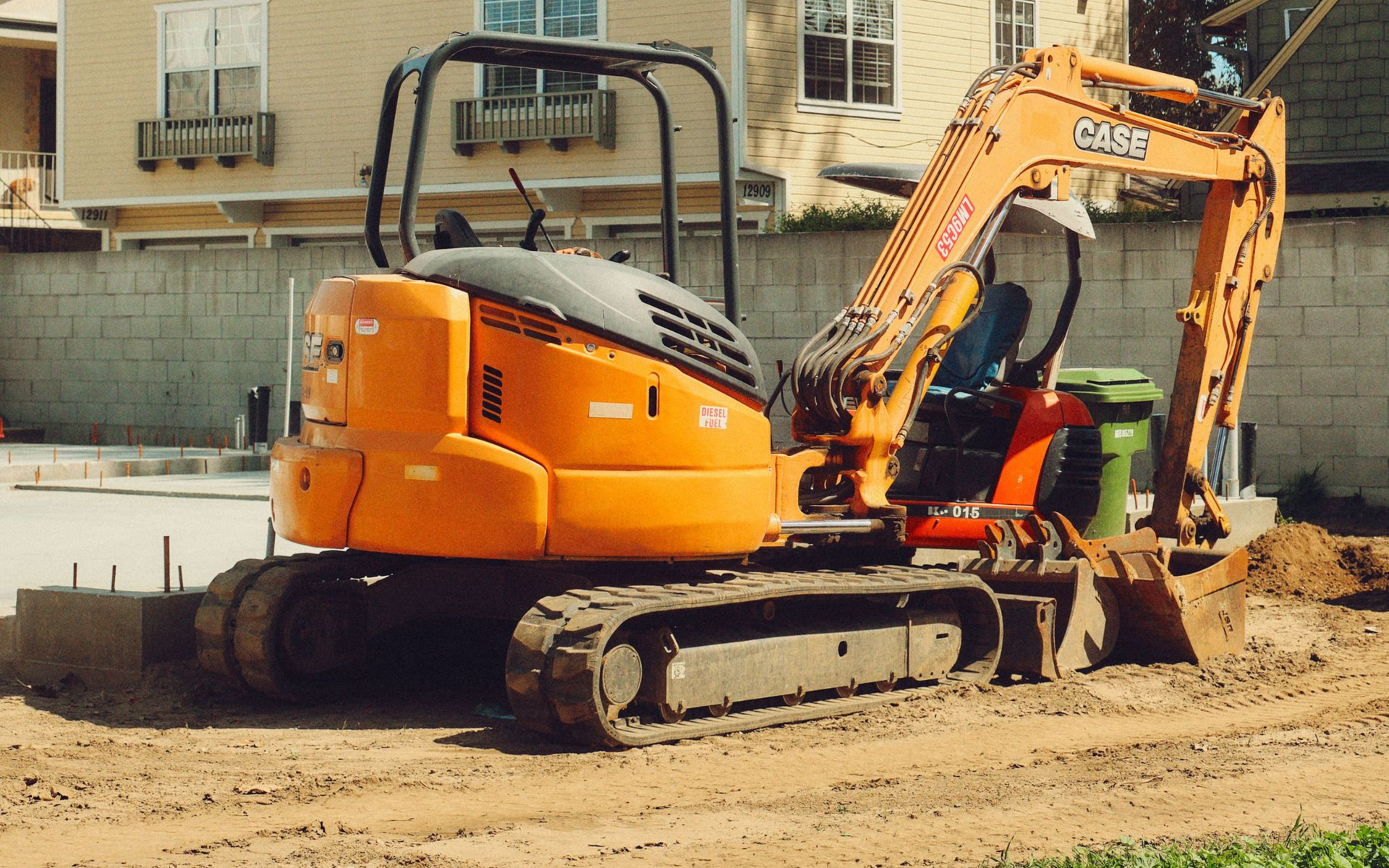
That's also why the work itself is disruptive. Corcoran has noted that some of these projects involve digging as deep as 18 feet to install large manholes and extend water and sewer lines through neighborhoods where people are still living. It's a genuinely large civil infrastructure undertaking, not a simple utility hookup.
What Mandatory Sewer Conversion Actually Involves
Once a neighborhood clears the 70% participation threshold, the project moves through design, engineering, competitive bidding, and construction before any homes are physically connected a process that, per JEA, typically takes several years from that milestone to an actual hookup. For the homeowner, that eventually means:
- A new sewer lateral run from the city main to the home.
- Decommissioning of the old septic tank, which has to be pumped, filled, and capped under municipal inspection not simply abandoned in the ground.
- A switch from a one-time septic system to ongoing monthly sewer utility billing.
Because this involves permitting, plumbing tie-ins, and a formal county inspection before sign-off, it's the kind of work that needs to run through a licensed general contractor rather than being handled piecemeal.
What This Means If You're Planning a Renovation or Addition
If your property sits inside one of these priority areas, timing matters. A home addition or major renovation that adds bedrooms or bathrooms increases the load on a septic system, and the county may factor that into permitting differently depending on where your neighborhood sits in the phase-out timeline. The same is true for an accessory dwelling unit, since an ADU effectively adds a second household's worth of wastewater to a property that may already be flagged for future sewer conversion.
This is also connected to the broader permitting picture in Jacksonville. Any project that touches plumbing, septic, or site utilities needs to go through the same building permit process as the rest of your renovation, and larger projects typically require a recorded Notice of Commencement before work can begin. If your neighborhood is actively in a phase-out project, it's worth asking your contractor to coordinate directly with JEA before finalizing a site plan, so you're not designing around a septic drain field that may be decommissioned in a few years anyway.
Grants and Payment Assistance for Affected Homeowners
The city has built in some financial support for this transition. Commercially zoned properties with failing septic systems in the Northwest Jacksonville Economic Development Fund target area an estimated 530 properties, per Duval County Health Department data — can apply for grant funding to repair or remove a failing system and connect to JEA's sewer system under city ordinance ORD 2018-196.
For residential homeowners, the City of Jacksonville's Utility Tap-In Program offers deferred payment loans to eligible low- and moderate-income residents to help cover water and sewer connection fees, associated plumbing costs, and septic tank or drain field repairs. It's worth checking your eligibility directly with the city rather than assuming you'll be covering a full connection cost out of pocket.

How Sunshine State Helps Homeowners Navigate the Transition
John Belizario started Sunshine State Professional Services after years working construction from the ground up — as he puts it, learning the trades before investing in the license and the team to back it. That background shows up directly in projects like this one: code upgrades, utility tie-ins, and permitting aren't an afterthought bolted onto a remodel, they're part of how the job gets planned from day one.
Because Sunshine State is a licensed general contractor handling everything from kitchen and bathroom remodels to full custom home builds, homeowners in a phase-out area don't have to coordinate separately with a plumber, a permitting consultant, and a general contractor. One team can evaluate where your property sits in the JEA timeline, plan a renovation or addition around it, and make sure any permitting sewer-related or otherwise is handled correctly the first time. If you're not sure whether your project needs to account for a septic-to-sewer transition, that's a conversation worth having before drawings are finalized, not after.
Frequently Asked Questions
How do I find out if my property is in a current or future phase-out area?
JEA maintains an updated list of priority neighborhoods on its Septic Tank Phase-Out Program page, and homeowners in identified areas are contacted directly by mail and email before any work begins.
Do I have to pay for the sewer connection myself?
Connection costs vary by project, and the City of Jacksonville's Utility Tap-In Program offers deferred payment loans to eligible low- and moderate-income residents to help cover connection fees and related plumbing costs. Confirm your specific costs and eligibility directly with JEA and the city.
Can I still get a permit for a renovation if my neighborhood is in the phase-out program?
Yes. Renovations and additions can still be permitted on septic-served properties. The phase-out timeline is a separate, longer-running infrastructure project — but it's worth having your contractor confirm your property's status before finalizing plans that affect plumbing or site utilities.
What happens to my old septic tank once I'm connected to sewer?
It has to be formally decommissioned under municipal inspection: pumped out, filled with sand, gravel, or concrete, and capped. It cannot simply be abandoned in place, since an empty buried tank can collapse and create a sinkhole hazard.
If your home is in Fernandina Beach, Jacksonville, Palm Coast, or anywhere else in Northeast Florida and you're planning a renovation, addition, or custom build, it's worth having a licensed team look at how JEA's phase-out timeline affects your specific property before you finalize a plan. Reach out to Sunshine State's team to talk through your project, or learn more about our licensed, family-run crew and how we handle permitting and code compliance on every job.