Detached vs. Attached ADU: Pros and Cons for Northeast Florida Properties
Adding an Accessory Dwelling Unit (ADU) to your Northeast Florida property is an exciting investment that can provide extra living space, rental income, or a home for extended family. But one of the first decisions you'll face is whether to build a detached ADU or attach it to your existing home. Each option comes with its own set of advantages and considerations, and the right choice depends on your property layout, budget, lifestyle needs, and long-term goals.
In this comprehensive guide, we'll walk you through everything you need to know about detached versus attached ADUs specifically for Northeast Florida properties. Whether you're in Jacksonville, St. Augustine, or surrounding areas, understanding these differences will help you make an informed decision. And if you're looking for expert guidance on your ADU project, Sunshine State Services is here to help you navigate every step of the process.
1. Understanding Detached ADUs
A detached ADU is a completely separate structure from your main home, typically built in the backyard or side yard of your property. Think of it as a miniature house with its own entrance, walls, and roof. Detached ADUs are incredibly popular in Northeast Florida because they offer maximum privacy and flexibility for homeowners who have adequate lot space.
These standalone units can range from compact studio layouts of 400-600 square feet to spacious two-bedroom designs exceeding 1,200 square feet. The separate nature of detached ADUs means they function as entirely independent living spaces, complete with their own kitchen, bathroom, living area, and sleeping quarters. This independence makes them ideal for rental purposes, multigenerational living arrangements, or guest accommodations.
In Northeast Florida's climate, detached ADUs benefit from natural cross-ventilation and the ability to orient the structure for optimal shade and breeze patterns. The physical separation also means noise from the main house won't disturb ADU occupants, and vice versa. Many homeowners appreciate how a well-designed detached ADU can complement their existing home's architecture while maintaining distinct visual appeal.
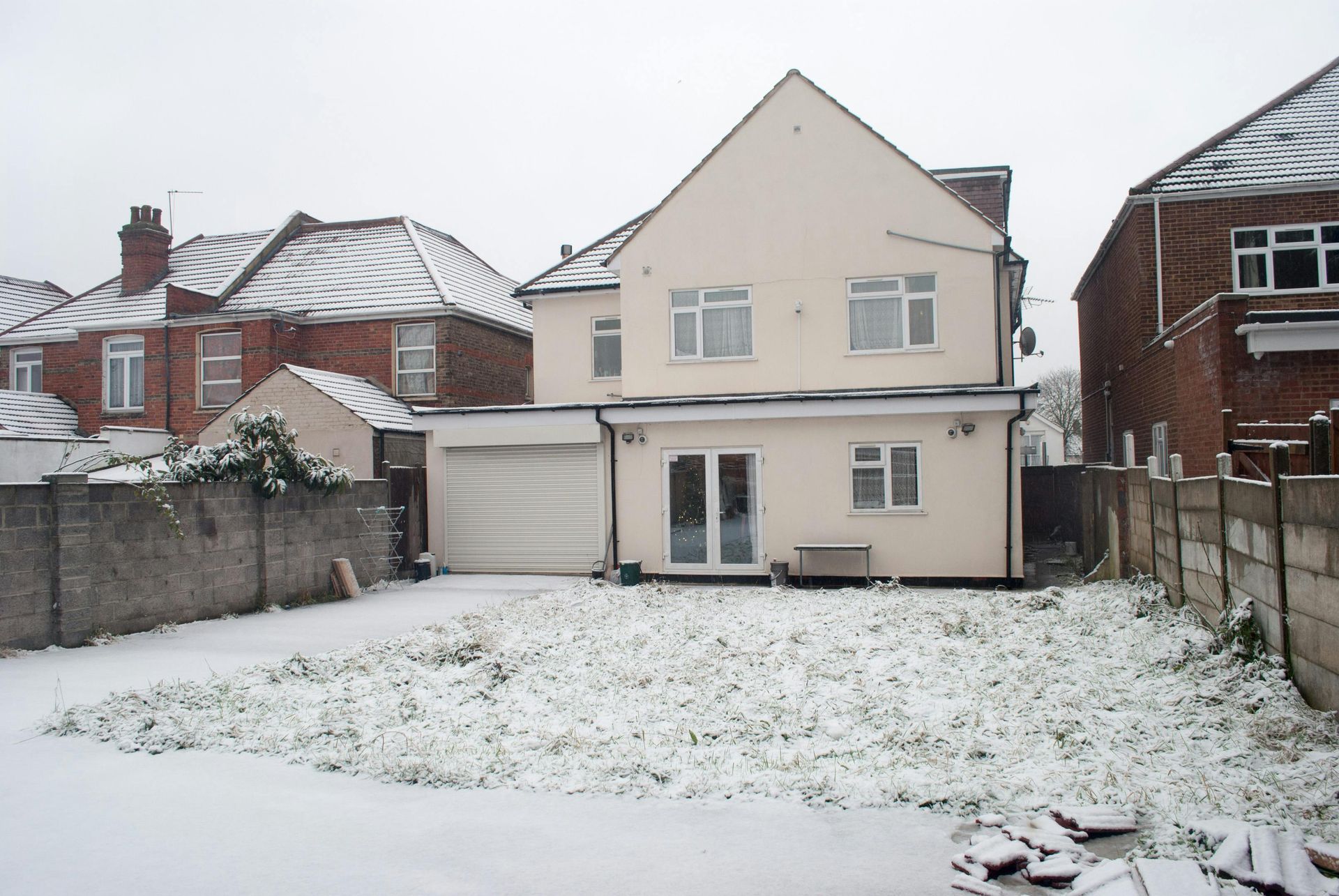
Construction of detached ADUs typically involves traditional foundation work, framing, roofing, and complete exterior finishing. This can mean higher upfront costs compared to attached units, but the investment often pays dividends in terms of property value and rental potential. The construction timeline for detached ADUs usually ranges from three to six months, depending on size, complexity, and permit processing times in your specific municipality.
2. Understanding Attached ADUs
An attached ADU shares at least one wall with your primary residence, making it a more integrated addition to your existing home. These units might be built above a garage, as a bump-out extension on the side of your house, or as a converted basement or attic space. Attached ADUs have become increasingly popular in Northeast Florida neighborhoods where lot sizes are more modest or where homeowners want to maximize their existing footprint.
The shared-wall design of attached ADUs creates natural cost efficiencies since you're leveraging existing infrastructure like foundation, roofing, and utility connections. This integration means you can often complete an attached ADU project faster and with less site disruption than building a completely separate structure. For families wanting to keep elderly parents or adult children close by, the physical connection of an attached ADU provides peace of mind and easy access.
Attached ADUs can take many forms in Northeast Florida homes. A popular option is converting existing garage space into a comfortable living unit while adding a carport or expanding the garage footprint. Another common approach is building a second-story addition above an existing single-story section of the home, which preserves valuable yard space while adding square footage. Some homeowners opt for side or rear additions that extend the home's footprint horizontally.
The integrated nature of attached ADUs means they often blend seamlessly with your home's existing architectural style. This cohesive appearance can be particularly valuable in neighborhoods with strict homeowners association guidelines or in historic districts where maintaining visual consistency is important. Climate control is typically easier with attached ADUs since they benefit from the thermal mass of the main house and can sometimes share HVAC systems, reducing energy costs in Florida's hot and humid climate.
3. Privacy Considerations for Your Florida Property
Privacy is often the deciding factor for many Northeast Florida homeowners choosing between detached and attached ADUs. A detached unit offers the highest level of privacy for both the main house residents and ADU occupants. With separate entrances, distinct outdoor spaces, and physical distance between structures, everyone enjoys their own sanctuary. This separation is particularly valuable if you plan to rent the ADU to tenants or if you have family members who value independence.
The privacy advantage of detached ADUs extends beyond just physical separation. Sound transmission is minimal when structures don't share walls, meaning late-night conversations, television viewing, or different sleep schedules won't cause disruptions. In Northeast Florida's outdoor-friendly climate, detached ADUs also allow for private patio or deck spaces where occupants can enjoy evening breezes without overlapping with the main house's outdoor entertainment areas.
Attached ADUs naturally involve more shared space and closer proximity. While you can implement excellent soundproofing measures during construction, there will always be some level of noise transmission through shared walls, floors, or ceilings. However, many families see this as a benefit rather than a drawback, especially when the ADU houses aging parents who might need occasional assistance or adult children who appreciate staying connected while maintaining some independence.
For homeowners concerned about privacy with an attached ADU, strategic design choices can help. Separate exterior entrances, dedicated parking spaces, and thoughtful interior layouts that place bedrooms away from shared walls all contribute to a greater sense of separation. Window placement and landscaping can also create visual privacy even when structures are physically connected.
4. Cost Comparison: Initial Investment and Long-Term Value
Budget considerations play a crucial role in deciding between detached and attached ADUs. Generally speaking, attached ADUs tend to be more cost-effective upfront. Because they leverage existing foundations, roofing systems, and utility connections, you're essentially building an addition rather than a complete standalone structure. In Northeast Florida, a typical attached ADU might cost between $80,000 and $150,000 depending on size and finishes.
Detached ADUs usually require a higher initial investment since you're building from the ground up. Site preparation, new foundation work, complete roofing, exterior siding, separate utility connections, and landscaping all add to the project cost. A comparable detached ADU in Northeast Florida typically ranges from $120,000 to $200,000 or more for premium designs. However, these units often command higher rental rates and can add more significant value to your property.
Beyond construction costs, consider ongoing expenses. Attached ADUs may share utilities with the main house, potentially simplifying billing but making it harder to separately meter usage if you're renting the space. Detached units typically have separate utility connections, making it straightforward to pass costs directly to tenants or track usage separately. This independence can be valuable for managing rental properties or determining actual operating costs.
The return on investment can vary significantly based on your intended use. If you're building an ADU for rental income, detached units in Northeast Florida typically achieve 10-15% higher monthly rents than comparable attached units due to the enhanced privacy and independence they offer. If you're building for family use or simply adding value to your property, both options can provide excellent returns when designed thoughtfully and constructed with quality materials.
5. Lot Size and Property Layout Requirements
Your property's physical characteristics will heavily influence which ADU type makes the most sense. Detached ADUs require adequate yard space that meets local setback requirements, maintains proper distances from property lines, and preserves required open space ratios. In Northeast Florida, most municipalities require at least 5-10 feet of clearance between structures, plus additional setbacks from rear and side property lines.
Many Jacksonville-area neighborhoods have lots that comfortably accommodate detached ADUs, particularly in suburban areas with typical lot sizes of 8,000-15,000 square feet or more. However, if your lot is narrow, heavily wooded, has significant grade changes, or includes easements or wetlands, a detached ADU might be challenging or cost-prohibitive to build. In these situations, an attached ADU that builds vertically or extends your existing footprint might be the only viable option.
Attached ADUs work well on smaller urban lots or properties where yard space is at a premium. They're also excellent solutions when you want to preserve backyard areas for gardens, pools, play spaces, or outdoor entertainment. By building up rather than out, or by converting existing spaces like garages or basements, you maintain your property's outdoor functionality while still adding valuable living space.
Before making your decision, conduct a thorough property analysis. Consider solar orientation for energy efficiency, existing tree locations you want to preserve, drainage patterns, underground utilities, and sight lines from neighboring properties. Sunshine State Services can help you evaluate your property's unique characteristics and determine which ADU configuration will work best for your specific situation, ensuring your project complies with all local regulations while maximizing your property's potential.
6. Construction Timeline and Disruption
The construction timeline can differ significantly between detached and attached ADUs. Attached units often have shorter construction periods because you're working with existing infrastructure. A well-planned attached ADU project in Northeast Florida might take three to five months from breaking ground to final inspection, though this can vary based on complexity and whether you're converting existing space or adding new square footage.
Detached ADUs typically require longer construction timelines, often ranging from four to eight months. The process includes site preparation, new foundation installation, complete framing and roofing, exterior finishing, and establishing independent utility services. Weather delays can be more impactful with detached construction since more of the work happens completely exposed to Northeast Florida's afternoon thunderstorms and seasonal weather patterns.
Consider the disruption to your daily life during construction. Attached ADU projects mean having contractors working directly on your home, with more noise, dust, and activity affecting your living space. You might need to temporarily relocate from certain rooms or deal with plastic barriers and construction equipment inside your home. For families with young children, remote workers, or anyone sensitive to disruption, this can be challenging.
Detached ADUs generally keep construction mess and noise more isolated from your main living areas. While you'll still hear equipment and see activity in your yard, your interior living space remains relatively undisturbed. You can continue your normal routines with minimal interruption, which many homeowners find valuable during the months-long construction process. This separation also means less risk of dust or debris entering your main home's HVAC system or living spaces.
7. Rental Income Potential in Northeast Florida
If generating rental income is part of your ADU strategy, the detached versus attached decision can significantly impact your returns. In the Jacksonville metro area and throughout Northeast Florida, detached ADUs consistently command higher monthly rents, typically ranging from $1,200 to $2,000 or more depending on size, location, and amenities. The privacy, separate entrance, and independent feel of detached units appeal strongly to potential tenants.
Renters specifically seeking ADUs often prioritize privacy and independence, making detached units more marketable. These spaces appeal to young professionals, couples, empty nesters downsizing, or anyone wanting a complete living experience in a residential neighborhood. The separate nature of detached ADUs also allows for easier management of tenant relationships, with clear boundaries about property access and shared spaces.
Attached ADUs can still generate solid rental income, though monthly rates typically run 10-20% lower than comparable detached units. They often appeal to renters who appreciate the security of being connected to a main house or who value the slightly lower rent in exchange for less complete privacy. Some families also prefer attached ADUs when renting to trusted friends or extended family members.
Both ADU types benefit from Northeast Florida's strong rental market, driven by military families, healthcare workers, university affiliates, and the region's growing population. The key to maximizing rental income is ensuring your ADU offers appropriate amenities, maintains excellent condition, and is priced competitively for your specific neighborhood and target tenant demographic.
8. Zoning and Permit Considerations Specific to Northeast Florida
Northeast Florida municipalities have varying regulations regarding ADUs, and these rules can affect whether a detached or attached unit is more feasible for your property. Jacksonville, St. Augustine, and surrounding areas have updated their ADU ordinances in recent years, generally becoming more permissive, but requirements still differ by jurisdiction and zoning district.
Detached ADUs must typically meet specific setback requirements, lot coverage maximums, and height restrictions. In Jacksonville, for example, detached ADUs generally cannot exceed the height of the primary residence and must maintain minimum distances from property lines. Some neighborhoods or historic districts have additional architectural requirements or design review processes for any new structures.
Attached ADUs face different considerations, particularly regarding building codes for shared walls, fire separation requirements, and maintaining the existing home's structural integrity. Converting a garage to an attached ADU might trigger parking requirement reviews, while second-story additions must comply with floor area ratio limits and potentially height restriction variances.
Permit processing times can vary between detached and attached projects. Some municipalities process detached ADU permits faster since they're viewed as new construction with straightforward code requirements. Others prioritize attached ADU permits as alterations to existing structures. Working with experienced professionals like Sunshine State Services ensures you navigate the permitting process efficiently, with properly prepared applications that meet all local requirements for either ADU type.
9. Resale Value and Market Appeal
Both detached and attached ADUs can significantly boost your property's resale value, though they appeal to different buyer demographics. Detached ADUs are particularly attractive to buyers seeking rental income potential, multigenerational living arrangements, or home-based business opportunities. Real estate data from Northeast Florida shows properties with detached ADUs often sell faster and command premium prices compared to similar homes without accessory structures.
The separate nature of detached ADUs appeals to buyers who immediately see the versatility and income-generating potential. Real estate agents can market these properties to a broader audience, including investors, families with aging parents, and buyers wanting a home office or studio space. The physical separation also means future owners can use the ADU without feeling like they're living in an overly large or modified home.
Attached ADUs add value by increasing your home's total square footage and functional living space. They appeal to buyers wanting more space for growing families, home offices, or guests without the complexity of managing a separate structure. Attached units often integrate seamlessly with the main home's style, making the property feel cohesive rather than appearing to have an addition tacked on.
In Northeast Florida's competitive real estate market, properties with either ADU type typically sell for 20-35% more than comparable homes without additional dwelling units. The key to maximizing resale value is ensuring your ADU is well-designed, properly permitted, and maintained to the same standard as your main home. Quality construction, attractive finishes, and thoughtful integration with your property's overall landscape all contribute to strong market appeal.
10. Making Your Decision: Which ADU Type Is Right for You?
Choosing between a detached and attached ADU ultimately depends on your unique circumstances, priorities, and property characteristics. Start by clearly defining your primary purpose for the ADU. If rental income is your main goal and you have adequate lot space, a detached unit typically offers better returns and tenant appeal. If you're housing family members and want easy access for caregiving or simply staying connected, an attached ADU might serve you better.
Evaluate your budget realistically, including not just construction costs but also ongoing maintenance, utilities, and potential renovation expenses down the road. Consider your property's physical layout and any constraints like lot size, setbacks, easements, or existing structures. Think about your tolerance for construction disruption and your timeline for completing the project.
Don't forget to factor in your neighborhood context and future plans. If you're in an area with strict architectural guidelines or where most homes maintain traditional appearances, an attached ADU might blend better. If you envision selling your property within five to ten years, consider which ADU type will appeal most to likely buyers in your market. If you plan to stay long-term, prioritize the configuration that best serves your lifestyle.
The good news is that Northeast Florida's climate, strong housing market, and increasingly supportive ADU regulations make both detached and attached units excellent investments. Whether you choose the independence of a detached structure or the integration of an attached unit, you're adding valuable, versatile space to your property. Take time to carefully weigh the pros and cons, consult with experienced professionals, and choose the option that aligns best with your goals and circumstances. Your ADU project represents a significant investment in your property's future, and making an informed decision now will pay dividends for years to come.
Conclusion
Both detached and attached ADUs offer compelling benefits for Northeast Florida homeowners, and there's no universally "right" choice. Detached ADUs provide maximum privacy, independence, and rental income potential but require more space and higher upfront investment. Attached ADUs offer cost efficiency, faster construction, and seamless integration with your existing home while working well on smaller lots. By carefully considering your property characteristics, budget, intended use, and long-term goals, you can select the ADU configuration that best enhances your property and lifestyle. Ready to start planning your ADU project? The experienced team at Sunshine State Services understands the unique considerations for Northeast Florida properties and can guide you through every step of the process, from initial planning and design through permitting and construction, ensuring your ADU becomes a valuable asset for years to come.