Do I Need a Permit for an ADU in Jacksonville? A Complete Guide
Building an Accessory Dwelling Unit (ADU) in Jacksonville is an exciting opportunity to add value to your property, generate rental income, or create living space for family members. However, before you break ground on your ADU project, understanding Jacksonville's permitting requirements is essential. Navigating the permit process might seem daunting, but with the right information and guidance, you can successfully obtain all necessary approvals and move forward with confidence.
This comprehensive guide walks you through everything you need to know about ADU permits in Jacksonville, Florida. We'll cover when you need permits, what types of permits are required, the application process, typical timelines, costs, and common pitfalls to avoid. Whether you're planning a detached backyard cottage, converting an existing garage, or adding a second-story unit, understanding Jacksonville's permitting landscape is your first step toward a successful ADU project. And if you need expert assistance navigating the permitting process, Sunshine State Services is here to help ensure your project meets all local requirements from start to finish.
1. Do You Need a Permit? The Short Answer is Yes
In Jacksonville, Florida, you absolutely need permits to build an ADU. This applies whether you're constructing a brand-new detached structure, converting existing space like a garage or basement, or adding onto your existing home. The City of Jacksonville requires building permits for virtually all construction projects that involve creating habitable living space, and ADUs are no exception to this rule.
The permit requirement exists to ensure your ADU meets all applicable building codes, zoning regulations, safety standards, and property development guidelines. These regulations protect not only you as the homeowner but also future occupants of the ADU, your neighbors, and the broader community. Attempting to build an ADU without proper permits can result in substantial fines, forced removal of unpermitted construction, difficulty selling your property, problems with insurance coverage, and legal liability issues.
Some homeowners wonder if minor ADU projects might be exempt from permitting requirements. In Jacksonville, even projects that seem small, like converting a shed into living space or finishing an existing garage, require permits if they involve creating a dwelling unit with kitchen and bathroom facilities. The only construction that might not require permits would be purely cosmetic changes like painting or minor repairs that don't alter the structure or its use.

The good news is that Jacksonville has become increasingly supportive of ADUs in recent years, updating ordinances to make the permitting process more straightforward for homeowners. While you definitely need permits, the city recognizes the value ADUs bring to addressing housing needs and has worked to streamline approval processes. Understanding what's required and properly preparing your application will help you move through the permitting stage efficiently and avoid costly delays or rejections.
2. Understanding Jacksonville's Zoning Requirements for ADUs
Before applying for building permits, you must first ensure your property meets Jacksonville's zoning requirements for ADUs. Zoning regulations determine where ADUs are allowed, how large they can be, where they can be located on your lot, and what design standards they must meet. These rules vary depending on your property's specific zoning district and neighborhood overlay regulations.
In most residential zoning districts throughout Jacksonville, ADUs are permitted as accessory uses to single-family homes. However, your property must typically meet minimum lot size requirements, which generally range from 5,000 to 7,500 square feet depending on the zoning district. Your ADU cannot exceed a certain percentage of your primary residence's square footage, commonly capped at 50-75% of the main home's size or a maximum of 1,000-1,200 square feet, whichever is less.
Setback requirements dictate how far your ADU must be positioned from property lines. In Jacksonville, detached ADUs typically must maintain at least 5-10 feet from side and rear property lines, though these distances can vary by zoning district and whether you're building in a historic district or neighborhood with special overlays. Height restrictions usually limit ADUs to no taller than the primary residence or a specific maximum like 15-25 feet, preventing ADUs from towering over neighboring properties.
Parking requirements also factor into ADU zoning compliance. Jacksonville generally requires at least one additional off-street parking space for the ADU, separate from parking for the main house. This means if your property currently has a two-car garage serving the main home, you'll need to provide an additional parking space for the ADU, which could be a driveway pad, carport, or additional garage bay. Some properties in more urban areas or near public transit may have reduced parking requirements.
Before investing significant time and money in ADU planning, it's wise to conduct a zoning analysis of your property. You can start by looking up your property's zoning designation on the Jacksonville city website or GIS mapping system. However, zoning codes can be complex, and interpretation of specific requirements may need professional assistance. Consulting with experienced professionals like Sunshine State Services can help you understand exactly what's allowed on your specific property and identify any potential zoning challenges early in the planning process, potentially saving thousands of dollars and months of wasted effort.
3. Types of Permits Required for ADU Construction
Building an ADU in Jacksonville requires multiple types of permits and approvals, not just a single building permit. The specific permits you'll need depend on the scope and nature of your project, but most ADU builds will require several of the following approvals. Understanding what permits are necessary helps you plan your timeline and budget appropriately.
The building permit is the primary approval you'll need. This permit covers the actual construction of your ADU structure, including foundation work, framing, roofing, exterior finishes, and general structural elements. The building permit application requires detailed construction drawings showing floor plans, elevations, structural details, and specifications for materials and construction methods. Jacksonville's Building Inspection Division reviews these plans to ensure compliance with the Florida Building Code and local amendments.
Separate trade permits are required for specific systems within your ADU. An electrical permit covers all electrical work including wiring, panels, outlets, switches, lighting fixtures, and electrical service connections. A plumbing permit addresses water supply lines, drain and waste systems, fixtures, water heaters, and sewer connections. A mechanical permit covers HVAC systems including air conditioning, heating, and ventilation equipment. These trade permits can sometimes be pulled as part of the main building permit application, but in other cases may require separate applications.
If your ADU project involves modifying your property's existing site conditions, you may need additional permits. A grading permit might be required if you're changing the land's elevation or drainage patterns. A tree removal permit could be necessary if protected trees need to be removed or significantly trimmed. A driveway permit covers any new or modified access to your property from the public street. A demolition permit is required if you're removing existing structures to make room for your ADU.
In some Jacksonville neighborhoods, particularly historic districts or areas with homeowners association oversight, you may also need design review approval before obtaining building permits. Historic preservation review ensures your ADU's design is compatible with the neighborhood's historic character. HOA architectural review verifies compliance with community design guidelines and covenants. These approvals must typically be obtained before the city will issue building permits.
4. The ADU Permit Application Process Step-by-Step
Navigating Jacksonville's ADU permit application process involves several distinct steps, each with its own requirements and potential timeline. Understanding this process helps you prepare properly and avoid common mistakes that can delay approval. While the specific steps may vary slightly depending on your project's complexity, most ADU permit applications follow this general sequence.
The first step is pre-application research and consultation. Before formally submitting permit applications, research your property's zoning, gather property information like surveys and title documents, and consider scheduling a pre-application meeting with Jacksonville's Planning and Development Department. These consultations can identify potential issues early and provide guidance on application requirements. Many homeowners find this informal review invaluable for avoiding problems later in the process.
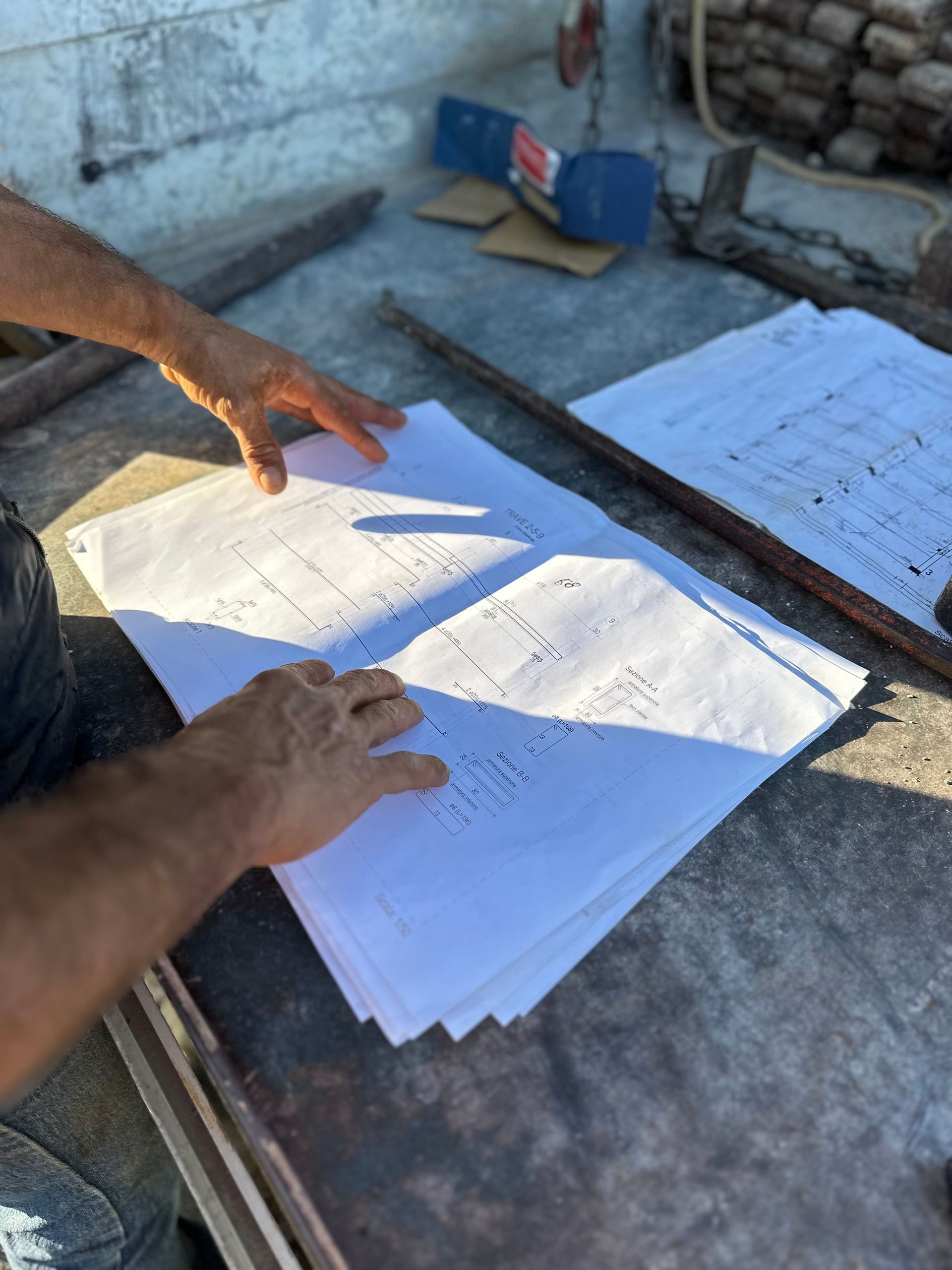
Next comes plan development and preparation of construction documents. You'll need to work with licensed professionals including architects, engineers, or designers to create detailed construction drawings and specifications. These plans must show everything from site layout and foundation details to electrical circuits and plumbing fixture locations. Jacksonville requires plans to be prepared and sealed by Florida-licensed professionals for most ADU projects, particularly those involving new construction or significant structural work.
The formal permit application submission involves several components. You'll complete application forms providing property information, project description, estimated construction costs, and contractor details. You'll submit multiple sets of construction drawings for review. You'll provide supporting documents like property surveys, HOA approvals if applicable, engineering calculations, product specifications, and proof of property ownership. You'll pay application fees which vary based on project valuation and complexity but typically range from several hundred to several thousand dollars for ADU projects.
Once submitted, your application enters the review process where multiple city departments examine your plans. The zoning division verifies compliance with land use regulations. The building division reviews structural aspects and code compliance. The fire marshal's office checks life safety elements. Utility departments review water, sewer, and stormwater impacts. This multi-department review typically takes anywhere from 2 to 8 weeks for straightforward ADU projects, though complex projects or application deficiencies can extend this timeline considerably.
If reviewers identify issues or deficiencies, you'll receive comments requiring revisions to your plans. You'll need to address these comments, revise your drawings accordingly, and resubmit for another review cycle. This back-and-forth can continue until all reviewing departments approve your plans. Once all reviews are complete and all requirements are satisfied, Jacksonville issues your building permit and you can legally begin construction. Working with experienced professionals from the start significantly increases your chances of obtaining approval on the first submission, saving substantial time and frustration.
5. Required Documentation and Construction Plans
Successfully obtaining an ADU permit in Jacksonville requires comprehensive documentation and detailed construction plans. The city needs sufficient information to evaluate whether your project complies with all applicable codes and regulations. Understanding what documentation is required helps you prepare a complete application that moves smoothly through the review process.
Your site plan is one of the most critical documents. This scaled drawing shows your property boundaries, existing structures, proposed ADU location, setbacks from property lines, driveway and parking areas, utility connections, landscaping, tree locations, and property dimensions. The site plan must be accurate and typically needs to be prepared from a current property survey. It demonstrates that your ADU meets all setback requirements and fits appropriately on your lot.
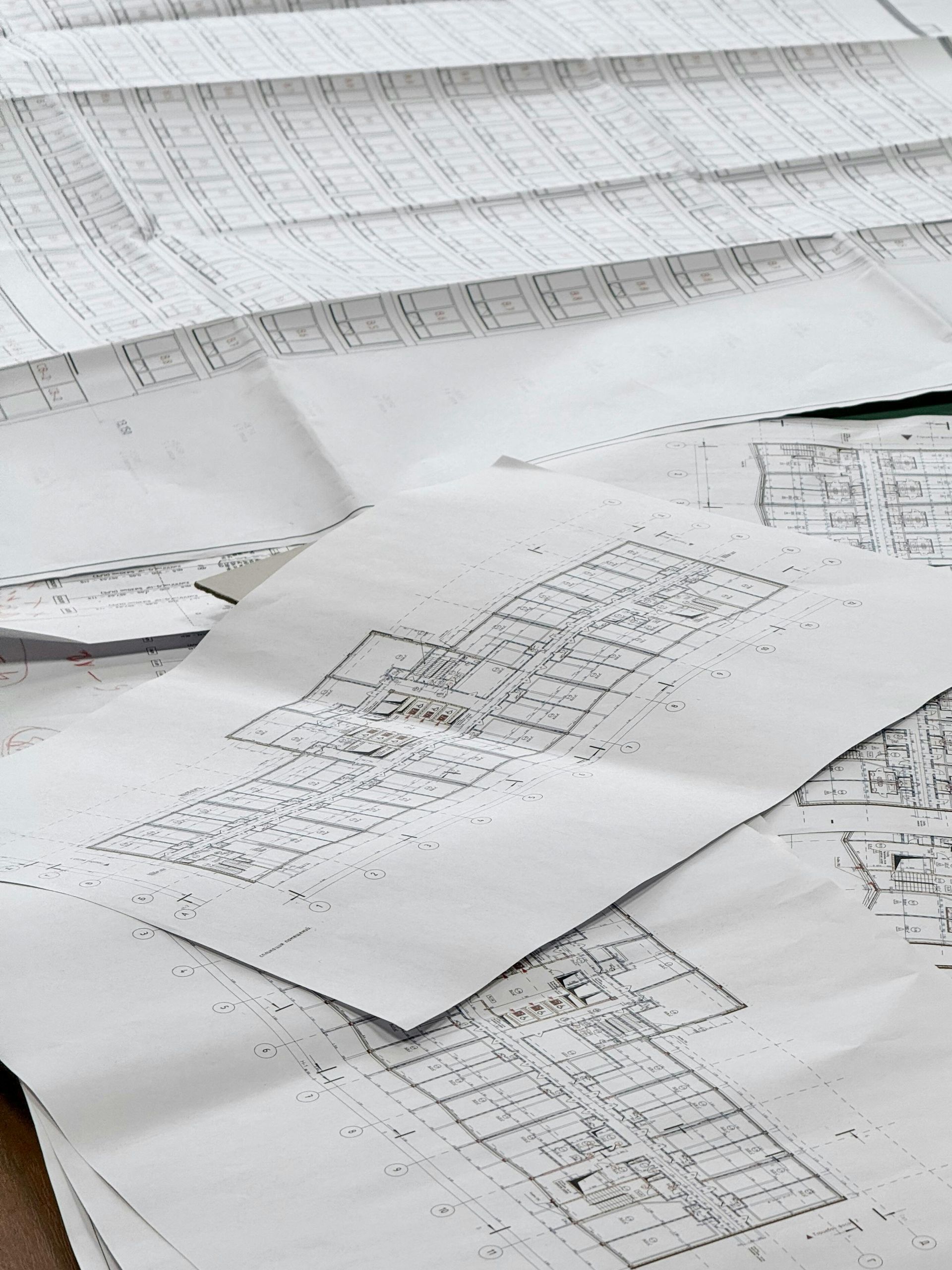
Architectural drawings provide detailed views of your ADU design. Floor plans show the layout of rooms, walls, doors, windows, and fixed elements like cabinets and appliances. Elevations display the exterior appearance from all sides, showing roof lines, window and door locations, exterior materials, and overall design aesthetic. Building sections cut through the structure to show floor-to-ceiling heights, roof framing, foundation details, and how different building components connect. These drawings must include dimensions, room labels, material specifications, and notes explaining construction methods.
Structural details demonstrate how your ADU will be safely built to withstand loads and forces. Foundation plans show footings, stem walls, or slab specifications. Framing plans indicate sizes and spacing of floor joists, wall studs, and roof rafters or trusses. Structural calculations prepared by a licensed engineer may be required for spans, loads, or unusual conditions. These structural documents ensure your ADU will be safe and durable over its lifetime.
Systems plans detail the mechanical, electrical, and plumbing installations. Electrical plans show the service panel location, circuit layouts, outlet and switch locations, lighting fixtures, and any special electrical requirements. Plumbing plans indicate water supply routing, drain and waste lines, fixture locations, water heater placement, and sewer connection points. HVAC plans show equipment locations, ductwork layouts, and ventilation strategies. These plans must demonstrate code-compliant installations that will function properly and safely.
Additional documentation might include energy calculations demonstrating compliance with Florida's energy code, engineering letters addressing specific technical issues, manufacturer specifications for specialized products or systems, HOA approval letters if applicable, and contractor license information for those performing the work. The more complete and professional your documentation, the faster your application will likely proceed through review. Many homeowners find that investing in quality plan preparation from licensed professionals pays dividends through faster approvals and fewer revision cycles.
6. Permit Fees and Costs in Jacksonville
Understanding the costs associated with obtaining ADU permits in Jacksonville helps you budget appropriately for your project. Permit fees in Jacksonville are based on the valuation of your construction project, with additional charges for various review services and inspections. While fees represent just one component of your total ADU investment, they can add up to several thousand dollars depending on project scope.
Building permit fees are calculated based on your project's construction valuation, which is the estimated cost of the work including materials and labor. Jacksonville uses a sliding fee schedule where the rate per thousand dollars of valuation decreases as project value increases. For a typical ADU project valued at $150,000, building permit fees might range from $2,000 to $4,000. Larger or more expensive ADU projects will have proportionally higher permit fees.
Trade permit fees for electrical, plumbing, and mechanical work are charged separately and also based on project scope and valuation. An electrical permit for a typical ADU might cost $200 to $500. Plumbing permits typically range from $150 to $400. Mechanical permits for HVAC systems usually run $150 to $400. These fees cover the review of your system plans and the inspections required throughout construction.
Plan review fees cover the cost of city staff time spent examining your construction documents for code compliance. These fees are typically calculated as a percentage of the building permit fee, often around 65% of the permit cost. For a project with a $3,000 building permit fee, you might pay an additional $1,950 in plan review fees. These charges support the multiple department reviews required for ADU approval.

Additional fees might include impact fees to cover the ADU's effect on public infrastructure like roads, schools, parks, and utilities. Jacksonville's impact fees for ADUs are typically lower than for new single-family homes since ADUs are accessory to existing residences. You might also pay fees for special reviews like historic preservation approval, variance applications if you need zoning relief, or expedited review if you want faster processing. Tree removal permits, driveway permits, or other special approvals each carry their own fee schedules.
To get an accurate estimate of your specific permit costs, you can use Jacksonville's online fee calculators or consult with the Building Inspection Division directly. Remember that permit fees, while significant, represent a small fraction of your total ADU construction budget. More importantly, proper permitting protects your investment by ensuring your ADU is legally built, properly inspected, and compliant with all codes, which provides peace of mind and protects your property value.
7. Timeline: How Long Does the Permit Process Take?
Understanding the timeline for obtaining ADU permits in Jacksonville helps you plan your project schedule realistically. The permitting process can take anywhere from several weeks to several months depending on your project's complexity, the completeness of your application, current workload at city departments, and whether you need any special approvals or variances. While exact timelines vary, most straightforward ADU permits follow a predictable general sequence.
Plan preparation typically takes 4 to 8 weeks or longer depending on your project's complexity and your design professional's workload. This phase involves measuring your property, developing conceptual designs, creating detailed construction drawings, and preparing all required documentation. Rushing this phase can result in incomplete or inadequate plans that cause delays during city review, so investing adequate time in quality plan preparation pays dividends later.
Initial application submission and intake usually happens within a week once your plans are complete. You'll schedule an appointment or use Jacksonville's online portal to submit your application package. City staff will conduct a preliminary completeness check to ensure all required forms, drawings, and documents are included. If anything is missing, you'll need to provide it before your application enters the formal review queue.
The plan review period for straightforward ADU projects typically takes 2 to 6 weeks in Jacksonville. Complex projects, busy times of year, or applications with deficiencies may take 8 to 12 weeks or longer. During this time, multiple city departments review your plans simultaneously or sequentially. The Building Division checks structural and code compliance. The Zoning Division verifies land use requirements. The Fire Marshal reviews life safety features. Utility departments examine infrastructure impacts. Each department may identify issues requiring correction.
If reviewers request revisions, the correction and resubmittal phase begins. You'll receive written comments listing all issues that need addressing. Your design team will make required changes, prepare revised drawings, and resubmit them for another review cycle. This revision process can take anywhere from 1 to 4 weeks per cycle depending on the extent of changes needed. Projects requiring multiple revision cycles can add weeks or even months to your timeline. This is where having experienced professionals preparing your plans really matters; they're more likely to get approval on the first submission.
Once all reviewing departments approve your plans, permit issuance typically happens within a few days to a week. You'll pay any remaining fees, receive your stamped permit documents, and can legally begin construction. The permit remains valid for a specific period, usually 6 to 12 months, during which you must commence construction and maintain active progress to keep the permit valid.
To minimize timeline delays, submit complete, professional-quality plans from the start; respond quickly to any reviewer comments or requests for information; consider pre-application meetings to identify potential issues early; use licensed professionals experienced with Jacksonville's requirements; and maintain regular communication with city staff throughout the process. Working with experienced professionals like Sunshine State Services who understand Jacksonville's permitting procedures can significantly reduce your timeline by avoiding common pitfalls and submitting approval-ready applications the first time.
8. Common Permit Issues and How to Avoid Them
Many ADU permit applications encounter similar issues that cause delays, rejections, or required revisions. Understanding these common problems and how to prevent them will help you navigate the permitting process more smoothly. Most permit issues stem from inadequate planning, incomplete documentation, or failure to understand Jacksonville's specific requirements.
Zoning violations are among the most common permit obstacles. Applications are frequently rejected because the proposed ADU doesn't meet setback requirements, exceeds maximum size limits, fails to provide required parking, or violates height restrictions. To avoid these issues, thoroughly research your property's zoning requirements before designing your ADU. Have a licensed surveyor prepare an accurate site plan showing property boundaries and existing structures. Design your ADU to clearly comply with all setback, size, height, and parking requirements with some margin for error rather than pushing limits.
Incomplete or inadequate construction drawings cause significant delays. City reviewers cannot approve plans that lack necessary details, dimensions, or specifications. Common drawing deficiencies include missing structural details, inadequate electrical or plumbing plans, unclear material specifications, missing foundation details, or insufficient information about how the ADU connects to existing utilities. Prevent these problems by hiring licensed architects, engineers, or designers experienced with ADU projects who understand what Jacksonville reviewers expect to see in construction documents.
Code compliance issues frequently emerge during review. Your ADU must meet all applicable Florida Building Code requirements including structural safety standards, fire safety provisions, energy efficiency requirements, accessibility features, and life safety systems. Common code issues include inadequate emergency egress windows, improper smoke detector placement, insufficient structural support, substandard insulation values, or missing carbon monoxide detectors. Working with professionals who stay current with building codes and have experience with Jacksonville's local amendments helps ensure your design meets all applicable standards from the start.
Utility connection challenges can derail ADU permits. Jacksonville requires adequate water service, sewer capacity, and stormwater management for your ADU. If your existing services are undersized or at capacity, you may need costly upgrades. Your property must properly handle stormwater runoff from new impervious surfaces. Address utility issues early by consulting with the Jacksonville utilities department about service capacity, obtaining utility will-serve letters confirming adequate service, designing appropriate stormwater management systems, and budgeting for potential service upgrades if needed.
Historic district or HOA approval delays often surprise homeowners. If your property is in a historic district or has active HOA covenants, you must obtain these approvals before Jacksonville will issue building permits. These reviews can add weeks or months to your timeline and may require design modifications. Check for these requirements very early in your planning process, submit for HOA or historic review concurrently with your city permit application if possible, design your ADU to respect neighborhood character and HOA guidelines, and budget extra time for these additional approval layers.
9. Inspections During and After Construction
Obtaining your ADU building permit is just the beginning of the regulatory process. Throughout construction and upon completion, Jacksonville requires multiple inspections to verify your ADU is being built according to approved plans and meets all code requirements. Understanding the inspection process helps you plan construction sequencing and avoid delays or compliance issues.
Foundation inspections occur early in construction before concrete is poured. Inspectors verify that excavation is adequate, reinforcing steel is properly placed, forms are correctly installed, and foundation design matches approved plans. This inspection must be completed before concrete placement, so you'll need to schedule it in advance and be prepared for your inspector's arrival. Never pour concrete before the foundation inspection is approved, as this can result in costly removal and replacement.
Rough inspections happen after framing, electrical, plumbing, and mechanical systems are installed but before walls are closed up with drywall or other finishes. The framing inspection verifies that wall studs, floor joists, roof framing, and structural connections meet code and match approved plans. Electrical rough inspection checks wiring, boxes, panels, and circuits. Plumbing rough inspection examines supply and drain lines, venting systems, and fixture rough-ins. Mechanical rough inspection looks at HVAC ductwork, equipment placement, and ventilation systems. These inspections must all be approved before you can cover walls, so coordinate them carefully to avoid construction delays.
Insulation inspections verify that wall, ceiling, and floor insulation meets Florida's energy code requirements. This inspection occurs after rough inspections are approved but before interior finishes are installed. Inspectors check insulation type, thickness, installation quality, and air sealing measures. Proper insulation is crucial for energy efficiency in Florida's climate, so inspectors carefully verify compliance.

Final inspections occur when construction is substantially complete. The building final inspection verifies overall construction quality, code compliance, and consistency with approved plans. Trade final inspections check completed electrical, plumbing, and mechanical installations including all fixtures, equipment, and connections. The fire inspector verifies smoke detectors, carbon monoxide detectors, emergency egress, and fire safety features. Only after all final inspections are approved will Jacksonville issue a Certificate of Occupancy allowing the ADU to be legally inhabited.
Throughout the construction process, maintain clear communication with Jacksonville's inspection department, schedule inspections in advance to avoid delays, ensure work is ready and accessible for inspection when inspectors arrive, address any inspection failures promptly, and keep detailed records of all inspections and approvals. Failed inspections must be corrected and re-inspected before construction can proceed, so quality workmanship and code compliance from the start will save time and money. Most contractors experienced with Jacksonville ADU projects understand the inspection sequence and requirements, which is why hiring knowledgeable professionals is so valuable.
10. What Happens If You Build Without a Permit?
Some homeowners consider skipping the permitting process to save time and money, but building an ADU without proper permits in Jacksonville carries serious consequences that far outweigh any perceived short-term benefits. Understanding the risks and potential penalties of unpermitted construction should convince any homeowner to go through proper channels.
Discovery is likely, not a question of if but when. Neighbors may report unpermitted construction, especially if they're concerned about property values or privacy impacts. Real estate transactions will uncover unpermitted ADUs during title searches or inspections, potentially derailing sales or forcing price reductions. Insurance claims involving your property may prompt investigations that reveal unpermitted structures. Future permit applications for other work on your property may trigger comprehensive site inspections that discover the unpermitted ADU. Aerial imagery and property records make it increasingly difficult to hide unpermitted construction.
Financial penalties can be substantial. Jacksonville can issue stop-work orders halting all construction immediately. Fines for unpermitted work can range from hundreds to thousands of dollars and may accrue daily until violations are corrected. You'll eventually need to obtain permits retroactively, which typically costs significantly more than permitting correctly from the start. The city may require expensive structural inspections or testing to verify unpermitted work meets code, and may even require partial demolition to expose hidden construction for inspection. Property tax reassessments may reveal additional improvements and increase your tax bill.
Forced removal is possible in extreme cases. If your unpermitted ADU violates zoning regulations, doesn't meet setbacks, or cannot be brought into code compliance, Jacksonville can order it completely removed. This catastrophic outcome means losing your entire investment in the unpermitted structure. Even if removal isn't required, you may need to make expensive modifications to bring the ADU into compliance, such as relocating utilities, adding fire safety features, or upgrading structural elements.
Property transaction problems will plague you when selling. Disclosure laws require revealing unpermitted construction to potential buyers. Many buyers will walk away from properties with unpermitted ADUs. Those willing to proceed will likely demand significant price reductions to cover the cost and risk of obtaining after-the-fact permits. Mortgage lenders may refuse to finance properties with unpermitted structures. Title companies may refuse to insure properties with known code violations. These transaction issues can make your property virtually unsellable until permit issues are resolved.
Insurance complications can be devastating. Homeowner's insurance policies may not cover damage to unpermitted structures. Claims involving unpermitted ADUs might be denied entirely, even for unrelated damage to your main house. If someone is injured in your unpermitted ADU, you could face personal liability without insurance coverage. Some insurers will cancel your entire policy if they discover unpermitted construction. The risk of losing insurance coverage should alone convince any homeowner to permit properly.
Legal liability extends beyond financial losses. If an unpermitted ADU causes harm to occupants due to code violations, you could face personal injury lawsuits. If rental tenants are injured due to unpermitted construction, they can sue you directly. Electrical fires, carbon monoxide poisoning, structural failures, or other hazards in unpermitted ADUs create enormous legal exposure for property owners. These potential consequences dwarf any costs or time saved by skipping permits.
The path forward if you've already built without permits involves coming clean and working with Jacksonville to retroactively legalize your ADU. Contact the Building Inspection Division to disclose the unpermitted construction, hire licensed professionals to prepare as-built plans showing existing conditions, apply for permits to legalize the work, complete any required inspections including possibly destructive testing, make necessary corrections to bring the ADU into code compliance, and pay all permit fees plus potential penalties. This after-the-fact permitting process is always more expensive and stressful than permitting correctly from the start. The bottom line is clear: always obtain proper permits for your Jacksonville ADU project. The time, cost, and effort of permitting correctly is a small price to pay for legal compliance, safety assurance, insurance coverage, and protection of your property value.
Conclusion
Building an ADU in Jacksonville absolutely requires obtaining proper permits, but understanding the process and requirements makes it manageable. From initial zoning verification through building permit applications, plan review, construction inspections, and final certificate of occupancy, each step serves an important purpose in ensuring your ADU is safe, legal, and compliant with all codes and regulations. While the permitting process requires investment of time, money, and effort, it protects your property value, provides legal authorization for your ADU, ensures safety through code compliance and inspections, enables proper insurance coverage, and prevents costly problems during future property transactions. By working with experienced professionals who understand Jacksonville's specific requirements, preparing complete and accurate applications, responding promptly to any reviewer comments, and maintaining compliance throughout construction, you can successfully navigate the permitting process and move forward confidently with your ADU project. Ready to start your ADU project with proper permitting from the start? The knowledgeable team at Sunshine State Services specializes in guiding Jacksonville homeowners through every aspect of ADU permitting, from initial zoning analysis and plan preparation through permit applications and construction inspections, ensuring your project proceeds smoothly and legally from concept to completion.