Duval County Permit Search: How to Spot Unpermitted Work in Jacksonville, FL (2026 Guide) | Sunshine State Pro
What "Unpermitted Work" Actually Means in a Jacksonville Home
Unpermitted work is any construction, electrical, plumbing, or mechanical change made to a home without a building permit on file with the City of Jacksonville or Duval County. It doesn't matter whether the work was done well. If a permit was legally required and no one applied for one, it's unpermitted, and it stays that way until someone pulls a retroactive permit and gets it inspected.
It's more common than most Jacksonville homeowners assume. A garage converted into a bedroom, a Florida room enclosed without engineering, a sub-panel added for a hot tub, a load-bearing wall opened up for a kitchen remodel all of it requires a permit under the Florida Building Code, and all of it gets skipped regularly, especially in older Northeast Florida neighborhoods where a project changed hands through a few different owners and a few different contractors before you ever saw the listing.
The City of Jacksonville's own permitting guidance is direct about the baseline rule: under Section 105.1 of the Florida Building Code, anyone who wants to construct, enlarge, alter, repair, or change the occupancy of a structure, or install, alter, or replace electrical, gas, mechanical, or plumbing systems, has to apply for and obtain a permit first. There's a short list of true exceptions patio slabs, faucet replacements, clearing a drain stoppage — but additions, conversions, and system work are not on it.
How to Search Duval County Permit Records Before You Buy, Sell, or Renovate
The good news is that you don't need to guess. Permit and code enforcement history in Duval County is public record, and the City's JaxEPICS Online Property Search is free to use. Sign in as a guest, search by property address, and the address record links out to every permit tied to that parcel along with any building code enforcement (CV/complaint-violation) history attached to it.
A thorough check goes a step further than the address search:
- Call Municipal Code Compliance at (904) 255-7000 to ask about active property safety issues or abatement liens that might not show up cleanly in the online search.
- Check for JEA utility holds at (904) 665-6000, since unresolved utility issues can also flag a property.
- Cross-reference the seller's story against the permit record. If a listing or a seller mentions a "recent addition," "updated electrical," or a "converted garage," there should be a matching permit and a Certificate of Occupancy or Certificate of Completion on file. If there isn't, that's your answer.
This is exactly the kind of due diligence we walk clients through before they buy a fixer-upper, and it's the same record search our team runs before we ever put together a scope of work for a kitchen remodel, deck, or any other project that touches an existing structure. You can't permit new work cleanly on top of a foundation the City doesn't already have a record of.
What Florida Law Requires a Seller to Disclose
Florida sellers have a legal duty to disclose unpermitted work they know about at the time of sale. Real estate attorneys who handle these disputes regularly — including the Lopez Law Group, a St. Petersburg firm that litigates exactly these cases — are consistent on this point: if a seller knew about unpermitted changes and didn't disclose them, a buyer can potentially pursue the cost of the missing permits, the cost of bringing the work up to code, and legal fees.
Proving what a seller knew isn't always simple, which is exactly why running your own permit search before closing matters more than relying on disclosure paperwork alone. Buyers who find an issue before closing are in a far stronger position than buyers who find it a year later mid-renovation. Some Jacksonville-area buyers write language directly into the purchase contract requiring the seller to resolve open or unpermitted work — permits pulled, inspections passed before the deal closes.
What Unpermitted Work Actually Costs You Later
The bill for skipping a permit rarely comes due at the time the work is done. It comes due later, and it's usually bigger than the permit fee would have been:
- Fines. The City of Jacksonville treats starting work without first obtaining a permit as unlawful, punishable by a $250 fine under the City's own permitting rules on top of whatever it costs to bring the work up to code after the fact.
- Retroactive permitting. Getting a permit after the work is already built usually means opening up finished walls or ceilings so an inspector can actually verify what's behind them framing, wiring, plumbing runs before it can be signed off.
- Stalled projects. If you hire a licensed contractor to add onto or renovate a space that has unpermitted history, they'll typically have to resolve the old permit gap before the City will issue a permit for your new work. Your project waits on someone else's paperwork from years ago.
- Insurance and financing friction. Lenders and insurers increasingly ask about permit history on older homes, especially after a converted garage, addition, or major electrical or plumbing change turns up during an appraisal or inspection.
- Resale value. An unpermitted addition or converted space often can't be counted in a home's official square footage, which affects both its appraised value and how it shows up to the next buyer's inspector.
The Jacksonville Projects Most Likely to Have a Permit Gap
In our experience working on renovations and additions across Northeast Florida, a handful of project types account for most of the unpermitted work we run into:
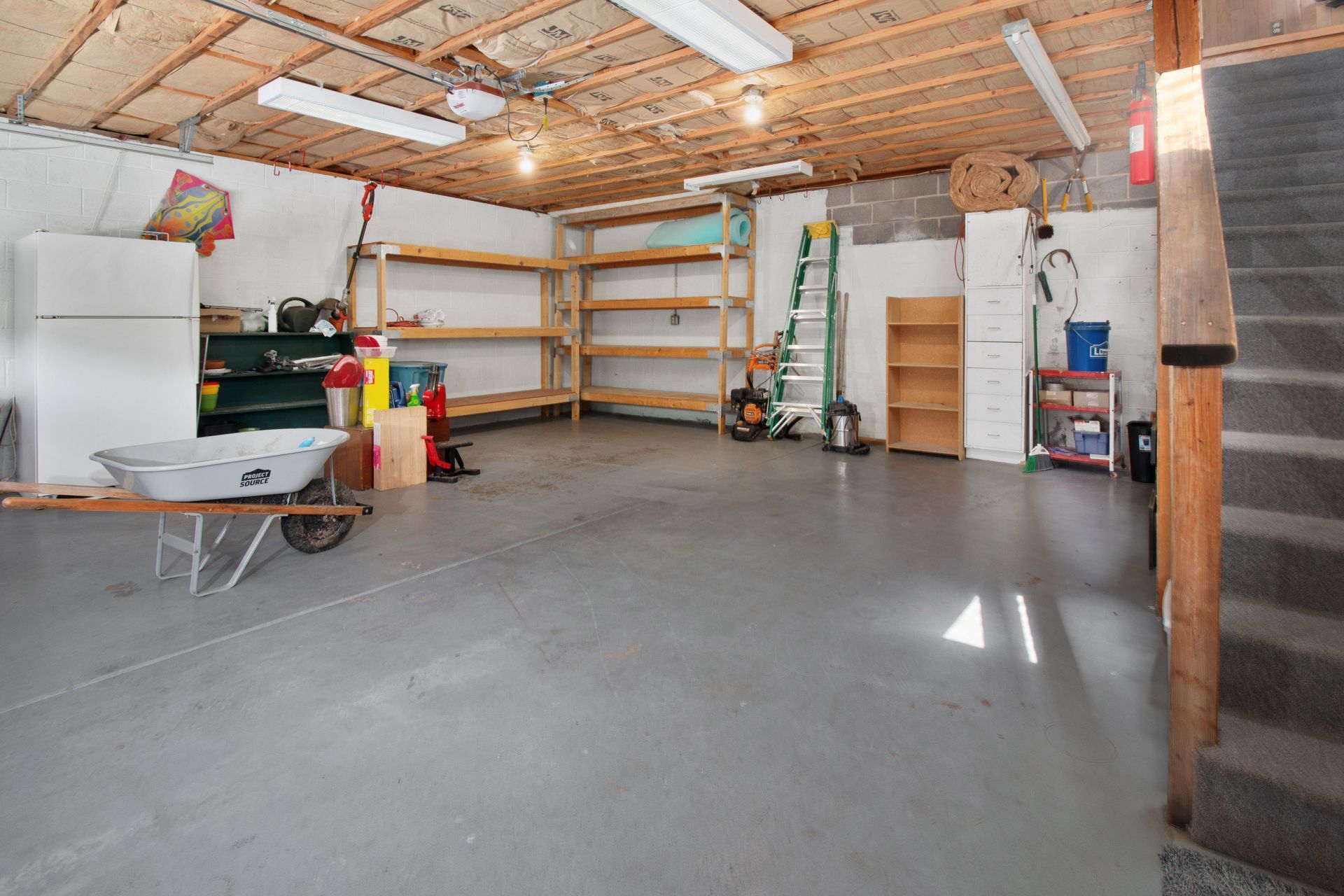
- Garage conversions turned into bedrooms, offices, or in-law suites without a permit or the required egress and insulation upgrades
- Enclosed porches, lanais, or Florida rooms built without engineering for Jacksonville's wind-load requirements
- Sheds or detached structures built past the size threshold that no longer qualifies as permit-exempt
- Electrical panel upgrades or sub-panels added for a hot tub, workshop, or plumbing and repipe work done by a handyman instead of a licensed, permitted contractor
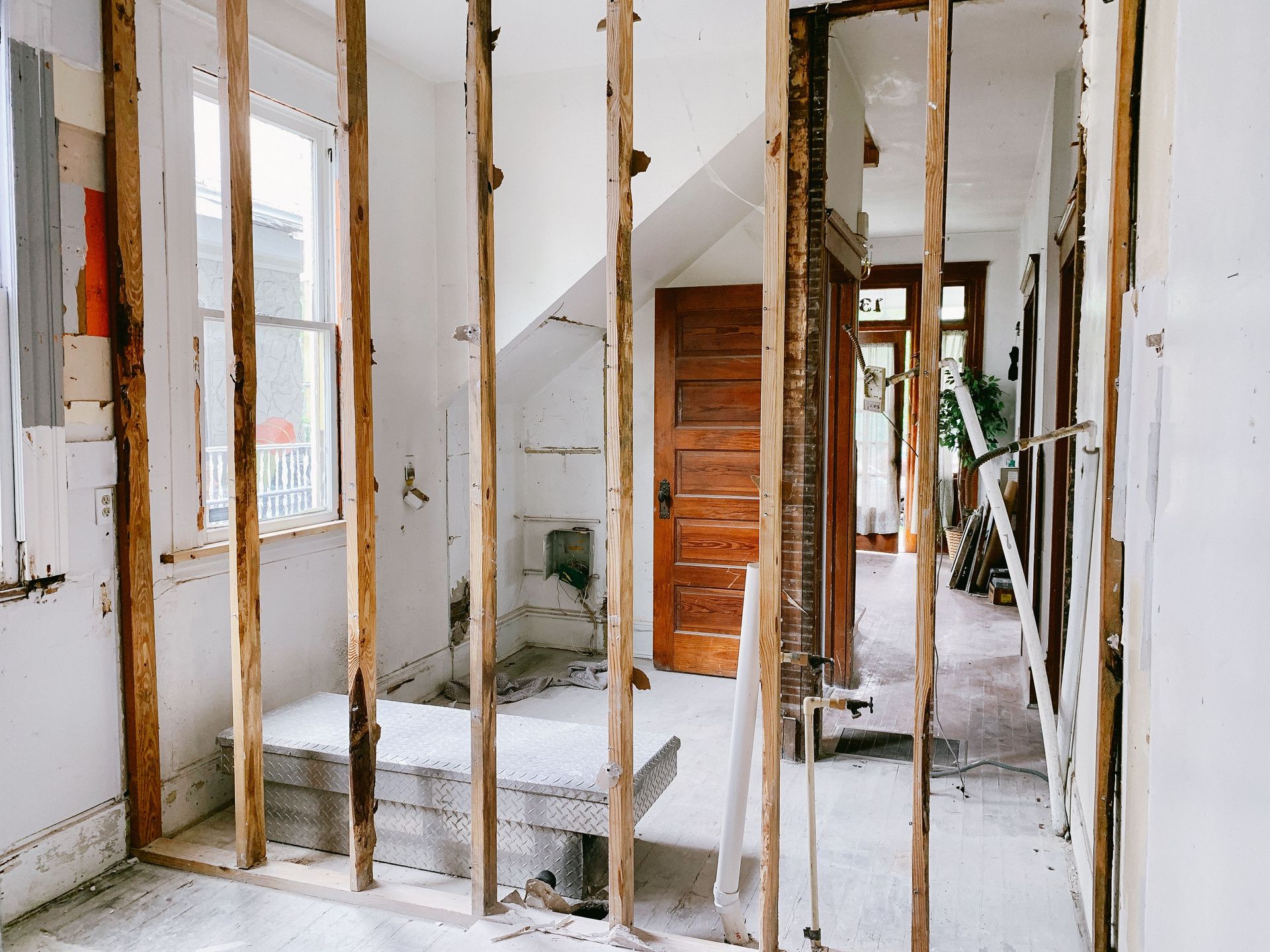
- Interior wall removals during a DIY or cash-job kitchen or bathroom update, where a load-bearing wall was opened without an engineer or a permit
Several of these overlap directly with the kind of full accessory dwelling unit (ADU) or home addition work we build every day, which is exactly why we treat permit history as step one, not an afterthought. If you're comparing rules across counties, our breakdown of ADU rules in St. Johns County covers how neighboring jurisdictions handle the same permitting questions differently than Duval County does.
How Sunshine State Handles Permitting So This Never Becomes Your Problem
John Belizario, Sunshine State's founder, started in this industry the same way a lot of our subcontractors did — on the ground, working with his uncle, before he ever earned his general contractor's license. That's part of why permitting isn't treated as paperwork to get around here; it's the part of the job that protects the customer long after we've left the site.
On every project, our licensed team pulls the required permits, coordinates every inspection with the Building Inspection Division, and keeps the paperwork so it's there if you ever refinance, sell, or bring in another contractor down the road. We're not just trying to get a good result on the day the work is finished. Our goal is that you understand exactly what was done, that it's documented correctly, and that you're genuinely happy with it years later — not just when the crew packs up.
Before you hire anyone for a renovation, addition, or ADU in Jacksonville, it's worth reading through our questions to ask a general contractor before you hire, and if you want to see how permitting fits into a full ADU build from the ground up, our piece on the benefits of building an ADU in Jacksonville walks through it.
Frequently Asked Questions
Is Duval County permit history public record?
Yes. You can search it yourself, free, through the City's JaxEPICS Online Property Search using a guest sign-in and the property address.
What happens if I start work without a permit in Jacksonville?
The City treats it as unlawful, punishable by a $250 fine, separate from whatever it costs to bring the work up to code once it's discovered.
Can unpermitted work be permitted after the fact?
Often, yes, through a retroactive permit but it typically requires opening up finished surfaces so an inspector can verify what's actually behind them before it can pass.
Does homeowners insurance care about unpermitted work?
It can. Insurers and lenders are increasingly asking about permit history on older homes, particularly after an addition, conversion, or major electrical or plumbing change.
What should I do if I think a home I'm buying has unpermitted work?
Run the JaxEPICS search yourself before closing, and if the seller's disclosure doesn't match what you find, talk to a real estate attorney about your options before you sign.
If you're weighing a renovation, addition, or ADU in Jacksonville and want a straight answer on what a property's permit history actually looks like before you commit to a plan, Sunshine State Professional Services can help you check it. Call (904) 517-2427 for a free consultation.