Whole-House Repipe Cost in Jacksonville, FL: 2026 Guide | Sunshine State Pro
If a plumber, a home inspector, or your insurance agent has recently said the word "repipe" to you, you are not alone. Across older neighborhoods in Fernandina Beach, Jacksonville, and Amelia Island, homeowners are discovering that the pipes behind their walls, not the roof, not the kitchen, are what's standing between them and an affordable insurance renewal. A whole-house repipe is a bigger, more disruptive project than most people expect, and in Florida it carries an insurance wrinkle that doesn't exist in most other states.
This guide breaks down what a whole-house repipe actually costs in 2026, why Northeast Florida's older housing stock makes this more urgent here than in newer markets, and how the decision to repipe connects to the 4-point inspection your insurer may already be requiring. If you're weighing a repipe on its own or as part of a larger renovation, here's what to know before you call anyone.
What "Whole-House Repipe" Actually Means
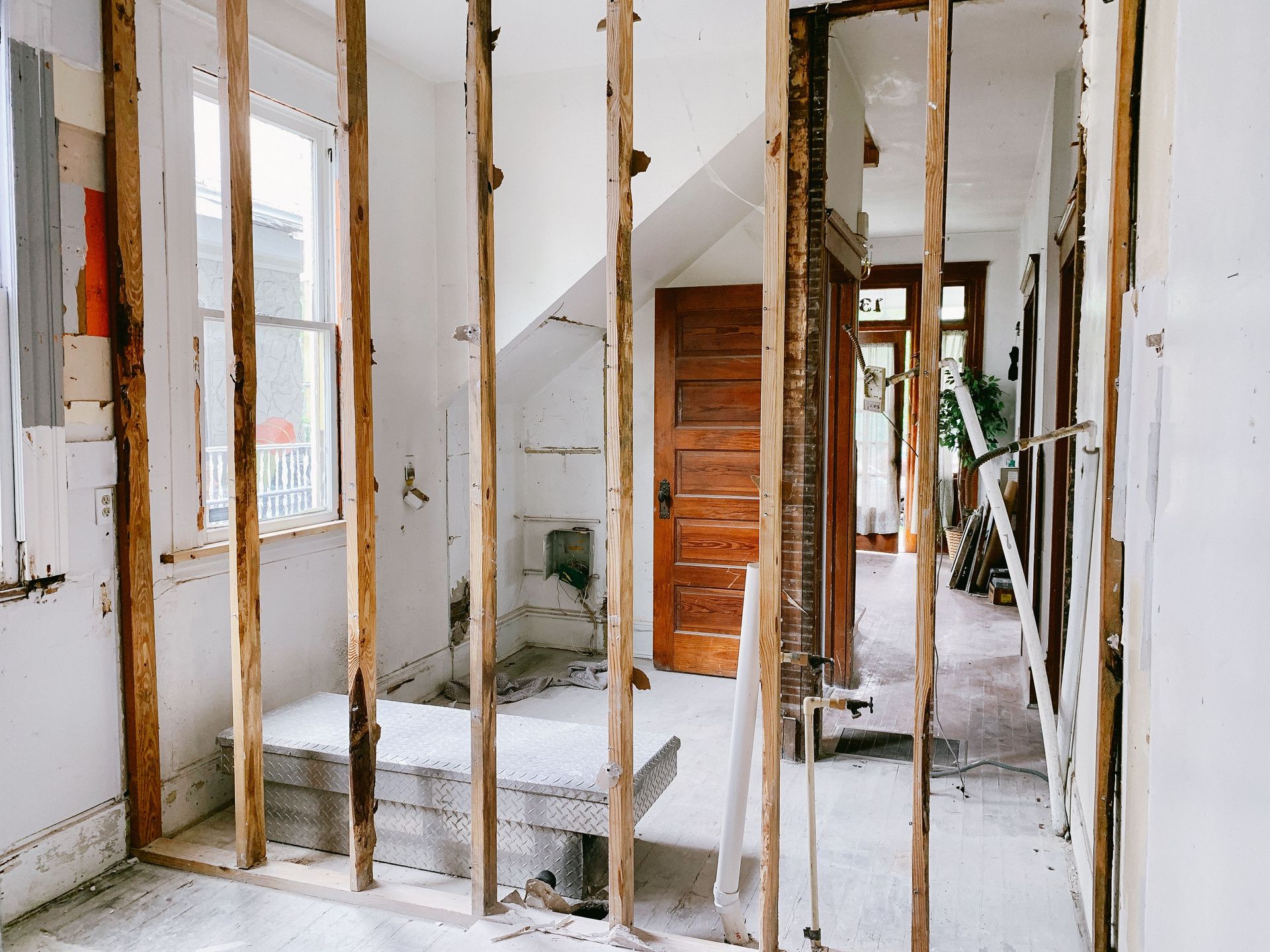
A whole-house repipe replaces some or all of a home's water supply lines, the pipes that carry water to your fixtures, not the drain lines that carry it away. In most cases this means removing old galvanized steel, polybutylene, or copper piping that has started to corrode, leach, or fail, and running new PEX or copper in its place. It's different from a repair, which patches one bad section, and different from a remodel, which touches finishes and layout. A repipe is a systems project: the walls get opened, the old lines come out, and new lines go in, then everything gets closed back up.
For homeowners, the trigger is usually one of a few signs: discolored or rust-tinted water, a noticeable drop in water pressure, leaks that keep recurring in different spots, or a plumber flagging galvanized or polybutylene pipe during an unrelated repair. Per Angi's 2026 guidance, pipes over 60 years old nearing the end of their service life are a common trigger on their own, which describes a meaningful share of the older housing stock in Fernandina Beach's historic district and Jacksonville's established neighborhoods.
Whole-House Repipe Cost in Jacksonville, FL: 2026 Pricing Breakdown
According to 2026 cost data published by Angi, a full home repipe typically runs $1,500 to $15,000 , with most homeowners landing around $7,500 . Material choice drives a lot of that range: PEX piping runs about $0.40–$2 per linear foot installed, while copper runs $2–$8 per linear foot, copper's durability comes at a real premium. Angi's data also shows labor as the dominant cost driver, making up roughly 70% of the total bill, because repiping means accessing pipe runs behind drywall, under floors, and in some cases through concrete slabs.
Common add-ons homeowners budget for alongside the core repipe include water main replacement ($600–$2,500 when the service line itself needs updating) and, if the water heater is original to the same era as the pipes, new water heater installation ($850–$1,750). Permit fees for repiping typically run $50–$500 depending on scope, and most Florida jurisdictions require an inspection before the walls close back up.
What pushes a project toward the higher end of that range in a coastal Northeast Florida home specifically: multi-story layouts (more vertical run between floors), slab-on-grade construction common in the area (harder to access under-floor lines), and finishes that need to be protected or replaced afterward, like tile or built-ins in an older Fernandina Beach cottage.
Why Older Jacksonville & Fernandina Beach Homes Are Especially at Risk
Two pipe materials show up disproportionately in Northeast Florida's older housing stock: galvanized steel, which corrodes from the inside out and gradually restricts water flow, and polybutylene, a gray or blue plastic pipe that fell out of favor after developing a reputation for brittle, sudden failures. Neither is manufactured for residential use anymore, and per Citizens Property Insurance's own underwriting guidance, homes with polybutylene piping already face insurance scrutiny once they cross the 20-year mark, addressed in detail below.
If you're renovating an older Jacksonville home and haven't had the plumbing specifically evaluated, it's worth doing before you finalize a scope of work. The same applies to homes where termite and wood rot damage has already opened up wall cavities, if the walls are already open for one issue, it's the least disruptive time to deal with the other.
The Insurance Problem Nobody Warns You About
This is the part that catches most Florida homeowners off guard: pipe material isn't just a maintenance issue, it's an underwriting issue. Citizens Property Insurance Corporation, Florida's state-created insurer of last resort, states plainly in its own underwriting guidance that new-business dwellings over 20 years old with polybutylene piping are not insurable under its standard homeowners and dwelling policy forms (HO-3, HO-8, DP-1, DP-3, and related mobile home forms). Dwellings 20 years old or newer with polybutylene may still qualify, but only if there are no signs of leaks, unrepaired water damage, or disrepair. Many private carriers in the state have adopted similarly strict positions.
This connects directly to the 4-point inspection Citizens requires on any property older than 20 years: a Florida-licensed inspector documents the age, type, and condition of the plumbing, electrical, HVAC, and roof, and any active leaks or evidence of prior leaks has to be resolved before a policy can be written. If your home already has an open polybutylene or galvanized pipe insurance non-renewal notice, or you're anticipating one at your next renewal, a repipe is often the only way to resolve it, not a repair, not a partial fix.
It's also worth knowing this isn't limited to plumbing. Florida insurers apply the same age and condition scrutiny to other systems: wind mitigation inspection findings affect premium discounts, and unresolved issues turned up during a storm damage insurance claim can compound with a plumbing flag to make renewal even harder. Homeowners are often dealing with more than one of these at once.
PEX vs. Copper: Which Makes Sense for a Northeast Florida Home
PEX has become the more common choice for whole house repipes nationally, and Angi's data reflects why: it's flexible enough to snake through existing wall cavities with fewer cuts, it resists the scale and mineral buildup common in Florida's water supply, and at $0.40–$2 per linear foot it's meaningfully cheaper installed than copper. Copper remains the more durable option and is preferred in some applications, but at $2–$8 per linear foot the cost difference on a full-house scope adds up fast.
Local code and the specific layout of your home can also steer this decision, some jurisdictions restrict where PEX can run, and a licensed plumber evaluating your specific property is the only reliable way to land on the right material for your situation.
How a Repipe Fits Into a Larger Renovation
Very few homeowners repipe a house in isolation. In practice, it tends to surface as part of a bigger decision: a kitchen remodel cost estimate reveals old galvanized lines behind the sink wall, a bathroom remodel cost quote turns up polybutylene under the tub, or a family planning a home addition cost project realizes the existing plumbing system needs to be brought up to the same standard as the new space before it all ties together.
This is where having one contractor coordinate everything, rather than a plumber, a remodeler, and a permit runner working separately, actually saves time and rework. At Sunshine State, this is our one-team, start-to-finish approach: our in-house engineers, estimators, and project coordinators scope the plumbing alongside whatever else is on the table, so a repipe doesn't become its own disconnected project with its own permit and its own timeline. Whether that's folding a repipe into an existing kitchen or bath project, or planning it ahead of a home addition, the goal is the same one John Belizario built the company on: make sure the homeowner understands what's happening and is genuinely happy with the result, not just handed a bill.
What to Ask Before You Hire Anyone for a Repipe
Because a repipe touches insurance eligibility, not just water pressure, a few questions are worth asking any contractor before signing anything:
- Will you provide documentation of the new pipe material and installation date for my insurance file?
- Are you licensed to pull the plumbing permit in my specific county (Duval, Nassau, or St. Johns)?
- Will the repipe be scoped to resolve any 4-point inspection findings, not just the symptom that prompted the call?
- What's the realistic timeline, and how much of the home will be without water at any point?
Frequently Asked Questions
Does repiping a house actually lower homeowners insurance?
It can. Since Citizens and many private Florida insurers specifically flag polybutylene and aging galvanized pipe as an underwriting risk, replacing that piping and documenting it can remove the specific issue that triggered a non-renewal notice or a coverage restriction in the first place.
Can a house be repiped without tearing out all the drywall?
In many cases, yes, PEX in particular can often be routed through smaller access points than a full wall demo requires, though some drywall and finish repair is typically still part of the project.
How long does a whole house repipe take?
Per Angi's 2026 data, smaller homes can be completed in a few days, while larger or multi-story homes with more fixtures can take several weeks, depending on accessibility and how much of the home needs to stay livable during the work.
Is a repipe required if my 4 point inspection flags old plumbing?
Not automatically, but if the inspection notes active leaks, evidence of prior leaks, or polybutylene piping on a home over 20 years old, insurers may require the issue resolved before writing or renewing a policy, and a repipe is typically the only way to fully resolve it.
A whole-house repipe is rarely anyone's first-choice renovation project, but for a meaningful number of older Fernandina Beach and Jacksonville homes, it's become a prerequisite for keeping insurance coverage at all, not just a maintenance upgrade. If you're not sure whether your home's plumbing is a factor in your next renewal, or you're planning a remodel and want the plumbing evaluated as part of the scope, Sunshine State's team can walk the property with you and lay out exactly what's involved before anything is decided.