Historic Home Renovation in Jacksonville, FL: The Certificate of Appropriateness Process Explained
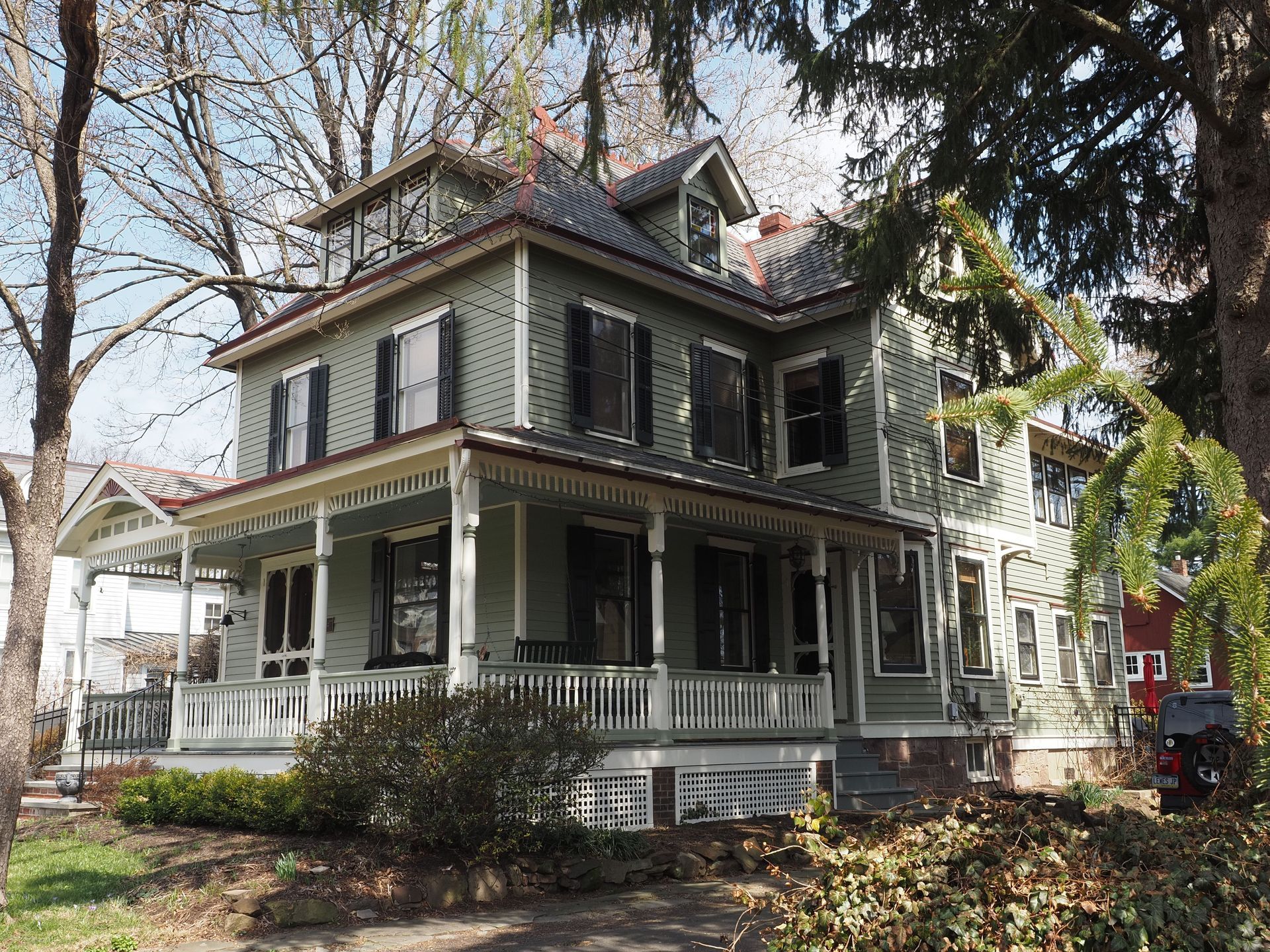
Jacksonville's oldest neighborhoods — Springfield, Riverside-Avondale, and the St. Johns Quarter — are full of homes with a century of character: heart-pine floors, original millwork, deep front porches built for Florida summers. That character is exactly why buyers seek these neighborhoods out. It's also why renovating one of these homes works differently than renovating a house built in 2015.
If your home sits inside one of Jacksonville's local historic districts or is a designated Landmark, the City of Jacksonville reviews certain renovation work before you can start it. The process is called a Certificate of Appropriateness (COA), and it isn't optional paperwork you can skip if you're in a hurry, building without one when one is required can stop a project cold. Here's what the process actually involves, based on the City of Jacksonville Historic Preservation Section's own published rules, and what it means for planning your renovation.
What Makes a Jacksonville Home "Historic" in the City's Eyes
Jacksonville has three locally designated historic districts, plus individual properties designated as local Landmarks. Within those boundaries, the city surveyed every building back in 1985 and classified it as either "Contributing" or "Non-Contributing" to the district's historic character. Contributing structures are the ones the design guidelines are built around protecting, and the city is explicit that even a modest, unassuming Contributing property is considered valuable to a neighborhood's overall historic charm, not just the obviously grand homes.
Some properties were never formally listed either way. For those, the city looks at the individual structure's construction date and architectural significance on a case-by-case basis. If you're not sure which category your property falls into, the City of Jacksonville's Land Development Map lets you search by address or real estate number and toggle on the "Local Historic Districts" and "Local Landmarks" layers to see exactly where you stand before you start planning.
When You Actually Need a Certificate of Appropriateness
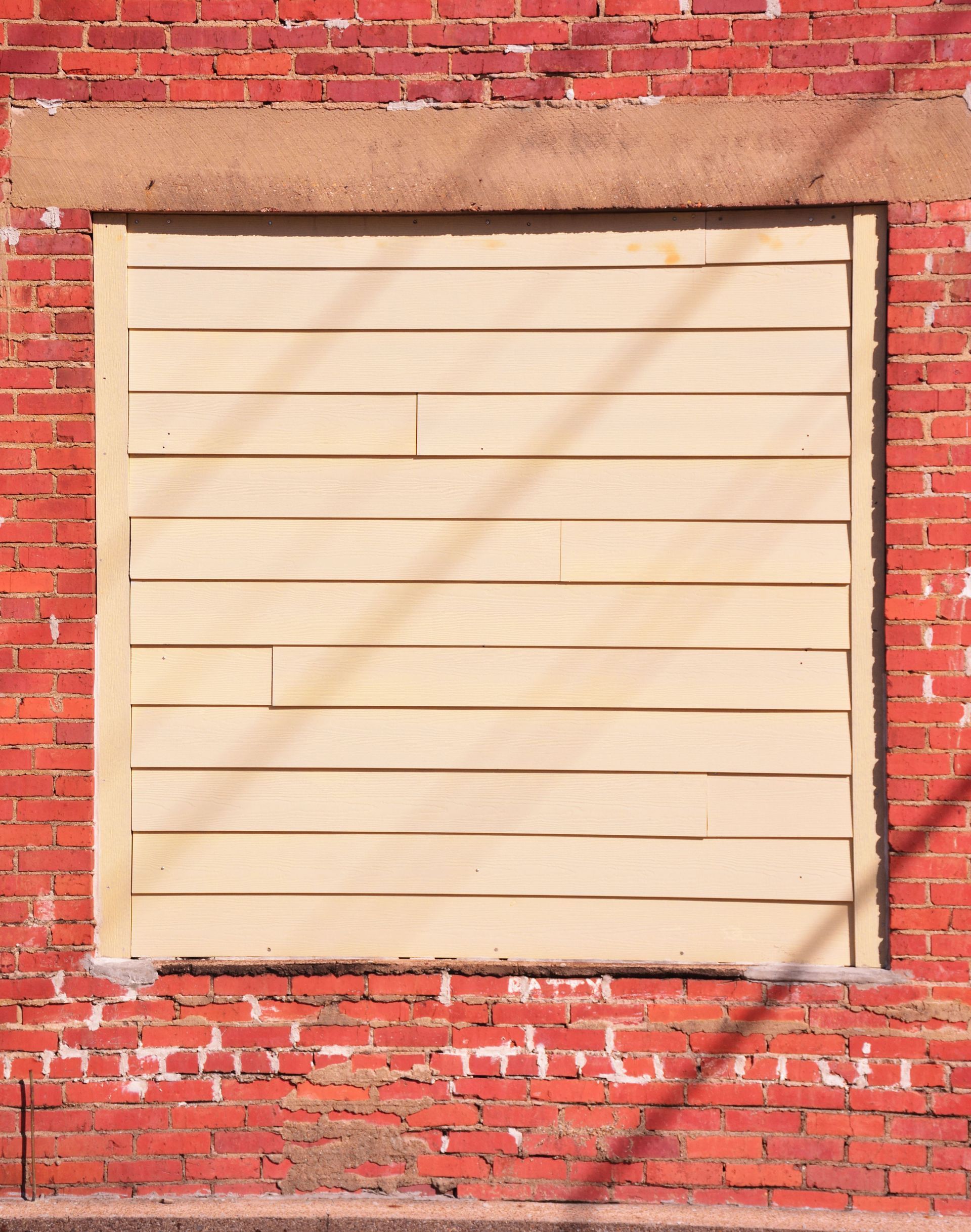
A COA is required for any property in a local historic district or Landmark before certain work begins, and the trigger is almost always exterior visibility . The city's own guidance lists repairing windows and siding, plus site work like fencing, driveways, and sheds, as examples of work that needs a COA. Additions, new construction, relocations, and demolitions fall under the same requirement.
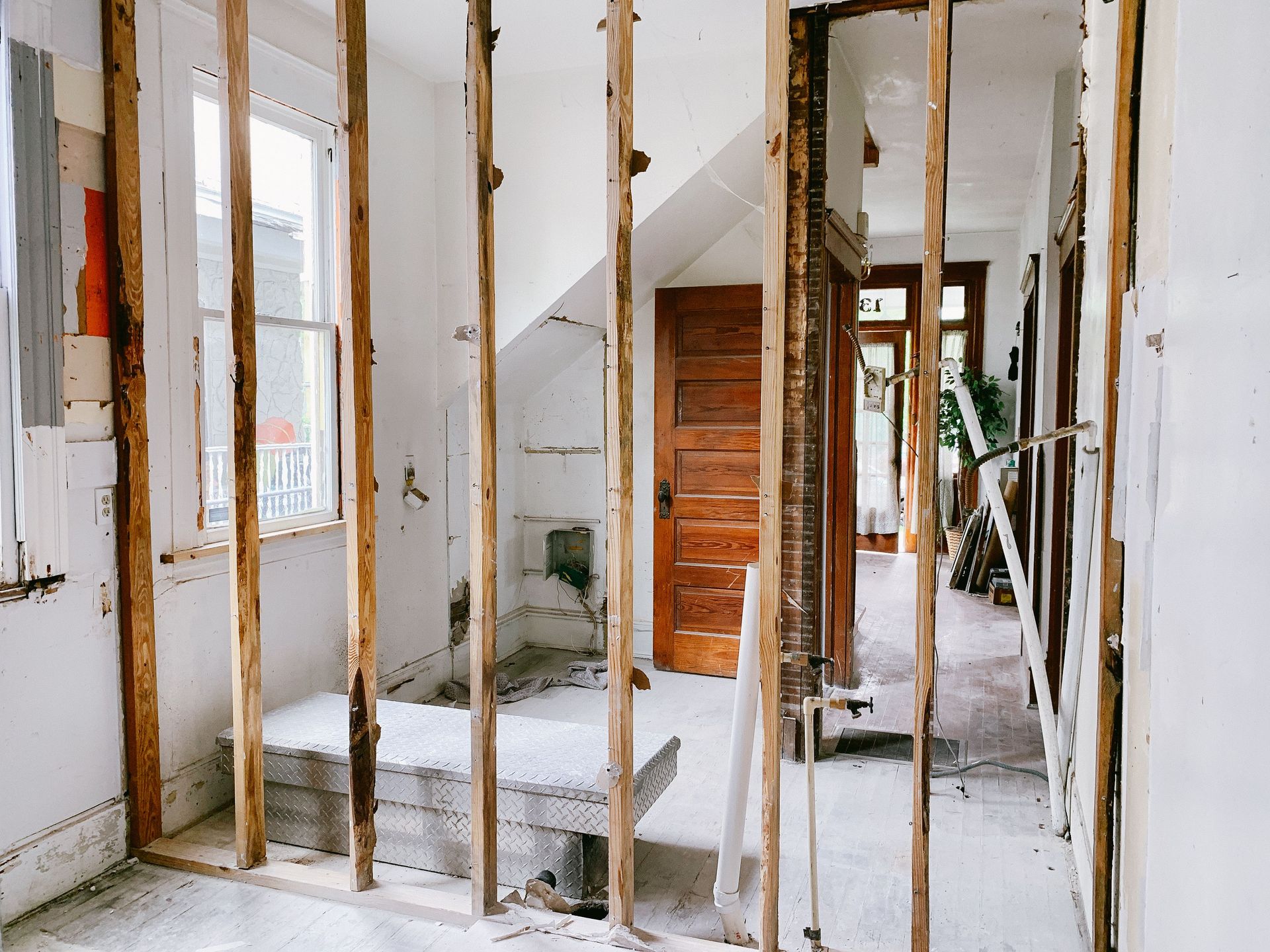
The flip side matters just as much: interior work that doesn't touch the exterior of the structure generally does not require a COA. If your renovation is a kitchen or bathroom remodel that stays inside the walls, you're typically clear to proceed under standard building permits alone, the same way we'd approach a kitchen remodel anywhere else in Jacksonville. Where it gets tricky is anything that changes windows, exterior doors, or other exterior features as part of an interior job, that crosses back into COA territory, so it's worth flagging to your contractor before demo starts, not after.
One more detail worth knowing: once approved, a COA is valid for one year, and once work has actually begun, that approval extends to five years enough runway for a full-scope historic renovation that can't be finished in a single season.
Administrative Approval vs. a Hearing Before the Commission
Not every COA goes in front of a public hearing. The city sorts applications using its COA Matrix, which determines whether your scope of work qualifies for faster Administrative review or requires review by the Jacksonville Historic Preservation Commission (JHPC), a mayor-appointed body that meets once a month, typically the fourth Wednesday, with no meeting in November or December.
The difference in timeline is significant. Administrative COAs can be processed in a week or two, sometimes faster depending on scope and time of year. JHPC-reviewed COAs take a minimum of one month from submittal to a signed approval, and the city recommends submitting roughly six weeks ahead, around the 15th of the month before the meeting you're targeting, so staff has time to confirm your application is complete and you have time to respond to any follow-up requests.
Scopes that typically require full JHPC review include demolition of a Contributing structure, new construction, two-story garages, and two-story additions. That last one matters for anyone considering an accessory dwelling unit or garage apartment addition on a historic property, it's the kind of project that needs to be built into your timeline from day one, not discovered halfway through design.
What a COA Actually Costs — and What Happens If You Skip It
The city publishes a flat fee schedule for applications that require Commission review: alterations run $315, additions and new construction run $495, relocations run $495, and demolitions run $610. These are official city review fees, separate from any construction cost — they cover staff and Commission time, not your contractor's work.
Skipping the process costs more than the delay of doing it right. Work started without an approved COA can result in a violation, and violations are resolved one of a few ways: after-the-fact approval, approval with required corrective work, denial requiring you to reverse what was done, or denial with a settlement agreement. Any application tied to a notice of violation has its fee doubled, and if it can't be resolved administratively, it has to go in front of the full Commission regardless of how minor the original request might otherwise have been. In other words, doing the renovation out of order is almost always slower and more expensive than getting the COA first.
Design Guidelines That Shape What You Can Actually Build
Beyond the approval process itself, Jacksonville publishes district-specific Historic Preservation Guidelines for Springfield and for Riverside Avondale, along with supplements covering fencing and walls, doors, and windows specifically. These guidelines exist to keep the visual rhythm of the block intact, matching materials, proportions, and detailing — while still allowing homes to be updated for how people actually live today.
Not every energy or efficiency upgrade is off the table, either. The city notes that many interior improvements, the kind that reduce energy loss through the foundation, walls, and attic, don't require a COA at all, and JEA offers free energy efficiency assessments to identify where a historic home is losing the most energy. That's a meaningful piece of a full home renovation that can move forward on its own timeline, independent of any exterior review.
It's also worth knowing that neighborhood groups like Riverside Avondale Preservation (RAP) and Springfield Preservation and Revitalization (SPAR) aren't city departments, they're non-profit organizations that act as a liaison between residents and the city. They're a genuinely useful resource for understanding a specific block's character before you finalize a design, even though final COA approval authority sits with the city, not with these groups.
Renovating a Historic Home the Right Way — With One Licensed Team
John Belizario, Sunshine State's founder, built this company from the ground up, literally starting as a subcontractor before earning his general contractor license. That trajectory shapes how the team approaches a project like this: "My goal is not just to do a good job but make sure my customer understands and is happy with the final result." On a historic renovation, that means walking a homeowner through what needs a COA, what doesn't, and what the realistic timeline looks like before a single wall comes down, not discovering a compliance problem mid-project.
Before hiring anyone for historic-district work, confirm they're properly licensed, you can check a Florida contractor's status through the state license search, the same verification step we'd recommend for any general contractor you're considering in Jacksonville. A licensed, full-service team that handles design, permitting, and construction under one roof is also simply easier to coordinate through a COA review than juggling separate vendors for each phase, which is the same "one team, start to finish" model Sunshine State Professional Services applies to every renovation, historic district or not.
Frequently Asked Questions
Do I need a COA for interior renovations only?
Generally no. Interior work that doesn't affect the exterior of the structure, and doesn't change exterior facing features like windows or doors typically does not require a COA.
How do I find out if my Jacksonville property is in a historic district?
Use the city's Land Development Map, search by address or real estate number, and enable the Local Historic Districts and Local Landmarks layers under the Historic list.
How long does COA approval take?
Administrative COAs typically take one to two weeks. Applications requiring a hearing before the Jacksonville Historic Preservation Commission take a minimum of one month from submittal, and the city recommends applying about six weeks ahead of the target meeting.
What happens if I start work without an approved COA?
You risk a violation, which can lead to after-the-fact approval, required corrective work, denial requiring reversal, or a settlement agreement, and any related fees are doubled.
If you're planning a renovation on a historic Jacksonville property and want a licensed team that can walk the COA process alongside you, reach out to Sunshine State's office to talk through your project.