How to Plan a Whole-Home Renovation in Jacksonville, FL: A Step-by-Step Guide
More than four in ten Americans renovated their home in the past year, and a growing share are doing it instead of buying a new one. If you're a Jacksonville homeowner weighing a single room refresh against a full top-to-bottom renovation, you're part of a much bigger shift: staying put and building the home you already have into the one you actually want. This guide walks through the decisions that determine whether a whole-home renovation in Jacksonville, FL goes smoothly or turns into a stressful, over-budget mess from setting the scope to picking the right contractor to navigating Duval County's permitting process.
Why More Jacksonville Homeowners Are Renovating Instead of Moving
The math on moving has changed. A 2026 Redfin survey conducted with Ipsos found that 43% of Americans renovated their home in the past year, with another 33% planning to renovate in the next twelve months. More telling: roughly two-thirds (65%) of recent renovators say they upgraded their current home specifically instead of moving, and among homeowners planning a renovation in the next year, that number climbs to 71%. Redfin's research also points to why — about 80% of homeowners with a mortgage are sitting on an interest rate below what's available today, so trading up to a new house usually means trading up to a much bigger monthly payment too.
We see the same pattern here in Northeast Florida. Homeowners who might have listed their house five years ago are choosing instead to add an accessory dwelling unit, finish out a bathroom, or take on a full renovation that makes their current address work for the next decade. It's not a compromise — for a lot of families, it's turning out to be the smarter move.
Step 1: Define the Scope Before You Call Anyone
The single biggest driver of a blown budget and a blown timeline is starting a renovation without a clear, written scope. Before you get a single quote, walk your home room by room and separate your list into three categories: what's cosmetic (paint, fixtures, flooring), what's functional (a kitchen layout that doesn't work, a bathroom that's too small), and what's structural (a home addition, moving load-bearing walls, a full gut renovation). Each category has a different cost profile and a different permitting path in Jacksonville, so knowing which bucket you're in changes everything downstream. It also helps to think about how long you plan to stay in the home — a cosmetic refresh makes sense if you might sell in a few years, while a structural investment like a home addition or an accessory dwelling unit pays off more when you're planning to stay put for the long haul.
If you're not sure where your project lands, our kitchen remodel cost breakdown and bathroom remodel cost guide both break out pricing by scope — a minor refresh versus a full gut so you can get a realistic sense of where your project sits before you start scoping bids.
Step 2: Build a Budget With a Real Contingency Fund
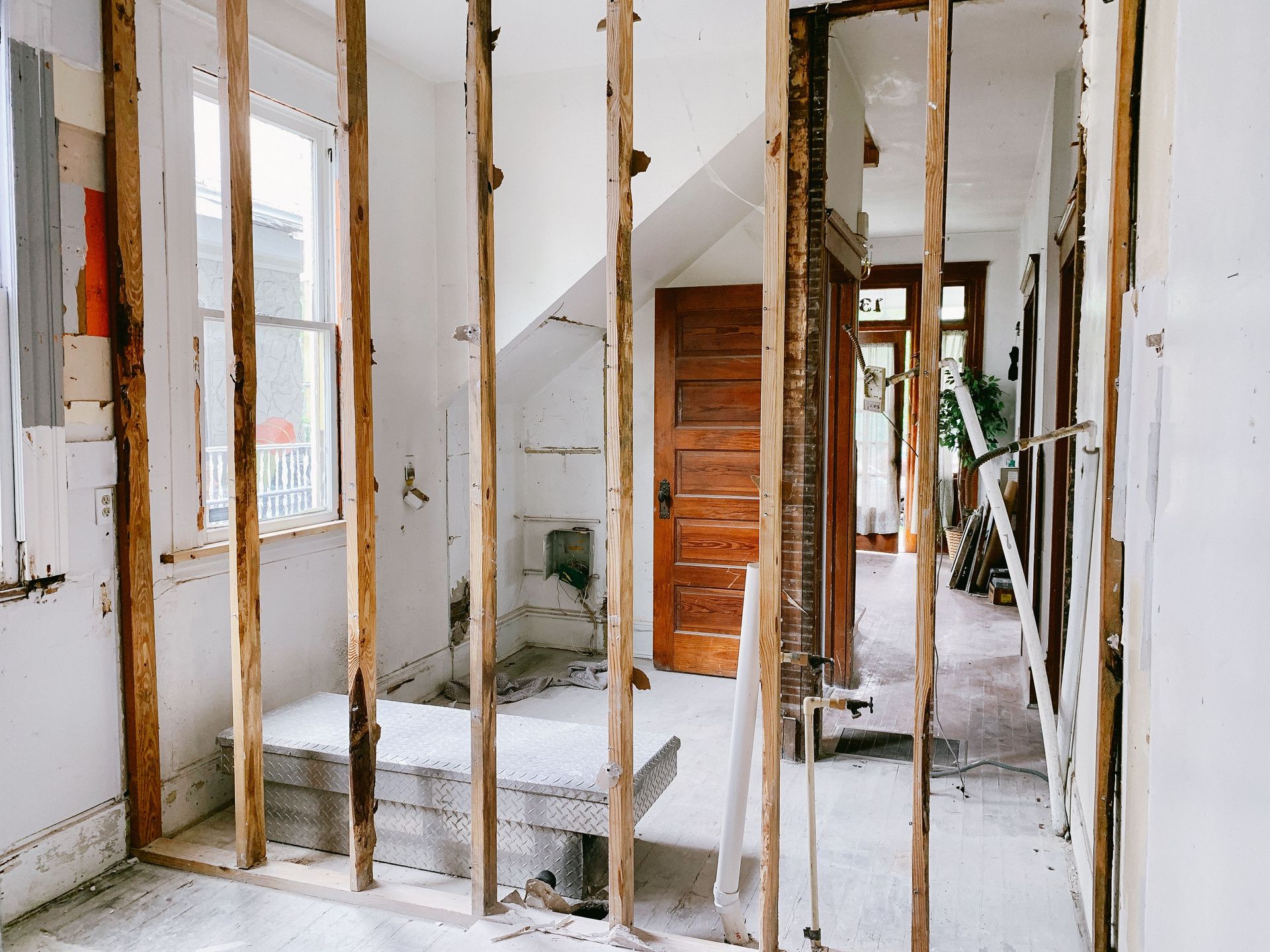
Every renovation budget needs a number nobody wants to think about: the contingency fund for what you can't see yet. Older homes in particular tend to hide surprises behind drywall outdated wiring, water damage, plumbing that doesn't match the permit on file. Case Design & Remodelers, a design-build remodeling firm, recommends budgeting between 5% and 15% of your contracted project cost as a contingency reserve, with the lower end reserved for homeowners working with an experienced firm that has done thorough pre-contract inspections, and the higher end for older homes or a less detailed planning process.
A contingency fund isn't pessimism it's what keeps a mid-project surprise from turning into a stalled project or a fight over change orders. Build it into your budget from day one, not after the first unexpected invoice.
Step 3: Choose One Licensed Contractor, Not Five
The renovations that go sideways are usually the ones being run by committee — a homeowner acting as general contractor, coordinating a separate electrician, plumber, framer, and painter, and hoping the schedules line up. It rarely does. A licensed general contractor carries the legal responsibility for the whole job, coordinates every trade under one schedule, and is the single point of contact when something needs to change mid-project.
Before you sign with anyone, verify the license. We've written a full walkthrough of how to verify a contractor's license in Florida using the state's DBPR database it takes under a minute and it's the single easiest way to avoid the homeowners who show up unlicensed and uninsured. At Sunshine State, our founder John Belizario started as a subcontractor before earning his general contractor license, and the team he's built — engineers, estimators, project coordinators, project managers works the way he describes it: "basically everybody like a family working together to give you a really nice product." His words, and the standard we hold every project to, are simple: "My goal is not just to do a good job but make sure my customer understands and is happy with the final result."
Step 4: Get the Permitting Process Right From Day One
Jacksonville and the surrounding counties require permits for most renovation work that touches structure, electrical, or plumbing — and skipping that step can cost you far more than the permit fee if you ever need to sell or file an insurance claim. Three things worth understanding before your project starts:
- A Notice of Commencement protects you from paying twice for the same work if a subcontractor doesn't get paid down the chain.
- If your renovation includes a home addition, zoning and setback rules vary block to block, and getting them wrong can mean a stop-work order.
- Florida's 2026 Building Code update changes wind, energy, and impact-window standards for every new permit filed after it takes effect — worth knowing before you decide whether to permit now or wait.
A licensed general contractor handles this process as part of the job, but understanding the basics helps you ask the right questions and spot a contractor who's cutting corners.
Step 5: Plan Your Timeline Around Florida's Building Season
Northeast Florida's construction calendar has its own rhythm. Material lead times for windows, cabinetry, and custom fixtures can stretch several weeks longer during peak spring and summer demand, and hurricane season (June through November) can affect exterior work and inspection scheduling. If your renovation is financed, it's also worth understanding your options — our 2026 home renovation financing guide covers what changed this year now that the federal energy tax credit has expired.
Building slack into your timeline for permitting review, inspections, and at least one material delay isn't pessimism it's what separates a renovation that finishes on schedule from one that drags into a second season. A general contractor who's run projects through multiple Northeast Florida hurricane seasons will typically build that slack into the schedule from the start rather than treating it as an excuse when things run long.
What Working With Sunshine State Looks Like
Sunshine State Professional Services was built from the ground up, literally. Founder John Belizario immigrated from Brazil and started as a subcontractor working with his uncle before investing in himself, earning his general contractor license, and growing the company into a full-service renovation, remodeling, and custom home building team serving Jacksonville, Fernandina Beach, and Amelia Island. That path — starting on the job site rather than behind a desk shapes how the company works today: one licensed team handling everything from a home addition to a full renovation, rather than a homeowner juggling separate contracts and separate headaches.
As John puts it: "We don't define our customers we try to get as much as we can and we're looking to help people, being impactful for the community." That's the same philosophy whether the project is a single bathroom or a whole-home renovation.
Frequently Asked Questions
How long does a whole-home renovation take in Jacksonville, FL?
It depends heavily on scope, but a full interior renovation typically runs several months once permitting, demolition, and inspections are factored in. A licensed general contractor managing every trade under one schedule is usually the biggest factor in keeping that timeline predictable.
Do I need a permit for a whole-home renovation in Jacksonville?
Most renovation work touching electrical, plumbing, or structural elements requires a permit from the City of Jacksonville or your county building department. A Notice of Commencement is also required for most projects above a minimum contract value.
Is it cheaper to hire one general contractor or manage subcontractors myself?
Acting as your own general contractor can look cheaper on paper, but it shifts legal responsibility, scheduling, and every coordination problem onto you. A licensed GC carries that responsibility and typically has established relationships with trades and suppliers that a first-time owner-builder doesn't.
What should I budget as a contingency for a whole-home renovation?
Industry guidance generally recommends setting aside 5% to 15% of your contracted project cost for unforeseen conditions, with older homes and less detailed planning processes warranting the higher end of that range.
If you're ready to turn a room-by-room wish list into an actual plan, Sunshine State Professional Services is a licensed Northeast Florida general contractor serving Jacksonville, Fernandina Beach, Ponte Vedra, and St. Augustine. Call (904) 517-2427 for a free consultation.