Fence Installation Cost in Jacksonville, FL: 2026 Permit & Pool Safety Guide | Sunshine State Pro
If you're pricing out a new fence for your Jacksonville property this year, the number that matters most isn't just the per-foot rate a contractor quotes you it's whether that fence is legal to build where you want to put it. Jacksonville's zoning code sets hard limits on fence height depending on where the fence sits on your lot, and if you're fencing in a pool, Florida law adds a separate safety requirement that has nothing to do with your HOA's design guidelines. Get either one wrong and you're looking at a stop-work order, a resurvey, or a barrier that fails inspection the day you need it most.
Below is what a fence project actually costs in Jacksonville by material, what the City's Zoning Code allows before you need a variance, and what Florida Statute requires if that fence or any barrier is doing double duty around a pool.
What Does Fence Installation Cost in Jacksonville, FL in 2026?
Fence pricing in Jacksonville is driven primarily by material, with linear footage and site conditions (slope, tree roots, existing structures to remove) as the next-biggest factors. According to 2026 pricing published by a Jacksonville fence contractor, local installed rates run:
- Wood fencing: $20–$35 per linear foot — the most affordable upfront, but requires more maintenance in Florida's humidity
- Vinyl fencing: $25–$45 per linear foot — low maintenance and a common choice for privacy fencing
- Aluminum fencing: $30–$55 per linear foot — the standard for pool enclosures and decorative perimeter fencing
- Premium/composite fencing: $45–$80+ per linear foot — the longest lifespan with the least upkeep
A typical suburban Jacksonville backyard runs 150–200 linear feet, which puts most projects in the $3,000–$11,000 range before gates, demolition of an old fence, or grading work. If your lot has drainage issues that also need addressing before a fence goes in, it's worth reading our guide to French drain installation costs in Jacksonville solving water flow first prevents a brand-new fence from settling or rotting posts within a few seasons.
Do You Need a Permit? Jacksonville's Fence Height & Setback Rules
Most homeowners assume a fence is simple enough not to involve the City. In Jacksonville, the height of your fence not the material is what triggers zoning review. Per the City of Jacksonville Planning Department's official Zoning FAQ, the rules under Section 656.402 of the Zoning Code are:
- Front yard setback: maximum fence height of 4 feet
- Beyond the front setback (side and rear yards): fences can go up to 8 feet
- Corner lots: a visibility triangle must be maintained for traffic safety, which can restrict height near the intersection regardless of the standard limits
- Want to exceed these limits? You'll need to apply for an administrative deviation through the Zoning Section before you build
The City also notes that your fence can sit anywhere on your property line depending on zoning district, but the sidewalk or curb is not a reliable stand-in for your actual property line a survey is the only way to confirm it. That matters for setback compliance under our broader Jacksonville zoning and setback guide, which covers how these same setback principles apply to additions and other structures.
If you're in an HOA community, city rules are only half the equation. HOA covenants can be more restrictive than the City's zoning code capping heights lower, dictating materials, or requiring architectural review board approval before you break ground. Always check both before you order materials.
Most permitted fence projects also trigger Florida's Notice of Commencement requirement once a licensed contractor is doing the work. If you haven't dealt with an NOC before, our Notice of Commencement guide walks through what it is and when it applies.
Building or Have a Pool? Florida Law Requires a Compliant Barrier
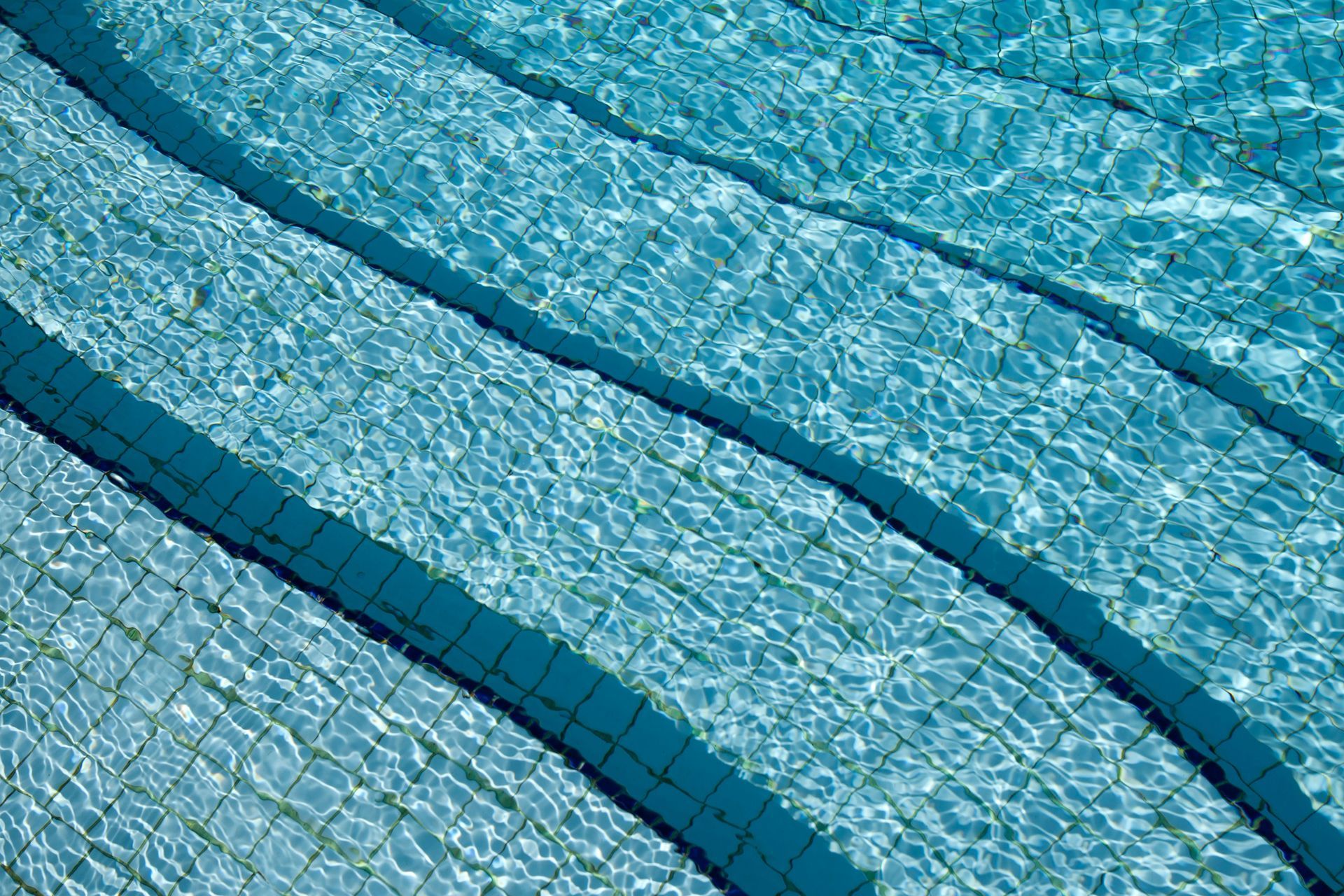
If your fence project is meant to enclose a swimming pool, height and setbacks aren't the only requirement — Florida law adds a life-safety standard on top of local zoning. Under the Florida Residential Swimming Pool Safety Act, a residential pool barrier must meet specific requirements to pass final inspection:
- The barrier must be at least 4 feet high on the outside
- It cannot have gaps, openings, indentations, or protrusions that would let a young child crawl under, squeeze through, or climb over it
- Per Florida Statute 515.27, a compliant barrier is one of five approved safety options a pool must have to receive a certificate of completion — the others being an approved pool cover, alarmed doors and windows, an approved pool alarm, or exit alarms
A standard privacy or perimeter fence doesn't automatically satisfy this the barrier has to specifically meet the no-climb, no-crawl-under standard, and in many cases needs to be a separate enclosure from your general yard fence unless it's built and positioned to serve both purposes. If you're planning a pool alongside a new fence, it's worth reading our pool cost, permit & safety code guide or our screened lanai and pool enclosure guide to see how a screened enclosure can sometimes serve as both barrier and bug-free outdoor living space.
Choosing a Fence Material That Holds Up in Northeast Florida
Florida's combination of humidity, salt air near the coast, and hurricane-season wind loads narrows down what actually performs long-term:
- Aluminum resists rust and salt corrosion well, which makes it a common choice for properties closer to Fernandina Beach and Amelia Island, and it's the standard material for pool enclosures because open-picket styles satisfy barrier visibility requirements without blocking sightlines to the water.
- Vinyl holds up to humidity without rotting or needing repainting, but in high-wind areas it should be rated for Florida's wind load requirements — not all vinyl fencing sold nationally is built for it.
- Wood is the most budget-friendly option but needs sealing or staining on a regular cycle to avoid warping and rot in Florida's wet climate, and it's the most vulnerable material in a named storm.
- Composite costs more upfront but shrugs off humidity, salt, and UV exposure with the least maintenance of any option a reasonable trade if you're planning to stay in the home long-term.
If your property took wind damage in a past storm, or you're weighing whether to upgrade fencing as part of a broader storm-hardening plan, our hurricane season home prep checklist covers what else is worth addressing at the same time.
Why Hire a Licensed General Contractor for Your Fence Project
A fence looks like a simple project, but the permit review, setback verification, and if a pool is involved safety barrier compliance are exactly the kind of details that get missed by unlicensed installers working off a tape measure and a guess. Florida law requires permitted work to be pulled by a licensed contractor, and it's worth confirming that license before any contract is signed. Our guide on how to verify a contractor's license in Florida walks through exactly how to check.
At Sunshine State Professional Services, founder John Belizario built the company from the ground up starting as a subcontractor in Jacksonville before earning his general contractor license and that hands-on trade background shapes how every project, fence installations included, gets handled today. As John puts it: "My goal is not just to do a good job but make sure my customer understands and is happy with the final result." With engineers, estimators, project coordinators, and project managers working together on every job, a fence project gets the same attention to code compliance as a full home addition. If you're weighing a fence alongside a larger renovation, our renovation services and home addition services pages outline the rest of what our team handles under one roof, and you can always reach out for a free consultation to talk through your property specifically.
Frequently Asked Questions
Do I need a permit to install a fence in Jacksonville, FL?
It depends on height and location. Fences within the front yard setback are capped at 4 feet, and fences elsewhere on the property can go up to 8 feet under Jacksonville's Zoning Code (Section 656.402). Exceeding these limits requires an administrative deviation from the City's Zoning Section before construction.
How tall can my backyard fence be in Jacksonville?
Up to 8 feet in side and rear yards, per the City of Jacksonville's Zoning FAQ, as long as you're outside the required front yard setback and not restricted by a corner-lot visibility triangle or an HOA rule that's more restrictive than city code.
Does Florida law require a fence around my pool?
Florida law requires every residential pool to have at least one of five approved safety features to pass final inspection, and a compliant barrier, at least 4 feet high with no gaps a child could climb, crawl under, or squeeze through, is one of them. A standard yard fence doesn't automatically qualify unless it's built to that specific standard.
Can my HOA have stricter fence rules than the City of Jacksonville?
Yes. HOA covenants and architectural review requirements operate independently of city zoning and are frequently more restrictive on height, material, and style. Always check both before finalizing a design.
What's the average cost to fence a Jacksonville backyard?
For a typical 150–200 linear foot backyard, most projects land between $3,000 and $11,000 depending on material, with aluminum and vinyl in the middle of that range and premium composite fencing at the top.
Whether you're fencing in a new pool, updating an aging perimeter fence, or adding one as part of a larger renovation, getting the permit and safety requirements right the first time saves you a redo down the line. Sunshine State Professional Services handles the permitting, the code compliance, and the installation as one licensed team — reach out today to talk through your property and get a straightforward estimate.