Short-Term Rental Renovation in Jacksonville Beach, FL: What the 2026 STVR Certificate Requires
If you're a Jacksonville-area homeowner or real estate investor thinking about turning a property into an Airbnb or VRBO, the first thing to get straight is which city you're actually in. "Jacksonville" and "Jacksonville Beach" sound like the same place, but for short-term rentals they are governed by two completely different rulebooks and mixing them up is the single most common mistake we see investors make before they've even pulled a permit.
Below is what actually applies if your property sits inside Jacksonville Beach city limits, what still applies even if it doesn't, and where a renovation is usually needed before a property can pass inspection and legally start renting.
Jacksonville Beach Has Its Own Short-Term Rental Rules — Separate From the City of Jacksonville
The City of Jacksonville tried to create a citywide short-term vacation rental (STVR) registration program in 2019. City Council's own legislative record shows the ordinance (2019-0238) was withdrawn before it took effect. As of today, the consolidated City of Jacksonville has no active STVR certificate program of its own.
Jacksonville Beach, Atlantic Beach, Neptune Beach, and Baldwin are separate incorporated municipalities inside Duval County, and each sets its own rules. Jacksonville Beach does actively require a certificate per the city's own Planning & Development page, single-family homes, townhouses, and multi-family units used as short-term rentals inside city limits must obtain a Short-Term Vacation Rental Certificate before renting. If your property is in unincorporated Duval County or the City of Jacksonville proper, that specific certificate requirement doesn't apply to you but the state licensing rules below still do, no matter where in Northeast Florida you own.
We handle renovation and remodeling projects across Duval, Nassau, and St. Johns counties, so we get this jurisdiction question constantly from clients weighing whether to add a rental unit. It's worth confirming your exact city limits with the county Property Appraiser's zoning lookup before you assume either set of rules applies.
Do You Actually Need a Short-Term Vacation Rental Certificate?
Florida law defines a vacation rental narrowly, and that definition is what both the city and the state use to decide if you need to register at all. Under Florida Statutes Section 509.013, a property counts as a "transient public lodging establishment" if it's rented to guests more than three times in a calendar year for stays of less than 30 days or if it's advertised as a place regularly rented to guests, even if you haven't hit three bookings yet.
If that describes your property and it's inside Jacksonville Beach city limits, the Fire Marshal inspection and certificate below are mandatory. The Florida Legislature amended state law in 2014 specifically to let local governments like Jacksonville Beach regulate vacation rentals this way cities can require registration and inspection, they just can't ban vacation rentals outright or cap how often you rent, per the same statute.
The Fire Marshal Inspection: What Has to Pass Before You Get a Certificate
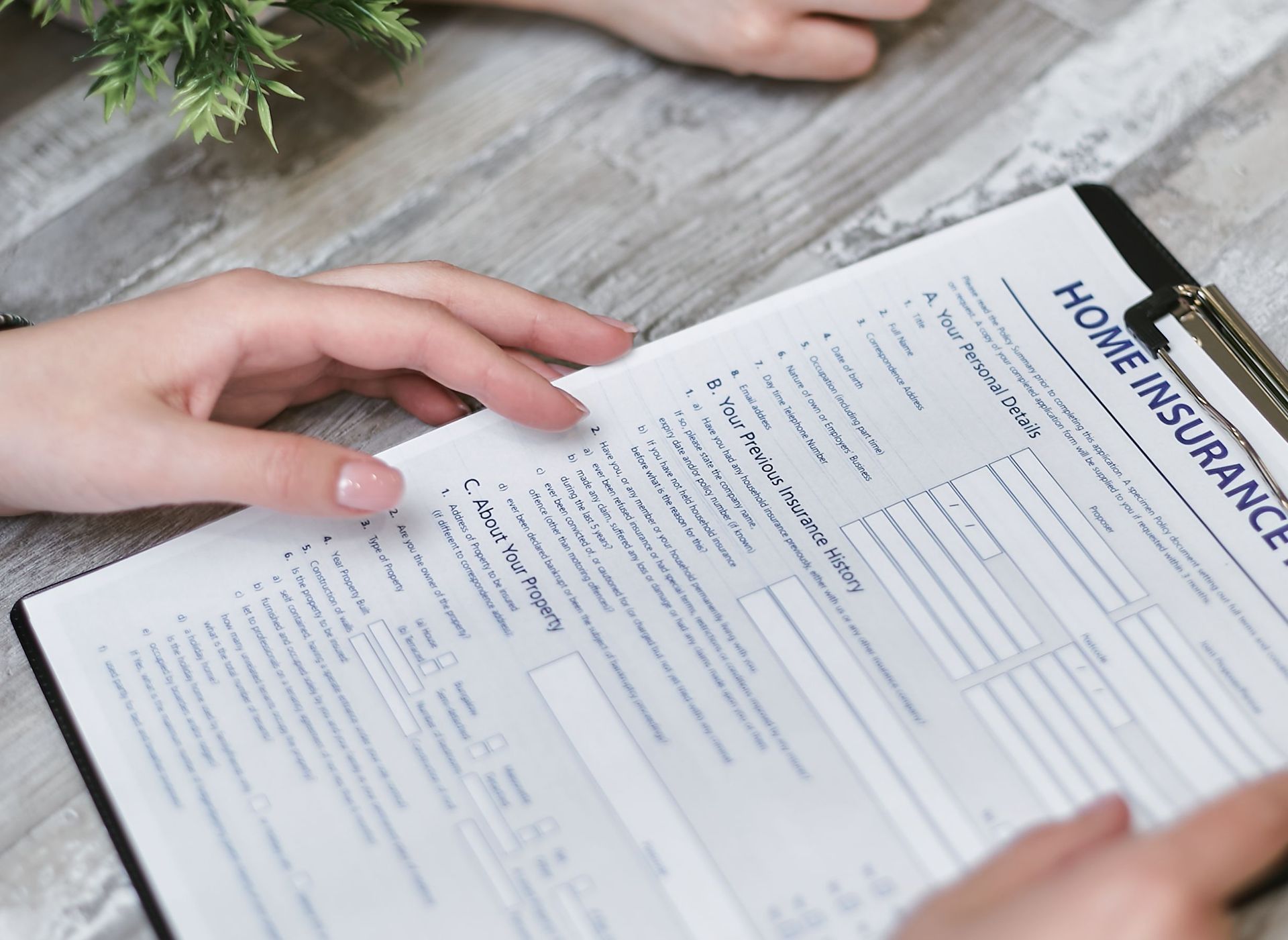
Once you apply for a Jacksonville Beach STVR Certificate, the city schedules a property inspection conducted by the Fire Marshal, by appointment only. If the inspection turns up violations, they have to be corrected and the property re-inspected before the certificate is issued — so budgeting one round of rework into your timeline isn't unusual. Missing a scheduled inspection costs a $100 no-show fee, and incomplete applications aren't accepted at all, according to the city's official STVR page.
The certificate itself isn't free or permanent. The initial and annual registration fee is $150 per property, plus a separate $79.20 annual Local Business Tax Receipt fee from Duval County. Certificates renew every year by October 1st, so this isn't a one-time project it's an ongoing compliance item for the life of the rental.
The State License You Still Need, Even With a City Certificate
A Jacksonville Beach certificate doesn't replace state licensing Florida requires it in addition, statewide, regardless of which city or county the property sits in. The Florida Department of Business and Professional Regulation's own guide to vacation rentals spells out what an inspector checks for a Vacation Rental license from the Division of Hotels and Restaurants:
- A working smoke alarm installed in every rental unit
- A fire extinguisher present, properly charged, and accessible
- At least one approved locking device on every outside and connecting door (a sliding chain or hook-and-eye doesn't qualify)
- Railings installed on all stairways and around porches and steps
- Electrical wiring in good repair
- Heating that maintains a minimum of 68°F throughout the unit
- A Certificate of Balcony Inspection on file every three years if the building is three stories or taller and the balconies or stairwells aren't shared common areas
The state application itself carries a $50 one-time processing fee on top of the per-unit license fee, and you'll also need to register separately for Duval County's Tourist Development Tax and a Florida Department of Revenue sales tax certificate before you collect your first booking both linked directly from the city's STVR page above.
The Renovation Work That Usually Surfaces Before an STVR Conversion
Most of the older homes and duplexes we're asked to convert in Fernandina Beach, Jacksonville, and the surrounding barrier islands were built as long-term family residences, not transient rentals so a handful of the state's requirements above don't come standard. The items we see fail inspection most often are missing or outdated interior locksets, stairway and porch railings that were never brought up to current code during a prior renovation, and older electrical panels that can't support a smoke alarm in every bedroom without an upgrade.
None of that is unusual, and it's exactly the kind of pre-inspection punch list our team walks through before a client ever calls the Fire Marshal. Because we hold our own general contractor's license, we can pull the permits, do the electrical and carpentry work, and get a property inspection-ready under one roof rather than a homeowner coordinating an electrician, a handyman, and a permit runner separately. If you're also considering adding a detached rental unit instead of converting your primary home, our accessory dwelling unit and Duval County ADU guides cover a second, often simpler path to rental income on the same lot and we've broken down converting an existing garage into a rentable ADU and how investors are financing that work in more detail elsewhere on our site.
One More Thing to Check: Your Homestead Exemption
If you live in the property and only rent part of it, Jacksonville Beach's rules may not apply to you at all an owner-occupied dwelling that rents 50% or less of the unit is exempt from the city's short-term vacation rental regulations, per the same official STVR page. But renting any portion of a homesteaded property can still affect your property tax exemption, so it's worth a conversation with the Duval County Property Appraiser's office before you list a spare bedroom or in-law suite, not just the city's planning department.
A Realistic Timeline for Converting a Property
Between the pre-inspection renovation work, the Fire Marshal's schedule, and the state license processing time, most of our clients budget four to eight weeks from "we're ready to apply" to "the certificate is in hand" longer if the initial inspection finds violations that need a licensed contractor to correct and a second inspection to clear. Starting the renovation conversation with a licensed contractor before you submit the STVR application, rather than after a failed inspection, is what keeps that timeline from stretching into months.
This is the kind of project where our founder's own path into this business matters: John Belizario built Sunshine State from the ground up as a subcontractor before earning his general contractor's license, and the goal on every project, rental conversion or otherwise is making sure the customer understands the process and is genuinely happy with the result, not just handed a punch list. Our in-house team of engineers, estimators, and project coordinators works the same way whether the end goal is a family kitchen remodel or a rental property ready for its first guest.
Frequently Asked Questions
Do I need a permit just to rent out my Jacksonville home short-term?
Not from the City of Jacksonville itself it has no active STVR certificate program. But you still need Florida's DBPR vacation rental license, and if the property is inside Jacksonville Beach, Atlantic Beach, Neptune Beach, or Baldwin, you need that city's own certificate too.
What happens if my property fails the Jacksonville Beach Fire Marshal inspection?
The violations have to be corrected and the property re-inspected before the city issues a certificate. There's no partial or conditional certificate in the meantime.
Is the state vacation rental license a one-time thing?
No. Both the Florida DBPR license and the Jacksonville Beach STVR Certificate must be renewed annually, the city certificate specifically by October 1st each year.
Can I just rent out one room in my house without going through all of this?
Renting four rental units or less generally falls outside the state's public lodging license requirement, per the DBPR's own guide — but check with a licensed contractor and the city's planning department before assuming your specific situation qualifies.
Thinking about converting a property into a short-term rental in Jacksonville Beach, Fernandina Beach, or anywhere in Northeast Florida? Reach out to our team for a free estimate on what your property needs to pass inspection — see what past clients say about working with us, or call (904) 517-2427.