Flooring Installation Cost in Jacksonville, FL: 2026 Guide to LVP, Tile & Hardwood
If you've started pricing out new floors for your Jacksonville home, you've probably noticed the numbers swing wildly depending on who you ask and what material you're comparing. That's because flooring installation cost isn't one number, it's a range that depends on material, square footage, subfloor condition, and, in Northeast Florida specifically, how well a product handles our humidity. This guide breaks down real 2026 cost ranges for the three materials most homeowners consider, and explains why the "best" floor for a house in Ohio isn't always the best one for a house in Jacksonville.
What Drives Flooring Installation Cost in a Jacksonville Home
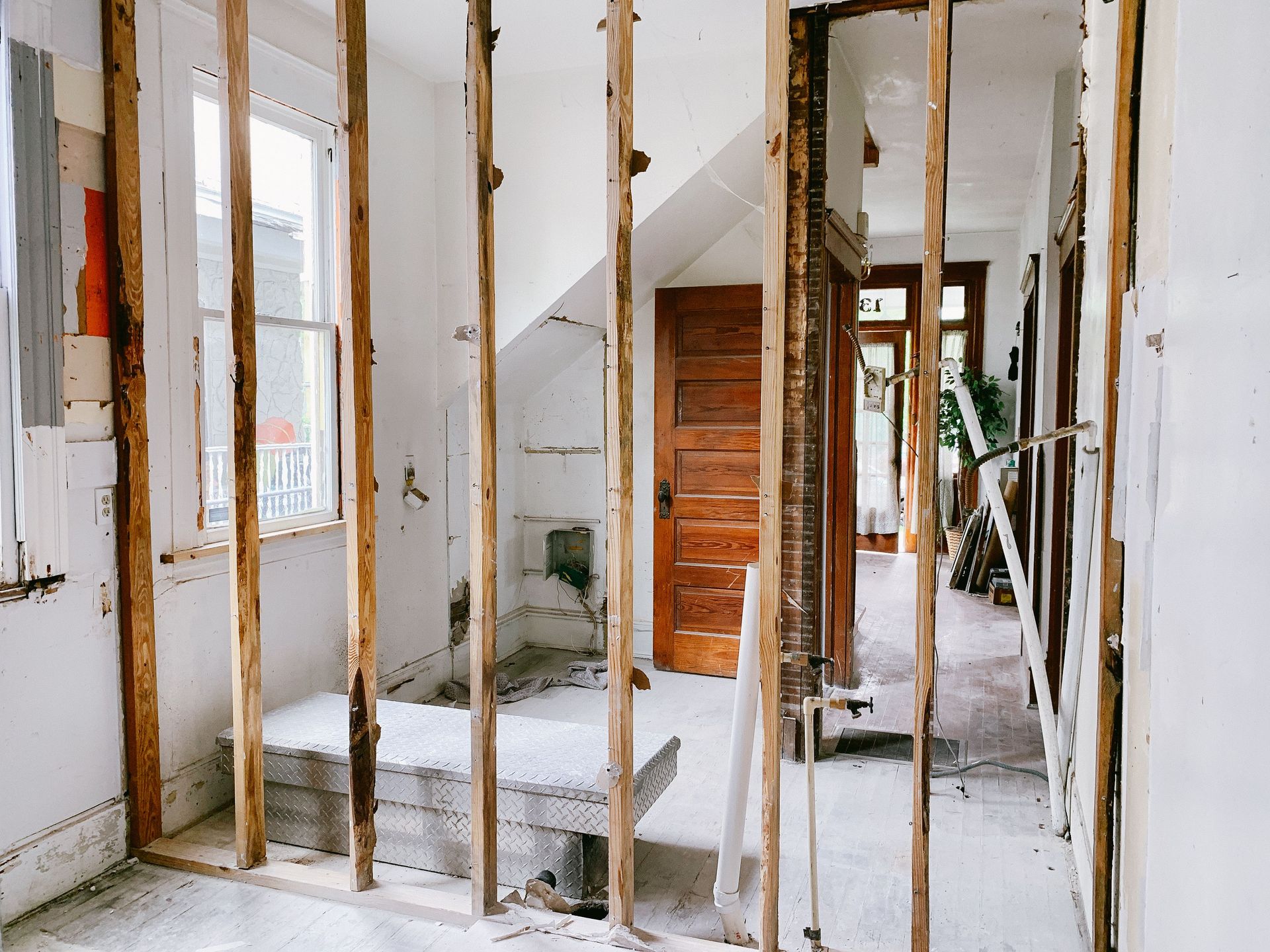
Three things move the price more than anything else: the material you choose, the condition of your existing subfloor, and how much old flooring has to come out before the new material goes down. A straightforward install over a flat, dry slab costs less per square foot than a job where a contractor has to level an uneven concrete floor, replace water-damaged plywood, or remove multiple layers of old tile and glue first.
According to Thumbtack's 2026 cost data, the national average cost to install vinyl flooring ranges from about $992 to $4,007 per project, with most homeowners paying around $1,997. That's a useful starting benchmark, but it's a national number, your actual bid in Jacksonville will depend on the specifics of your project, which is why we always start with a walkthrough and a written estimate rather than a phone quote.
Luxury Vinyl Plank (LVP): The Florida Favorite, and What It Costs
LVP has become the default recommendation for most Jacksonville homes, and the cost makes it easy to see why. Per Thumbtack, luxury vinyl plank runs about $2 to $6 per square foot installed, with vinyl plank flooring more broadly costing $2 to $7 per square foot depending on the product tier and installation method (click-lock/floating versus glue-down).
The appeal isn't just price. SPC-core (stone-plastic composite) LVP is fully waterproof at every layer, which matters in a state where AC-driven humidity swings, pool decks, and the occasional pipe leak are just part of homeownership. It also holds up well with kids, pets, and the heavy foot traffic of a full-time family home.
Porcelain Tile: Where It Still Wins
Tile costs more than LVP, but it earns its place in specific rooms. HomeGuide's 2026 data puts porcelain tile flooring installation at $15 to $50 per square foot, with materials running $3 to $20 per square foot and labor $12 to $30 per square foot, the wide range reflects tile size, pattern complexity (straight-set versus diagonal or herringbone), and whether waterproofing is required underneath.
For bathrooms, laundry rooms, and screened lanai transitions, that added cost often buys real peace of mind: porcelain is dense, scratch-resistant, and essentially immune to the moisture issues that can affect wood-look products in constantly wet areas.
Hardwood and Engineered Hardwood: The Cost of Getting the Look Right
Hardwood remains the material most homeowners want aesthetically, and it's also the one where Florida's climate matters most. Industry cost data puts engineered hardwood at roughly $9 to $20 per square foot installed, materials and labor combined, meaningfully more than LVP, largely due to the cost of the hardwood veneer and the more demanding installation process.
That cost difference is also a durability tradeoff. Both Cavalieri Flooring's Florida humidity guide and independent flooring guides for the region agree on the same core point: solid hardwood absorbs and releases moisture as humidity swings between AC-cooled winters and muggy summers, which can lead to cupping, gapping, or warping over time. Engineered hardwood, built as layered plywood with a hardwood veneer on top, is far more dimensionally stable and is what most Florida flooring specialists install for slab homes when a client wants a true wood look.
Why Florida's Humidity Should Drive Your Material Choice
This is the piece a lot of national cost guides skip entirely, because it isn't a factor in a dry climate. In Northeast Florida, humidity cycling, not standing water is the main threat to a floor's long-term performance. Flooring specialists who work in Florida specifically generally rank SPC-core LVP and porcelain tile as the most humidity-stable options, with engineered hardwood as a solid third choice for living areas and solid hardwood as the highest-risk option outside of fully climate-controlled interiors.
None of that means hardwood is off the table for your home, it means the species, the finish, and whether it's solid or engineered all deserve a real conversation before you commit, not a decision made from a showroom sample under different climate conditions than the ones your floor will actually live in.
What Can Push Your Bid Higher or Lower
A few factors move the number most in either direction: removing and disposing of existing flooring (especially multiple layers), leveling an uneven or cracked slab, moisture testing and vapor barriers where needed, and how much furniture and prep work is involved. Bundling flooring into a larger project, a kitchen remodel or a bathroom remodel, for example, can also change the math, since some prep work and disposal costs get shared across the project instead of billed separately for a standalone flooring job.
Why Homeowners Bring In a General Contractor for Flooring, Not Just a Flooring Store
A flooring-only retailer can sell you a good product, but if your subfloor needs leveling, your project touches multiple rooms, or the flooring is really one piece of a bigger renovation, a licensed general contractor coordinates all of it under one roof instead of leaving you to manage separate vendors. That's the model Sunshine State was built on: founder John Belizario started as a subcontractor in the trades before earning his general contractor license, and the company's approach still reflects that ground-level experience. As he puts it, "My goal is not just to do a good job but make sure my customer understands and is happy with the final result."
That full-service structure matters most on projects that go beyond flooring alone, a whole-home renovation, an aging-in-place renovation for a family member moving in, or a home addition where the new space needs to match the flooring throughout the rest of the house. If you're still weighing whether to renovate at all, our guide on renovating versus moving and our rundown of questions to ask before you hire a contractor are good next reads. You can also read more about Sunshine State's story and how the company approaches every project.
Frequently Asked Questions
What's the cheapest flooring option for a Jacksonville home?
Luxury vinyl plank is typically the most affordable option that still performs well in Florida's humidity, generally running $2 to $7 per square foot installed depending on the product tier.
Is LVP or tile better for Florida humidity?
Both perform well since neither absorbs moisture. SPC-core LVP tends to be the more budget-friendly, DIY-adjacent choice, while porcelain tile is denser and often preferred in bathrooms, laundry rooms, and lanai-adjacent spaces.
Can I install real hardwood flooring in a Florida home built on a slab?
You can, but engineered hardwood is almost always the better fit for slab construction and Florida's humidity swings. Solid hardwood is more prone to cupping and warping outside of tightly climate-controlled interiors. Describe the item or answer the question so that site visitors who are interested get more information. You can emphasize this text with bullets, italics or bold, and add links.
Do I need a permit to replace flooring in Jacksonville?
Ask your contractor before you start. Straightforward like for flooring swaps usually don't require a permit, but if the project involves subfloor changes, structural work, or is part of a larger remodel, it may.
How long does a whole home flooring installation take?
It depends on square footage and material, but most single-material whole-home installs take one to two weeks. Projects that combine flooring with a kitchen remodel or bathroom remodel take longer, since demolition and plumbing or electrical work happen first.
Ready to get a real number instead of a national average? Schedule a free estimate with Sunshine State Professional Services and we'll walk your home, look at your subfloor, and give you a written quote based on your project, not a guess.