Renovating in Fernandina Beach's Historic District or Along Amelia Island's Coast: What to Check First
Fernandina Beach and Amelia Island give homeowners something the rest of Northeast Florida can't: a walkable historic downtown that still looks the way it did a century ago, and miles of barrier-island coastline a short drive from that same downtown. Those two qualities are exactly why a renovation here can involve steps a typical cost-and-permit guide never mentions. If your property sits inside Fernandina Beach's Old Town, or close enough to the coast to be seaward of Florida's Coastal Construction Control Line, there's a real chance your project needs sign-off beyond the standard city building permit before a contractor can break ground.
Sunshine State Professional Services is a licensed general contractor built out of Fernandina Beach, so we run into both of these review layers regularly. Here's what they actually involve, how to tell if your property is affected, and how to plan around them instead of finding out mid-project.
Is Your Property in Fernandina Beach's Historic District?
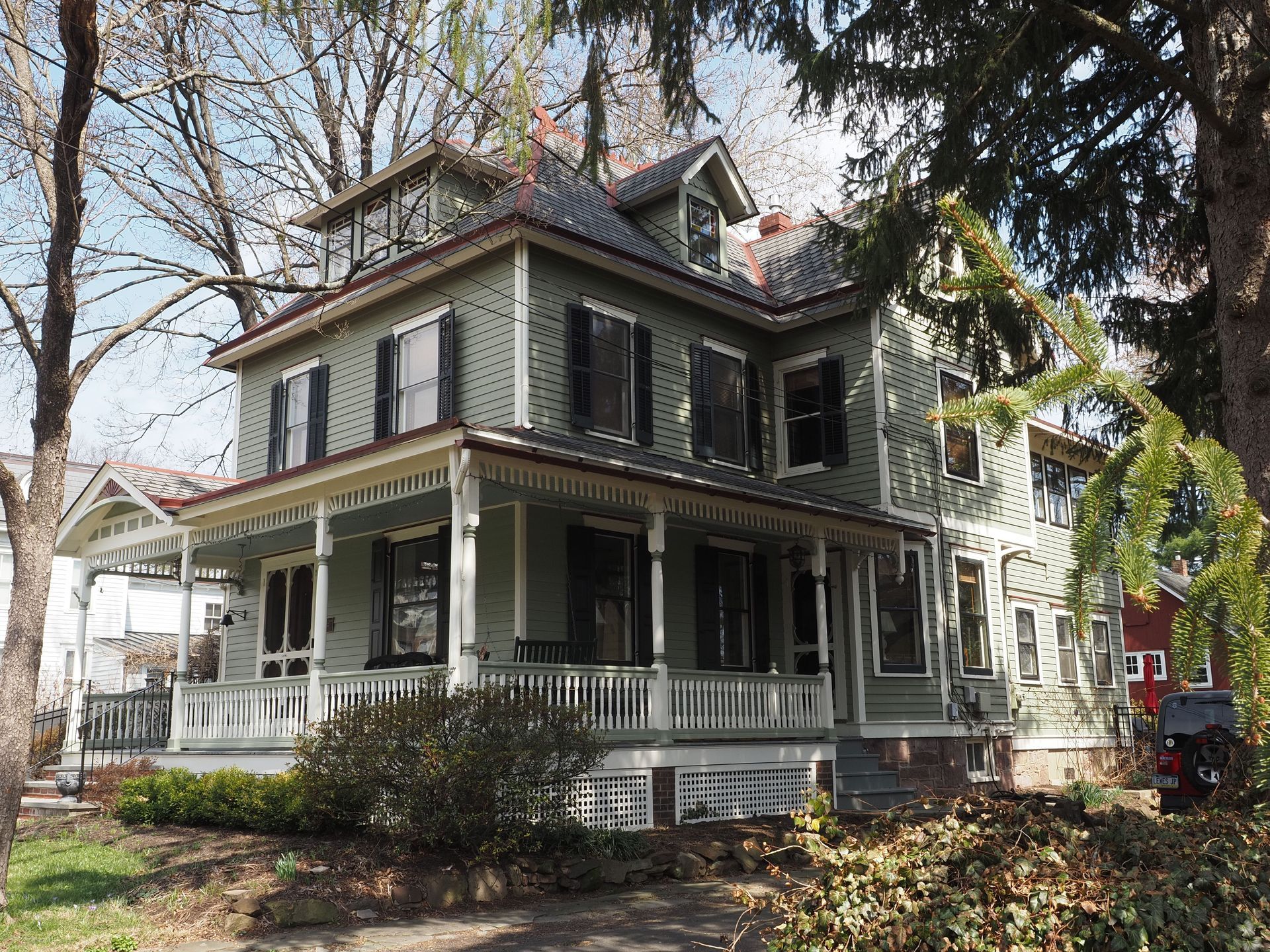
Old Town is the oldest platted section of Fernandina Beach, laid out under Spanish colonial planning principles and listed on the National Register of Historic Places. Properties inside its boundaries fall under design review by the city's Historic District Council (HDC), a citizen board that reviews proposed exterior changes against the city's adopted Old Town Preservation and Development Guidelines.
That review isn't optional for exterior work. Property owners looking to alter a building's exterior, add new construction, or change certain site features inside the historic district must obtain a Certificate of Appropriateness (COA) before that work proceeds, evaluated against the design guidelines rather than the standard building code alone.
What the Historic District Council Actually Reviews
According to a 2026 Fernandina Observer report on the city's ongoing guideline update, the HDC's review covers exterior alterations, new construction, and site features with planning staff specifically calling out materials like siding and windows, pool lighting, and "visibility corridor" rules that protect sightlines within Old Town. The city is in the middle of consolidating its 2013 guidelines with 2021 revisions into a single updated document, with resident feedback pushing for clearer alignment between what the guidelines say and how the HDC applies them in practice.
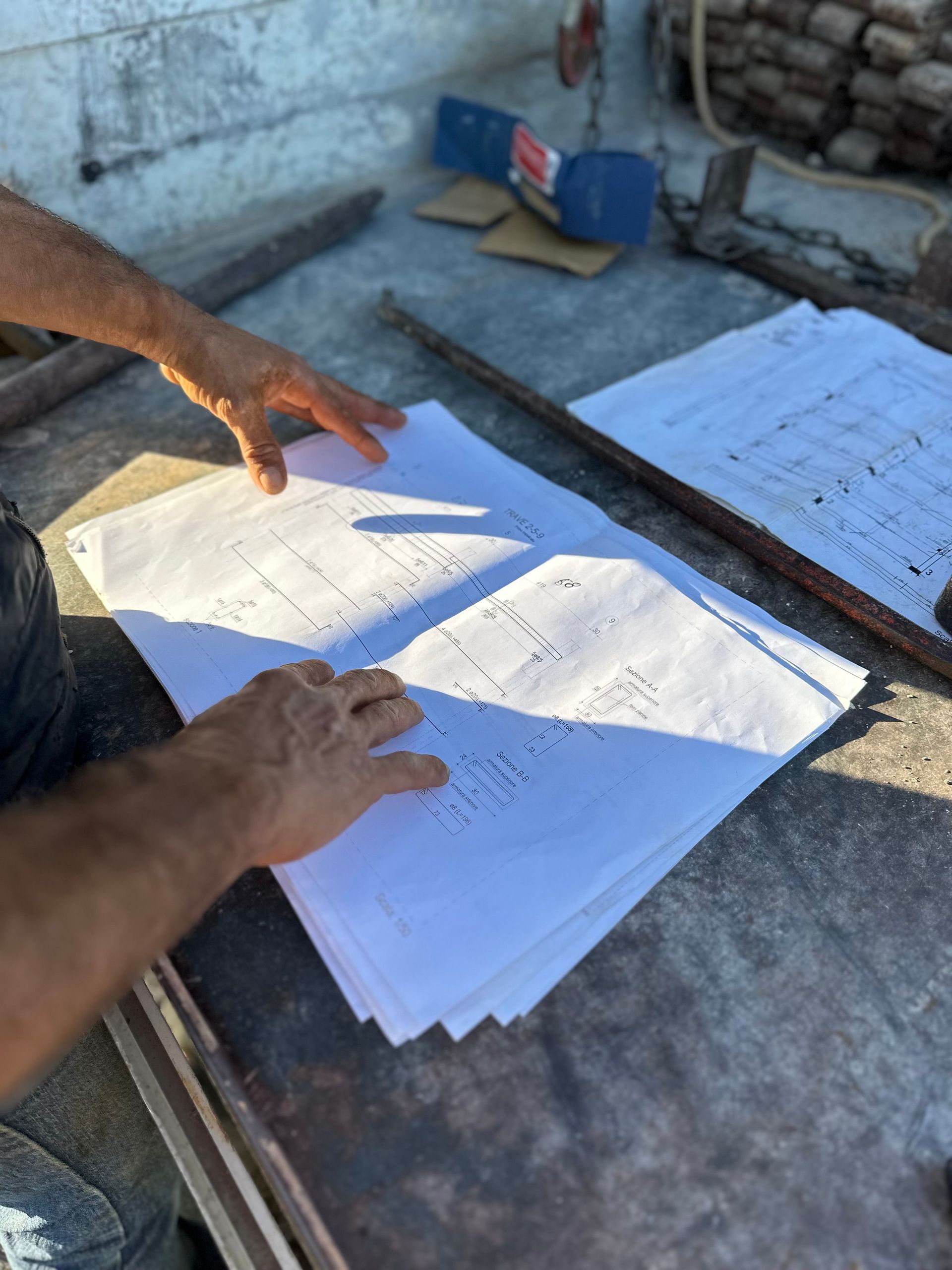
The practical takeaway: if your home is in Old Town, your renovation plan needs a Certificate of Appropriateness conversation before it needs a contractor's crew. A licensed contractor who understands local permitting can tell you early whether your project's exterior scope (a new roofline, replacement windows, an addition visible from the street) is likely to trigger HDC review, versus interior work that typically doesn't.
Is Your Property Seaward of the Coastal Construction Control Line?
Old Town sits along Fernandina Beach's harbor and river side of Amelia Island. The island's ocean-facing beaches, a few miles east, fall under a different rule entirely: Florida's Coastal Construction Control Line (CCCL), administered by the Florida Department of Environmental Protection (FDEP).
Per FDEP's own CCCL program information, the control line is established in 25 of Florida's coastal counties including Nassau County, where Fernandina Beach and Amelia Island sit and its location is based on coastal engineering models, survey and bathymetric data, and the projected damaging effects of a 100-year storm event. Construction or excavation activity seaward of that line generally requires a permit directly from FDEP, on top of any city building permit. FDEP maintains an interactive GIS tool, Map Direct, so a property owner or their contractor can check exactly where a specific parcel falls relative to the line before finalizing project plans.
When Both Rules Touch the Same Renovation
Most Amelia Island properties will fall under one of these two rules, not both a home well inside Old Town's boundary is unlikely to be seaward of the CCCL, and a beachfront lot on the Atlantic side isn't in the historic district. But because the two zones sit only a few miles apart on a barrier island, it's common for a single renovation season to bring us both kinds of projects, and for buyers relocating within the area to assume the rules that applied to their last home still apply here. They don't. Confirming which zone (if either) your specific parcel falls into is the first real step of planning a renovation in this part of Northeast Florida, well before choosing finishes or getting a cost estimate.
What Happens If You Skip These Steps
The most common way homeowners run into trouble isn't ignoring the rules on purpose it's not knowing they exist until a permit application stalls or a neighbor flags an exterior change to the city. Starting exterior work in the historic district without a Certificate of Appropriateness can mean a stop-work order while the HDC reviews the change after the fact, which is a far slower and more expensive process than getting the review done before the crew shows up. Building seaward of the Coastal Construction Control Line without FDEP sign-off carries its own risk: the permit is a state-level requirement layered on top of your city building permit, not a substitute for it, and skipping it can jeopardize both the project and, down the line, the property's insurability or resale.
None of this is meant to make either process sound more intimidating than it is. Both the Historic District Council and FDEP publish their requirements openly, and both are set up to say yes to well-planned projects. The issue is almost always sequencing design first, check second rather than the rules themselves being unreasonable.
How to Start Your Renovation the Right Way
A few steps up front save weeks of delay later:
- Confirm whether your parcel sits inside Fernandina Beach's historic district boundary, and if so, whether your planned scope is exterior (likely triggering COA review) or interior (typically handled through standard permitting).
- If your property is anywhere near the beach, check FDEP's Map Direct tool or ask your contractor to confirm whether your lot is seaward of the CCCL before you commit to a design.
- Build the review timeline into your overall project schedule rather than your city building permit timeline alone HDC and FDEP reviews run on their own calendars, separate from standard permitting.
- Loop in a contractor who has actually taken a project through both processes, not just one who's pulled a standard Jacksonville building permit. The two review paths ask for different documentation and speak to different reviewing bodies.
- If hurricane season timing matters to your project, ask about the best time of year to start construction in this part of Florida it affects scheduling around both review processes too.
Why a Full-Service, Licensed Contractor Matters Here
John Belizario, Sunshine State's founder, started as a subcontractor in Northeast Florida before earning his general contractor license and building a full in-house team of engineers, estimators, and project managers. That range matters on a layered-permit project: the same team that scopes a kitchen remodel or bathroom remodel can also walk a home addition through Old Town's design review, or coordinate a rebuild with FDEP's coastal permitting requirements after storm damage work that often overlaps with restoration services when a coastal home has taken on water or wind damage. One licensed team, one point of contact, rather than juggling separate specialists for each approval.
That full-service structure also means the person scoping your project is the same person who has to make the paperwork match the finished work which matters more in Old Town or along the coast than almost anywhere else in Northeast Florida, since both the HDC and FDEP are reviewing the actual outcome, not just the initial application. A contractor who only handles standard city permitting can get a straightforward Jacksonville remodel through the process fine, and still be caught off guard the first time a design needs to satisfy a historic-district reviewer or a state coastal engineer.
You can read more about how that approach came together in Sunshine State's story. If you're planning a project in Fernandina Beach's historic district or along Amelia Island's coast, request a free consultation and we'll help you confirm which rules actually apply before you spend money on a design that has to be reworked.
Frequently Asked Questions
Does interior renovation work require a Certificate of Appropriateness in Fernandina Beach's historic district?
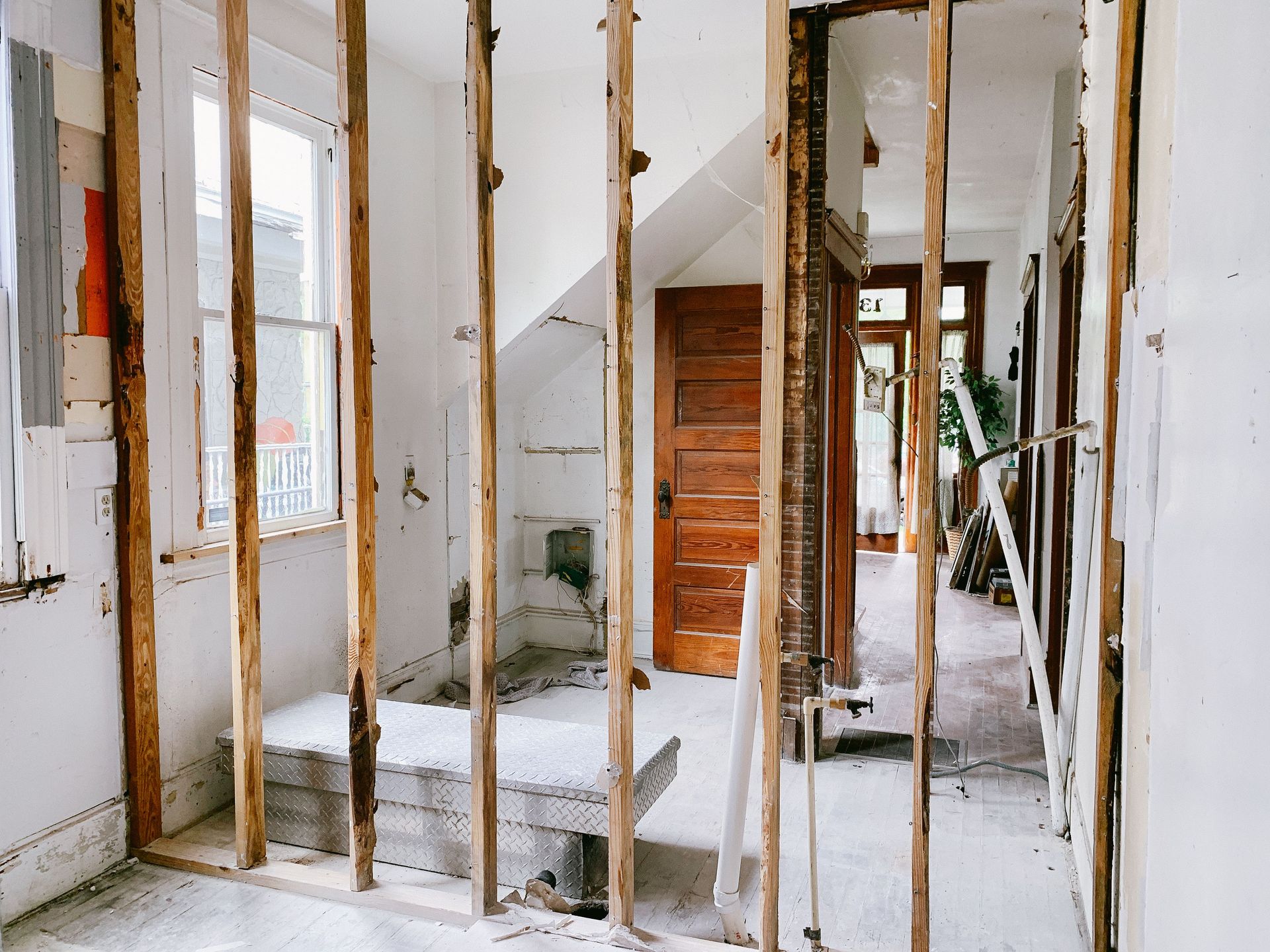
The Historic District Council's review is focused on exterior alterations, new construction, and site features not interior work. That said, project scope isn't always purely interior once permits, structural changes, or visible additions are involved, so it's worth confirming with the city or your contractor before assuming your project is exempt.
How do I find out if my property is seaward of the Coastal Construction Control Line?
FDEP's Map Direct tool is the official way to check. A local licensed contractor familiar with Nassau County coastal permitting can also help interpret the results for your specific parcel.
Can a project need both a Certificate of Appropriateness and a CCCL permit?
It's uncommon, since Old Town and the CCCL zone generally sit in different parts of the island, but it isn't impossible depending on exactly where a parcel falls. Confirming both is worth doing whenever a property is near either boundary.
Does the historic district review add significant time to a renovation?
Historic District Council review runs on its own schedule, separate from standard city permitting, so it should be planned for as an early step rather than an afterthought. Check the current meeting and review timelines directly with the city's planning staff when you're scoping your project.