4-Point Inspection in Jacksonville, FL: What It Checks & How to Pass in 2026 | Sunshine State Pro
Your homeowners insurance renewal notice arrives, and buried in the paperwork is a requirement you've never heard of: a "4-point inspection." If your Jacksonville home is more than 20 years old, this single report can decide whether your insurer renews your policy, raises your rate, or drops you outright. It has nothing to do with wind mitigation discounts, and it's not optional once your carrier asks for it.
Florida's insurance market has tightened its underwriting on older homes, and the 4-point inspection is the tool carriers use to decide what they're willing to cover. For Northeast Florida homeowners weighing a renovation, understanding what this inspection actually checks, and where your home is likely to fail, can shape which project you tackle first.
Here's what a 4-point inspection covers, what typically fails it in a Jacksonville home, and how the right renovation choices help you pass it and keep your coverage.
What Is a 4-Point Inspection, and Why Does Florida Require One?
A 4-point inspection is a condition report covering four systems in your home: the roof, electrical, plumbing, and HVAC. According to Citizens Property Insurance Corporation, Florida's state-created insurer of last resort, a four-point inspection is required "for all property owner, dwelling and mobile home applications for properties more than 20 years old." A Florida-licensed inspector documents the age, type, and condition of each system, and any serious hazard, such as exposed wiring or an active leak, is expected to be repaired before the application for coverage is submitted.
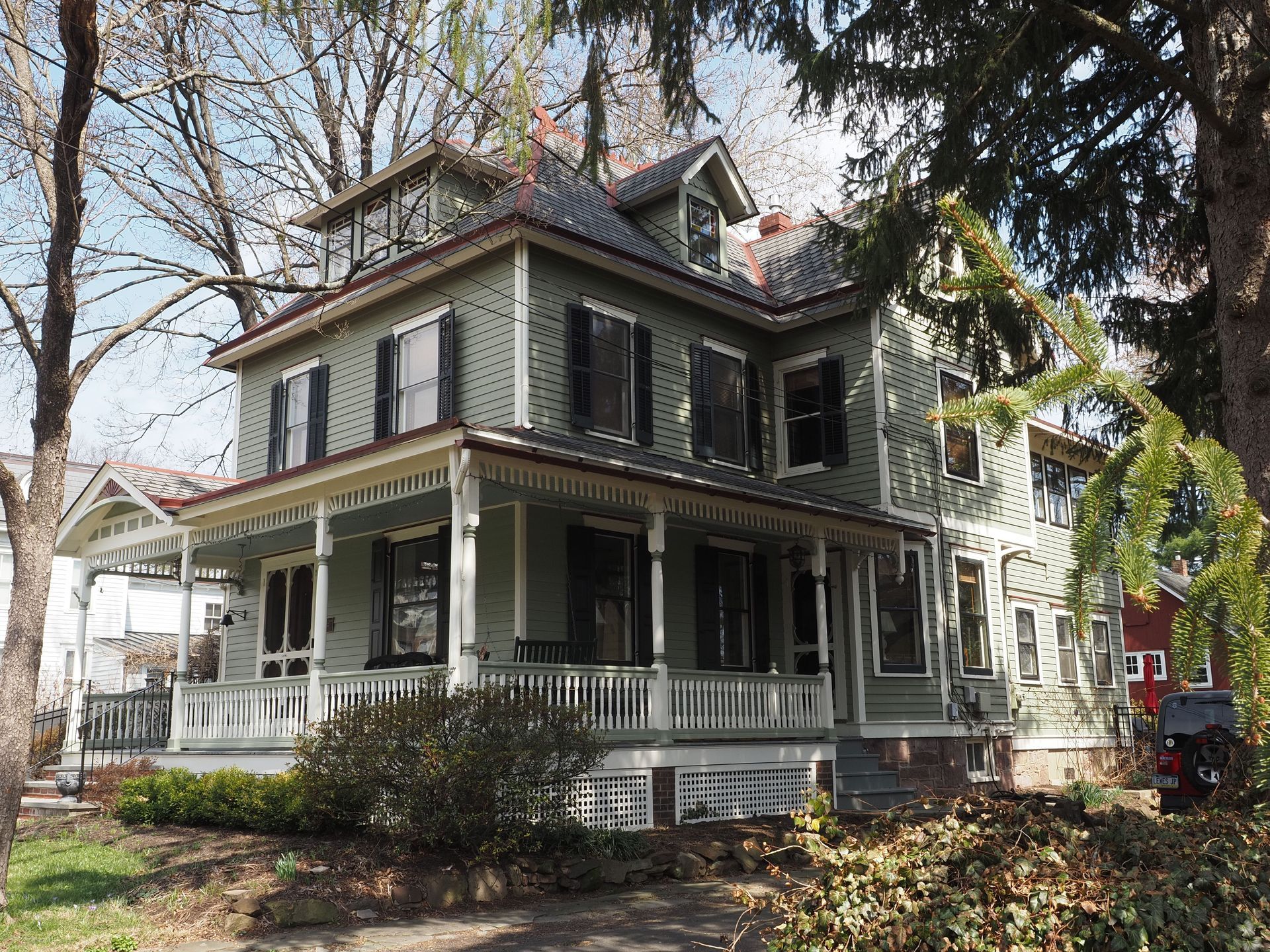
Citizens is Florida's insurer of last resort, and many private carriers apply comparable underwriting standards to older homes. If your Jacksonville home was built before the mid-2000s, and much of Riverside, Avondale, San Marco, and the older streets of Fernandina Beach and Ponte Vedra were, a 4-point inspection is realistically a matter of when, not if.
What the Four Points Actually Cover
Each of the four systems gets a specific, documented look:
- Roof. Age, material, and visible condition. Missing shingles, active leaks, or sagging decking are flagged immediately.
- Electrical. The main service panel, breakers, grounding, and wiring type. Aluminum branch wiring and certain older panel brands draw particular scrutiny.
- Plumbing. Visible leaks, the water heater's age and condition, and pipe material, including known problem materials like polybutylene.
- HVAC. Whether the system functions as intended and shows no major leaks or blocked condensate lines.
Per Citizens' published inspection standards, roofs older than 25 years (shingle or similar "soft" materials) or 50 years (tile, slate, clay, concrete, or metal) need documentation showing at least five years of remaining useful life. If a roof has less than five years left, the homeowner must show proof of a full roof replacement before a policy will be written on the property at all, not just a discount adjustment.
4-Point Inspection vs. Wind Mitigation Inspection: They're Not the Same Thing
These two inspections get confused constantly, and the mix-up costs homeowners money. A wind mitigation inspection documents storm-resistant features, like a hurricane-rated roof or impact windows, to qualify you for premium discounts. It's optional and only helps you.
A 4-point inspection is different: it's a condition assessment insurers use to decide whether to write or renew a policy at all on an older home. You can pass a wind mitigation inspection with flying colors and still fail a 4-point inspection on the same house, because they're evaluating completely different things. Many Jacksonville homeowners order both around the same time since they're assessing the same property, but treating them as interchangeable is a mistake that can leave a real risk unaddressed.
What Fails a 4-Point Inspection in an Older Jacksonville Home
In our renovation work across Duval, Nassau, and St. Johns counties, the same handful of issues come up again and again on older homes:
An outdated or undersized electrical panel , especially one with aluminum branch wiring or an older panel brand, is one of the most common flags. Insurers treat these as a fire risk, not a cosmetic issue, and many won't write a policy until it's addressed with an electrical panel upgrade.
On the plumbing side, polybutylene or galvanized pipe is a near-automatic problem. Both materials have well-documented failure histories, and many carriers will decline or non-renew coverage on a home that still has them, regardless of how the rest of the inspection looks.
A roof at or past its rated lifespan without documentation is the third recurring failure point. An aging system that's technically still running but well past its efficiency window, and an HVAC replacement may be the more cost-effective move than repeated repairs, can also draw a note on the report.
How Renovation Choices Help You Pass, and Keep Your Policy
The good news: every one of these problems is solvable, and solving it does double duty. You're not just satisfying an inspector's checklist, you're addressing the actual risk the checklist exists to catch.
A roof replacement resets the clock on your single biggest 4-point risk factor and, done to current Florida Building Code standards, can also improve your wind mitigation standing at the same time. An electrical panel upgrade removes the aluminum wiring and outdated panel flags in one project. Repiping a home still on polybutylene or galvanized lines eliminates a failure point that's only getting harder to insure around as more carriers tighten their standards. Given that Florida's insurance market is shifting, insurers are being more selective about the risk they take on, which makes a clean inspection report more valuable, not less.
If your renovation plans already include a kitchen or bathroom remodel, an addition, or a full home renovation, it's worth having your contractor flag any of these four systems while the walls are already open. Bundling a panel upgrade or repipe into a larger project is almost always cheaper than doing it as a standalone emergency fix after a 4-point report comes back with a failing note. The same logic applies if a home inspection during a purchase turns up foundation concerns; that's worth a look at what a foundation repair project typically involves before you commit to a purchase or a renewal.
Timing matters here too. A 4-point inspection is typically ordered when you're applying for new coverage, switching carriers, or when your existing insurer requests one at renewal, not on a fixed annual schedule. That means the best time to address an aging panel, old pipe material, or a roof nearing the end of its rated life is before a renewal notice forces the issue, when you can plan the project on your own timeline and budget rather than scrambling to meet an insurer's deadline.
What Happens After the Inspection
Once the inspection is complete, the report goes to your insurer, not to you as a pass/fail grade. Underwriters review it against their own guidelines, which vary by carrier even though Citizens' standards set a common baseline. A clean report supports renewal at standard terms. A report flagging a hazard, like exposed wiring or an active leak, typically triggers a required-repair notice with a set deadline before the policy is affected.
If your roof shows less than five years of remaining life, expect the insurer to require proof of replacement, not just a repair estimate, before coverage is bound. That's a hard line, not a negotiation point. Getting ahead of it with a planned roof replacement on your own timeline, rather than a reactive one on the insurer's, is almost always the better financial outcome.
Frequently Asked Questions
How much does a 4-point inspection cost in Florida?
Costs vary by inspector and home size. It's a separate line item from any renovation work, and your insurance agent can typically recommend a Florida-licensed inspector to schedule one
Who can perform a 4-point inspection?
A Florida-licensed home inspector, general contractor, or residential/building contractor can complete one. As a licensed general contractor ourselves, we're often asked by clients to flag likely 4-point issues while we're already assessing a home for a renovation.
Does a 4-point inspection affect my wind mitigation discount?
No. They're separate reports evaluating separate things. A 4-point inspection is a condition assessment tied to whether your policy is written or renewed; a wind mitigation inspection documents storm-resistant features tied to discounts. You may need both, but neither result changes the other.
What if my home fails the inspection?
Your insurer will typically issue a required-repair notice with a deadline. Depending on what failed, that might mean an electrical panel upgrade, a repipe, or, for a roof with limited remaining life, a full replacement before the policy is bound.
If a 4-point inspection has flagged your roof, panel, or plumbing, or if you'd rather get ahead of one before your next renewal, Sunshine State Professional Services is a licensed, family-run general contractor serving Jacksonville, Fernandina Beach, Ponte Vedra, St. Augustine, and the rest of Northeast Florida. We handle everything from a single system replacement to a full home addition or ADU project under one roof, with our own team of engineers, estimators, and project managers. Call (904) 517-2427 for a free consultation.