Punch List & Final Walkthrough Checklist: What to Verify Before You Pay Your Jacksonville Contractor in Full
Your renovation is "done." The cabinets are hung, the paint is dry, and your contractor is asking for the final check. Before you sign anything, there's one step that protects your money and your finished project more than any other: the punch list and final walkthrough. Skip it, and small defects a misaligned door, a leaking fixture, a paint touch-up that was never finished become your problem the day after final payment clears.
This guide walks Jacksonville-area homeowners through what a punch list actually is, when it happens, what to check room by room, and how much to hold back until every item is resolved. It's written for anyone closing out a remodel, home addition, or ADU build in Northeast Florida and it's grounded in how Sunshine State Professional Services runs closeout on its own projects.
What a Punch List Actually Is (and Why It Protects You)
A punch list is a document that lists the final work items remaining before a construction project is considered complete. It captures anything that doesn't yet meet the specifications in your contract and by definition, those items must be resolved before the contractor is entitled to final payment, according to Procore's construction closeout guide.
The term dates back to a physical habit on job sites: as each item got fixed, it was literally "punched" off the list with a hole punch. The paper is gone, but the idea hasn't changed. According to Punchlist's guide to the process, a punch list matters for three concrete reasons: it catches small defects before they become expensive rework, it protects your relationship with your contractor by giving both sides a shared, written record, and it's the mechanism that determines whether you actually got what you paid for.
For a Jacksonville ADU, a home addition, or a full remodel, skipping this step doesn't just risk cosmetic issues. In Northeast Florida's climate, an unsealed penetration or a missed flashing detail can turn into a moisture problem within a season which is exactly the kind of defect a proper walkthrough is designed to catch while the crew is still on-site and contractually obligated to fix it.
When the Punch List Happens: From Substantial Completion to Final Walkthrough
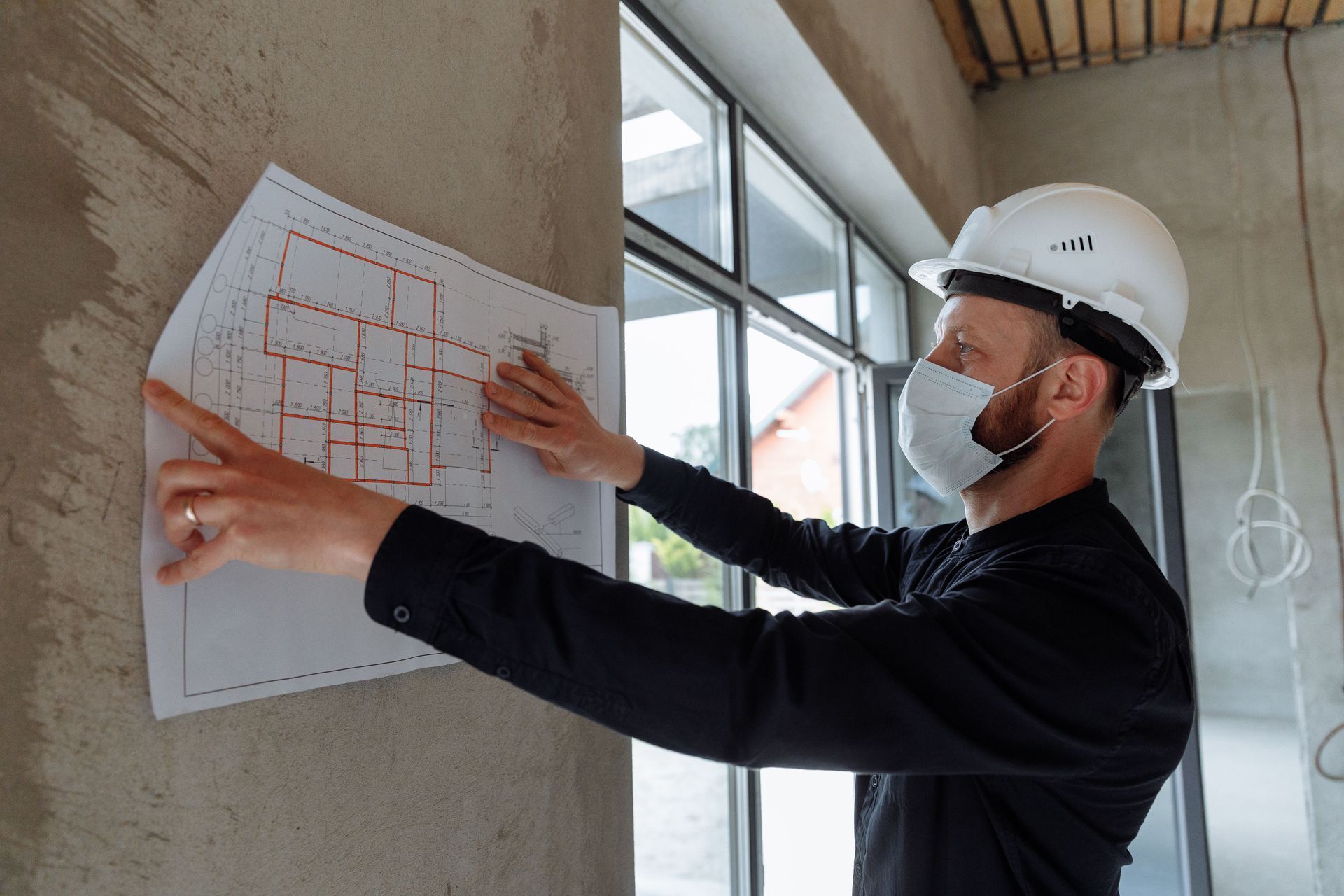
The punch list shows up near the end of the project, once the work is at what the industry calls "substantial completion" the point where the project is functionally usable but minor items remain. At that stage, the contractor can request a walkthrough. Per Procore, the general contractor typically walks the site with the homeowner first to identify anything incomplete or non-conforming, and that becomes the initial list.
If an architect is involved, they'll often do their own pass afterward to confirm the work matches the design intent before signing off on final payment. For most residential Jacksonville projects kitchen and bath remodels, additions, ADU builds it's a two-party process: you and your general contractor, walking the property together with a written list in hand.
One detail worth knowing before you get there: a smart walkthrough starts with a preliminary internal review by the contractor before the homeowner ever walks through. A shorter list at the official walkthrough is a sign of a contractor who caught their own mistakes first, rather than leaving them for you to find.
The Room-by-Room Walkthrough: What to Check on a Jacksonville Renovation, Addition, or ADU
A punch list should be specific to your project, but the categories are consistent across most residential jobs. Based on the standard categories used industry-wide, here's what to bring a flashlight and a notepad for:
Structural and finish work: Walls, ceilings, and floors checked for cracks or dents; doors and windows opening, closing, and locking correctly; trim and baseboards free of gaps; paint free of streaks or missed spots; flooring installed without damage or lippage.
Electrical: Every light fixture and outlet tested; switches wired to the correct fixture; smoke and CO detectors installed and functioning a safety check no closeout should skip; exterior lighting operational.
Plumbing: Faucets and fixtures run for leaks; toilets and sinks properly sealed; actual water pressure tested at every fixture, not just visually inspected; drains checked for slow flow.
HVAC: System running and holding temperature; vents unobstructed; thermostat calibrated correctly. In Northeast Florida's humidity, this one matters more than it does elsewhere an HVAC system that isn't dehumidifying properly is how mold problems start. If you're unsure what to look for, our guide on preventing mold growth after water damage covers the early warning signs.
Exterior: Roofing free of missing shingles or visible damage; gutters and downspouts securely attached and draining away from the foundation; siding, stucco, or brickwork properly sealed. If your project wrapped up heading into hurricane season, cross-reference our hurricane season home prep checklist several of those items overlap directly with punch list exterior checks.
Safety and compliance: Handrails and guardrails secure; egress doors and any required emergency lighting functional; the work compliant with the permit that was pulled for it. This is also the moment to confirm your final inspection and Certificate of Occupancy or completion are in hand — not promised, in hand. Our guide to ADU permitting in Jacksonville walks through what that documentation should look like.
Cleanup: Construction debris fully removed; surfaces cleaned; and easy to forget warranty documentation and appliance manuals handed over before the crew leaves for good.
Who's Responsible for What During Closeout
On most residential projects, your general contractor owns the punch list end to end. They compile it, assign items to the subcontractors responsible for each trade, and are on the hook for making sure everything gets resolved before they ask you to sign off. Subcontractors carry out the actual fixes plumbers back to fix a leak, electricians back to correct a miswired switch. You, as the homeowner, review and approve each completed item.
That's the theory. In practice, this is where the gap between contractors shows up. A GC managing a loose network of subs they've never worked with before will be slower to get people back on-site for punch work and slower closeout means your final payment, and your move-in date, sit in limbo longer. It's worth asking this directly during hiring, before you're the one waiting: our guide to vetting a Jacksonville general contractor covers exactly what to ask about in-house crews versus loosely coordinated subs, and why it matters for exactly this stage of the project.
Retainage: What to Hold Back Until the Punch List Is Clear
Retainage is the portion of the contract price withheld specifically to make sure the punch list gets finished it's only released once every item is resolved and signed off, per Procore's closeout guide. It's the single biggest point of leverage a homeowner has at the end of a project, and it's the reason the payment schedule you agree to at the start matters as much as the price itself.
As we've laid out in our own guide to hiring a Jacksonville contractor, a milestone-based payment schedule with roughly 10% held back until a completed final walkthrough is the standard, reasonable structure for a residential remodel, addition, or ADU build in this market. Paying the full amount before that walkthrough happens removes your only real leverage to get punch items fixed once a contractor is paid in full, "I'll get to it" can turn into a project that never quite gets finished.
If your project involved a Notice of Commencement required for most permitted work over the state's threshold understand how that filing interacts with final payment and lien rights before you release retainage. Our guide to Florida's 2026 permit exemption law, HB 803, also covers which smaller projects skip this formal process entirely.
How Sunshine State Handles Closeout
John Belizario, who founded Sunshine State Professional Services after immigrating from Brazil and working his way up from subcontractor to licensed Florida CGC, built the company's closeout process around a standard he states plainly: "My goal is not just to do a good job but make sure my customer understands and is happy with the final result." That's not a tagline it's the reason the walkthrough happens before the final invoice, not after.
Sunshine State's in-house team of engineers, estimators, project coordinators, and project managers means the same people who scoped your kitchen remodel, addition, or ADU are the ones accountable for closing it out not a rotating cast of subcontractors nobody on your project has worked with before. That continuity is what shortens the gap between "substantially complete" and "actually done."
If you're heading into your own final walkthrough and want a second opinion on what you're seeing or you're still early enough in planning to build a clean closeout process into your contract from day one reach out to Sunshine State for a free consultation. It's easier to build the process in up front than to fix a rushed closeout after the fact.
Punch List and Final Walkthrough FAQ
What's the difference between a punch list and a checklist?
A checklist guides work throughout the project to prevent defects before they happen. A punch list is specific to closeout it documents defects and incomplete items found during the final walkthrough that must be corrected before the project is considered finished and final payment is released.
How much should I hold back until the punch list is done?
For a typical Jacksonville-area remodel, addition, or ADU build, roughly 10% of the total contract price held back until a completed final walkthrough is standard practice, as outlined in our guide to hiring a general contractor in Jacksonville.
Who pays for punch list items?
The contractor. Punch list items are corrections to work that was already contracted and paid for as part of the project scope not additional billable work, unless you're requesting something outside the original contract.
What if my contractor wants full payment before the walkthrough?
Treat it as a red flag. A contractor asking for 100% payment before a final walkthrough is asking you to give up your only real leverage to get remaining defects fixed.
Can I do the walkthrough myself, or should I bring someone?
You can do it yourself with a room-by-room checklist, but for a larger project a full ADU build or major addition it's worth having your project manager or GC walk it with you so items get logged and assigned on the spot, rather than relayed secondhand afterward.