Florida's Flood Disclosure Law: What It Means for Jacksonville Renovation Projects | Sunshine State Pro
Northeast Florida homeowners already think about flooding more than most: king tides on Amelia Island, summer downpours that pond in low-lying Jacksonville neighborhoods, and the occasional tropical system barreling up the coast. What changed in 2025 is that the state now requires a specific, standalone disclosure about that flood history on nearly every residential sale in Florida and the obligation attaches the moment you buy a home, not just the moment you decide to sell it. If you're renovating a home in Fernandina Beach, Jacksonville, or anywhere in Northeast Florida, that shift changes what "getting the paperwork right" means during the project itself, not just at closing.
What Florida's Flood Disclosure Law Actually Requires
Florida Statute §689.302 has required a written flood disclosure from residential sellers since October 1, 2024. Effective October 1, 2025, Senate Bill 948 (Chapter 2025-166, Laws of Florida) expanded that framework, adding parallel disclosure duties for residential landlords under §83.512, along with condo and cooperative developers and mobile home park owners. For a homeowner selling a single-family house, the core requirement is unchanged in structure but broader in substance: a standalone Flood Disclosure form, separate from the sales contract, delivered at or before the contract is signed.
The form itself, spelled out in the statute, requires the seller to state whether they have knowledge of flooding that damaged the property during their ownership, and whether they filed an insurance claim or received federal disaster assistance for flood damage. The law defines "flooding" broadly: the overflow of inland or tidal waters, the unusual and rapid accumulation of runoff from a river, stream, or drainage ditch, and even sustained standing water from rainfall all qualify. The statute also states plainly, in the disclosure language itself, that a standard homeowners' policy does not cover flood damage a fact plenty of Jacksonville homeowners only learn after a storm.
The law has teeth. If a seller fails to disclose known flood risk, prior flood damage, or an insurance claim tied to the property, the buyer can pursue a claim for monetary damages, seek rescission of the contract, or in some cases pursue punitive damages. That liability doesn't just fall on the homeowner agents and brokers involved in the transaction can face exposure too if the required disclosure never reaches the buyer. For a homeowner who renovated years earlier and kept no records of what was repaired or why, that's a difficult position to be in during a sale that's supposed to be routine.
Why This Matters Even If You're Not Selling Yet
A lot of the homeowners we work with aren't renovating to sell. With interest rates keeping many Jacksonville families from trading up to a new house, adding space, updating a kitchen, or finishing a long-overdue repair on the home they already own has become the more practical move. It's tempting to assume a disclosure law aimed at sellers doesn't apply to that kind of project. But the obligation is tied to the property, and it covers your entire period of ownership not just the year you list it. Whatever happens during a renovation today, documented or not, becomes part of the record you'll eventually have to answer for.
That's a real consideration when you're weighing which renovations actually add resale value in this market. A beautifully finished kitchen doesn't help a future sale if the buyer's attorney later flags an undocumented flood repair underneath it.
How Undocumented Repairs Create Disclosure Risk
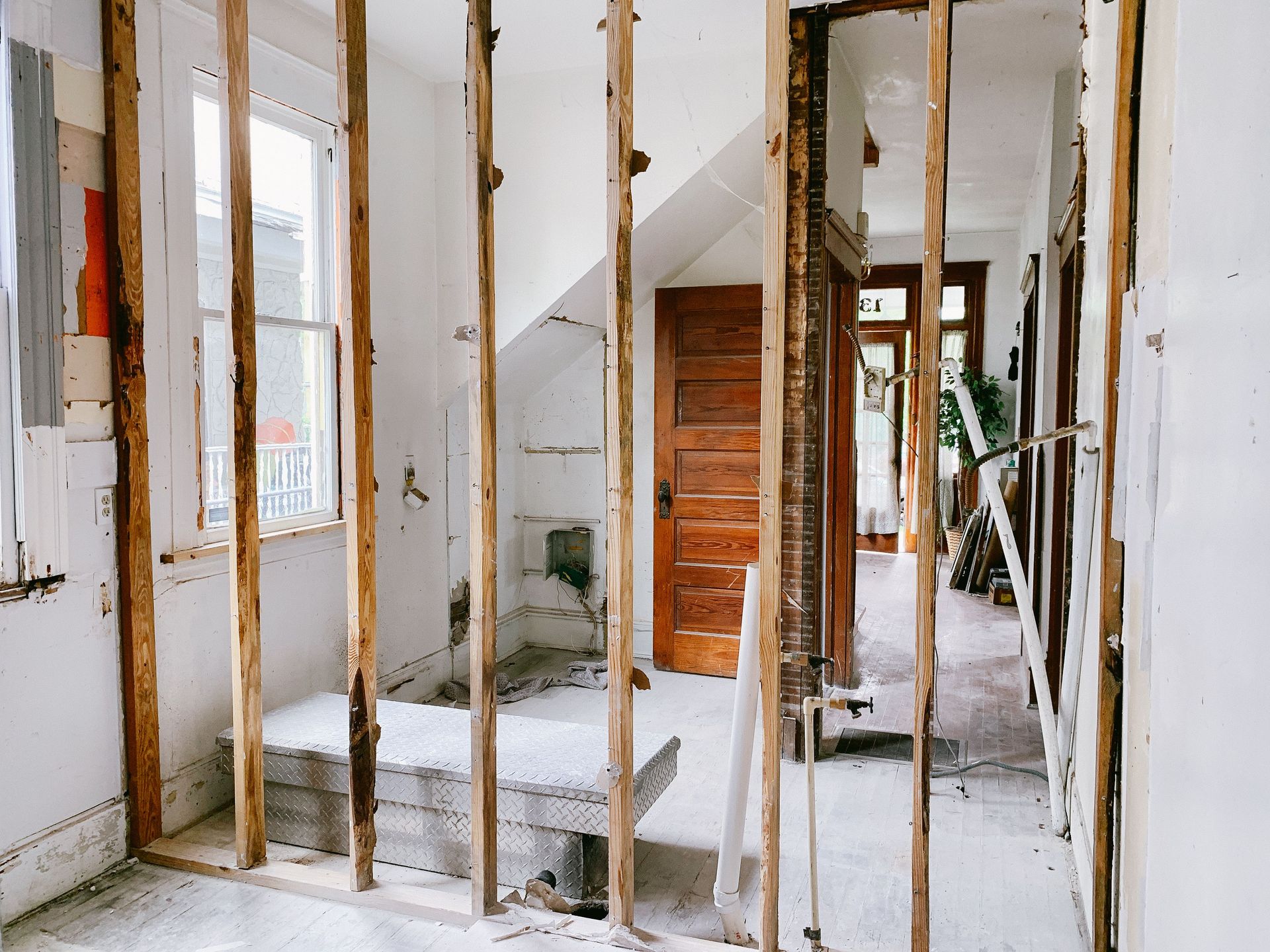
Here's the practical problem the new law creates for renovation projects specifically. If a home had flood damage at some point — storm surge, a stopped-up drainage ditch, standing water after heavy rain and the repair was handled informally, without a permit or a paper trail, the homeowner is left trying to answer a legal disclosure question from memory years later. Florida's disclosure form asks directly whether you have knowledge of flooding damage and whether a claim was filed. Vague or incomplete answers, given in good faith but without records to back them up, are exactly the kind of thing that invites a dispute after closing.
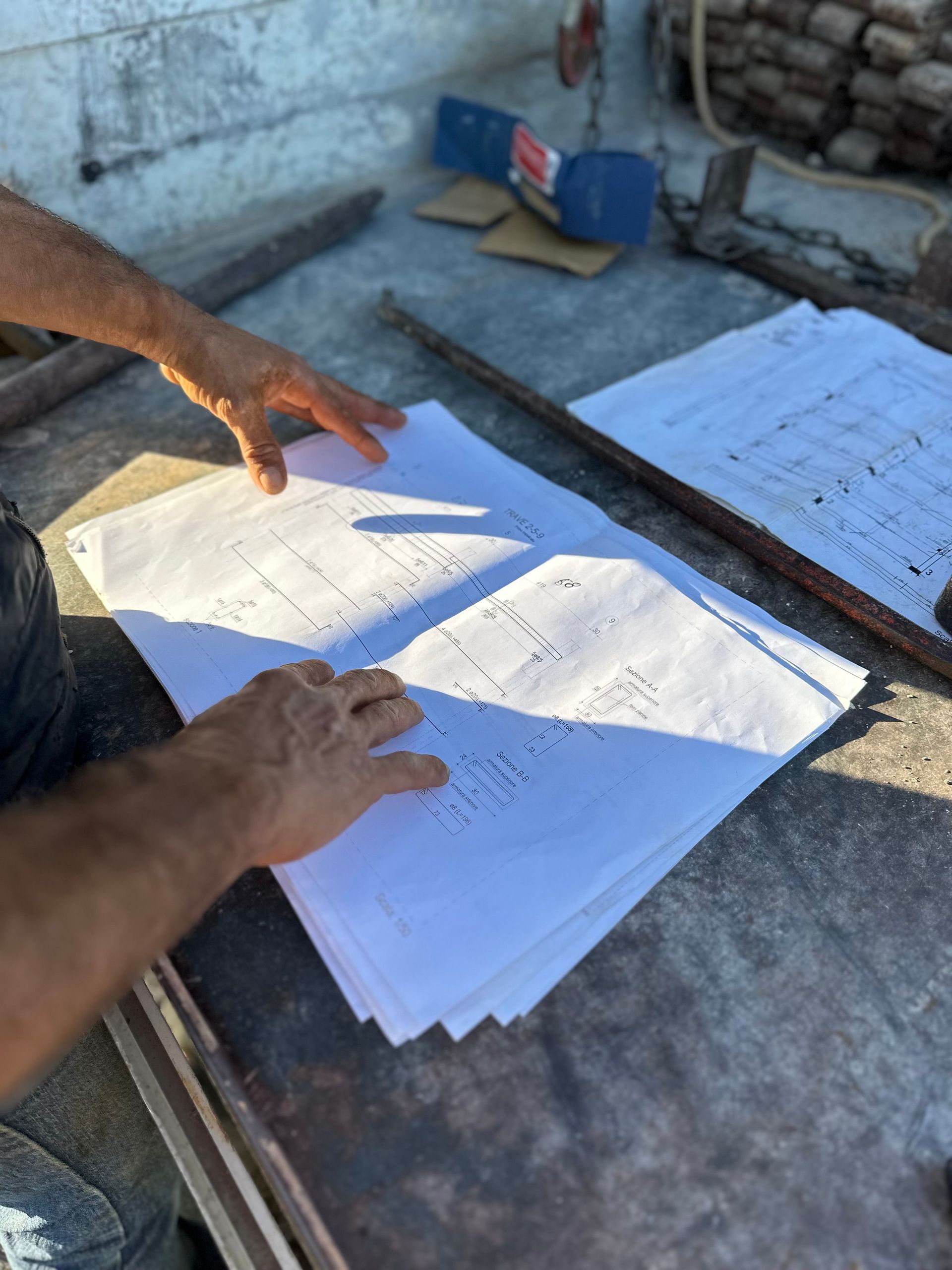
The safer position is a clean paper trail built at the time of the work: a permit pulled for the repair, a licensed contractor's scope of work on file, and insurance claim records kept even after the job is finished. This is also where Florida's recent permitting law changes intersect with the disclosure requirement permitted work creates the exact documentation a truthful disclosure depends on. Before hiring anyone for storm-related repair work, it's worth reviewing what to verify before you sign a contract, since an unlicensed repair is the single most common source of undocumented flood work we see.
What To Do Before You Renovate, Sell, or Both
If you're planning renovation work on a Northeast Florida home this year, a few habits will keep you on solid ground when a disclosure form eventually lands on your desk. None of these require you to hire a lawyer or slow down a project they're the same habits a licensed, organized contractor should already be building into the job, but they're worth confirming for yourself before work starts rather than assuming someone else is keeping track:
- Pull a permit for any flood-related repair — no exceptions, even for repairs that feel minor. A permit record is the clearest evidence of what was done and when.
- Keep insurance claim records after the repair is finished , not just while the claim is active. You'll need to reference them by exact date and outcome on the disclosure form.
- Get a wind mitigation inspection after major exterior work. It documents your home's current condition and can lower your insurance costs at the same time — our guide to wind mitigation inspections and insurance savings walks through how that works.
- Review your flood zone designation before starting a major addition, since work in a high-risk zone can trigger separate elevation and permitting requirements beyond the disclosure law itself.
- Build your storm-season checklist around documentation , not just prep. Our hurricane season home prep checklist covers what to have on file before the next named storm reaches Northeast Florida.
How Sunshine State Approaches Documentation on Every Project
John Belizario, who founded Sunshine State Professional Services after immigrating from Brazil and working his way up from subcontractor to licensed general contractor, built the company around exactly this kind of accountability. "My goal is not just to do a good job but make sure my customer understands and is happy with the final result," is how he puts it and part of that understanding is knowing the paperwork behind the work is solid, not just the finished product.
That's the reason Sunshine State operates with a full in-house team engineers, estimators, project coordinators, and project managers rather than handing a homeowner off between disconnected subcontractors. Every project, whether it's a full kitchen remodel or a ground-up home addition, moves through the same licensed general contracting process, with permits pulled and documentation kept, so the homeowner isn't the one left reconstructing the record years later when a flood disclosure form is due.
John started as a subcontractor himself before earning his general contractor license, which shapes how the company treats paperwork: not as a formality imposed from outside, but as part of doing the job right. Sunshine State works across Northeast Florida Jacksonville, Fernandina Beach, and Palm Coast among them — with homeowners who fall into two groups more often than not: those planning a custom build from the ground up, and those who've decided, in a market where buying a new home is harder to justify, to invest in the home they already have instead. Both groups benefit from the same thing: a contractor who treats documentation as part of the finished product, not an afterthought once the drywall goes up.
Frequently Asked Questions
Does the flood disclosure law apply if I'm not planning to sell anytime soon?
The disclosure itself is only required at the time of sale, but it covers your full period of ownership. Anything that happens to the property now, including a renovation, becomes part of what you'll eventually need to accurately disclose.
What actually counts as "flooding" under Florida law?
Florida Statute §689.302 defines it broadly: overflow of inland or tidal waters, unusual and rapid accumulation of runoff from a river, stream, or drainage ditch, and sustained standing water from rainfall all qualify not just a named storm or a federally declared disaster.
Do I have to disclose flood damage I repaired myself, without filing an insurance claim?
The disclosure form asks two separate questions: whether you have knowledge of flooding that damaged the property, and whether you filed an insurance claim. Not filing a claim doesn't remove the obligation to disclose the damage itself if you knew about it.
Does my homeowners insurance cover flood damage?
No. Florida's flood disclosure form states this directly: standard homeowners' policies exclude flood damage, which is why separate flood insurance, typically through the National Flood Insurance Program or a private carrier, is a distinct decision homeowners need to make.
If you're planning a renovation on a Northeast Florida home this year, getting the permitting and documentation right from day one is the simplest way to avoid a disclosure headache down the road. Sunshine State Professional Services handles that as part of every project, not as an afterthought.