Sunroom vs. Screened Lanai vs. Florida Room: Which Fits Your Jacksonville Home?
Northeast Florida homeowners ask us some version of this question almost every week: should we screen it in, glass it in, or just pour a patio and call it done? A sunroom, a screened lanai, and a Florida room all add outdoor living space to a Jacksonville home, but they are not interchangeable, and picking the wrong one for your climate, your budget, or your permit situation gets expensive fast. As a licensed general contractor who has built all three across Duval, St. Johns, and Nassau counties, we get asked to referee this decision constantly.
This guide breaks down what each structure actually is, how it holds up against Northeast Florida's humidity and hurricane season, what the City of Jacksonville requires before you can build one, and which option tends to make sense for which kind of homeowner. No fluff, no generic national advice; just what applies here.
What's the Difference: Sunroom, Screened Lanai & Florida Room, Defined
These three terms get used loosely, even by contractors, so it is worth being precise before you start pricing anything out.
- Screened lanai: A covered, screened-in structure, typically built over an existing patio or pool deck. It keeps out mosquitoes and debris but stays open to outside air and temperature. No climate control.
- Florida room / sunroom: These two terms are effectively synonymous in this market. Both describe a fully enclosed space with glass windows or walls, built on an existing slab or lanai footprint, that can be tied into the home's HVAC and treated as genuine conditioned square footage.
- Open patio: Not enclosed at all; just a slab, often the starting point before a homeowner decides to screen or glass it in later.
All three can start from the same concrete pad. The difference is what gets built on top of it, and that decision drives almost everything else in this article, including your addition budget.
Comfort in Northeast Florida's Humidity: Which One You'll Actually Use Year-Round
This is where the decision usually gets made, because Jacksonville's climate is not gentle on an open-air space for half the year. According to the Florida Climate Center at Florida State University, Jacksonville's average relative humidity climbs to 91% in the morning and stays around 61% in the afternoon during August, the peak of our muggy season, based on long-term National Centers for Environmental Information data. A screened lanai does nothing to change that; it filters bugs, not moisture or heat.
A glass-enclosed screened lanai upgraded to a Florida room, by contrast, can be tied into central air and dehumidified along with the rest of the house. That is the single biggest functional difference between the two options: a screened lanai is a three-season space here at best, while a properly conditioned Florida room is usable on a 95-degree August afternoon or a damp January morning with equal comfort.
If your household actually wants to use the space daily, for a home office, a reading room, or year-round entertaining, that comfort gap matters more than the price difference. If it is mainly for cookouts, pool days, and evening breezes, a screened lanai does the job for less money.
Hurricane and Wind-Load Requirements Jacksonville Homeowners Need to Know
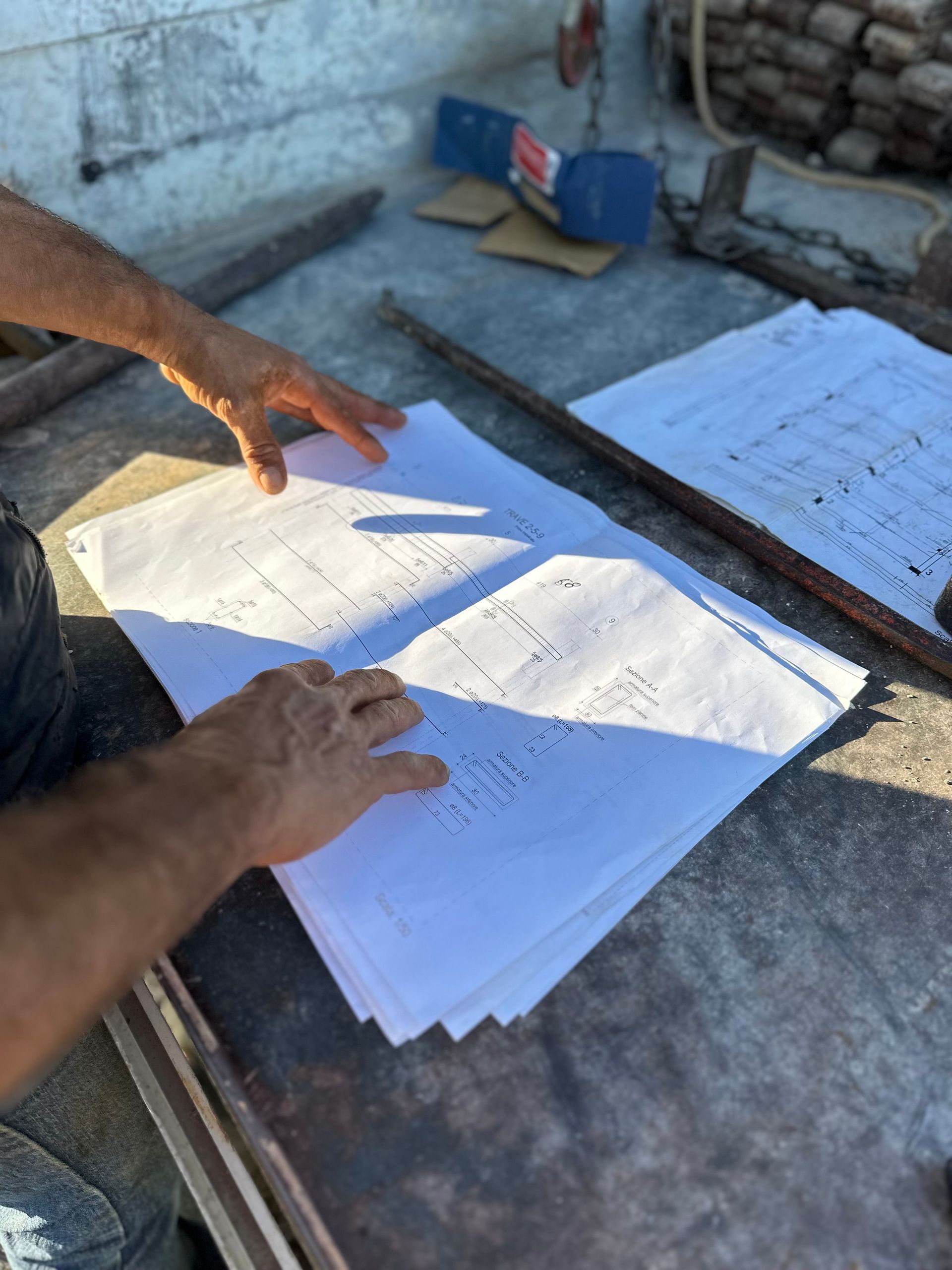
Any enclosure you build here also has to survive hurricane season, and the code reflects that. The Florida Building Code's 8th Edition (2023) adopted the ASCE 7-22 wind load standard statewide, which governs how much wind force any new structure, including a screen enclosure or sunroom, must be engineered to withstand in our region. That is not a suggestion; the City of Jacksonville's own permitting process builds it in directly. Per the city's Building Inspection Division, the architectural plan review step for any new structure explicitly confirms "all hurricane wind force requirements are met" before a permit is issued.
In practice, this means a screened lanai and a glass sunroom are engineered differently. Glass Florida rooms typically use impact-rated glazing similar to what we install on impact windows elsewhere on the house, while lanai screens rely on the aluminum frame and anchoring system meeting wind-load specs on their own. Either way, if a contractor tells you an enclosure in Duval County doesn't need engineered wind calculations, that is a red flag worth walking away from. It can also affect your homeowners insurance; we cover that in our wind mitigation guide.
Permits: What the City of Jacksonville Actually Requires
Here is where a lot of DIY plans go sideways. According to the City of Jacksonville Building Inspection Division, a bare patio slab is one of the few structures exempt from permitting. The moment you add a roof, screen, or glass enclosure attached to that slab, you are no longer exempt; Section 105.1 of the Florida Building Code requires a permit for any structure that is constructed, enlarged, or altered.
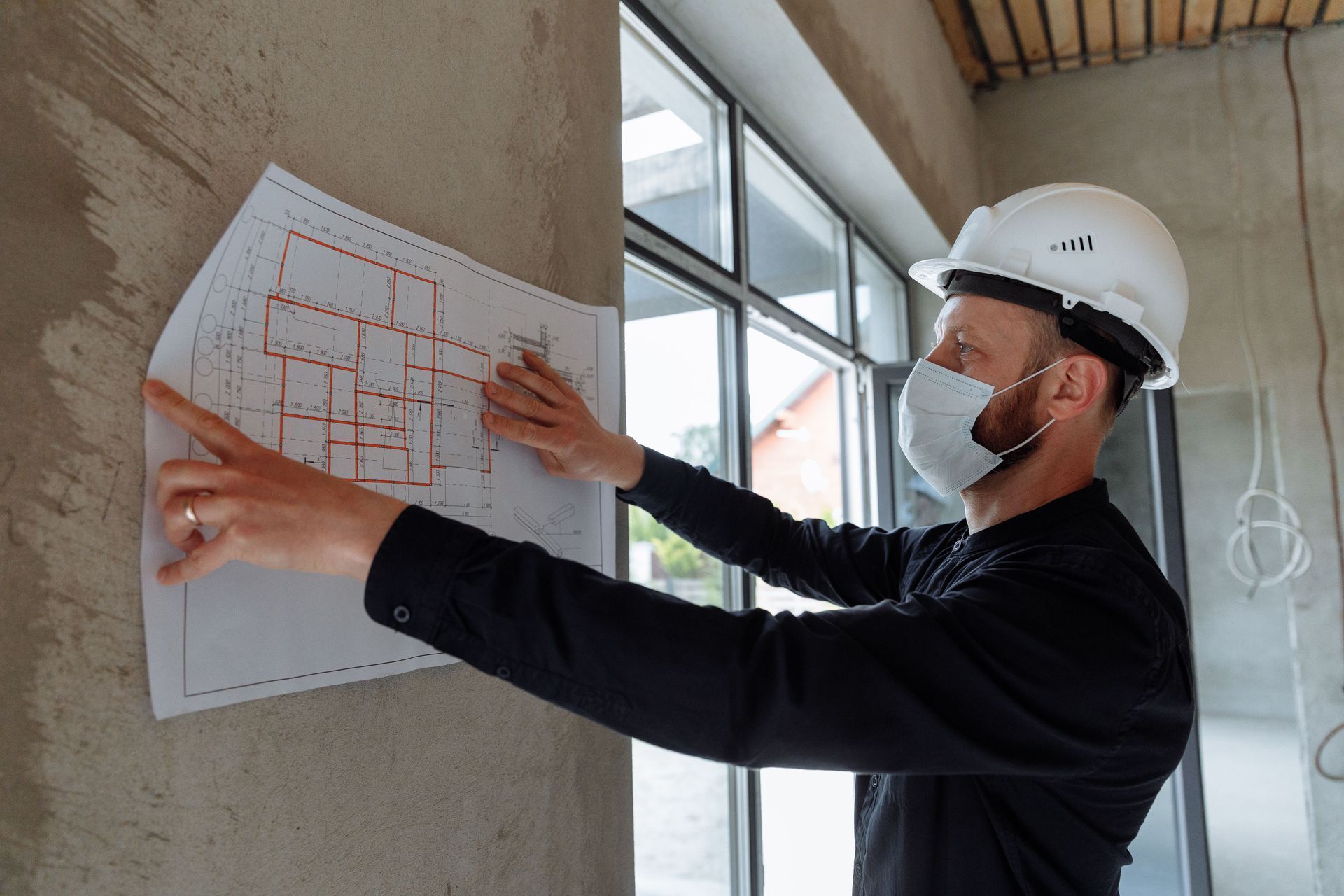
The city's process for a typical addition or enclosure runs through the same steps: an application with two sets of architectural plans, a zoning review for setbacks and lot coverage, and an architectural plans review that checks code compliance and wind-force requirements before a permit is cut. Jacksonville's Building Inspection Division also maintains a specific "Homeowner Sunroom Enclosure Affidavit" and an "Attaching an Aluminum Structure to an Existing Structure Affidavit," both listed on the department's official forms page, because sunroom and lanai enclosures are common enough locally to warrant their own paperwork.
A few things worth knowing before you start:
- If your enclosure sits within a special flood hazard zone, two FEMA elevation certificates are required during construction.
- Setbacks and lot coverage are reviewed by the city's Zoning Section before architectural review even begins; see our zoning and setback guide for what that review actually checks.
- Enclosing an existing lanai has a different permit path than a brand-new screened porch addition built from scratch, so pull the right permit for what you're actually building.
Cost and What It Means for Your Home's Value
Cost is the other half of this decision, and it splits roughly the way you'd expect: a screened lanai costs less than a glass-enclosed sunroom of the same footprint, because you're not paying for insulated glazing, HVAC tie-in, or the additional structural work that comes with treating the space as conditioned living area. In our own estimating experience on Jacksonville projects, a straightforward lanai screen-in tends to run meaningfully less than converting the same footprint into a fully conditioned Florida room; the gap depends heavily on size, glazing choice, and whether you're tying into existing ductwork or extending a new HVAC run. Get an itemized quote before comparing options, since "sunroom cost" varies a lot by scope.
On the value side, the National Association of Realtors' 2025 Remodeling Impact Report on outdoor features found that homeowners who complete outdoor living projects report some of the highest satisfaction of any remodeling category: 68% report a greater desire to be in their home afterward, 60% report increased enjoyment of the home, and the average project scored a 9.7 out of 10 on NAR's Joy Score. Appraisers also tend to treat a fully conditioned sunroom differently than an open lanai, since conditioned square footage can be counted toward a home's finished living area in a way a screened, unconditioned space typically is not; check with a local appraiser or your agent for how that plays out on your specific property.
Which One Is Right for Your Home? A Decision Framework
With interest rates keeping a lot of Jacksonville homeowners in their current house longer than they planned, we're seeing more people choose to improve the home they have rather than move, and an outdoor living upgrade is one of the more popular ways to do that. A few questions we walk clients through:
- Will you use it daily, or seasonally? Daily use in Florida's heat and humidity usually points to a conditioned Florida room. Seasonal, casual use points to a screened lanai.
- What's the budget ceiling? If cost is the deciding factor, a quality screened lanai now, with the framing designed to accept glass panels later, lets you upgrade to a Florida room down the road without starting over.
- Do you need the square footage to count toward resale value or a future home addition plan? If yes, conditioned space wins.
- Is this closer to a guest space, like a mother-in-law suite, than an outdoor room? If you're describing full living quarters rather than a sitting or dining area, you're probably looking at a different type of project entirely.
There isn't a universally correct answer here. There's a correct answer for your household, your budget, and how you actually plan to use the space.
Frequently Asked Questions
Can I convert a screened lanai into a Florida room later?
Often, yes, if the original structure was framed and slabbed to support it. It's worth telling your contractor up front if a future glass conversion is on your radar, so the initial build doesn't have to be redone.
Do I need a permit just to screen in an existing covered patio?
In most cases, yes, if the screen structure attaches to your home or exceeds the size threshold your local building department applies. The bare slab itself is exempt in Jacksonville, but the enclosure on top of it generally is not. Confirm with the Building Inspection Division before ordering materials.
Does a screened lanai count as square footage for my home's value?
Typically not the same way a conditioned Florida room does. Appraisers generally count enclosed, conditioned living space differently than an open-air screened structure; ask your appraiser or agent how it's treated in your specific market.
Will either option hold up in a hurricane?
Both must meet Florida's engineered wind-load requirements before the city will issue a permit, but they're engineered differently: glass enclosures typically use impact-rated glazing, while screen enclosures rely on the aluminum frame and anchoring system. Neither should be built without a licensed contractor pulling the proper engineered permit.
Every project we take on, whether it's a full custom build or a single-room enclosure, gets the same approach: our goal isn't just finishing the job, it's making sure you understand the process and you're genuinely happy with the result. If you're weighing a sunroom against a screened lanai for your Jacksonville home, reach out to our team for a walk-through and a real, itemized quote for your property.