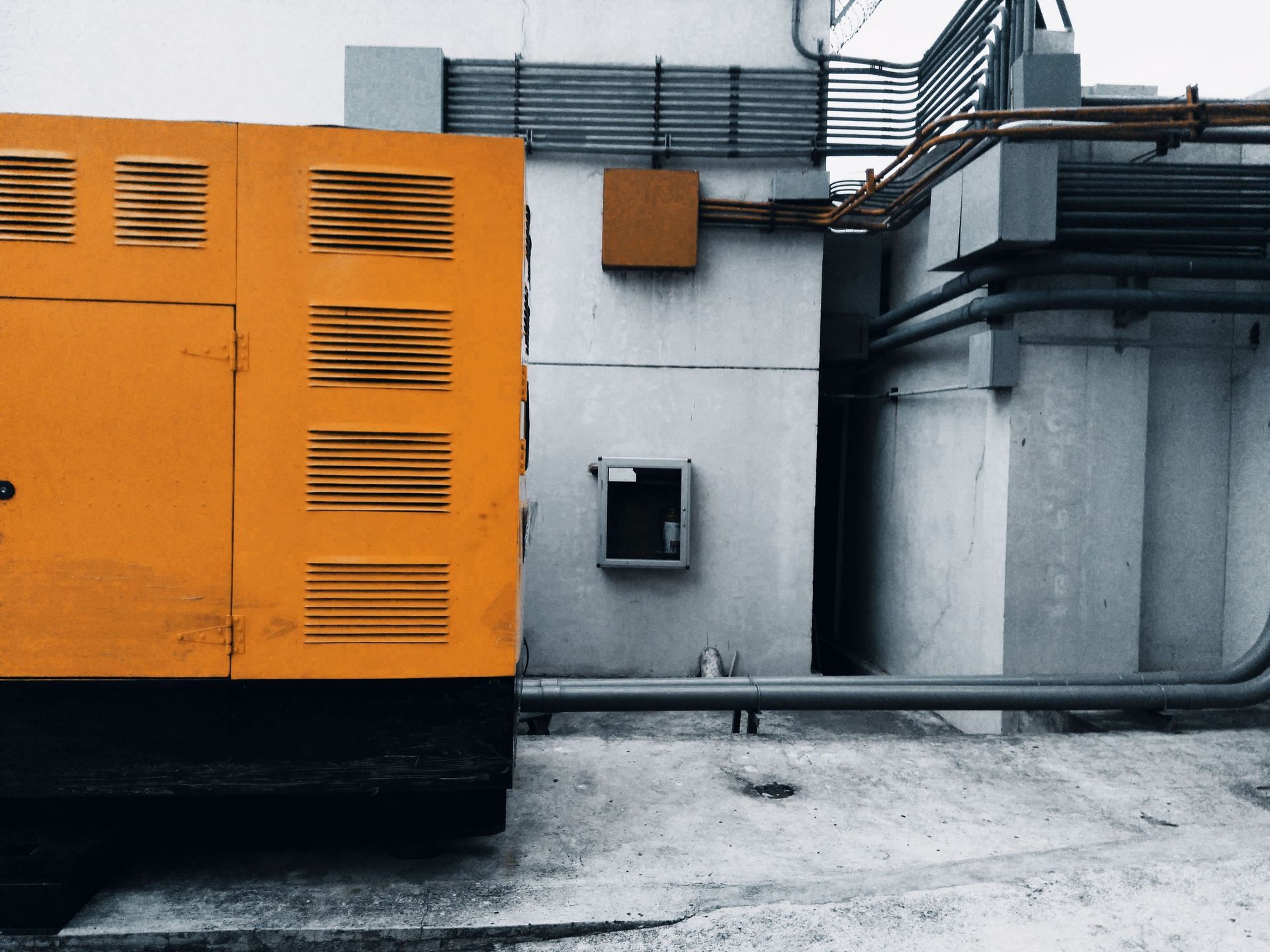
Whole-Home Generator Installation in Jacksonville, FL: 2026 Cost & Permit Guide
Florida's 2026 Atlantic hurricane season is actually shaping up to be quieter than normal. NOAA's Climate Prediction Center is forecasting a 55% chance of a below-normal season, with 8 to 14 named storms and 1 to 3 major hurricanes expected, below the 1991–2020 average of 14 named storms and 3 major hurricanes. But NOAA's own outlook includes a warning worth repeating: even in low-activity years, it only takes one storm to cause a real disaster, and Northeast Florida households have learned that lesson more than once. That uncertainty is a big reason more Jacksonville homeowners are looking past the portable generator in the garage and asking Sunshine State Professional Services about a permanently installed, whole-home standby system instead.
A whole-home generator is a bigger investment than a big-box store portable unit, and in Duval County it comes with real permitting and code requirements before it can be legally connected to your house. This guide breaks down what a system actually costs in 2026, what Jacksonville requires before you install one, whether it can lower your insurance bill, and how it fits into a larger home improvement plan.
Why More Jacksonville Homeowners Are Adding Whole-Home Generators
An extended power outage means more than an inconvenient evening. In a Northeast Florida summer, it means no air conditioning, a refrigerator full of spoiled food, and, for households with someone who depends on medical equipment or a well pump for water, a genuine safety problem. Portable generators help in a pinch, but they need to be manually started, refueled every several hours, and run outdoors away from windows and doors, which is hard to manage in the middle of the night during a storm.
We put together a full hurricane season prep checklist for Northeast Florida homeowners, and a standby generator is consistently one of the highest-impact items on it. It's also worth saying plainly: NOAA's below-normal forecast for 2026 is not a reason to skip storm prep. It's a probability, not a guarantee, and the years that feel "quiet" can still deliver the one storm that knocks out power for a week.
Portable vs. Whole-Home Standby Generators: What's the Difference
The two aren't really competing for the same job. According to Angi's 2026 cost data, portable generators (roughly 1–7.5 kW) run about $500 to $2,000 and can keep a refrigerator, some lighting, and a sump pump running, but they require you to be home to start them and refuel them by hand. A true whole-house standby unit (roughly 22–48 kW) is permanently wired into your electrical panel, runs on natural gas or propane, and starts automatically within seconds of an outage, no one has to go outside in a storm to turn it on.
That automatic, hands-off operation is the main reason homeowners upgrade, especially for a home addition or larger renovation where the electrical panel is already being touched.
What a Whole-Home Generator Installation Costs in Jacksonville (2026)
Nationally, whole-house generator installations range from $350 to $13,500, averaging around $5,160, according to Angi's 2026 cost data. That wide range covers everything from small partial-home units to full whole-house systems. For a true 22–48 kW whole-house unit, the generator itself typically runs $5,000 to $18,000, and installation labor, the concrete pad, transfer switch, wiring, and permitting, adds roughly $1,500 to $5,000 on top of that, for a combined installation average around $4,520. Permit fees alone typically run $50 to $200, separate from the contractor's labor.
Your actual number depends on the size of your home's electrical load, fuel type, and how far the unit sits from your gas line and panel. Sunshine State can walk your property and give you a project-specific estimate rather than a national average, that's part of why homeowners planning a high-ROI Jacksonville renovation often bundle a generator into a bigger scope of work instead of pricing it as a standalone job.
Permits and Licensing: What Duval County Requires Before You Install
This is the step people underestimate. Per Florida Building Code Section 105.1, any owner, agent, or contractor who wants to install, alter, or replace an electrical or mechanical system, which includes a permanently wired standby generator, must first obtain a permit from the local building official. The City of Jacksonville's Building Inspection Division enforces this directly, and electrical work specifically requires a contractor licensed and certified in that trade; a general "occupational license" is not the same thing and does not qualify someone to pull an electrical permit.
Skipping the permit isn't a minor risk. Under Florida Statute 455.228, hiring or acting as an unlicensed contractor can carry a civil penalty of up to $5,000, and if a homeowner pulls a permit for work actually performed by an unlicensed party, the homeowner, not the contractor, is held responsible for the work. For any job over $5,000, Duval County also requires a recorded Notice of Commencement before the first inspection can even be scheduled. We cover the full local process in our guide to Jacksonville's building permit process, and if you're vetting a contractor for any electrical work, our list of questions to ask before you hire a contractor applies just as much to a generator installer as it does to a full remodel.
As a licensed Florida general contractor, Sunshine State pulls the required permits, coordinates the electrical and gas trades, and handles inspections as part of the installation, homeowners don't have to navigate the City of Jacksonville's permitting steps on their own.
Can a Standby Generator Lower Your Homeowners Insurance?
Possibly, and it's worth a phone call to your agent before you finalize your project. According to Briggs & Stratton's energy resource team, many insurers reduce homeowners' premiums by around 5% for a permanently installed, automated standby generator powered by natural gas or propane, treating it as a loss-mitigation credit that lowers the risk of storm-related damage like frozen pipes or food spoilage claims. Portable units generally don't qualify, the discount is tied to a professionally installed, permanent system. The same source points to third-party reporting that homes with a standby generator installed can see a property value increase in the 3% to 5% range, particularly in areas where outages are common.
Every insurer's policy is different, so confirm the specific discount and documentation your carrier requires before you assume it applies. Professional installation with permits pulled and inspected is typically a condition either way.
Where a Generator Fits Into a Larger Storm-Prep or Renovation Plan
Sunshine State's founder, John Belizario, built the company from the ground up, he started as a subcontractor working with his uncle before earning his general contractor license, and his stated goal has never been just finishing the job. "My goal is not just to do a good job but make sure my customer understands and is happy with the final result," he says. That's the same approach we bring to a generator install: it's rarely a one-off decision, and it often makes sense alongside flood-proofing your home, an electrical panel upgrade, or a broader renovation where the trades are already on site.
For homes that have already taken on water or storm damage, a generator is also part of a longer-term resilience plan alongside our storm damage restoration services, keeping sump pumps, dehumidifiers, and HVAC systems running is often what determines whether a wet home dries out cleanly or develops a bigger mold problem. Because Sunshine State handles renovation, restoration, and new construction under one licensed team, homeowners get one point of contact instead of coordinating separate electricians, permit runners, and contractors themselves.
Frequently Asked Questions
Do I need a permit to install a generator in Florida?
Yes. Any generator that's permanently wired into your home's electrical system requires an electrical permit, and in Jacksonville that work must be performed by a Florida-licensed electrical contractor per Florida Building Code Section 105.1. Portable, unwired generators generally don't require a permit.
How much does a whole-home generator cost in Jacksonville?
Nationally, Angi's 2026 data puts whole-house generator installations between $350 and $13,500, averaging about $5,160, with a true 22–48 kW whole-house unit plus installation running higher, often $5,000 to $18,000 for the equipment alone. Your local cost depends on home size, fuel type, and site conditions; Sunshine State provides project-specific estimates.
Can a standby generator lower my homeowners insurance?
Many insurers offer a discount, often cited around 5%, for a permanently installed, automatic standby generator running on natural gas or propane. Confirm the specifics with your own carrier, since policies vary.
What size generator do I need for my home?
It depends on which appliances and systems you want to keep running during an outage, just a refrigerator and some lighting requires far less capacity than running central air conditioning and a water heater at the same time. A licensed contractor can calculate your home's actual electrical load and recommend the right size rather than guessing off square footage alone.
If you're ready to talk through cost, permitting, and timing for a whole-home generator — or want to fold it into a larger renovation — contact our team at Sunshine State Professional Services for a free consultation.