Whole-House Water Filtration in Jacksonville, FL: 2026 Guide | Sunshine State Pro
If you've ever noticed white scale crusting around your faucets, a metallic taste in your first glass of water, or a spa-fresh feeling that never quite lasts after a shower, you're not imagining it. Jacksonville's tap water is genuinely hard, and depending on your zip code, it can be some of the hardest in the state. For homeowners planning a kitchen remodel, bathroom renovation, or whole-house repipe, that's not just a background annoyance. It's a decision point.
This guide breaks down what's actually in Jacksonville's water, when whole-house filtration or softening makes sense, what Florida's plumbing permit rules require, and why a renovation is often the easiest and most cost-effective time to add it.
Why Jacksonville's Water Tests So Hard
Jacksonville's drinking water comes entirely from groundwater in the Floridan aquifer, pumped from wells roughly 1,000 feet below the surface. As that water travels up through limestone formations, it picks up dissolved calcium and magnesium, the minerals that define "hard" water along with naturally occurring sulfur that JEA removes through aeration at its treatment plants before the water ever reaches your home.
According to JEA's own published water hardness data, hardness varies significantly by zip code across its service territory, but the pattern is consistent: most of Duval, St. Johns, and Nassau County test in the "Hard" to "Very Hard" range, with several zip codes measuring well above 250 parts per million (roughly 15 grains per gallon or higher). That's firmly in the range where most plumbers and appliance manufacturers start recommending treatment.
Hard water itself isn't a health risk, JEA tests over 45,000 samples a year for more than 100 bacteriological and chemical components to stay in compliance with state and federal drinking water standards. But it is a home-maintenance issue: scale buildup inside pipes and water heaters, reduced appliance lifespan, spotting on fixtures and glassware, and soap and detergent that simply doesn't lather the way it should.
Signs Your Home Could Use Whole-House Filtration or Softening
Not every home needs the same solution, but a few signs tend to show up together in older or untreated Jacksonville homes:
- Chalky white or grayish buildup around faucet aerators, showerheads, and the dishwasher door
- A water heater that's noisier than it used to be, or that seems to be losing efficiency faster than its rated lifespan
- Dry skin and hair after showering, even with the same soap and shampoo you've always used
- A faint sulfur or "rotten egg" smell that comes and goes, especially right when a faucet is first turned on
- Spots on dishes and glassware straight out of the dishwasher
If that sulfur smell is only coming from the hot water tap, JEA notes the issue is usually isolated to the water heater rather than the whole system, worth ruling out before assuming you need a full house solution.
Whole-House Filter vs. Water Softener vs. Under-Sink RO: What's the Difference
These three get used interchangeably, but they solve different problems, and picking the wrong one is a common (and expensive) mistake:
Whole-House Filtration (Point of Entry)
Installed where the main water line enters the home, a whole-house filter typically uses sediment and activated carbon stages to reduce chlorine taste and odor, sediment, and some organic compounds from every tap in the house. It doesn't remove hardness minerals.
Water Softener
A softener uses an ion-exchange process to swap calcium and magnesium for sodium, which is what actually eliminates hardness, the scale buildup, the soap scum, the mineral spotting. It's a separate system from a carbon filter, and because it produces a brine discharge during its regeneration cycle, it comes with its own plumbing and drainage considerations.
Under-Sink Reverse Osmosis (Point of Use)
A smaller, targeted system installed under a single sink, usually the kitchen, for drinking and cooking water. It won't do anything for the rest of the house, but it's the most effective option for reducing dissolved solids in the water you actually drink.
Many Jacksonville homes end up with a combination: a softener for the whole house plus an RO system at the kitchen sink for drinking water.
The Smart Time to Add It: During a Renovation
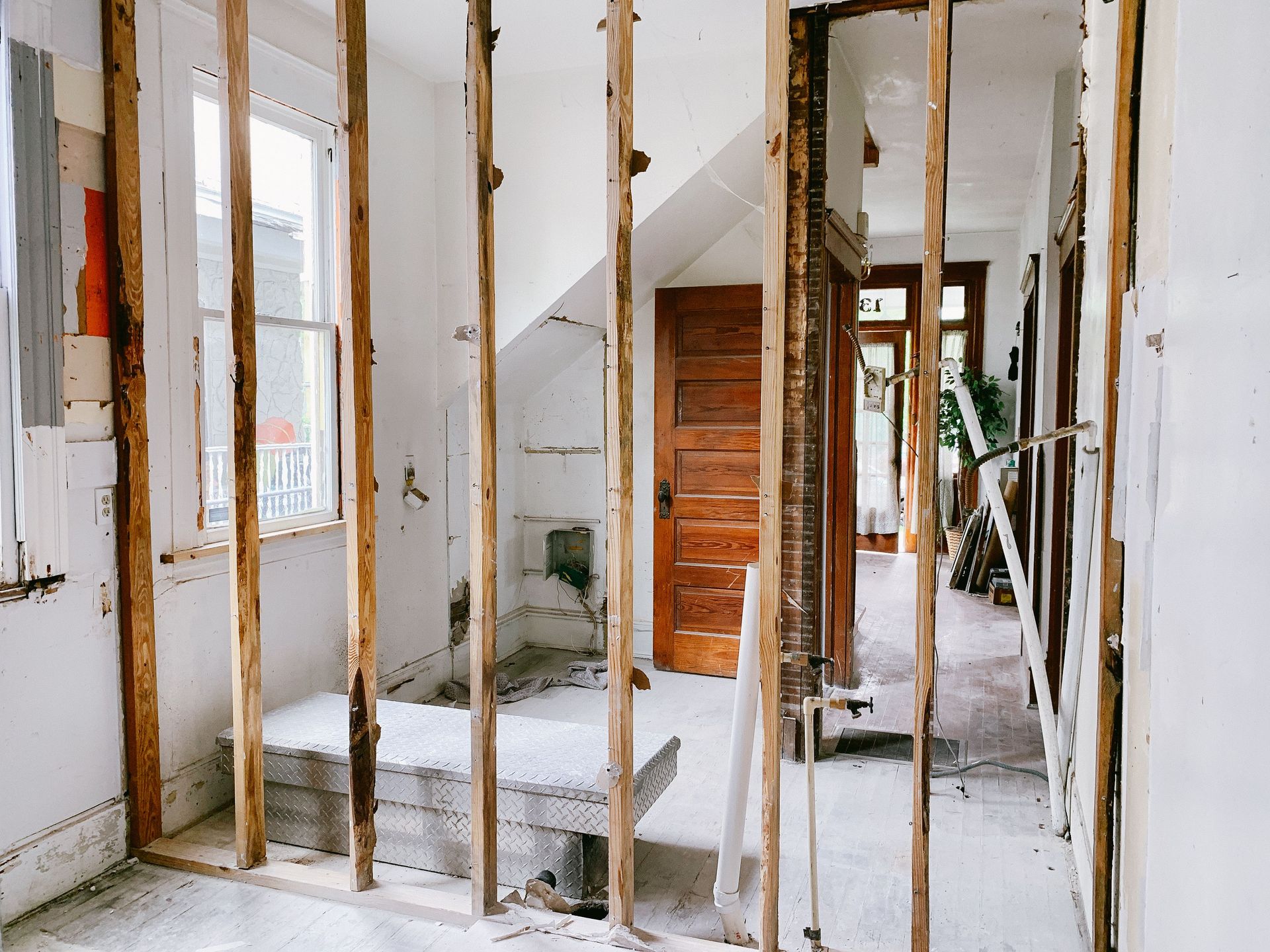
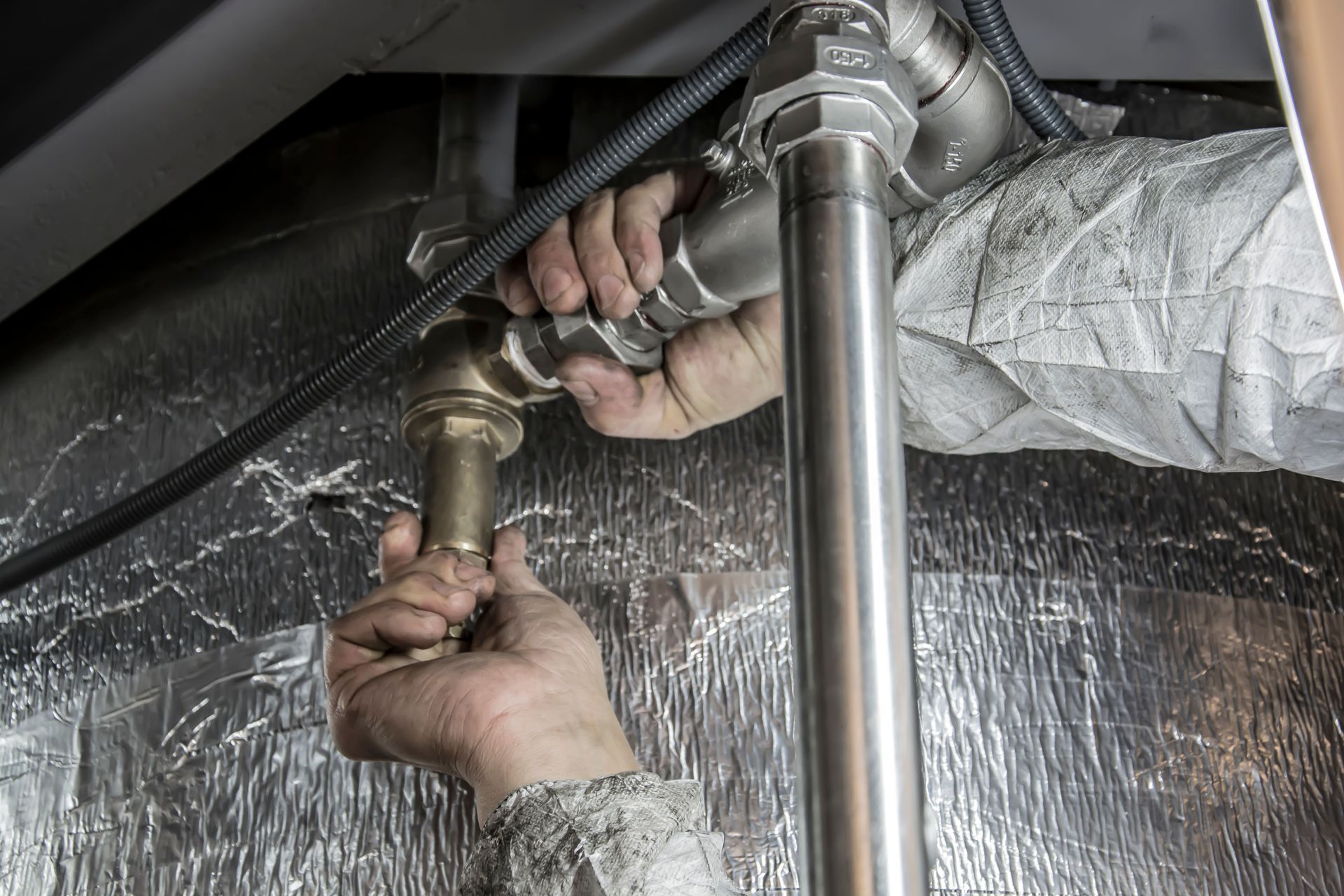
Whole-house systems tie directly into your main water line, which means the plumbing work involved is far simpler when the walls are already open, a whole-house repipe is already underway, or your kitchen is already being reworked down to the studs. Retrofitting a softener or filter into a finished home is doable, but it usually means cutting into a wall or slab that would otherwise stay untouched.
This is exactly the kind of decision Sunshine State Professional Services likes to walk through with a homeowner before the first wall comes down, not after. As a full-service, licensed general contractor, our team includes the engineers, estimators, and project managers to fold a water treatment system into a kitchen or bathroom remodel without adding a second contractor, a second timeline, or a second point of contact to your project. Founder John Belizario built the company on the idea that a customer shouldn't have to manage multiple vendors to get one project done right, and a water system is one of the pieces that's easiest to fold in when it's planned alongside everything else.
Permits and Plumbing Code: What Jacksonville Homeowners Should Know
This is the part homeowners most often skip, and it's not optional. Any plumbing work that ties into a home's main potable water supply, including cutting the line to install a whole-house filter or softener, is regulated plumbing work in the vast majority of U.S. jurisdictions, including Florida, because it affects backflow prevention and the integrity of the potable water system. Simple cartridge replacements in an existing housing are generally treated as maintenance, but a new point-of-entry installation that interrupts the supply line is new plumbing work.
Locally, the City of Jacksonville's Building Inspection Division enforces the Florida Building Code and issues permits for construction and plumbing alterations through its online system, JaxEPICS. Softener installations carry an extra wrinkle: because they discharge brine during regeneration, code officials and JEA may require specific drain routing or backflow protection to keep that discharge from affecting the sewer system. Read our guide to navigating Jacksonville's building permits for the bigger picture on how the city's permitting process works.
The takeaway: if a contractor offers to install a whole-house system without pulling a permit, that's a red flag, not a shortcut.
What This Means for Your Budget
Every home is different, and material and equipment choices swing the number significantly, so treat any online figure — including this one — as a starting point, not a quote. In our experience on Jacksonville renovation projects, a mid-grade whole-house softener and filtration combo, installed with a licensed plumber and permitted properly, typically lands in the low-to-mid four figures once labor and permitting are factored in. Bundling the install with a kitchen remodel or repipe that's already opening up your plumbing tends to bring that number down, since you're not paying for a separate mobilization and wall repair.
Water damage from an aging, untreated system is its own cost to weigh, see our notes on preventing water damage in Jacksonville's humid climate for how mineral buildup and pipe corrosion tend to show up over time.
Frequently Asked Questions
Does Jacksonville really have hard water?
Yes. JEA's own published hardness data shows most zip codes across Duval, St. Johns, and Nassau counties testing in the "Hard" to "Very Hard" range, driven by the mineral content the water picks up moving through the Floridan aquifer's limestone.
Do I need a permit to install a whole-house water filter or softener in Jacksonville?
In almost every case, yes. Any installation that interrupts your main water line is regulated plumbing work under the Florida Building Code, and the City of Jacksonville's Building Inspection Division issues those permits through JaxEPICS. Simple filter cartridge swaps in an existing housing are typically the exception.
What's the difference between a water softener and a whole-house filter?
A filter reduces sediment, chlorine taste, and odor. A softener specifically removes the calcium and magnesium minerals that cause hardness, scale, and soap scum. They solve different problems and are often installed together.
Is a renovation really the best time to add one?
It's the easiest and typically most cost-effective time, since the plumbing is already accessible during a repipe, kitchen, or bathroom project. Retrofitting later is still possible, just usually more invasive.
Talk to a Licensed Jacksonville Contractor Before You Decide
Whether you're already planning a kitchen or bathroom remodel and want to fold in a water treatment system, or you're just trying to figure out whether your home actually needs one, it helps to talk it through with a team that can see the whole project at once. That's the approach Sunshine State takes with every renovation — one licensed team, from the first estimate to the final walkthrough, making sure you understand exactly what you're getting before any work begins. Reach out for a free estimate or learn more about our team.