Whole-Home Surge Protection in Jacksonville, FL: What Florida's 2026 Electrical Code Requires
A single lightning strike near your property can send a voltage spike through your electrical service strong enough to fry your HVAC's control board, your refrigerator's compressor, and every outlet-connected device in between often before a standard breaker even trips. In Northeast Florida, that risk isn't hypothetical background noise. It's routine enough that the electrical code itself has changed because of it. If you're planning a panel upgrade, an addition, or any project that touches your home's electrical service, here's what whole-home surge protection actually does, what Florida's code now requires, what it costs, and how it fits into the renovation work Sunshine State already does for Jacksonville homeowners.
What Whole-Home Surge Protection Actually Does
A whole-home (or "whole-house") surge protective device (SPD) installs at your electrical panel either built into a new panel or added alongside an existing one — and it monitors every circuit in the house at once. That's the key difference from the power strips people plug lamps and TVs into: a plug-in strip only protects whatever's plugged into it, and only from smaller surges. A panel-level SPD is built to absorb and redirect the kind of high-energy spike that comes from a nearby lightning strike, a utility grid switching event, or your own air conditioner's compressor cycling on and off.
Modern homes have more to lose from a surge than they did even a decade ago. HVAC control boards, tankless water heaters, smart thermostats, security systems, and EV chargers are all built around sensitive electronics that a standard breaker won't protect. A whole-home SPD is the layer that catches the surge before it reaches any of them.
Florida's Electrical Code Now Requires It on New and Replaced Services
This isn't just a "nice to have" anymore. The National Electrical Code (NEC) that Florida has adopted is the 2020 edition, incorporated into the Florida Building Code by reference, and Article 230.67 of that code requires all services supplying dwelling units to be provided with a surge protective device — either built into the panel or installed adjacent to it. That requirement doesn't just apply to brand-new construction. It also applies any time an existing electrical service is replaced, which covers a large share of the panel upgrades we do for older Jacksonville and Fernandina Beach homes.
When NEC 230.67 Applies to Your Jacksonville Project
In practice, this means that if your project involves a new electrical service, a full panel replacement, or a service upgrade to support an addition, an EV charger, or a larger HVAC system, a licensed electrician now needs to include a Type 1 or Type 2 surge protective device as part of that work to meet code — not as an upsell. If you're only doing a smaller repair that doesn't touch the service itself, the requirement doesn't automatically apply, which is exactly the kind of detail worth confirming with your contractor before the permit is pulled.
What's Coming in the Next Code Cycle
Florida hasn't adopted it yet, but it's worth knowing what's next: the 2026 edition of the NEC expands surge protection requirements further, extending coverage to areas like sleeping quarters, manufactured homes, and feeder-fed subpanels. Florida typically adopts a new NEC edition on its own multi-year cycle rather than immediately, so this isn't enforceable here yet — but it's a signal of where the code is headed, and it's one more reason surge protection is worth building into a project now rather than treating it as an afterthought later.
Why Jacksonville Homeowners Feel This More Than Most
Florida didn't end up with this code requirement by accident. The National Weather Service office serving Florida is blunt about the state's exposure: lightning is responsible for more weather-related deaths in Florida than all other weather hazards combined, and Florida has the highest number of lightning casualties of any state in the country. That risk profile is exactly why the electrical code treats surge protection as standard equipment here rather than an optional add-on. A single close strike doesn't need to hit your house directly to cause damage — induced surges traveling through the utility line or your home's own wiring are enough to take out sensitive electronics throughout the house.
What Whole-Home Surge Protection Costs
HomeAdvisor's 2026 cost data puts installed whole-house surge protector pricing nationally between $70 and $700, averaging around $300 for the device and labor combined when it's a standalone add-on to an existing panel. That's a useful national benchmark, but it's not a Jacksonville quote — actual pricing depends on your panel's age and condition, whether the SPD is being added on its own or bundled into a larger panel replacement, and permit fees. On a full service upgrade, the SPD itself is a small fraction of the overall project cost since it's required equipment rather than a separate job. The only way to know what it costs for your specific home is a real assessment, which is why we always start there instead of quoting blind.
Where It Fits Into a Renovation, Addition, or Panel Upgrade
This is exactly the kind of code detail that's easy to miss if you're managing a project yourself or coordinating separate contractors for different parts of the work. As John Belizario, Sunshine State's founder, puts it: "My goal is not just to do a good job but make sure my customer understands and is happy with the final result." That's the reasoning behind building code compliance — surge protection included — into every renovation and electrical upgrade we scope from the start, rather than surfacing it as a change order once the permit gets flagged.
It also matters more when a project already touches your electrical service. If you're planning a panel upgrade to support a new EV charger, adding a room, replacing your system as part of an HVAC replacement, or replacing an aging service as part of a larger renovation, that's the natural point to have the SPD requirement handled as part of the same permit and the same visit — instead of paying for a second mobilization later. It's one more reason we built Sunshine State as a full-service team with engineers, estimators, and licensed tradespeople under one roof, rather than a subcontractor referral list.
Before you sign with anyone for work that touches your home's electrical service, it's worth knowing the right questions to ask a general contractor — code compliance like this is exactly the kind of detail that separates a licensed team from someone cutting corners.
Surge Protection, Battery Backup, and Generators: Different Jobs, Same Goal
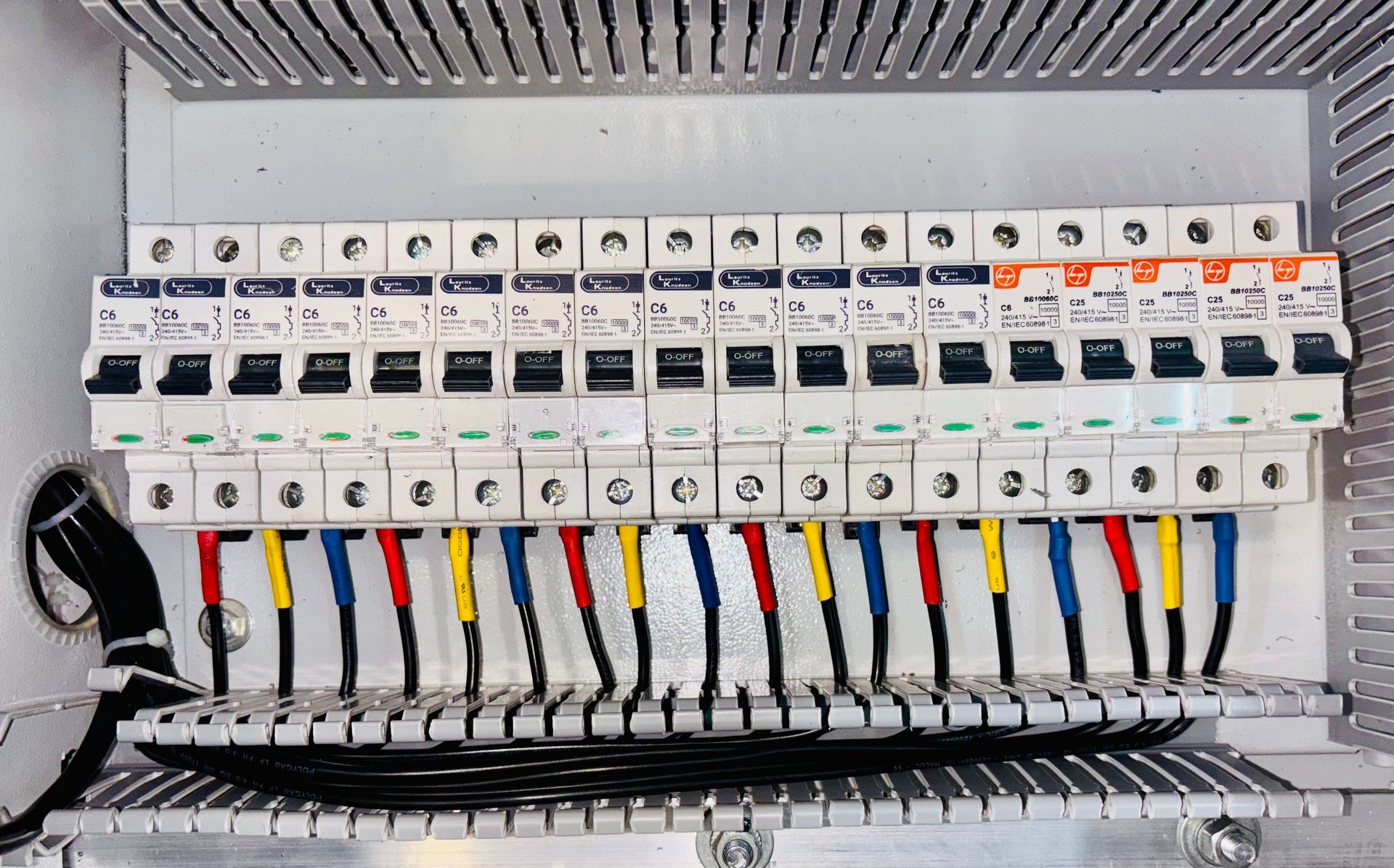
Homeowners researching one storm-resilience upgrade often end up asking about all three, so it's worth being clear about what each one actually does. A whole-home surge protector doesn't store or generate power — it only protects your existing circuits from voltage spikes. A whole-home battery backup system stores power so select circuits can keep running during an outage. A standby generator produces power on its own when the grid goes down. They solve different problems, and a surge protector is the lowest-cost, most foundational piece of the three — it's also the one code now requires whenever a service is replaced, which is why it belongs in the conversation even if a battery or generator isn't in the current budget.
Frequently Asked Questions
Is whole-home surge protection actually required by law in Jacksonville, or is it optional?
It's a code requirement, not just a recommendation, whenever a dwelling's electrical service is newly installed or replaced under the current NEC edition Florida has adopted. A licensed electrician pulling a permit for that work is expected to include it.
Will a whole-home surge protector stop damage from a direct lightning strike?
No device can guarantee protection against a direct strike on the structure itself. What a panel-level SPD is designed for is the far more common scenario: a nearby strike or grid event sending a voltage spike through the utility line or house wiring, which is what damages household electronics even when the strike itself lands elsewhere.
Do I need a whole-home surge protector if I already use plug-in power strips?
Plug-in strips only protect what's plugged into them, and only against smaller surges. A whole-home unit protects every circuit including hardwired appliances like your HVAC system and water heater from the point where power enters the house.
Does adding a surge protector require a separate permit from my other renovation work?
When it's installed as part of a panel replacement or service upgrade that already requires a permit, it's typically covered under that same permit rather than a separate one. Your contractor should confirm this with the local building department as part of the project scope.
If you're planning a panel upgrade, an addition, or any project that touches your home's electrical service, reach out to our team for a straight answer on what your project needs to meet code — and what it'll actually cost. You can also see the kind of work we've completed for other Northeast Florida homeowners before you decide. Sunshine State is a licensed general contractor serving Jacksonville, Fernandina Beach, and the surrounding area, and — as John likes to say — the goal on every project is making sure you understand exactly what's happening in your home and why.