Paver Patio Cost in Jacksonville, FL: 2026 Pricing & Permit Guide | Sunshine State Pro
A cracked concrete slab or a patch of dead grass isn't doing your backyard any favors, and if you've priced out a paver patio in Jacksonville this year, you've probably found wildly different numbers from different contractors. That's because the price depends heavily on material, base preparation, and a permitting picture that trips up more homeowners than it should. Before you sign anything, it helps to know what the job actually costs, whether Duval County requires a permit, and where your HOA fits into the timeline.
This guide breaks down real 2026 pricing by material, explains when the City of Jacksonville actually requires a permit for a patio (and when it doesn't), and covers the HOA step that catches homeowners in deed-restricted Northeast Florida communities off guard.
What a Paver Patio Costs in Jacksonville, FL (2026)
Nationally, patio installation runs $5 to $40 per square foot depending on material, according to LawnStarter's 2026 patio pricing data. The material you choose swings that number more than almost anything else:
- Gravel: $2.35 – $6.20 per sq ft
- Poured concrete slab (smooth/brushed): $4 – $9 per sq ft
- Stamped concrete: $8 – $16 per sq ft
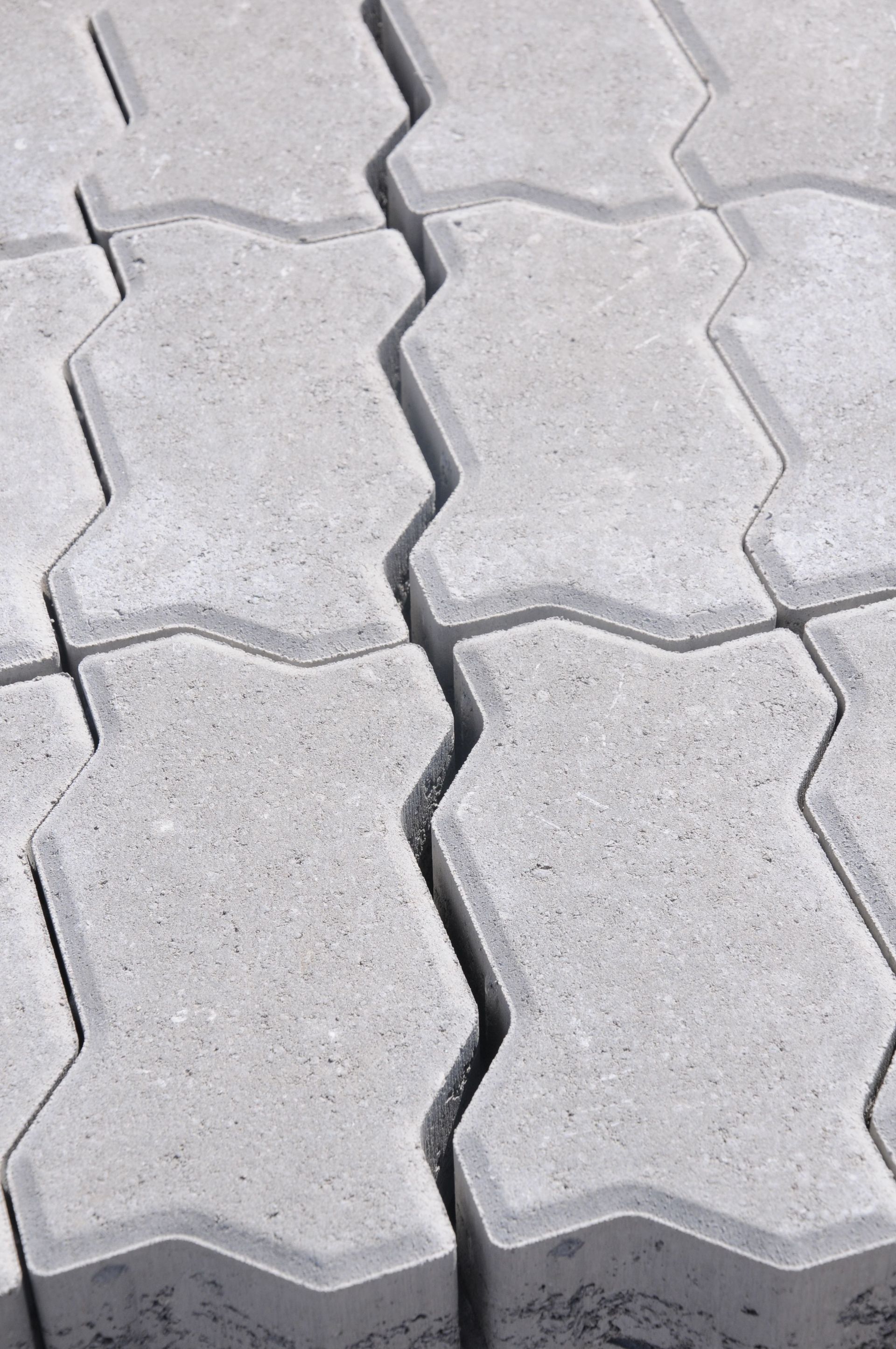
- Concrete pavers: $8.70 – $16.70 per sq ft
- Brick pavers: $14 – $24 per sq ft
- Natural stone or flagstone pavers: $13.65 – $31.65 per sq ft
That brick paver range checks out against a second, independent source: Homewyse's May 2026 national cost calculator puts the starting cost for a brick paver patio at $20.03 to $25.95 per square foot, which lands right at the upper end of LawnStarter's range once you factor in typical labor and base-prep costs in a market like Jacksonville. For a standard 300-square-foot patio, that translates to roughly $2,600 to $7,500 for pavers, before accounting for site conditions like grading, drainage, or removing an old slab.
The single biggest cost driver beyond material is the base. Pavers set on a properly compacted aggregate base last decades; pavers set on a shortcut base heave, settle unevenly, and need to be reset within a few years. That's not a place to cut corners for a Florida install.
Why Pavers Outperform Poured Concrete in Jacksonville's Climate
Jacksonville's sandy soil and heavy seasonal rain are exactly why pavers tend to hold up better here than a single poured concrete slab. Concrete is rigid: when the sandy base beneath it shifts or erodes from drainage, the whole slab cracks. Pavers are individual units set in sand or aggregate, so they can move slightly with the ground without cracking, and a single damaged paver can be popped out and replaced without redoing the entire patio.
Local hardscape contractors in Jacksonville, St. Johns, and Clay counties standardize on a 6-inch compacted limerock base for exactly this reason — it's the baseline that holds up in the region's sandy soil, per local permitting guidance from Jacksonville-area hardscape installers. Skimping on base depth is the most common reason a paver patio fails early in this climate.
Do You Need a Permit for a Patio in Duval County?
For most homeowners, no — but the exceptions matter. According to Jacksonville-area hardscape permitting guidance, a standard backyard paver patio set on a compacted aggregate base isn't classified as a "structure" under Florida code, so in Duval, St. Johns, and Clay counties, these projects typically go in without a building permit.
That changes if your project crosses into structural or drainage territory. A permit is generally required when your patio:
- Includes a structural add-on — a pergola, an outdoor kitchen with gas or electrical hookups, or a retaining wall above the code-defined height
- Materially changes how the site drains, especially if runoff could redirect onto a neighbor's property
- Ties into pool equipment, the pool shell, or a deck-to-pool transition
On the stormwater side, residential patios almost never come close to triggering a formal environmental review. Per the Jacksonville site plan requirements guide, a St. Johns River Water Management District Environmental Resource Permit is only required for projects creating more than 4,000 square feet of impervious surface or disturbing more than an acre — well beyond the scope of a typical backyard patio. Still, if your project is anything other than a straightforward patio off the back of the house, it's worth a call to the City of Jacksonville Building Inspection Division to confirm before you break ground, rather than finding out after the fact.
HOA Approval: The Step Homeowners in Deed-Restricted Communities Skip
The City of Jacksonville not requiring a permit doesn't mean you're clear to start digging. If you live in a deed-restricted community — think Nocatee, Ponte Vedra Plantation, Marsh Landing, or Coastal Oaks — your HOA's architectural review board almost always requires approval before hardscape work begins, regardless of what the county requires, according to the same local hardscape permitting research. HOAs frequently have their own rules on paver color, patio footprint relative to your lot, and distance from property lines that are stricter than county zoning.
Submit your HOA application before you schedule installation. Architectural Review Committee or Design Review Board reviews in Northeast Florida communities typically run 2 to 4 weeks and often carry a small submission fee, per the same local hardscape permitting research — build that timeline in before you schedule installation, not after.
Comparing Pavers, Stamped Concrete & Natural Stone
Once you've settled on "not plain concrete," the real decision is usually pavers vs. stamped concrete vs. natural stone:
- Pavers ($8.70–$24/sq ft for concrete or brick) offer the easiest long-term repairs, the widest range of patterns and colors, and the best track record in Jacksonville's shifting sandy soil.
- Stamped concrete ($8–$16/sq ft) costs less upfront and can mimic the look of pavers or stone, but it's a single rigid slab — if it cracks, you're looking at a visible repair or a full replacement rather than swapping a few units.
- Natural stone or flagstone ($13.65–$31.65/sq ft) is the premium option: no two pieces look alike, and it holds up well outdoors, but it's the most expensive material and the most labor-intensive to install correctly.
If you're weighing a patio against a raised deck instead, our deck building cost guide breaks down that comparison, and if the space will double as a cooking area, see our outdoor kitchen cost guide for what gas and electrical hookups add to the permit picture.
Why Homeowners Choose a Licensed General Contractor for Hardscape Projects
Hardscape work looks simple from the outside, but base prep, drainage, and code compliance are exactly where DIY and unlicensed-contractor patios go wrong — and where they turn into a costly redo. Sunshine State Professional Services is a licensed Northeast Florida general contractor built from the ground up: founder John Belizario started as a subcontractor before earning his GC license, and that hands-on trade background shapes how the team approaches every project, hardscape included.
"My goal is not just to do a good job but make sure my customer understands and is happy with the final result," is how John describes the standard his team works to on every project, from a patio to a full custom build. Before hiring anyone for hardscape or renovation work, verify their license status — our guide on how to verify a contractor's license in Florida walks through exactly how, and our 7 questions to ask a Jacksonville general contractor covers what to confirm before you sign.
A patio also isn't the only outdoor project worth planning around Florida's climate. If you're adding hardscape ahead of storm season, our hurricane season home prep checklist covers what else to shore up, and if your property sits in a flood-prone area, see our guide to building or renovating in a Jacksonville flood zone before finalizing your drainage plan. Considering a fence around the new patio too? Our fence installation cost and permit guide covers pool-safety code requirements that often apply to the same backyard.
Frequently Asked Questions
Do I need a permit to install a paver patio in Jacksonville?
In most cases, no. A standard patio on a compacted base isn't classified as a structure under Florida code. You'll generally need a permit only if the project adds a structure like a pergola or outdoor kitchen, changes site drainage, or ties into pool equipment. Confirm with the Duval County Building Inspection Division if your project is anything beyond a straightforward patio.
Will my HOA need to approve a paver patio?
If you live in a deed-restricted community, almost certainly yes. Submit your architectural review application before scheduling installation, since HOA approval timelines run independently of county permitting and can add weeks to your project.
How much does a paver patio cost in Jacksonville, FL?
Concrete pavers run $8.70–$16.70 per square foot and brick pavers run $14–$24 per square foot installed, based on 2026 national pricing data. A typical 300-square-foot patio lands roughly in the $2,600–$7,500 range depending on material and site conditions.
Are pavers or poured concrete better for Florida homes?
Pavers generally hold up better in Jacksonville's sandy, shifting soil because individual units can move slightly without cracking, and damaged sections can be repaired without replacing the whole patio. A rigid poured slab is more prone to cracking when the base beneath it settles unevenly.
How long does a paver patio installation take?
In our experience, a standard backyard paver patio typically takes a few days to about a week from base excavation to final compaction, depending on size and site conditions. Larger or more complex layouts with features like fire pits or seat walls take longer.
Ready to Plan Your Jacksonville Patio?
A paver patio is one of the more straightforward additions Sunshine State Professional Services handles, but "straightforward" only holds true when the base is prepped right and the permit and HOA questions are answered up front. Whether you're weighing a patio against a full renovation or outdoor living project, our licensed team can walk your property, confirm what Duval County and your HOA will require, and give you a real number before work starts. Get in touch to schedule a consultation.