EV Charger Installation in Jacksonville, FL: 2026 Cost, Permit & Panel Guide | Sunshine State
More Jacksonville homeowners are asking Sunshine State the same question during a home renovation project this year: "We're already renovating — can you just add an EV charger while you're in there?" It's a fair question, and a smart one. Wiring for a Level 2 home charger is a straightforward add-on when a wall is already open or a panel is already being touched, and a much bigger, more disruptive job when it has to happen on its own later. Before you say yes, though, there are three things worth understanding: whether the work needs a permit, whether your electrical panel can actually support it, and what's true (and no longer true) about rebates.
What a Level 2 Charger Actually Requires
Every electric vehicle ships with a Level 1 charger that plugs into a standard 120-volt household outlet. It works, but it's slow, realistically adding only a few miles of range per hour, which is why most homeowners who drive a normal daily commute find it doesn't fully recharge overnight. A Level 2 charger runs on a dedicated 240-volt circuit, the same voltage class as a clothes dryer or an electric oven, and charges several times faster. That's the setup almost every Jacksonville homeowner ends up wanting once they've lived with Level 1 for a few weeks.
The physical work involves running a dedicated circuit from the electrical panel to wherever the vehicle parks, sizing the wire and breaker correctly for the charger's amperage, and mounting the charging unit itself. None of that is exotic electrical work, but all of it is regulated, which is where the permit question comes in.
Yes, You Need a Permit — Here's What the City of Jacksonville Actually Requires
This is the part homeowners most often get wrong, usually because they assume a small electrical job "doesn't count." It does. Under the Florida Building Code as adopted by the City of Jacksonville, any owner, contractor, or authorized agent who wants to "install, enlarge, alter, repair, remove, convert, or replace any electrical… system" is required to apply for and obtain a permit before the work begins. An EV charger circuit is exactly that kind of electrical work.
The City's Building Inspection Division is direct about the consequence of skipping this step: starting electrical work without a permit is unlawful and carries a fine, and the permit itself has to be physically posted at the job site where it's visible from the street. If you're a homeowner pulling your own permit rather than going through a licensed contractor, the Division requires you to appear in person at 214 N. Hogan St., Room 280, in downtown Jacksonville, and to sign an owner's affidavit affirming you'll personally supervise the work. Most homeowners skip that process entirely by having their contractor or electrician pull the permit as part of the job, which is exactly what we do for every EV charger installation we handle as part of a larger renovation.
The upside of doing this properly: a permitted, inspected installation is documented proof, for insurance and resale purposes, that the circuit was sized and installed correctly. An un-permitted 240-volt circuit is a real liability question if anything ever goes wrong with it.
Will Your Panel Actually Handle It?
This is the question that turns a simple charger install into a bigger project, and it's the reason we always tell clients to think about EV charging before they finalize a renovation scope, not after. A Level 2 charger typically needs a 40- or 50-amp dedicated circuit. Plenty of older Jacksonville homes, especially anything built with a 100-amp service, are already running close to capacity once you count central A/C, an electric water heater, and a kitchen range. Add a car charger to a panel with no headroom and you're not just risking a tripped breaker, you're looking at a full panel upgrade project that should have been scoped from the start.
We've written before about what an electrical panel upgrade actually costs in Jacksonville, and it's worth reading before you commit to a charger install if your home still has its original panel. If you're already planning a whole-home renovation or a home addition, this is precisely the moment to have an electrician do a full load calculation, checking your existing panel capacity against everything already drawing on it, rather than bolting a charger onto a system that's already maxed out.
What Happened to the JEA EV Rebate? (And the Federal Tax Credit)
If you've been holding off on an EV charger because you heard JEA offers a rebate for installing one, it's worth checking that assumption before you budget around it. As of this year, JEA's own Drive Electric program page states plainly: "JEA, the federal government, and the State of Florida are not offering EV incentives at this time," with a note to check back for potential future programs. If you were planning your numbers around a local utility rebate, don't, it isn't currently on the table.
On the federal side, a tax credit for home EV charging equipment has existed in the past under the Alternative Fuel Vehicle Refueling Property Credit, but the amount and eligibility rules for that credit change periodically. If a federal credit factors into your decision, that's a conversation for your tax professional using current-year rules, not something to assume from an old blog post or a dealership flyer, ours included.
Why the Smartest Time to Add a Charger Is Mid-Renovation
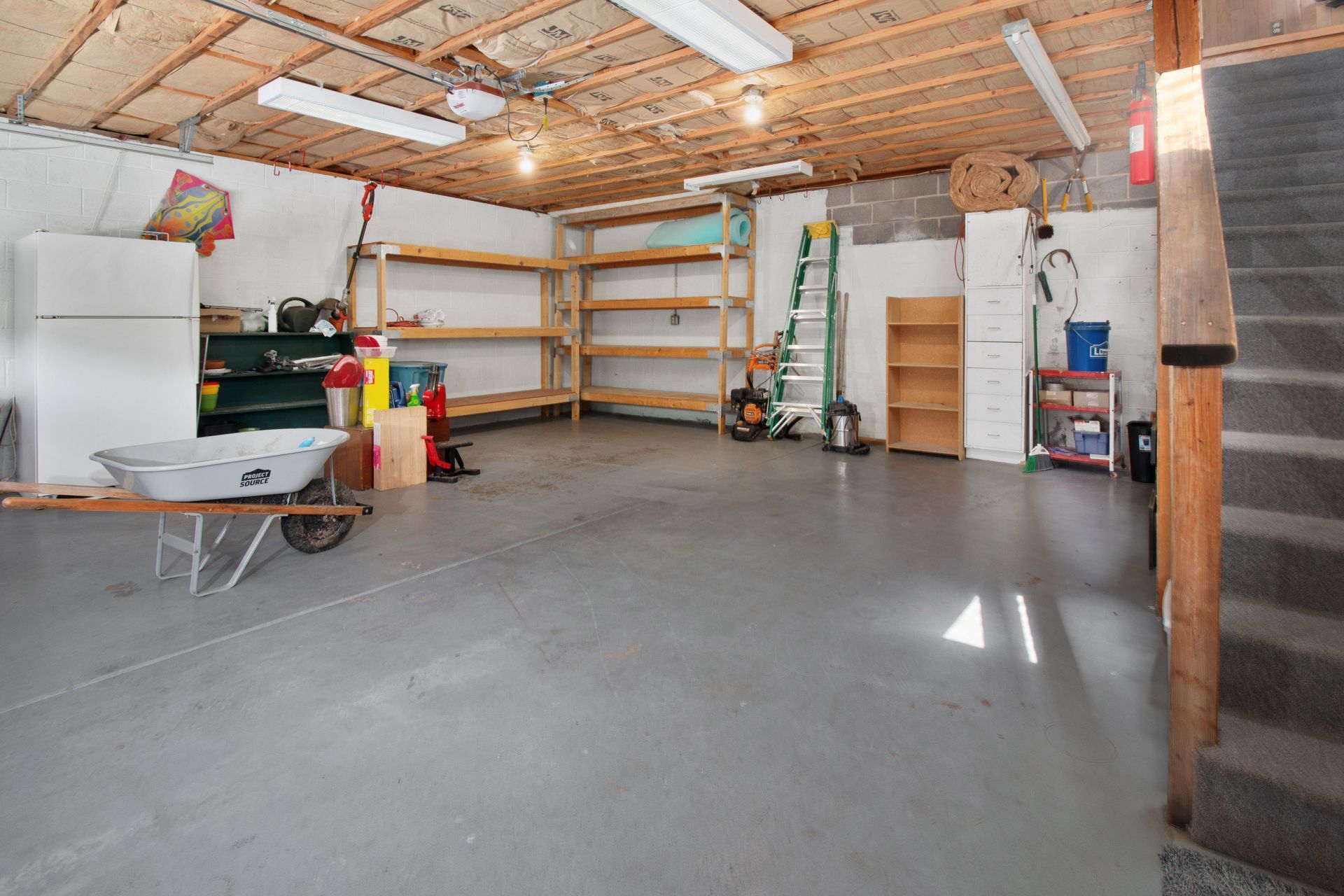
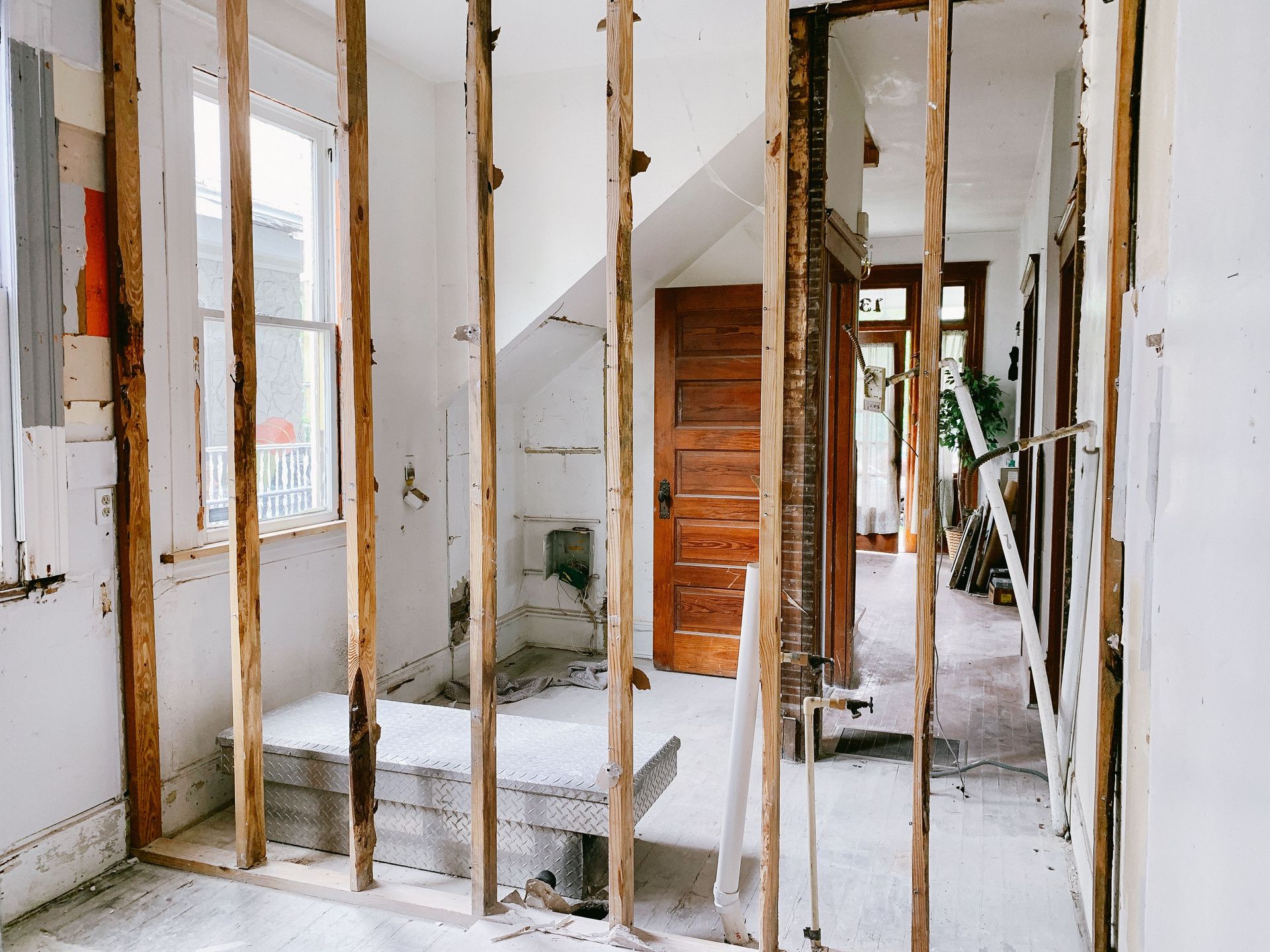
Here's the practical case for bundling this with a renovation instead of calling an electrician for a standalone charger job later: once a wall is open, a panel is accessible, or a garage is already being reworked, running a new 240-volt circuit is a marginal add to the scope. Do it as a separate project six months later, and you're paying for a second mobilization, a second permit, and possibly patching drywall or garage flooring you'd already finished.
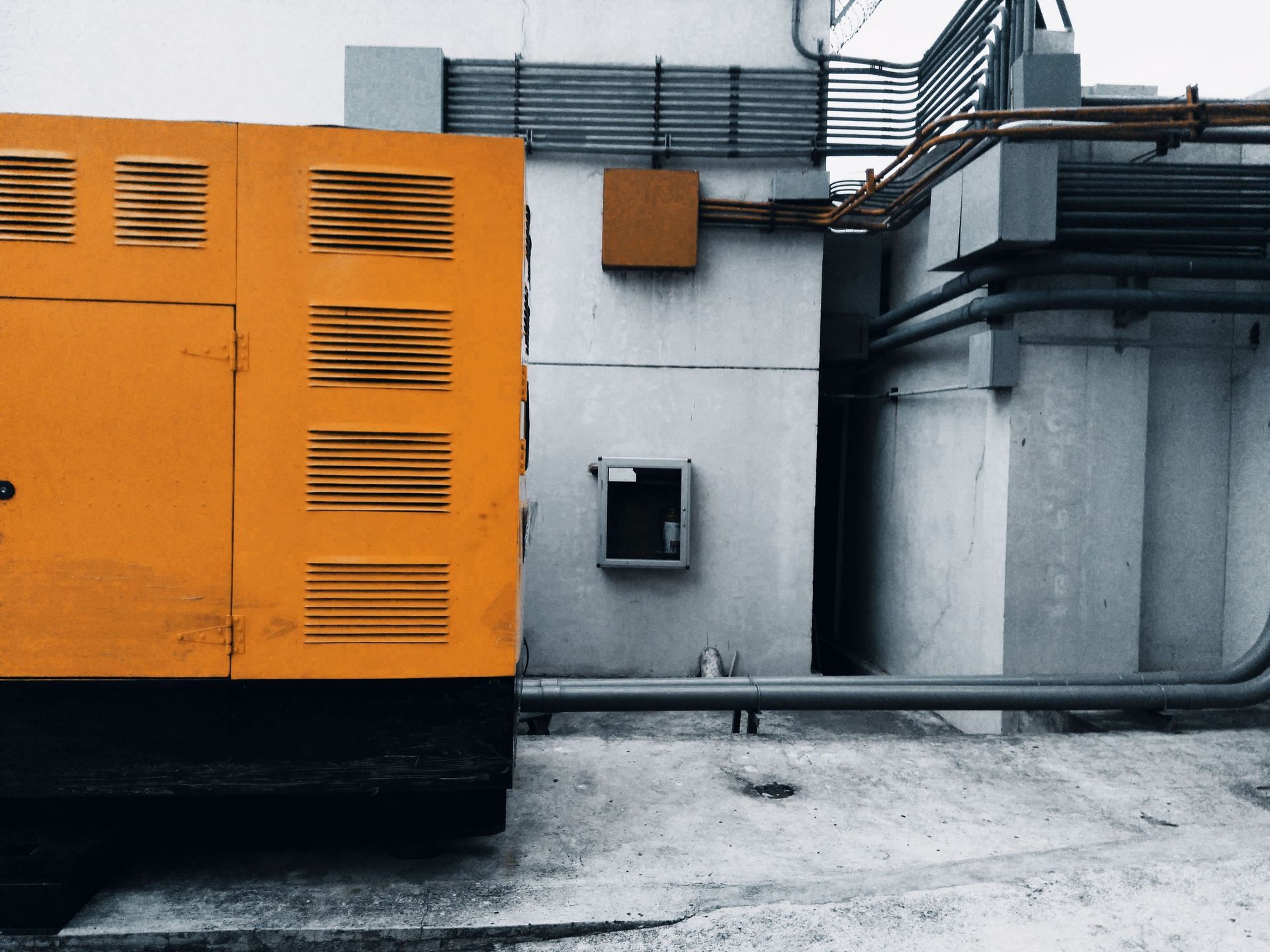
This is really an extension of how Sunshine State's team approaches every project. Our team includes the engineers, estimators, and project coordinators to look at a renovation as a whole system, electrical, structural, and cosmetic, rather than handing you off between separate contractors for each piece. If you're already touching the code requirements tied to Florida's latest building code update for a renovation, or comparing a charger circuit against something like a whole-home generator installation on the same panel, that's exactly the kind of planning conversation worth having with your contractor up front, not mid-project.
What This Actually Costs to Get Right
We're not going to hand you a number that doesn't hold up once an electrician sees your panel and garage layout, the honest answer is that cost depends on how far the charging location sits from your panel, whether your panel needs an upgrade first, and which charger you choose. What we can tell you is what drives that number up or down: distance and routing (a run through finished walls or underground to a detached garage costs more than a straight shot in an open garage), whether you need a panel upgrade first, and the permit and inspection fees the City requires on top of the labor. Any contractor quoting you a firm price without seeing your panel and garage in person is guessing. Ask for a free on-site load evaluation before you sign anything.
Frequently Asked Questions
Do I really need a permit for a home EV charger in Jacksonville?
Yes. Installing a dedicated 240-volt circuit is electrical work regulated under the Florida Building Code, and the City of Jacksonville's Building Inspection Division requires a permit before work begins, whether it's pulled by you as the homeowner or by your licensed contractor.
Is JEA still offering a rebate for installing an EV charger?
No. As of this year, JEA's own site states it is not currently offering EV incentives, alongside the federal government and the State of Florida. Confirm current status directly with JEA before budgeting around a rebate.
Can my current electrical panel handle an EV charger?
It depends on your panel's age and existing load. Homes with older, lower-capacity panels often need an upgrade before adding a 40- or 50-amp EV circuit on top of existing HVAC, water heater, and appliance loads. A licensed electrician can confirm this with a load calculation specific to your home.
Should I add an EV charger during a renovation or as its own project?
If you have a renovation already planned that touches your panel, garage, or electrical system, bundling the charger circuit into that scope is almost always more efficient than a standalone project later, since you avoid a second mobilization and a second permit.
If you're planning a renovation in Jacksonville and want an EV charger scoped in from the start, or you just want a straight answer on whether your current panel can handle one, reach out to Sunshine State's team for a free estimate. We'll look at the whole project, not just the outlet.