ADU Design Ideas: Inspiring Layouts for Jacksonville Backyards
Creating an Accessory Dwelling Unit (ADU) in your Jacksonville backyard presents an exciting opportunity to add functional living space, generate rental income, or provide comfortable accommodations for family members. However, designing an ADU that maximizes your property's potential while complementing your existing home requires thoughtful planning and creative vision. The layout you choose will significantly impact how well the space functions, how comfortable it feels, and ultimately how much value it adds to your property.
Jacksonville's unique climate, architectural styles, and lifestyle considerations create specific design opportunities and challenges for backyard ADUs. From maximizing natural ventilation to creating outdoor living transitions that embrace Florida's weather, the best ADU designs balance aesthetic appeal with practical functionality. This comprehensive guide explores inspiring layout ideas specifically tailored for Jacksonville properties, helping you envision what's possible in your own backyard. Whether you're building a compact studio for rental income or a spacious two-bedroom unit for extended family, understanding effective design principles will help you create an ADU that enhances both your property and your lifestyle. And when you're ready to bring your vision to life, Sunshine State Services specializes in designing and building custom ADUs that perfectly suit Jacksonville homeowners' needs.
1. The Classic Studio Layout: Efficiency in 400-600 Square Feet
The studio layout remains one of the most popular ADU designs for Jacksonville backyards, particularly for homeowners prioritizing rental income or creating a simple guest suite. These compact yet functional spaces typically range from 400 to 600 square feet and prove that thoughtful design can make even modest square footage feel spacious and comfortable. The key to successful studio ADU design lies in creating distinct zones for different activities without using walls that would make the space feel cramped.
In a well-designed Jacksonville studio ADU, the main living area typically occupies the largest portion of the footprint, combining sleeping, living, and dining functions in one open space. Strategic furniture placement and area rugs can define separate zones—a sleeping area near windows for natural light and ventilation, a small dining table near the kitchenette, and a comfortable seating area that can double as workspace. Many Jacksonville homeowners incorporate murphy beds or loft sleeping areas to maximize floor space during daytime hours, creating a more versatile living environment.
The kitchenette in a studio ADU typically features along one wall, often incorporating a small refrigerator, two-burner cooktop, microwave, and sink with upper and lower cabinets for storage. Counter space is precious in these compact kitchens, so many designs include a fold-down table or peninsula that can serve as both food preparation area and dining surface. Choosing lighter cabinetry colors and incorporating open shelving helps maintain an airy feel despite the compact dimensions.
The bathroom in a studio ADU, while compact, should feel comfortable and include all essential fixtures. Most Jacksonville studio designs dedicate 35-50 square feet to the bathroom, typically featuring a corner shower, standard toilet, and wall-mounted or pedestal sink to maximize floor space. Pocket doors or barn-style sliding doors work better than traditional swing doors in tight spaces, preserving valuable floor area. Large-format tiles, wall-to-ceiling mirrors, and adequate lighting help these small bathrooms feel larger and more luxurious than their square footage suggests.
Storage presents the biggest challenge in studio layouts, making creative solutions essential. Built-in shelving, under-bed storage drawers, and vertical storage that extends to the ceiling all help maximize capacity. Window seats with lift-up tops provide both seating and storage, while hanging organizers on backs of doors capture otherwise wasted space. Many Jacksonville ADU designs incorporate a small closet near the entrance for coats and shoes, with additional wardrobe storage integrated into the sleeping area.
2. The One-Bedroom Layout: Privacy and Comfort in 500-750 Square Feet
The one-bedroom ADU layout offers significantly more privacy and flexibility than studio designs, making it ideal for long-term rentals, adult children, or aging parents who need their own space. With 500 to 750 square feet to work with, this configuration includes a separate bedroom that can be fully closed off from the main living area, creating distinct private and public zones that make the space feel much larger and more like a traditional home.
In Jacksonville one-bedroom ADUs, the living area typically occupies 200-300 square feet and serves as the heart of the unit. This space comfortably accommodates a sofa, entertainment center, and small dining table, creating a welcoming environment for both residents and guests. Large windows or glass doors opening to a covered patio extend the living space outdoors, a particularly valuable feature in Jacksonville's mild climate where outdoor living is possible year-round. Many designs place the kitchen along one wall of the living area, creating an efficient open-concept feel while maintaining clear separation from the bedroom.
The bedroom in these layouts ranges from 100 to 150 square feet, large enough for a queen bed, nightstands, and a dresser or small desk. Positioning the bedroom away from the main entrance maximizes privacy, with most Jacksonville designs placing it at the rear of the ADU. A window on each of two walls creates cross-ventilation that's essential in Florida's climate, reducing reliance on air conditioning and creating a more comfortable sleeping environment. Walk-in closets are rare in ADUs of this size, but a well-designed reach-in closet with organizers can provide surprisingly adequate storage.
The kitchen in a one-bedroom ADU is typically more substantial than in a studio, often featuring full-size appliances including a standard refrigerator, full range or cooktop with oven, dishwasher, and microwave. Counter space expands to include adequate room for meal preparation, with many designs incorporating a small island or peninsula that provides additional workspace and casual seating. This enhanced kitchen functionality makes one-bedroom ADUs particularly attractive to long-term renters who will be cooking regular meals rather than just heating occasional snacks.
The bathroom grows slightly larger in one-bedroom configurations, typically occupying 40-60 square feet and often including a tub/shower combination rather than just a shower stall. This upgrade significantly increases the unit's appeal to families with young children or individuals who prefer baths. A single-sink vanity with storage below, medicine cabinet above, and linen closet nearby provides adequate storage for toiletries and supplies. Ventilation becomes even more critical in Jacksonville's humidity, making exhaust fans essential and operable windows highly desirable.
The hallway connecting the bedroom to the main living area, while consuming valuable square footage, provides important privacy separation and creates opportunities for additional storage. Many Jacksonville ADU designs incorporate a small coat closet or linen storage along this hallway, as well as the water heater and HVAC equipment closets. Keeping mechanicals out of the living spaces improves both aesthetics and acoustic comfort while maintaining easy access for maintenance.
3. The Two-Bedroom Layout: Maximum Functionality in 700-1,200 Square Feet
Two-bedroom ADUs represent the largest commonly built configurations in Jacksonville backyards, offering true house-like functionality in a compact footprint. These units work beautifully for multigenerational living situations, larger families, or homeowners seeking premium rental income from tenants who need more space. The additional bedroom transforms the ADU from a simple dwelling into a versatile living environment that can accommodate diverse needs and lifestyles.
The layout of a two-bedroom ADU requires more careful planning than smaller configurations since you're balancing multiple private spaces with shared common areas. Most Jacksonville designs position bedrooms on opposite ends of the unit or along one side, maximizing privacy between occupants. The living area typically sits centrally or toward the front of the unit, creating a natural gathering space that connects to both the kitchen and outdoor access. This arrangement feels more like a traditional home layout, making residents comfortable and helping the space live larger than its actual square footage.
Living areas in two-bedroom ADUs typically range from 250 to 350 square feet, comfortably accommodating a full-size sofa, chairs, entertainment center, and proper dining table with seating for four to six people. This additional space allows for true entertaining rather than just functional living, significantly increasing the unit's appeal and rental value. French doors or sliding glass panels opening to a covered patio or deck extend the living space outdoors, creating a seamless indoor-outdoor transition that Jacksonville's climate encourages homeowners to embrace year-round.
The kitchen in a two-bedroom ADU closely mirrors what you'd find in a traditional home, featuring full-size appliances, adequate counter space for multiple cooks, and sufficient storage for dishes, cookware, and pantry items. Many Jacksonville designs incorporate an L-shaped or galley kitchen configuration that efficiently organizes the work triangle of sink, stove, and refrigerator. An island or peninsula with seating creates a natural division between kitchen and living areas while providing casual dining space and additional storage. Under-cabinet lighting, pantry closets, and quality countertop materials elevate these kitchens from functional to truly enjoyable spaces.
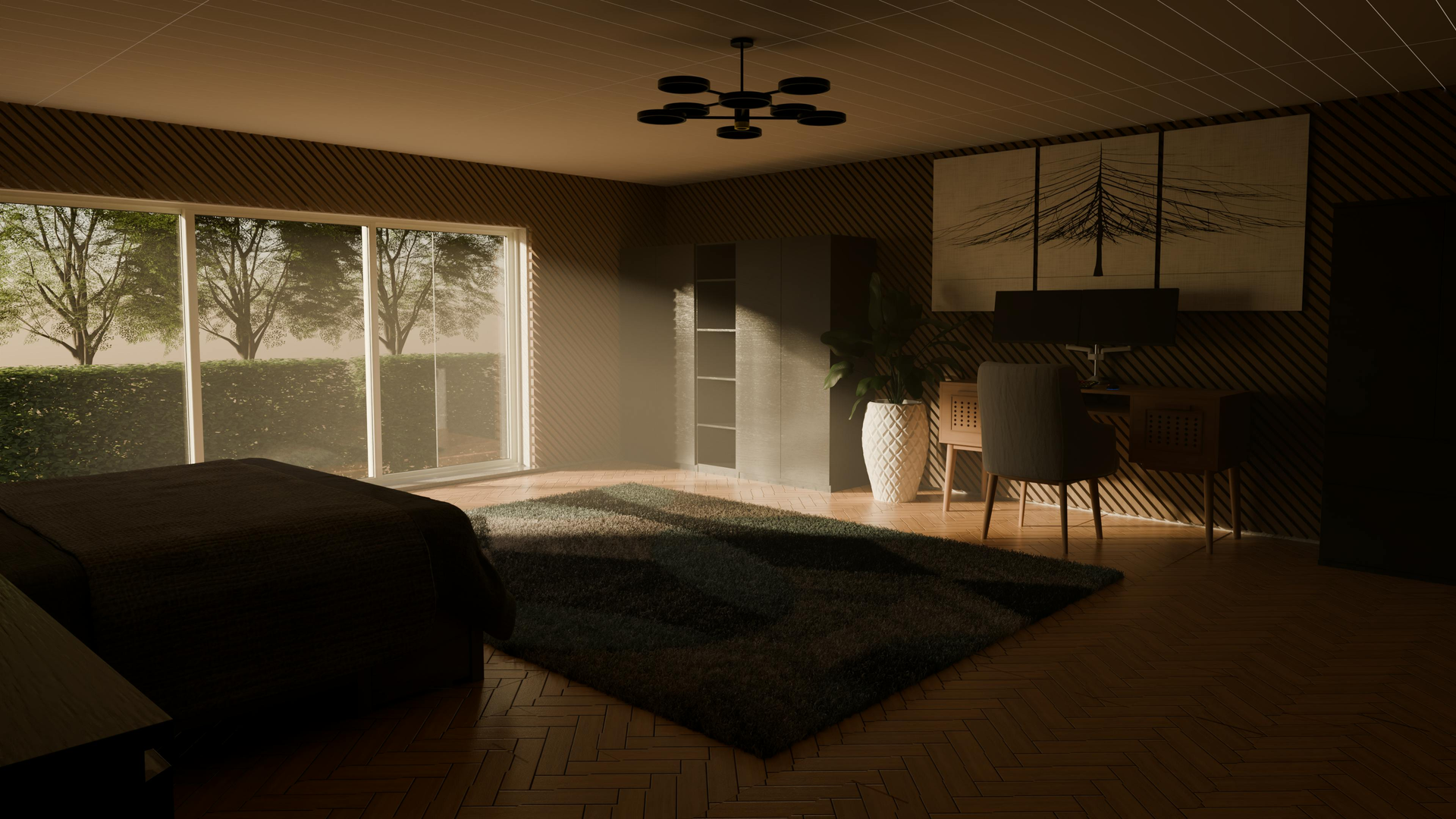
Bedrooms in two-bedroom ADUs typically range from 100 to 140 square feet each, though many Jacksonville designs make the primary bedroom slightly larger than the secondary bedroom. Each bedroom needs adequate closet space, with walk-in closets becoming feasible in larger ADUs. Windows on two walls in each bedroom create cross-ventilation essential for comfort in Florida's climate, reducing energy costs and creating more pleasant sleeping environments. Many designs position bedrooms to capture prevailing breezes while minimizing afternoon sun exposure, taking advantage of Jacksonville's typical southeast to northwest wind patterns.
The bathroom configuration varies significantly in two-bedroom ADUs. Some include one full bathroom with tub/shower combination serving both bedrooms, while others feature two bathrooms—a full bath with tub accessible from the hallway and a smaller half-bath or three-quarter bath with shower attached to the primary bedroom. The two-bathroom configuration significantly increases construction costs but dramatically improves functionality and rental appeal, particularly for families or roommate situations. Adequate ventilation, mold-resistant materials, and water-efficient fixtures are essential in all Jacksonville ADU bathrooms.
4. The L-Shaped Layout: Maximizing Outdoor Connection
The L-shaped ADU layout creates unique opportunities for outdoor living integration, a particularly valuable feature in Jacksonville's climate where comfortable outdoor time is possible nearly year-round. This configuration wraps around a corner of your lot, creating a protected courtyard or patio space that feels private and intimate while connecting seamlessly to the ADU's interior spaces. The L-shape naturally defines outdoor areas while providing multiple exposures for windows and doors that enhance natural light and ventilation.
In an L-shaped Jacksonville ADU, one leg of the "L" typically contains the living area and kitchen, while the perpendicular leg houses bedrooms and bathrooms. This arrangement creates a natural separation between public and private zones without requiring long hallways that waste space. The corner where the two legs meet often features large windows or glass doors overlooking the protected courtyard, flooding the interior with natural light while maintaining privacy from neighboring properties. This corner space might house a dining area, reading nook, or home office, taking advantage of the pleasant views and abundant daylight.
The protected courtyard created by the L-shape becomes an essential outdoor living room that extends the ADU's functional space significantly. This area works beautifully for a covered patio with ceiling fans, outdoor dining furniture, and perhaps a small outdoor kitchen or grill station. The L-shaped walls provide natural wind protection while creating privacy from neighbors, making the space feel like an intimate outdoor retreat. Many Jacksonville homeowners incorporate tropical landscaping, water features, or fire pits in these courtyards, creating resort-like environments that significantly enhance the property's overall appeal.
The L-shaped configuration also creates opportunities for efficient climate control and energy management. By positioning the longer leg of the L to run east-west, you can minimize intense afternoon sun exposure on western walls while maximizing morning light from the east. The shorter leg can face south or southeast to capture prevailing breezes that naturally ventilate the space. Deep overhangs along the courtyard-facing sides provide shade during summer months while allowing lower-angle winter sun to warm the interior, reducing both cooling and heating costs throughout the year.
One challenge with L-shaped layouts is that they typically require larger lots since the configuration spreads out rather than building up or compact. The footprint might be similar to a rectangular ADU, but the shape requires more strategic placement on the lot to maintain required setbacks while creating the desired courtyard effect. However, for properties with adequate space, the L-shaped layout creates some of the most pleasant and functional ADU environments possible, seamlessly blending indoor and outdoor living in ways that particularly suit Jacksonville's lifestyle and climate.
5. The Two-Story Layout: Maximizing Limited Lot Space
When lot space is at a premium but you need substantial square footage in your Jacksonville ADU, a two-story design offers an excellent solution. By building vertically rather than horizontally, you can create a spacious ADU with 800 to 1,200 square feet while minimizing the building's footprint on your lot. This approach preserves valuable yard space for gardens, pools, play areas, or simply maintaining open areas that keep your property from feeling overcrowded. Two-story ADUs work particularly well on narrow urban lots common in established Jacksonville neighborhoods.
The typical two-story Jacksonville ADU places public spaces on the ground floor and private spaces on the second floor, creating natural separation between daytime activities and nighttime rest. The first floor usually contains the living area, kitchen, dining space, and often a half-bathroom for guests. Large windows and glass doors opening to a small patio or deck make the ground floor feel spacious despite the compact footprint. Open-concept design between kitchen and living areas maximizes the sense of space, while high ceilings—often extending into the second floor with a loft-style overlook—create an airy, expansive feeling.
The second floor typically houses two or three bedrooms and one or two bathrooms, configured much like a traditional home's bedroom level. Stairs become a critical design element, consuming precious square footage on both floors. Many Jacksonville designs incorporate storage under stairs or use open-riser stairs that feel less visually heavy, maintaining an open feel while providing necessary vertical circulation. A small landing at the top of the stairs often connects to bedrooms, with the primary bedroom usually larger and sometimes featuring an ensuite bathroom or private balcony.
Two-story ADUs present unique opportunities for capturing breezes and views that single-story designs cannot match. Second-floor windows positioned to capture prevailing southeast breezes can naturally ventilate upper bedrooms, reducing air conditioning needs during mild weather. In neighborhoods with mature trees or near water, second-story windows might offer pleasant views that justify the additional construction costs. Many Jacksonville homeowners add small balconies or Juliet balconies to second-floor bedrooms, creating private outdoor spaces that enhance livability without requiring additional lot space.
The challenges of two-story ADUs include higher construction costs due to additional structural requirements, roofing complexity, and stair construction. Code requirements for two-story structures are also more stringent, particularly regarding fire safety with required smoke detectors on each level and potentially fire-rated construction between floors. HVAC systems need careful design to effectively condition both levels, often requiring zoned systems that can heat and cool each floor independently. Despite these challenges, two-story ADUs often provide the best cost-per-square-foot value when you need significant space but have limited lot area to work with.
6. The Live-Work Layout: Home Office Integration
The rise of remote work has created growing demand for ADUs that seamlessly integrate professional workspace with living areas. Live-work ADU layouts in Jacksonville cater to entrepreneurs, remote employees, creative professionals, and freelancers who need dedicated office space that's separate from their main residence yet doesn't require commuting to an external location. These designs balance the need for professional presentation with comfortable residential functionality, creating spaces that work equally well for client meetings and personal relaxation.
A well-designed live-work Jacksonville ADU typically features a distinct office area near the entrance, separate from living quarters deeper in the unit. This configuration allows clients or colleagues to visit the professional space without entering private residential areas, maintaining appropriate boundaries between work and personal life. The office zone might occupy 150-200 square feet and include a desk area, meeting space with small conference table and chairs, shelving for files and supplies, and perhaps a separate exterior entrance for professional visitors. Large windows provide natural light essential for productive work environments, while thoughtful placement ensures privacy and minimizes exterior noise.
The residential portion of a live-work ADU includes a compact but functional living area, kitchenette or full kitchen, bedroom, and bathroom. The key is creating clear physical or visual separation between work and living zones—perhaps a hallway, pocket doors, or even just a shift in flooring materials that signals the transition from professional to personal space. This separation helps remote workers maintain work-life balance by creating psychological boundaries even within a compact footprint. Many Jacksonville designs position the bedroom at the opposite end of the unit from the office, maximizing the sense of separation.
Technology infrastructure becomes particularly important in live-work ADUs. Robust internet connectivity with separate networks for work and personal use, adequate electrical outlets positioned for computers and equipment, proper lighting for video calls, and possibly separate phone lines for business calls all contribute to professional functionality. Many Jacksonville homeowners install sound-dampening materials in walls and ceilings to minimize noise transmission, ensuring client calls aren't interrupted by household sounds and work activities don't disturb relaxation time.
Storage needs in live-work ADUs differ from purely residential units. In addition to typical residential storage for clothing, kitchen items, and personal belongings, you need space for office supplies, files, equipment, and potentially inventory or materials related to your business. Built-in shelving, filing cabinets integrated into desk areas, and closets designed specifically for business storage all help maintain organization essential for professional productivity. Some Jacksonville designs include small storage sheds nearby for items that don't need to be inside the ADU itself.
The exterior appearance of live-work ADUs can signal professional use while maintaining residential character. A separate entrance with clear signage, professional landscaping, and adequate parking for client visits all support business functionality. However, many Jacksonville neighborhoods have restrictions on home-based businesses, making it essential to verify zoning regulations before investing in a live-work ADU design. Working with experienced professionals like Sunshine State Services ensures your live-work ADU design complies with all local regulations while meeting your specific business and residential needs.
7. The Multigenerational Layout: Aging-in-Place Design
Multigenerational living is increasingly common in Jacksonville, with many families choosing to keep aging parents nearby or adult children living at home longer. ADUs designed specifically for multigenerational use incorporate accessibility features, safety considerations, and thoughtful layouts that accommodate changing mobility needs while maintaining dignity and independence for residents of all ages. These designs anticipate future needs rather than requiring costly retrofits when mobility challenges emerge.
Accessibility starts with the exterior approach to a multigenerational Jacksonville ADU. Smooth, slip-resistant pathways with gentle slopes rather than steps lead from the main property to the ADU entrance. Adequate exterior lighting with motion sensors ensures safe navigation at night, while wide gates and clear sightlines help prevent falls. The entrance features a no-step threshold or minimal threshold with beveled edges, allowing easy access for wheelchairs or walkers. Covered entries protect from Jacksonville's frequent rain and intense sun while residents unlock doors and enter the unit.
Inside, the layout minimizes hallways and maximizes open space that accommodates mobility aids. Doorways measure at least 36 inches wide, allowing comfortable wheelchair passage. The bathroom receives particular attention in multigenerational designs, featuring a curbless walk-in shower with grab bars, handheld shower head, and built-in bench. The toilet area includes grab bars and adequate clearance space, while the vanity might feature a wall-hung sink that allows wheelchair users to roll underneath. Slip-resistant flooring throughout, particularly in the bathroom and kitchen, reduces fall risk.
The kitchen in a multigenerational ADU considers accessibility without sacrificing functionality. Lower counter sections allow seated food preparation, while upper cabinets might use pull-down shelving mechanisms that eliminate the need for step stools. Side-by-side refrigerators rather than top-freezer models make food more accessible, and cooktops with controls at the front rather than the back reduce reaching over hot burners. Lever-style faucets and door handles throughout the unit work better than round knobs for residents with limited hand strength or arthritis.
The bedroom layout accommodates the potential need for a hospital bed or lift equipment, with adequate space for caregivers to move around the bed on both sides. Windows positioned lower on walls allow seated residents to see outside, maintaining connection to the outdoors even when mobility is limited. Good lighting with multiple switches at different heights and locations ensures residents can control illumination without struggling. Many Jacksonville multigenerational ADUs include emergency call systems or intercoms connecting to the main house, providing peace of mind for both residents and family members.
Climate control deserves special consideration in multigenerational ADUs since aging adults often have different temperature preferences and may be more sensitive to heat and humidity. Individual room controls allow residents to customize comfort levels, while adequate insulation and quality HVAC systems maintain consistent temperatures without dramatic fluctuations. Ceiling fans throughout provide supplemental air movement, improving comfort during Jacksonville's warm months. Proper ventilation prevents moisture buildup that can exacerbate respiratory issues common in older adults.
8. The Pool House ADU: Outdoor Living Integration
Jacksonville's warm climate makes pools popular amenities, and many homeowners choose to combine their ADU with pool house functionality, creating a backyard retreat that serves multiple purposes. Pool house ADUs provide changing rooms, bathrooms, storage for pool equipment, and entertaining space while also functioning as rentable units or guest quarters. This dual-purpose approach maximizes the return on construction investment while creating a cohesive backyard environment that enhances outdoor living.
The layout of a pool house ADU typically includes a covered outdoor area facing the pool, serving as a shaded lounging space and entertaining area. This covered space might include ceiling fans, outdoor furniture, a bar area with refrigerator and sink, and perhaps a television for pool-side entertainment. The transition from this outdoor zone into the enclosed ADU should feel seamless, often using large sliding or folding glass doors that can open completely to merge indoor and outdoor spaces. This design creates excellent flow for pool parties and outdoor gatherings while providing climate-controlled comfort when needed.
Inside the pool house ADU, one area near the pool side typically serves as a changing room and wet zone where swimmers can dry off, change clothes, and store pool towels and toys. This area needs durable, water-resistant finishes including tile or luxury vinyl plank flooring, moisture-resistant paint, and storage that can handle damp items. A full bathroom with shower allows swimmers to rinse off pool chemicals before entering the main living space or before driving home after pool parties. The toilet and vanity serve both the ADU residents and pool guests, making a well-designed, easy-to-clean bathroom essential.
The living area of a pool house ADU works well as an open space connecting to the covered outdoor area, creating one large entertaining zone when doors are open. A kitchenette with refrigerator, sink, and microwave supports pool-side entertaining without requiring trips to the main house's kitchen. When used as a rental or guest unit, this same kitchenette provides adequate functionality for light meal preparation. The casual, indoor-outdoor nature of pool house ADUs means finishes should be durable and low-maintenance, able to withstand sandy feet, wet swimsuits, and heavy use during Jacksonville's prime pool season.
The sleeping area in a pool house ADU might be a studio configuration or a small bedroom separated by a pocket door or barn door. The key is creating a space that can serve as entertainment overflow during parties but also functions as comfortable sleeping quarters when the ADU is rented or housing guests. Built-in storage for pool equipment, cleaning supplies, toys, and flotation devices helps keep the poolside area organized and attractive. Some Jacksonville pool house ADUs include a small equipment room or closet housing the pool pump, filter, and heater, consolidating all pool-related equipment in one convenient location.
9. The Compact Modern Layout: Minimalist Luxury in Small Spaces
The compact modern ADU layout embraces minimalist design principles to create a sense of luxury and spaciousness within 350-500 square feet. These designs appeal to homeowners seeking high-end aesthetics and efficient functionality in a modest footprint, perfect for upscale rentals, sophisticated guest quarters, or personal retreats. The compact modern approach proves that small doesn't mean cramped or compromised—with thoughtful design, limited square footage can feel expansive and serene.
The defining characteristic of compact modern Jacksonville ADUs is the commitment to clean lines, minimal ornamentation, and multi-functional design. Every element serves a purpose, with no space wasted on purely decorative features. Floor-to-ceiling windows or sliding glass walls blur the boundary between interior and exterior, making the space feel much larger while flooding the interior with natural light. Neutral color palettes dominated by whites, grays, and natural wood tones create visual cohesion that makes the compact space feel calm and unified rather than busy or cluttered.
Storage in compact modern ADUs disappears into the architecture through built-in solutions that maintain clean lines. Wall-mounted cabinets extending to the ceiling maximize vertical space, while beds might feature integrated storage drawers or lift-up platforms revealing hidden compartments. Floating vanities in bathrooms and wall-mounted kitchen cabinets create the illusion of more floor space by exposing the floor underneath. Sliding doors and pocket doors eliminate the swing space required by traditional doors, preserving precious square footage for actual living rather than door clearances.
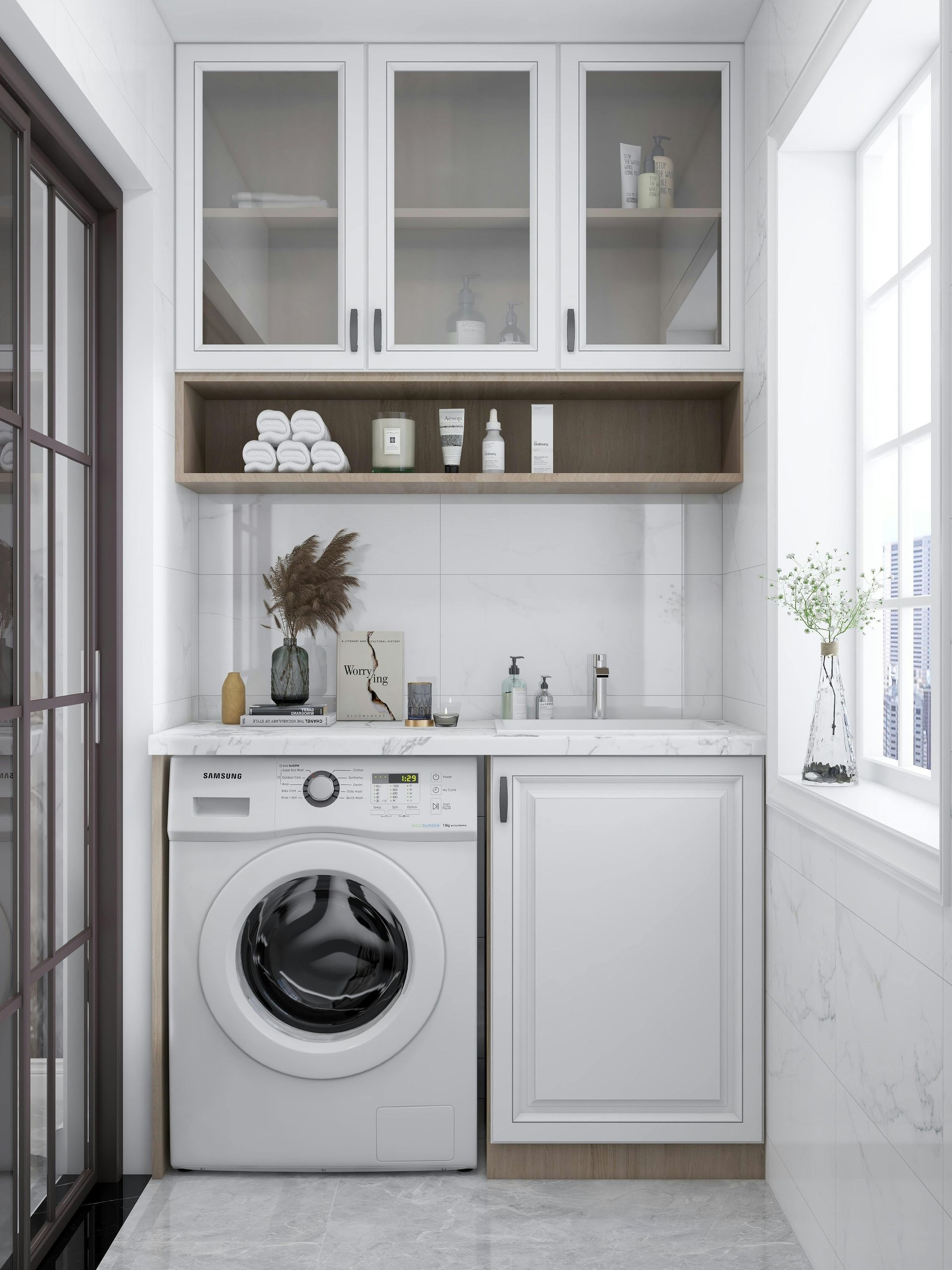
The kitchen in compact modern ADUs embraces European-style efficiency, often featuring sleek integrated appliances, handleless cabinetry, and streamlined countertops without visible clutter. A two-burner induction cooktop, combination microwave-convection oven, and under-counter refrigerator provide full functionality while consuming minimal space. Open shelving or glass-front cabinets display attractive dishware, adding visual interest without creating a closed-in feeling. The result is a kitchen that feels spacious and sophisticated despite occupying perhaps 40-50 square feet.
Bathrooms in compact modern ADUs often feature a wet room design where the entire bathroom is waterproofed and the shower isn't enclosed in a separate enclosure. This approach eliminates the visual and physical barriers of shower doors or curtains, making the bathroom feel significantly larger. A glass partition might separate the toilet area from the shower, but the overall space remains open and flowing. Wall-mounted toilets, floating vanities, and large-format tiles all contribute to the clean, minimalist aesthetic while making the bathroom easier to clean—an important consideration in rental properties.
10. Bringing Your ADU Design to Life with Professional Guidance
Choosing the right ADU layout for your Jacksonville backyard involves balancing your specific needs, budget, lot constraints, and aesthetic preferences with practical considerations like local building codes and climate factors. The layouts explored in this guide represent proven approaches that work well in Jacksonville's unique environment, but the best design for your property will be customized to your particular situation. Whether you prioritize rental income, family living, work-from-home functionality, or simply creating a beautiful retreat space, the right layout will make all the difference in how well your ADU serves its intended purpose.
The design process begins with carefully evaluating your property's opportunities and constraints. Lot size, shape, and topography influence what's possible, as do setback requirements, utility locations, and existing trees or landscaping you want to preserve. Sun orientation, prevailing wind directions, and views from potential ADU locations all factor into optimal placement and window positioning. Understanding these site conditions before committing to a specific layout prevents costly changes during construction and ensures your finished ADU takes full advantage of your property's unique characteristics.
Budget considerations significantly impact layout decisions, with larger, more complex designs naturally costing more to build than simple rectangular studios. However, cost per square foot often decreases as units get larger, making a well-designed 600-square-foot one-bedroom ADU potentially a better value than a cramped 400-square-foot studio. The key is identifying the minimum size and features needed to serve your goals, then designing the most efficient layout possible within that framework. Strategic choices about materials, finishes, and appliances allow you to create an upscale feel without luxury pricing.
Local building codes and zoning regulations establish the framework within which your ADU design must operate. Maximum allowable size, height restrictions, setback requirements, parking provisions, and sometimes even architectural style guidelines all constrain what's possible. Jacksonville's codes have evolved to become more ADU-friendly in recent years, but requirements still vary by zoning district and neighborhood. Understanding these regulations early in the design process prevents disappointment and ensures your investment of time and money goes toward a design that's actually buildable on your property.
Working with experienced professionals who understand Jacksonville's specific challenges and opportunities significantly improves your chances of creating an ADU that exceeds expectations. From initial concept development through final construction, having a team that's built ADUs successfully in your area brings invaluable expertise to your project. They understand which layouts work well on Jacksonville lots, which materials stand up to Florida's climate, how to navigate local permitting processes, and how to deliver quality construction on schedule and within budget. The investment in professional guidance typically pays for itself many times over through avoided mistakes, efficient design, and superior finished results.
Your ADU represents a significant investment in your property and your lifestyle. Taking time to explore design options, understand what's possible, and carefully plan the layout will help ensure your finished unit serves you well for decades. Whether you choose a compact studio for rental income, a spacious two-bedroom for multigenerational living, or any of the other inspiring layouts we've explored, the right design will enhance both your property value and your quality of life. When you're ready to transform your Jacksonville backyard with a custom ADU that perfectly suits your needs, Sunshine State Services is here to guide you through every step of the process, from initial design concepts through final construction and permitting, ensuring you end up with an ADU that exceeds your expectations and adds lasting value to your property.