Aluminum Wiring and Home Insurance in Florida: What Jacksonville Homeowners Need to Know
If your Jacksonville-area home was built between 1965 and 1975, there is a decent chance it has aluminum wiring behind the walls, and that single fact can decide whether an insurance company will write you a policy at all. It is not a cosmetic issue and it is not a scare tactic from an electrician trying to sell you a rewire. It is a documented fire-hazard risk that Florida insurers underwrite around, and if you are planning any renovation that opens up those walls, it is one of the first things worth checking before you start.
Why Aluminum Wiring Is a Red Flag on a Florida Insurance Application
Aluminum branch wiring was used widely in home construction from the mid-1960s through the mid-1970s, when copper prices spiked and aluminum became the cheaper alternative. The problem shows up over time: aluminum expands and contracts more than copper as it heats and cools, which loosens connections at outlets, switches, and light fixtures. Loose connections arc and overheat.
Insurance industry data compiled by Augustyniak Insurance Group, a Jacksonville-based independent agency that places policies with more than two dozen Florida carriers, points to Consumer Product Safety Commission findings that homes with this type of wiring are roughly 55 times more likely to have fire hazard conditions than homes wired with copper. That is the number underwriters are working from, and it is why aluminum wiring gets flagged the moment it shows up on a 4-point inspection.
Single-Strand vs. Multi-Strand: The Distinction That Decides Your Coverage
Not all aluminum wiring is treated the same way, and knowing which one is in your home determines whether you have a problem at all.
Single-Strand Aluminum Wiring (1965–1975 Branch Circuits)
This is the wiring insurers care about. It runs to outlets, switches, and light fixtures, and it is the type tied to the fire-hazard data above. If your home falls in that build-year window and has never been rewired, assume this is present until an electrician confirms otherwise.
Multi-Strand Aluminum Wiring (Still Code-Legal Today)
Multi-strand aluminum is still standard for large 220-volt circuits, think HVAC systems, electric ranges, and dryers. It is current, code-compliant construction, not a legacy defect, and most carriers accept it without any remediation. If a home inspector or contractor mentions "aluminum wiring" on a newer or recently-permitted home, this is usually what they mean, and it is not the same conversation as single-strand branch wiring in a 1970 ranch house.
How Florida Insurers Actually Handle Aluminum Wiring
Florida's insurance market has gotten pickier about older electrical systems, and aluminum wiring is a common reason a policy gets declined, canceled, or non-renewed. Under Florida law, an insurer that decides not to renew a residential property policy has to give the homeowner written notice, with a stated reason, at least 120 days before the nonrenewal takes effect ( Fla. Stat. § 627.4133). That notice period matters: if your current carrier flags aluminum wiring, you generally have time to get it remediated and requalify, or shop the repair to a carrier that already accepts it, before coverage actually lapses.
Citizens Property Insurance Corporation, Florida's insurer of last resort, spells out its own standard plainly: multi-strand aluminum wiring is acceptable for coverage, but single-strand aluminum branch wiring is not acceptable unless it has been remediated using one of three documented methods a full rewire to copper, the COPALUM crimp method, or the AlumiConn connector method ( Citizens Property Insurance Corporation underwriting guidance). Citizens is also specific about what does not count: Leviton-brand connectors are not an acceptable remediation method for single-strand aluminum branch wiring, no matter how the repair was documented.
Beyond Citizens, Augustyniak Insurance Group's carrier review found that once single-strand wiring has been properly remediated with connectors, only 6 of the 17 major Florida carriers it reviewed will actually accept the repair and write the policy; the rest still require a full copper rewire or decline the home outright, even with documented, code-compliant connector repairs. In practice, that means the repair method you choose can determine which insurance companies will even consider your home, which is exactly the kind of detail worth confirming with your agent before you pay for a repair.
How to Tell If Your Home Has It
Homes in Duval, Nassau, St. Johns, and Flagler counties built roughly between 1965 and 1975 are the ones most likely to have single-strand aluminum branch wiring. A few signs worth taking seriously: wiring stamped "AL" or "ALUMINUM" anywhere it is visible (a panel, an attic, a crawlspace), lights that flicker without an obvious cause, outlet and switch plates that feel warm or look discolored, and breakers that trip more often than they should. None of those signs are proof on their own, and the only reliable confirmation is a licensed electrician's inspection or a formal 4-point inspection, which is exactly the document most Florida insurers ask for anyway.
Your Repair Options — and What They Actually Cost
If single-strand aluminum wiring is confirmed, there are three accepted ways to fix it, and the right one depends on your budget and which carrier you are trying to qualify for.
COPALUM Crimp Connectors
A permanent copper-to-aluminum splice made with a high-pressure crimping tool, installed at every connection point by a certified electrician. It is widely treated as the gold-standard connector repair and typically runs $3,500–$8,000 depending on home size, according to Augustyniak Insurance Group's underwriting review.
AlumiConn Connectors
A set-screw connector installed at each outlet, switch, and fixture connection. It is generally the more affordable connector option, running roughly $1,500–$5,000.
Full Copper Rewire
Replacing the aluminum branch wiring entirely with copper. It is the most expensive option, typically $12,000–$20,000 or more, but it is also the only fix that opens up every carrier, including the ones that will not accept connector repairs under any circumstances.
Whichever route you take, documentation is what actually gets you insured: permits pulled, inspections passed, and a signed report from the electrician naming the repair method used at every connection point. A correct repair with incomplete paperwork can still fail underwriting.
Renovating an Older Home? Handle the Wiring Before You Open the Walls
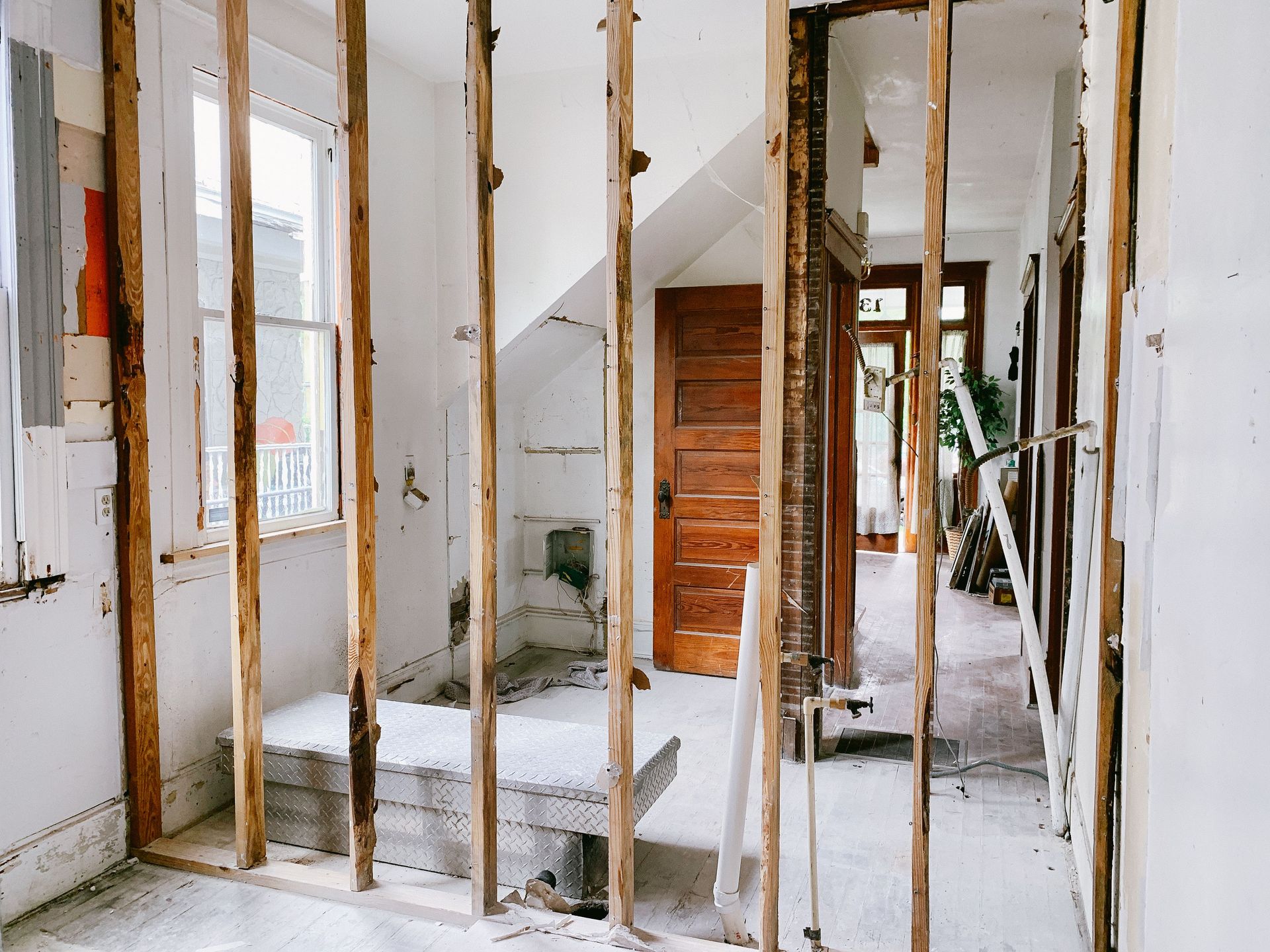
If you already own an older Jacksonville-area home and you are planning a kitchen remodel, an addition, or converting a garage into an accessory dwelling unit, the wiring question is worth answering before the first permit gets pulled, not after. Once walls are open for a renovation, it is the cheapest point in the entire project to correct aluminum branch circuits, and pairing it with any planned electrical panel upgrade usually saves a second round of drywall and labor later.
This is the kind of code and compliance detail our team handles as a matter of course, not an afterthought. As Sunshine State's founder John Belizario puts it, "my goal is not just to do a good job but make sure my customer understands and is happy with the final result." That means when our crews are already inside your walls for a home addition or full remodel, we flag wiring issues, pull the right permits, and coordinate the documentation your insurer will actually ask for, rather than leaving you to discover the problem at your next renewal notice. It is one reason homeowners who want a single, licensed, full-service contractor for renovating an older Jacksonville home come to us instead of coordinating separate electricians, permit runners, and inspectors themselves.
The same logic applies to older homes in Fernandina Beach's historic district and along Amelia Island, where original wiring is common and where any electrical work also has to clear local historic-preservation review in addition to the standard building permit.
What This Means If You're Buying, Selling, or Just Renovating in Northeast Florida
Aluminum wiring is not a deal-breaker for buying, selling, or insuring a home in Jacksonville, Fernandina Beach, Ponte Vedra, or St. Augustine, but it is one more item on a growing list of underwriting checks that can catch homeowners off guard alongside things like roof age and outdated plumbing materials. Buyers can negotiate the remediation cost into the purchase price. Sellers can get ahead of it before a 4-point inspection stalls a closing. And homeowners who already have coverage can use the 120-day notice window that Florida law requires to get the repair done and requalify with their current carrier, or line up a new one, before anything actually lapses.
Whatever position you are in, the first two steps are the same: confirm with a licensed electrician whether the wiring is single-strand or multi-strand, and check with your agent which carriers accept which repair method before you pay for one. It is also worth asking your contractor to verify their license and pull the proper permits, since undocumented electrical work is one of the fastest ways a repair that was actually done correctly still fails to satisfy an insurer.
Frequently Asked Questions About Aluminum Wiring and Florida Home Insurance
Does aluminum wiring automatically disqualify a Florida home from insurance?
No. Multi-strand aluminum wiring used for large appliances is accepted by most carriers without any repair. Single-strand branch wiring from the 1965–1975 era is the version that causes declines and non-renewals, and even that can typically be resolved with a documented repair.
How do I find out if my home has single-strand aluminum wiring?
A licensed electrician or a 4-point inspection is the only reliable way to confirm it. Homes built between 1965 and 1975 are the ones to check first, especially if you notice flickering lights, warm outlet plates, or frequent breaker trips.
Will every insurance company accept a connector repair instead of a full rewire?
Will every insurance company accept a connector repair instead of a full rewire?
No. According to Augustyniak Insurance Group's carrier review, only a minority of Florida carriers accept COPALUM or AlumiConn connector repairs; most either require a full copper rewire or decline the home regardless of the repair method. Confirm with your agent which carriers are realistic options before choosing a repair.
How much notice does a Florida insurer have to give before non-renewing my policy?
For a residential property policy, Florida law requires at least 120 days' written notice of nonrenewal, and the notice has to state the reason (Fla. Stat. § 627.4133). That window is normally enough time to get an electrical repair done and requalify.
Should I fix the wiring before or during a renovation?
During, if you already have a renovation planned. Once walls are open for a remodel or addition, correcting aluminum branch wiring costs less than opening the same walls again later just to fix the electrical.