Mold Remediation in Jacksonville, FL: What Florida's Licensing Law Requires | Sunshine State Pro
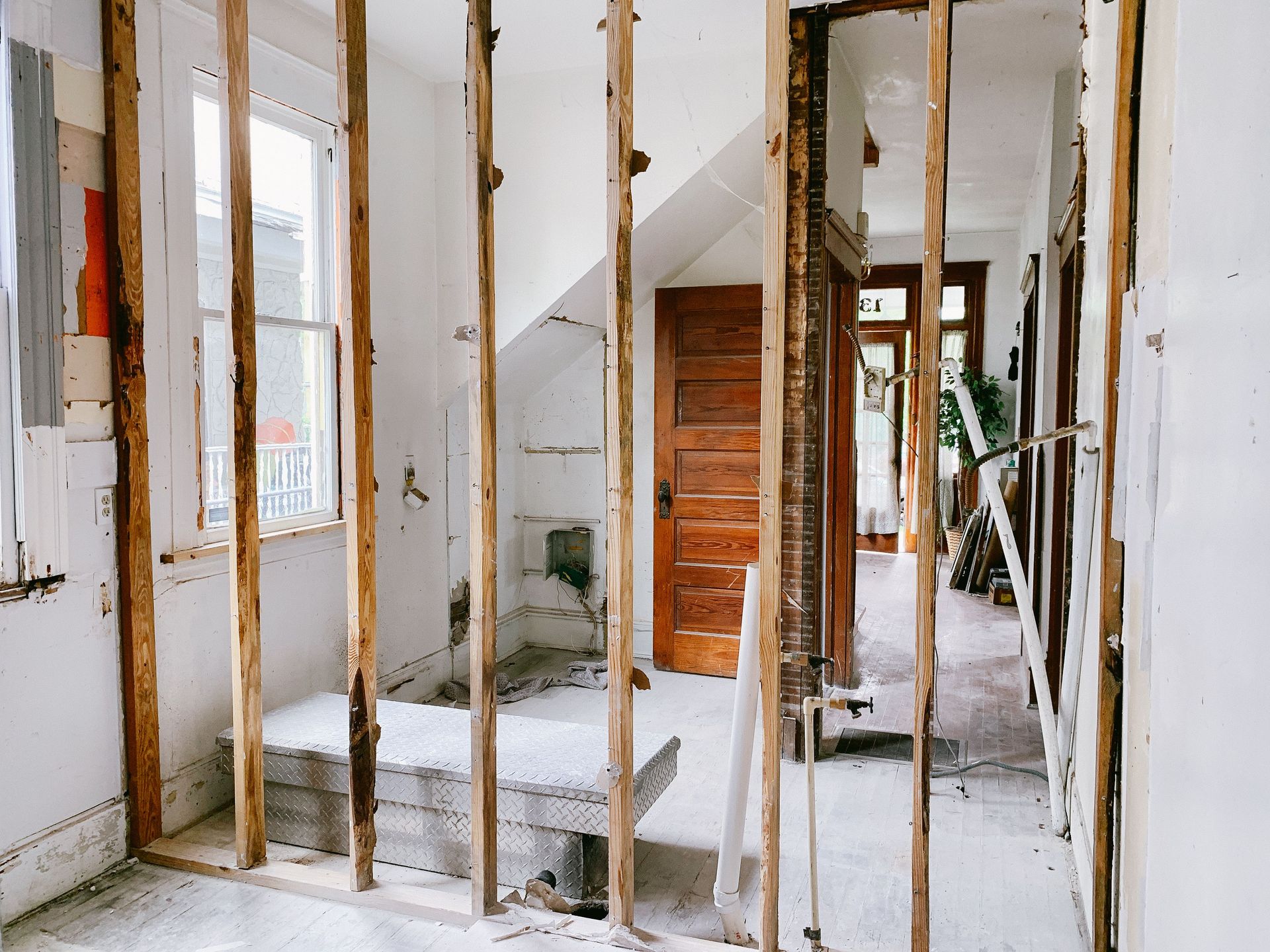
You pull up a section of drywall during a kitchen remodel, or your contractor opens a wall after a storm, and there it is: mold. In a Jacksonville climate this humid, it happens more often than most homeowners expect, and it can stop a renovation cold if you don't know the rules. Florida doesn't treat mold work like ordinary cleanup it's a licensed profession with its own state law, and skipping that step can leave you with illegal work, a voided insurance claim, or mold that just comes back. Here's what Florida actually requires before anyone touches mold in your home, and what it means for a Jacksonville renovation.
Why Mold Shows Up Once You Start Opening Walls
Northeast Florida's humidity does more damage than most homeowners realize until a wall comes down. Add a slow roof leak, a storm that pushed water past a window seal, or the kind of aging supply lines you'd find in a plumbing system overdue for a repipe, and you have the exact conditions mold needs. It's one of the most common surprises we run into mid-project, especially in homes where a crawl space was never properly sealed against moisture.
The problem is that a lot of homeowners and some contractors treat this the same way they'd treat any other demo surprise: scrape it off, spray some bleach, keep moving. Florida law says otherwise, and for good reason. Mold that isn't properly assessed and removed by someone trained to trace it to its source tends to come back within a year, often behind whatever new finish just went up.
The spots we see it most in Jacksonville renovations aren't glamorous: the underside of a sink cabinet where a slow supply line drip went unnoticed for months, the back of an exterior wall cavity after a hurricane pushed rain past flashing that was never quite right, or the subfloor under an old shower pan that's been failing quietly for years. None of those are visible during a normal walkthrough. They only show up once demo starts, which is exactly why a renovation not a routine home inspection is often the first time this law becomes relevant to a homeowner.
Florida's Mold Licensing Law: What Chapter 468, Part XVI Actually Requires
Florida is one of a small number of states that requires a state-issued license to legally perform mold-related work for compensation. Under Chapter 468, Part XVI of the Florida Statutes, anyone who assesses or remediates mold-contaminated material on an area greater than 10 square feet must hold an active license from the Florida Department of Business and Professional Regulation (DBPR).
The law splits the work into two separate licenses:
- Mold Assessor (MRSA) — performs the physical sampling and evaluation to determine the origin, identity, and extent of mold growth.
- Mold Remediator (MRSR) — performs the actual removal, cleaning, sanitizing, or demolition of the mold-contaminated material.
Both require passing a state exam, a background check, and documented training or education in mold-related work before DBPR will issue a license. A mold assessor, for example, needs either a two-year degree in a related science field plus a year of field experience, or a high school diploma paired with four years of documented field experience. Once licensed, both assessors and remediators have to complete 14 hours of continuing education every renewal cycle to keep the license active. It's not a weekend certification it's a real professional license with ongoing requirements behind it. If the person doing the work on your renovation can't produce one of these licenses for anything beyond a 10-square-foot patch, the work is being done illegally regardless of how good the general contractor's reputation is otherwise.
The Assessor/Remediator Split — Why the Same Company Can't Do Both
The part of this law that surprises homeowners most is the conflict-of-interest rule. Under Florida Statute §468.8419, a mold assessor is barred from performing remediation on a property they assessed within the previous 12 months and a remediator can't turn around and assess a property they just remediated. The two roles have to come from separate, independent companies.
The logic is straightforward consumer protection: if the same company both diagnoses the problem and gets paid to fix it, there's an obvious incentive to find more mold than actually exists, or to sign off on a remediation job that wasn't done thoroughly. Florida closed that loophole by law. A legitimate renovation involving mold should always show two separate names on two separate invoices one for the assessment, one for the remediation.
What Happens When a Contractor Skips the Licensed Assessment
Skipping this step doesn't just risk a fine. It creates real problems down the line for the homeowner, not the contractor who cut the corner:
- Insurance and resale issues. If mold work surfaces later during a storm damage insurance claim or a home sale inspection, an insurer or buyer's inspector can ask for documentation of a licensed assessment and remediation. Unlicensed work leaves you with nothing to show.
- The mold comes back. Without a licensed assessor tracing the moisture source, remediation often just addresses what's visible — not what's feeding it. It's the same root-cause problem we flag with termite and wood rot damage: treat the symptom without fixing the source, and it returns.
- It can stall your renovation. If a licensed assessor or building inspector later flags unlicensed mold work, it can hold up permits and inspections on the rest of your project until it's corrected properly.
How This Plays Out During a Kitchen or Bathroom Remodel
Most of the mold we run into isn't found during a dedicated mold job it's found mid-demo on a kitchen remodel or a bathroom remodel, behind a sink cabinet or under old subfloor near a shower pan. When that happens, the project doesn't need to stop it needs to pause long enough to bring in a licensed assessor, get an accurate scope, and then let a separately licensed remediator handle it before framing and finishes go back in.
John Belizario, who founded Sunshine State Professional Services after years working construction from the ground up, puts it simply: "My goal is not just to do a good job but make sure my customer understands and is happy with the final result." That means telling a customer honestly when something like mold changes the scope of a project, coordinating the licensed assessor and remediator, and making sure the rest of the renovation team the engineers, estimators, and project coordinators who work like one family on every job builds the fix into the plan instead of papering over it.
What to Ask Before You Sign: Verifying Licenses in Florida
Before you let anyone touch suspected mold in your home, a few questions protect you:
- Ask for the DBPR license number for both the assessor and the remediator, and confirm they aren't the same company for the same job.
- Verify the license directly through MyFloridaLicense.com rather than taking a business card at its word — the same standard we recommend when you verify a contractor's license in Florida before hiring for any renovation work.
- Get the assessment report and the remediation scope in writing, as two separate documents.
- If mold is discovered after your renovation has already started, expect a change order for the added scope rather than a contractor who just absorbs it silently — it's the same budget-protection principle behind any legitimate renovation change order.
You can read more about how we approach renovations from the ground up in Sunshine State's story.
Frequently Asked Questions
Do I need a mold inspection before every Jacksonville renovation?
Not every project needs one. It's worth budgeting for if your home is older, has had a roof leak or storm water intrusion, or if you notice a musty smell or discoloration once walls are opened.
Can my general contractor also do the mold remediation?
Only if that contractor personally holds a valid Mold Remediator (MRSR) license from DBPR, and only if they didn't perform the mold assessment on your property within the past 12 months. Otherwise, the assessment and remediation need to come from two separate, independently licensed parties under Florida law. .
How much does mold remediation cost in a Jacksonville renovation?
It depends on the extent of the affected area and what's feeding the moisture, which is exactly why the licensed assessment happens first. We evaluate the scope on site before quoting rather than pricing it blind over the phone.
What happens if mold is found after my renovation has already started?
Work on the affected area pauses while a licensed assessor evaluates it, and the remediation gets scoped as a change order so you know the cost and timeline impact before work resumes.
If a Jacksonville renovation turns up something you didn't plan for, you want a team that will tell you the truth about it and coordinate the fix the right way — not one that cuts a corner to keep the job moving. That's the whole idea behind how Sunshine State Professional Services runs a project from the first estimate to the final walkthrough. Call (904) 517-2427 to talk through what your renovation might uncover before you start.