Smart Home Technologies to Include in Your Next Renovation

May 20, 2024

Imagine walking into a home where the temperature adjusts itself to your comfort level, lights dim or brighten with a simple voice command, and the security system assures you of your safety with real-time alerts. 


This isn't a scene from a futuristic movie—it's the reality of living in a smart home. With advancements in technology, integrating smart home features during a renovation has become more than a luxury; it's a pathway to enhancing efficiency, security, and convenience in our daily lives. 


In this article, we'll dive into essential smart home technologies that are not just worth considering for your next renovation but could transform the way you interact with your living space. 


Let's explore how these innovations can bring a new level of intelligence to your home.
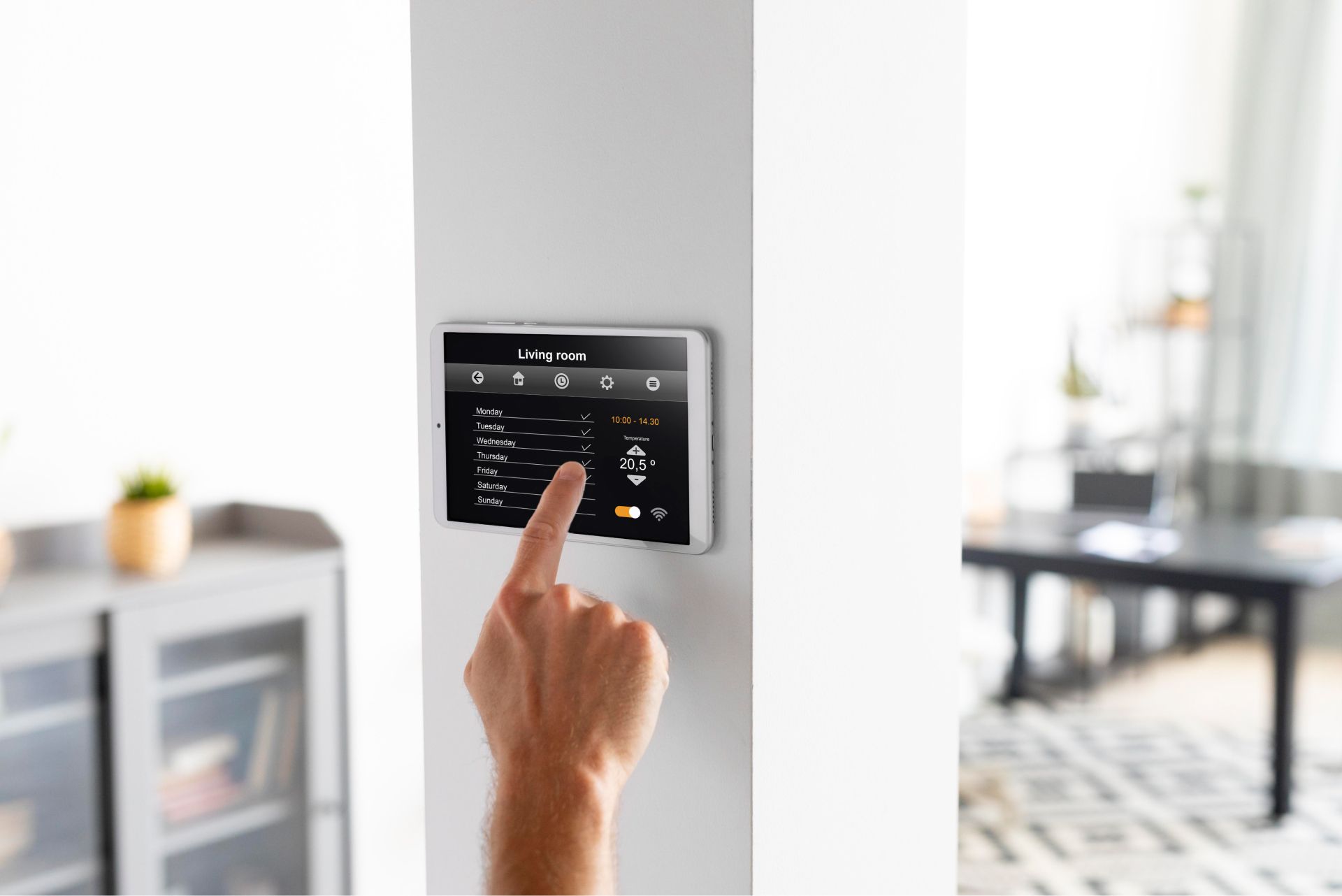
A person is pressing a button on a smart device in a living room.

Smart Thermostats

Gone are the days of manually adjusting your thermostat before leaving for work or trying to remember if you turned off the AC. Smart thermostats have revolutionized the way we control the climate in our homes. 


These intelligent devices learn your schedule and temperature preferences to optimize heating and cooling, making your home comfortable when you're there and saving energy when you're not. The real magic? You can control them from anywhere using your smartphone.


Models like the Nest Thermostat or the Ecobee SmartThermostat not only allow for remote adjustments but also provide detailed energy usage reports. 


This helps you understand your consumption patterns and find ways to save even more. Plus, with compatibility with other smart home systems, a smart thermostat can be the cornerstone of a fully integrated smart home, paving the way for seamless automation and efficiency.

Intelligent Lighting Solutions

Lighting plays a pivotal role in setting the mood of your home, and intelligent lighting solutions take this to the next level. Smart lighting systems offer unparalleled convenience, allowing you to adjust brightness, color, and even the direction of light with just a few taps on your smartphone or through voice commands. 


Whether you’re setting the scene for a movie night or ensuring your home is well-lit while you’re away, smart lighting adapts to your needs.


Beyond convenience, smart bulbs and lighting systems like Philips Hue or LIFX also contribute to energy savings. They can be programmed to turn off automatically when no one is in the room or adjust based on natural light levels, reducing unnecessary power use. 


For renovations, incorporating smart lighting means not just upgrading the aesthetics of your home but also embracing an eco-friendly lifestyle. Plus, with options ranging from individual smart bulbs to comprehensive lighting systems, there’s a smart lighting solution that fits every need and budget.

Advanced Security Systems

In today's world, ensuring the safety of your home is more important than ever. Advanced security systems have become a cornerstone of smart home technology, offering peace of mind whether you're tucked in bed or halfway around the world. 


Smart locks, security cameras, and alarm systems allow for real-time monitoring and control. Imagine being able to check who's at your front door through your smartphone or receiving alerts if any unusual activity is detected.


Smart locks provide keyless entry, making lost keys a thing of the past, and allow you to grant temporary access to visitors without compromising your home's security. Cameras and alarms, meanwhile, offer not just surveillance but also deter potential intruders with their mere presence. 


Brands like Ring and Arlo are leading the charge, integrating seamlessly with other smart home devices for a comprehensive security solution.


Adopting these advanced security systems in your renovation project doesn't just add a layer of protection; it brings a new level of convenience and control to managing your home's security, ensuring that safety is always at your fingertips.

Home Assistant Devices

The heart of a truly smart home is a central system that connects and controls all your devices seamlessly. Home assistant devices have emerged as the brain behind the operation, allowing you to manage everything from lighting and temperature to security with simple voice commands or a tap on your smartphone. 


These voice-controlled assistants can play music, set alarms, provide weather updates, and even help with tasks like making shopping lists or controlling smart appliances.


Popular platforms like Amazon Alexa and Google Assistant offer a range of devices suited for different needs, from basic speakers to those with screens for video calls and streaming. 


Their real power lies in their ability to integrate with a vast array of other smart home technologies, creating a network that's customizable to your lifestyle. 


Whether you're asking for a daily briefing over coffee or dimming the lights without leaving the couch, home assistant devices offer convenience and control, making them a must-have in any modern renovation.

Smart Appliances

Transform your kitchen and laundry room into hubs of efficiency and convenience with smart appliances. These aren't just gadgets; they're intelligent tools designed to make daily chores easier and more enjoyable. 


A smart refrigerator can keep track of your groceries, suggest recipes based on what's inside, and even display your family's calendar. Meanwhile, a smart oven can preheat on your commute home, ensuring it's ready for dinner prep the moment you walk through the door.


In the laundry room, smart washing machines and dryers can optimize water and energy use based on the load, send you notifications when your laundry is done, and even detect when maintenance is needed. These appliances are not just about saving time; they also help reduce your home's energy consumption, thanks to their efficient operations.


Integrating smart appliances into your next renovation is more than a luxury—it’s a step towards a home that works smarter, not harder, allowing you more time for the things that matter most. With their sleek designs and innovative features, smart appliances not only enhance the functionality of your home but also its aesthetic appeal.

Conclusion

Incorporating smart home technologies into your renovation isn't just about embracing the future; it's about creating a home that's more efficient, secure, and in tune with your lifestyle. From smart thermostats that adjust to your schedule to advanced security systems that offer peace of mind, each element plays a part in enhancing the daily living experience. Voice-controlled home assistants bring it all together, offering unparalleled convenience at the sound of your voice. And let's not forget smart appliances, which transform routine tasks with a touch of tech-savvy efficiency.


As you plan your next renovation, consider these smart home technologies not just as upgrades but as investments in your home's value and your quality of life. The future of home living is smart, connected, and tailored to your needs, making now the perfect time to bring your living space into the 21st century.

Wooden animal toys (crocodile, giraffe, elephant) and trees on a white floor in front of a bed.
By John Belizario January 30, 2026
Discover how Accessory Dwelling Units (ADUs) offer flexible solutions for modern homeowners—from guest houses and home offices to rental income and multigenerational living spaces.
Small kitchen with off-white cabinets, a window, and a washing machine. Toilet paper rolls and black cabinets are also present.
By John Belizario January 27, 2026
Transform your small kitchen into an efficient, stylish space with smart storage solutions. Learn expert tips for maximizing every inch, from vertical shelving to custom cabinetry.
White kitchen cabinets and stainless steel refrigerator.
By John Belizario January 23, 2026
Deciding between an open concept or traditional kitchen layout? Discover the pros, cons, and key factors to help you choose the perfect kitchen design for your lifestyle and home.
Elegant bathroom with marble walls, a large mirror, a shower, and a bathtub.
By John Belizario January 19, 2026
Bathroom renovations can feel exciting at first—like you’re finally saying goodbye to that leaky faucet and ‘80s tile. But once the demo starts and you’re knee-deep in design decisions and dust, it’s easy to make mistakes that cost time, money, and your sanity. No matter if you’re taking the DIY route or working with a contractor, knowing what not to do is just as important as knowing what you want. Here’s a look at the most common bathroom remodel mistakes and how you can avoid making them yourself. Why Bathroom Renovation Mistakes Are So Costly It might be one of the smallest rooms in your home, but your bathroom is used daily—often by multiple people. Any functional or design flaw becomes obvious fast. Plus, moisture, plumbing, and electrical elements make bathroom remodels trickier than other rooms. Bathroom mistakes can lead to: Mold or water damage Poor lighting or ventilation Awkward layouts Wasted money on materials that don’t last Mistakes in this space aren’t just inconvenient—they can seriously affect your home's value. Planning and Design Mistakes Getting swept up in Pinterest ideas is fun, but don’t skip the boring (but crucial) planning phase. A good plan sets the foundation for a great result. Here’s where people go wrong: 1. No Budget (or a Vague One) Without a clear budget, you’ll either overspend fast or cut corners in the wrong places. A smart remodel budget should include: Materials Labor Permits Contingency (usually 10–20% for unexpected surprises) Knowing your numbers upfront lets you make confident decisions instead of panicked ones. 2. Rushing the Design Process Take your time with measurements, layout, and fixture selections. Rushing leads to poor fit, mismatched items, or regretting your tile choice once it’s already installed. Sketch it out. Use design software. Or better yet, consult with a pro who can help you visualize the final look. 3. No Design Theme Trying to combine farmhouse, modern, and boho styles all in one small space is a recipe for visual chaos. Pick a design direction and stick to it. This could mean: Neutral and spa-like Bold and moody Coastal and breezy Create a moodboard with your colors, materials, and textures so everything feels intentional. Tile and Material Mistakes Tile is often the star of the bathroom—but it’s also one of the trickiest elements to get right. What to Avoid: Buying tile too early (you might need more and get a mismatched batch) Choosing high-maintenance grout colors (white grout gets dirty fast) Using slick tiles on the floor (hello, slip hazard) Large-format porcelain tiles are usually the easiest to clean and maintain. If you're considering something more decorative, like mosaic or marble, limit it to an accent wall or backsplash. Before you order, check the tile’s Area of Use. Some tiles are only approved for walls, not floors. Learn more about tile ratings from this guide . Storage and Layout Errors A beautiful bathroom means nothing if there’s nowhere to stash your towels or toilet paper. Avoid: Minimal storage in favor of aesthetics Giant vanities that hog all the space Doors that swing into tight spots Better options: Recessed medicine cabinets Floating vanities for an open feel Built-in shelving in dead corners If your bathroom has limited square footage, use vertical space and opt for multi-purpose items like mirrors with hidden storage. Shower and Bathtub Installation Pitfalls Showers and tubs are where functionality often clashes with design trends. They may look stunning in showrooms or on Instagram, but not every stylish feature works well in everyday life. Here are some common regrets: Rain showerheads : They look luxurious, but many people find the straight-down water flow limiting and less effective for rinsing. They often lack water pressure and coverage compared to traditional angled showerheads. Open showers: Sleek and modern, but in colder climates they can feel drafty and uncomfortable—especially without a door to trap steam and warmth. Oversized soaking tubs : Deep and dramatic, but they can easily exceed your water heater’s capacity, leaving you with a lukewarm bath instead of a relaxing soak. Make sure you know: Your tub’s gallon capacity Your water heater’s size Whether your shower hardware can split pressure evenly across multiple heads An open, doorless shower may work in Florida, but not so much in Minnesota. And placing the shower controls where you have to step in to turn them on? That’s a daily annoyance waiting to happen. Lighting and Ventilation Mistakes Bad lighting = bad vibes and bad grooming. Here is what works: Ambient lighting : Ceiling lights or LED strips for general brightness Task lighting : Vanity lights or sconces at eye level Accent lighting : A pendant light over the tub or niche lighting in the shower Avoid just relying on a single ceiling light. It creates shadows and makes tasks like shaving or applying makeup harder. Also, don’t forget about ventilation. A good exhaust fan prevents moisture buildup, mold, and mirror fog. Consider a timer switch or humidity sensor for maximum efficiency. Heated Floors and Smart Upgrades A heated bathroom floor is one of those things you don’t realize you need until you try it. It’s especially helpful if you have tile floors and cold winters. For even more comfort: Extend the heating to the shower floor Coordinate carefully between the electrician and tile installer Choose a system with a warranty and accessible controls You can also install heating mats between joists from below, which makes future repairs easier. When DIY Goes Wrong It’s tempting to save money by doing the work yourself, but bathrooms are not the place to experiment unless you’re really experienced. Here’s what DIYers often mess up: Improper waterproofing (which leads to mold behind tile) Bad tile cuts or spacing Misplaced plumbing fixtures Uneven floors or vanity installation Sometimes it's cheaper in the long run to hire professionals. That’s where Sunshine State comes in. Based in Florida, they specialize in high-quality, stress-free home improvement projects, including complete bathroom remodels. Their team can handle everything from demolition and plumbing to tile work, lighting, and fixture installation—saving you time, preventing costly errors, and making sure your vision becomes reality. Whether you're going for a modern minimalist look or a cozy spa-like retreat, Sunshine State works with you every step of the way. Their attention to detail and use of durable, moisture-resistant materials ensure your bathroom will not only look great but also stand up to daily use for years to come. Toilet Placement and Accessibility The toilet might not be the most glamorous feature, but poor placement can create a lot of discomfort. Make sure to watch out for: Cramped toilet “closets” that are hard to clean or access in emergencies Toilets that are too close to vanities or tubs No outlets for future bidet upgrades Also, consider accessibility for aging in place or hosting elderly relatives. Features to think about: Walk-in showers with grab bars and hand-held showerheads Wider doorways Lever handles instead of knobs ADA-compliant fixture heights A little foresight goes a long way in making your bathroom safe and usable for everyone. Choosing the Wrong Paint and Finishes Bathrooms deal with steam, splashes, and daily wear and tear. Avoid: Flat or matte paint (shows every splash and fingerprint) Beadboard with deep grooves (hard to clean) Trendy finishes that don’t age well Go for semi-gloss or satin paint finishes that repel moisture. Choose durable materials like porcelain or sealed stone, and don’t forget to seal your grout lines. Conclusion A bathroom remodel is a big investment. To get the most out of it: Set a realistic budget Plan your design and layout carefully Use high-quality, water-resistant materials Think ahead about lighting, heating, and accessibility Ready to remodel without the regrets? Sunshine State is your trusted partner for bathroom renovations done right. From custom tile work to expert plumbing and smart design solutions, they’ll help you create a space that suits your lifestyle!
Person wearing hard hat and gloves installing molding on a white wall near a window.
By John Belizario January 11, 2026
Discover smart energy-efficient options for ADU builds that lower utility bills and boost sustainability. Learn about strategies to create a high-performing ADUs.
June 25, 2025
Accessory Dwelling Units (ADUs) are changing the way people think about living space. These compact, independent structures aren't just an add-on to your backyard—they're a flexible solution for modern homeowners. You can turn an ADU into a guest suite, use it as a dedicated office, rent it out for extra income, or even provide private quarters for a loved one. ADUs are more than just a trend—they're a smart way to add function, value, and versatility to your property. Read on to discover how an ADU can meet your evolving needs and why more people are embracing this powerful housing solution.
June 18, 2025
Accessory Dwelling Units, or ADUs, are small, self-contained homes built on the same lot as a primary residence. They can be detached, attached, or even converted from garages or basements. ADUs have gained popularity as flexible, functional solutions for extended family, rental income, or remote workspaces. A well-designed ADU depends on its floor plan and layout, so understanding the common designs can help you make the right decisions for your space, budget, and goals. In this article, we’ll break down popular ADU layouts and what to consider when choosing the right one—so you can build smarter and maximize your investment. Keep reading to find the best fit for your needs.
A living room with a couch , table , chairs and potted plants.
June 11, 2025
Curious about the ROI of building an ADU? Discover how accessory dwelling units can generate rental income and boost your property’s value.
A screened in porch with a couch , table , chairs and a ceiling fan.
June 5, 2025
Thinking about a sunroom addition? Explore costs, design ideas, and the benefits of adding a bright, relaxing space to your home.
A bathroom with a tub , sink , and shower.
May 27, 2025
Choosing between a walk-in shower and a bathtub? Compare the benefits of both to find the best option for comfort, accessibility, and style.